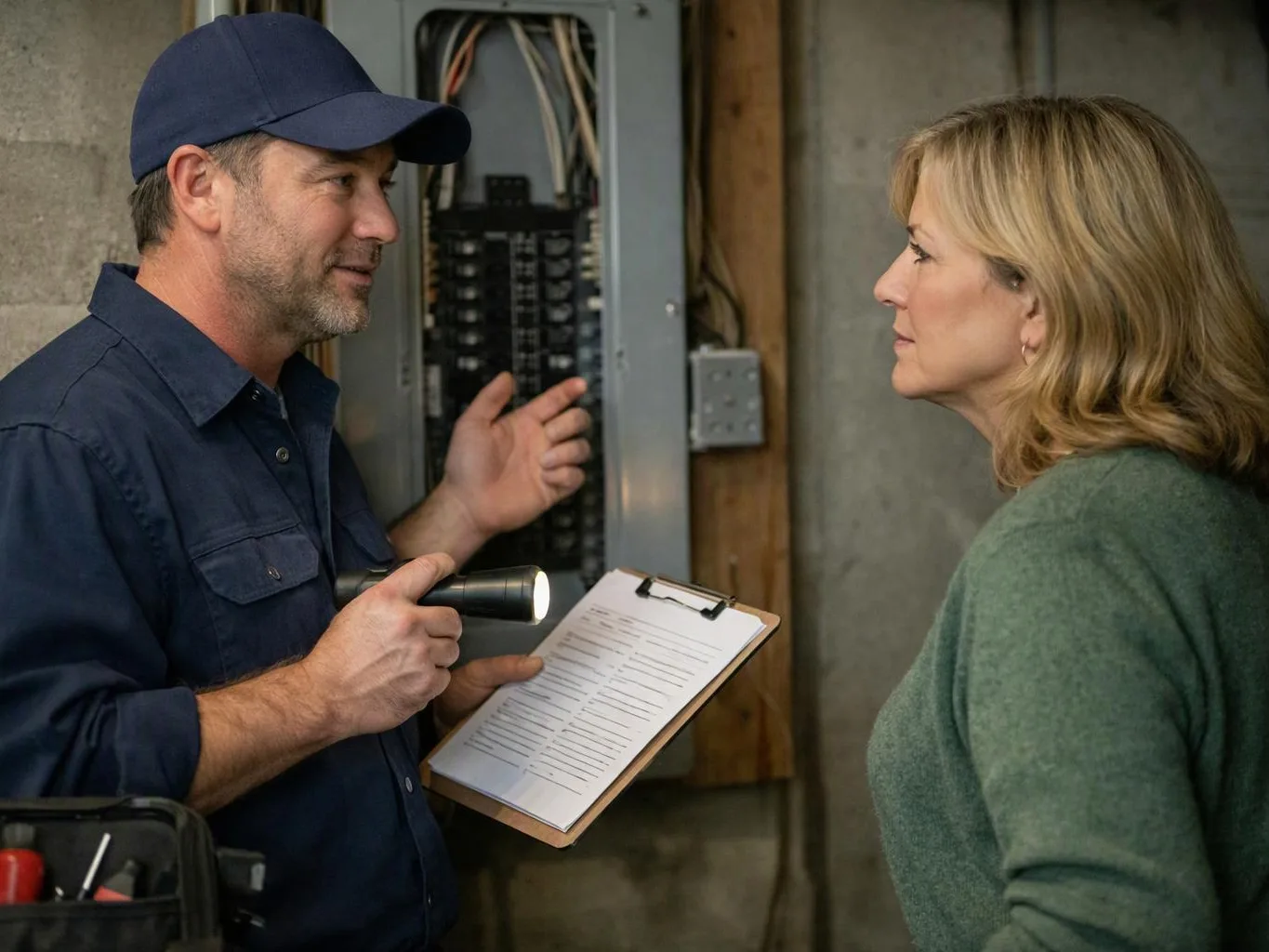
Record the transfer symptom
We document when charging stops, whether export fails, and what warning appears. This gives the inspection a clear starting point.
We trace charging faults and power transfer problems for homes and businesses. Our electricians are available 24 hours for emergencies.
You learn whether the problem sits in the charger, vehicle connection, controls, or property circuit.
You receive a repair path based on tested electrical conditions.
You can separate a charging fault from a wider panel or circuit problem.
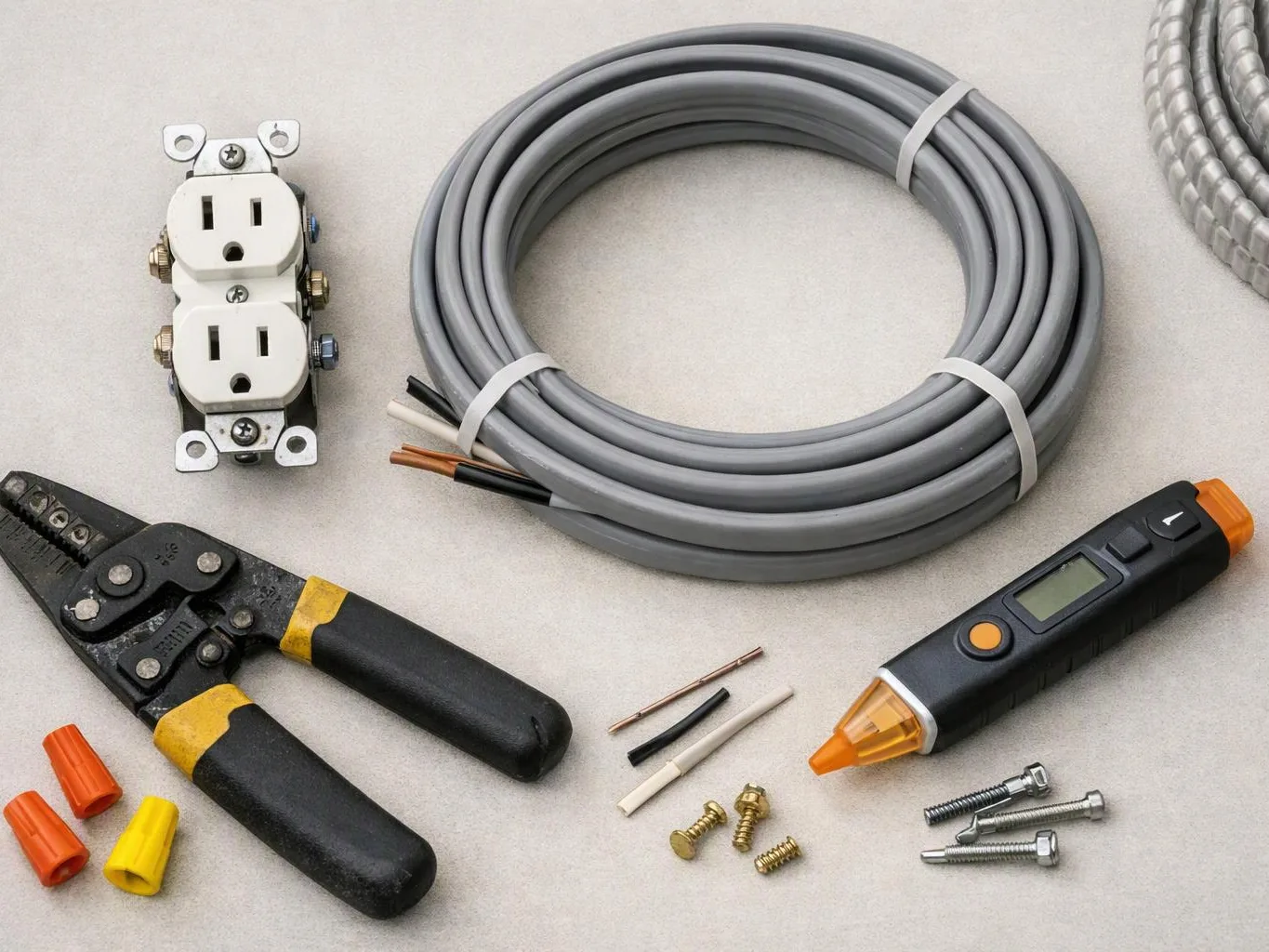
Bidirectional charging system troubleshooting covers faults that affect energy flow in both directions. We look at the charging equipment, vehicle connection, transfer controls, branch circuit, grounding, and panel connection. The work starts with the symptom you can see. We then isolate the fault through inspection and electrical testing. Our electricians explain whether the issue points to wiring, controls, equipment, or a wider property load concern. This service fits owners who already have bidirectional charging equipment or a vehicle-to-home setup with a fault. It does not replace a new charging installation when the equipment has not been selected or installed. We can explain the electrical work needed after the fault is identified.
Bidirectional charging system troubleshooting is an electrical diagnostic service that measures why power cannot move correctly between an electric vehicle and a property.
We document when charging stops, whether export fails, and what warning appears. This gives the inspection a clear starting point.
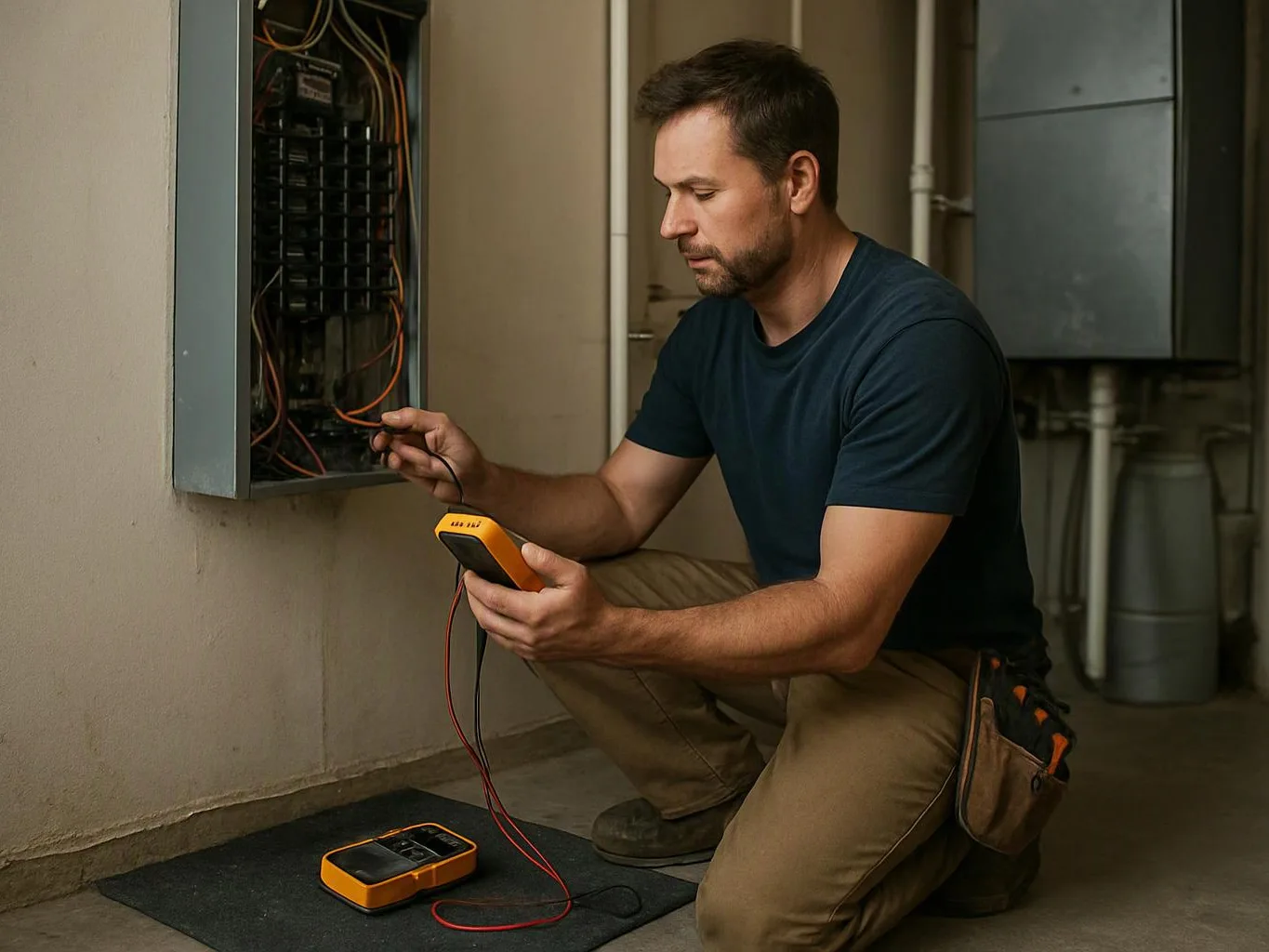
We examine the vehicle connection, charger connections, visible wiring, and related equipment for damage, loose parts, or signs of heat.
We follow the branch circuit to the panel and check breakers, grounding, circuit condition, and the load connected to the charging equipment.
We test the controls and electrical path that govern charging and power export. The results help separate equipment faults from property wiring faults.
We describe the tested fault and the practical next step. If repair work is needed, we provide a free estimate before proceeding.
We test completed electrical work and confirm that the affected charging or transfer function operates properly.
These details help us begin with the right symptom and equipment context.
We assess the charger, transfer path, circuit, and grounding before recommending a repair option for the reported fault.
We explain which charging or export function failed and what each recommended electrical repair would address.
We test the repaired transfer path and related electrical connections to confirm the system operates properly.
Get a clear repair decision for your Indianapolis charging fault, and urgent requests get priority scheduling.
A vehicle may charge normally but stop sending power back to the property. That split symptom matters because the export controls and property circuit need their own checks. We inspect the transfer path, panel connection, and grounding before we recommend repair work. Keep the equipment accessible and record when the transfer stops.
Repeated warning messages can leave a homeowner unsure whether the vehicle, charger, or wiring caused the fault. The message alone doesn't identify the failed part, so we compare the symptom with the electrical condition. Share the warning details and leave the charger accessible for inspection and testing.
A business may rely on vehicle charging and backup power for normal operations, so a transfer fault needs careful scoping. We check the charger circuit, connected load, controls, and panel condition to separate one equipment issue from a larger electrical concern. Property managers should arrange access to the charging area and electrical room.