Skip to content

Bidirectional Charging System Troubleshooting in Lawrence, Indiana

Voltage imbalance can interrupt vehicle-to-home charging in Lawrence. We trace the charging path and check related system faults.

Licensed & InsuredFree EstimatesSame-Day ServiceServing 41 Communities

Quick Summary: Vehicle-to-home charging troubleshooting in Lawrence, Indiana

Bidirectional charging system troubleshooting in Lawrence is provided by GMB Electric for vehicle-to-home charging faults, including voltage imbalance, communication loss, ground faults, and firmware issues. We serve residential and commercial properties across Indianapolis and surrounding communities, with availability 24 hours for emergencies.

  • What we do: GMB Electric provides Bidirectional charging system troubleshooting for Lawrence homes and businesses with vehicle-to-home charging interruptions.
  • What is included: We check voltage balance, charging communication, ground-fault conditions, firmware behavior, wiring, and system controls.
  • What you get: The charging system has a documented fault path and a clear repair or follow-up decision.

Why does vehicle-to-home charging keep stopping in Lawrence, Indiana?

Voltage imbalance is a leading cause of vehicle-to-home charging interruptions. Communication loss, ground faults, and firmware issues can produce the same symptom, so the system needs electrical testing before repair.
Bidirectional charging system troubleshooting for Lawrence properties

Bidirectional charging system troubleshooting focuses on interruptions during vehicle-to-home power transfer. The work suits property owners who see charging stop, restart, show a warning, or fail to support the connected load.

The key decision is whether the fault sits in the electrical supply, the charging equipment, the vehicle connection, or the control software. We trace that path before recommending repair work, because replacing a part without finding the fault can leave the interruption in place.

This service adds a focused diagnostic layer to our wider electrical work. It does not replace utility outage support, full EV charging installation, or unrelated panel repair when those issues are separate.

  • Confirm when the vehicle-to-home transfer stops.
  • Check supply voltage and circuit condition.
  • Test communication between the charger and vehicle.
  • Inspect for ground-fault signs and unsafe wiring.
  • Review firmware behavior when system access allows it.
  • Explain whether the next step is repair, installation work, or another electrical service.
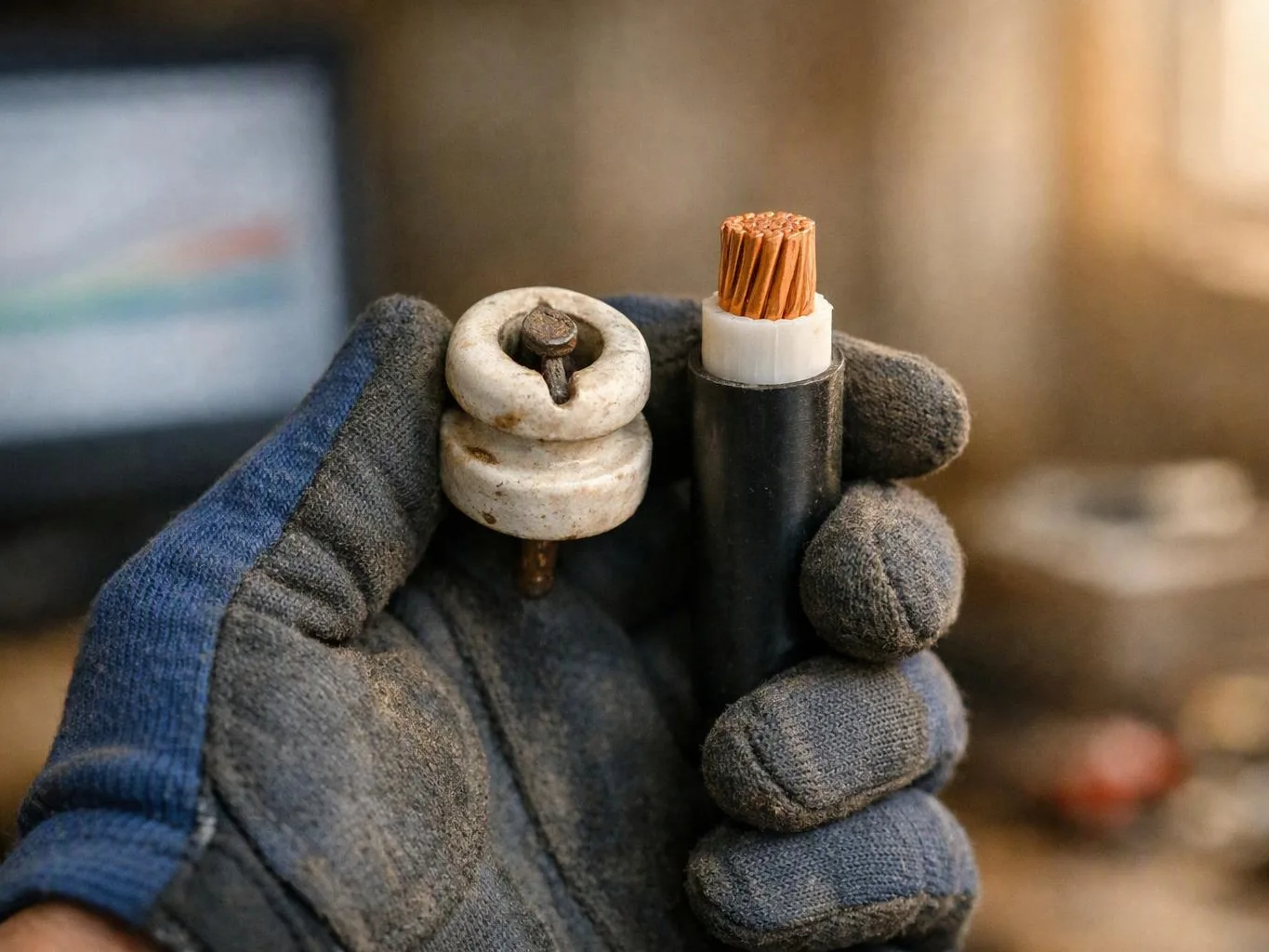
A gloved hand holds a ceramic wheel and a cut electrical cable with exposed copper strands

Service Overview

Bidirectional charging system troubleshooting is electrical testing that finds why power cannot move reliably between a vehicle, charger, and property.

  • This work differs from standard EV charging installation because it diagnoses an active transfer problem instead of adding a new charging circuit.
  • GMB Electric provides this service in Lawrence for residential and commercial properties.

What vehicle-to-home charging troubleshooting includes

GMB Electric provides comprehensive Bidirectional charging system troubleshooting in Lawrence. Here's what you get:

  • We inspect the charging connection, related wiring, and accessible electrical equipment.
  • We test voltage at the points that support power transfer.
  • We check communication loss between the vehicle, charger, and control system.
  • We look for ground-fault conditions that interrupt charging for safety.
  • We consider firmware behavior when the system reports software-related faults.
  • We explain the findings and the next electrical step in plain language.

How we approach vehicle-to-home charging faults

Trace the actual charging path

Charging interruptions can begin at the supply, circuit, charger, vehicle connection, or controls. We follow that path and record what each test shows.

Separate electrical and software faults

A warning tied to firmware does not prove the wiring is sound. We check the electrical condition before treating the problem as a software issue.

Know when another service fits

This service is the wrong job when the property has a separate utility outage or needs a new charging installation without an active fault.

Process

How we test vehicle-to-home charging interruptions

1

Record the interruption symptom

We identify when the transfer stops, what the vehicle and charger display, and whether the fault repeats under the same condition.

2

Inspect the supply and connections

We check the circuit, wiring, terminals, charger connection, and accessible panel equipment for conditions that can disrupt power transfer.

3

Test voltage and ground conditions

Voltage checks and ground-fault testing help show whether the electrical supply is stable and safe for the charging function.

4

Check communication and controls

We examine communication loss and system control behavior when the charger and vehicle do not maintain the transfer.

5

Explain the repair decision

We review the findings with you and explain whether the next step involves electrical repair, equipment service, firmware action, or another scope of work.

What this charging fault check changes for you

A fault-based diagnosis helps separate an electrical problem from a control or firmware issue.

Testing shows whether the existing circuit can support the charging setup safely.

Clear findings help you decide between repair, added electrical work, or equipment service.

The inspection gives property owners useful information before parts or larger work are selected.

Choosing the right service for a charging problem

These service types address different causes and starting conditions.

Service needBest fitWhat we check
Active bidirectional charging faultTroubleshootingVoltage, communication, ground, and control conditions
New EV charging setupEV charging installationCircuit capacity, wiring, equipment location, and installation scope
Property-wide electrical issueElectrical repair or panel servicePanel condition, circuits, breakers, and broader power symptoms

The GMB Electric Standard

  • Careful Assessment
  • Clear Explanations
  • Safe Practices
  • Orderly Work Areas

Questions about vehicle-to-home charging faults

What causes vehicle-to-home charging interruptions?

Voltage imbalance can interrupt vehicle-to-home charging. Communication loss, ground faults, and firmware issues can create similar stops, so we test the electrical path and system controls before selecting a repair.

How is charging troubleshooting matched to my property before work starts?

Property access and equipment layout determine the testing path. We identify the charger, vehicle connection, panel, affected circuits, and system controls before we set the work scope.

Which property condition changes the time needed for this troubleshooting?

Limited access to the charger, panel, wiring, or connected loads can add testing steps. We also need more information when the interruption appears only under a specific transfer condition.

What should I ask before agreeing to charging system troubleshooting?

Ask which parts will be tested, how electrical faults will be separated from firmware issues, and what findings will lead to repair work. A useful assessment should explain the symptom, test path, and next decision.

When does a charging interruption become an urgent electrical concern?

A burning smell, buzzing panel, sparking connection, or repeated breaker trip calls for urgent electrical attention. Stop using the affected equipment and keep clear while we assess the hazard.

Who provides this troubleshooting service in Lawrence?

GMB Electric provides bidirectional charging system troubleshooting in Lawrence. Our licensed and insured electricians handle residential and commercial electrical service, including urgent electrical concerns.
Contact

Request a Free Estimate for Charging Troubleshooting in Lawrence

Tell us what the vehicle-to-home system is doing, and urgent requests get priority scheduling.

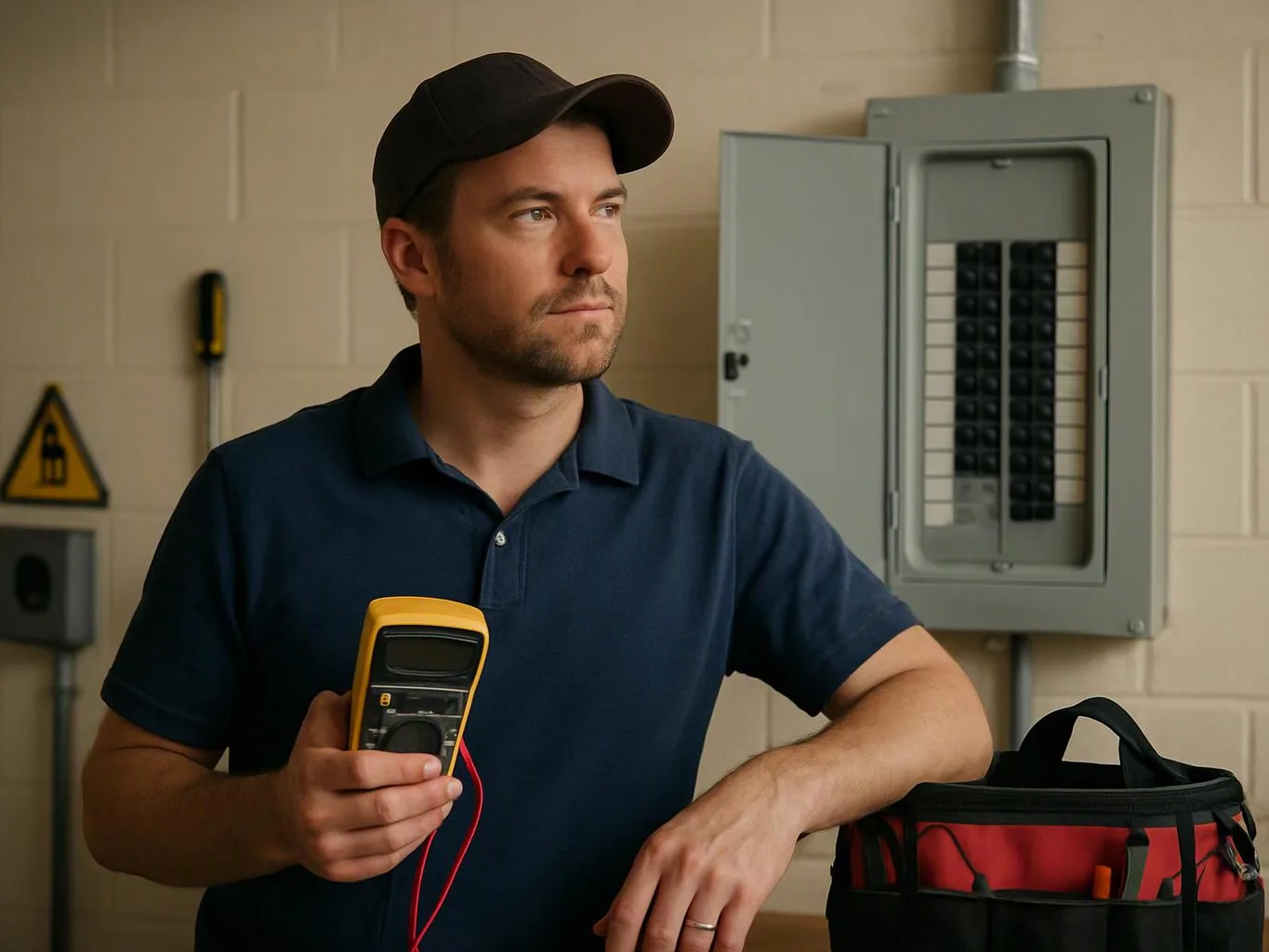
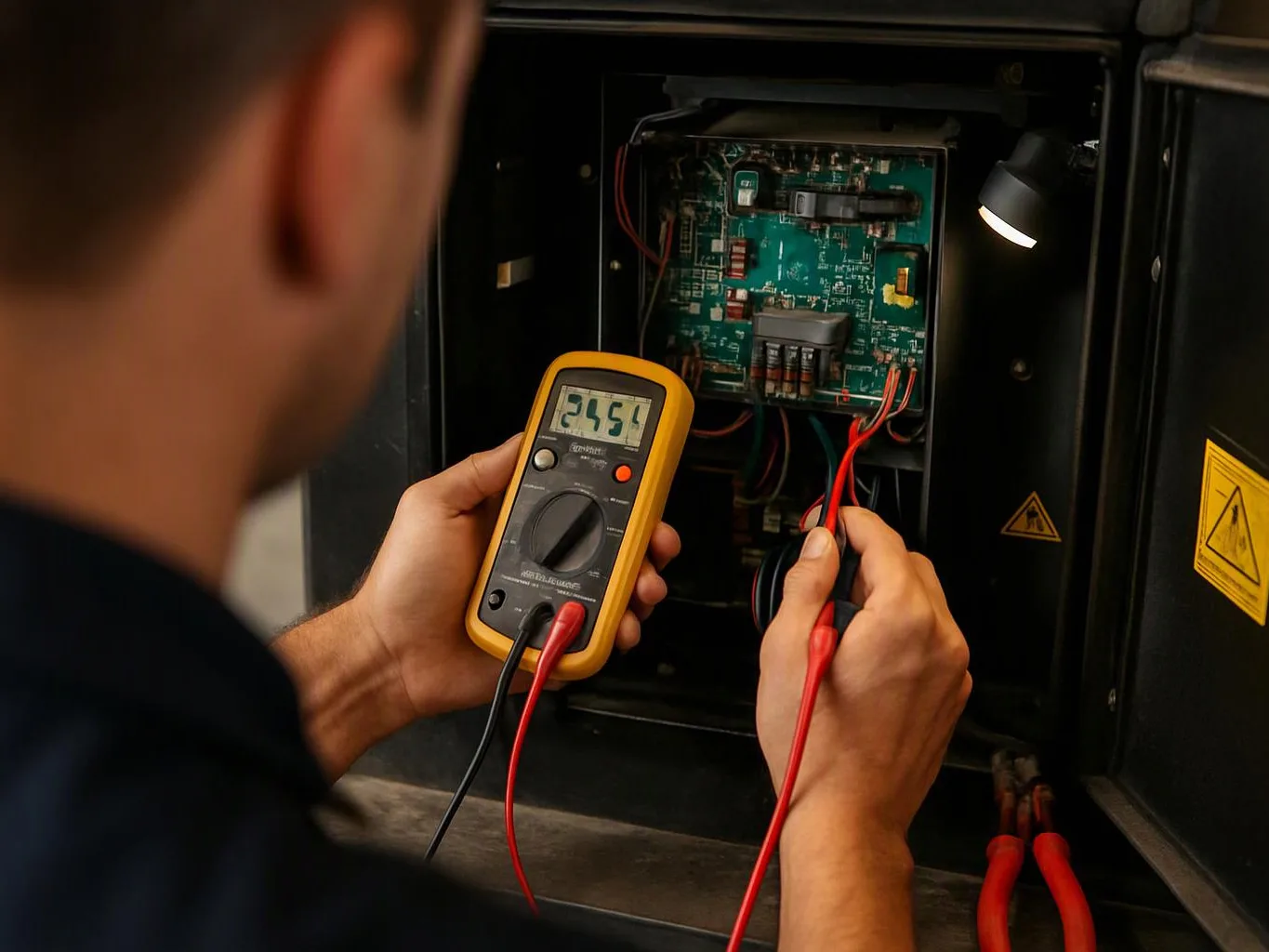
A technician tests wiring inside an open electrical panel with a digital multimeter and probes

Bidirectional charging system troubleshooting in Other Areas

(317) 608-1220