Skip to content

Bidirectional Charging System Troubleshooting in Dale, Indiana

Diagnostic codes are checked first for bidirectional charging system troubleshooting in Dale. GMB Electric is available 24 hours for emergencies, with licensed and insured electricians.

Licensed & InsuredFree EstimatesSame-Day ServiceServing 41 Communities

Quick Summary: Bidirectional charging system troubleshooting in Dale, Indiana

Bidirectional charging system troubleshooting in Dale is provided by GMB Electric for vehicle-to-home and related charging faults. We serve Indianapolis and surrounding communities, and our 24-hour electrician team also handles electrical inspections and repairs.

  • What we do: GMB Electric provides bidirectional charging system troubleshooting for property owners in Dale, Indiana.
  • What is included: We check diagnostic codes, power flow, cable condition, and battery status.
  • What you get: The customer receives a clear fault finding and a practical decision about repair, testing, or further electrical work.

Why do bidirectional charging faults keep returning after a reset?

Recurring faults often point to a cable, power flow, battery status, or control issue that a reset does not fix. We test the system and trace the fault before recommending the next repair step.

Bidirectional charging system troubleshooting for Dale properties

Bidirectional charging system troubleshooting focuses on the fault behind a failed charge, power transfer issue, or warning message. The work suits owners who already have bidirectional equipment and need a clear answer before repair or replacement.

Customers need to know whether the issue sits in the charger, cable, battery system, control setting, or property wiring. We check those links in order, then explain which repair belongs to the charging system and which needs broader electrical service.

A reset alone doesn't prove the fault is gone. Our team uses the available system information, electrical testing, and direct checks to support the next decision.

  • Record the exact warning message before power is cycled.
  • Note whether the fault appears during charging, discharging, or both.
  • Keep the vehicle, charger, and related cables accessible for testing.
  • Tell us about recent panel, outlet, generator, or EV charging work.
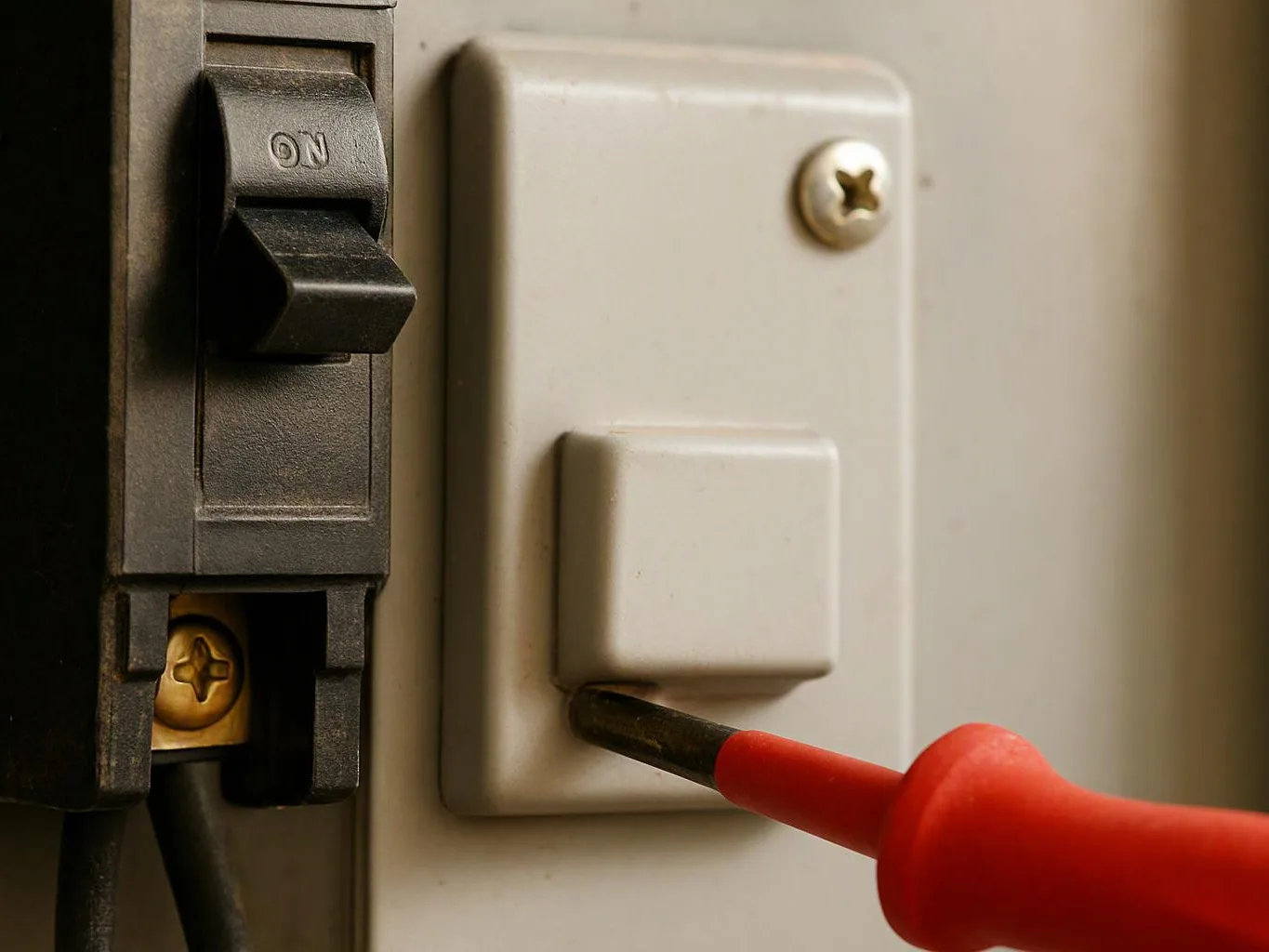
A red-handled screwdriver turns a screw beside a white light switch and black breaker switch

Service Overview

Bidirectional charging system troubleshooting is a diagnostic service that finds faults in equipment that sends power both ways.

  • It differs from a standard EV charging installation because we diagnose an existing fault instead of planning a new charger circuit.
  • We provide this troubleshooting service for homes and businesses in Dale.

A situation this service fits

A property owner in Dale may report a warning after a vehicle stops sending power to the building. We check the diagnostic message, power flow, cable path, and battery status, then separate charging faults from panel or circuit problems. If the issue needs panel work or another electrical repair, we explain that scope before proceeding.

How we approach charging fault decisions

Diagnosis before repair scope

Customers get a fault review before we define the repair scope. We are available 24 hours for emergencies, and our electricians are licensed and insured. This service is the wrong fit when the issue is only a utility outage or a vehicle software matter outside the electrical system.

Power flow checked at the source

Power flow checks help show whether the fault begins at the charger, circuit, cable, or connected equipment. We document what the tests show so the next electrical decision has a clear basis.

Battery information used with care

Battery status can explain a warning, but it doesn't replace electrical testing. We use available battery information alongside cable and circuit checks.

Process

How we trace a bidirectional charging fault

1

Review the reported fault

We record the warning, failed function, and point in the charge cycle where the problem appears.

2

Read diagnostic information

We check available diagnostic codes and compare them with the reported symptoms.

3

Check power flow

We test the electrical path that supports the charger and look for a break in expected power flow.

4

Test cables and connections

We inspect accessible cables, plugs, and connections for damage or poor contact.

5

Assess battery status

We review available battery information and compare it with the charging fault.

6

Explain the next repair

We state what the checks show and whether the next step involves repair, further testing, or another electrical service.

What this charging fault service includes

GMB Electric provides comprehensive Bidirectional charging system troubleshooting in Dale. Here's what you get:

  • We review the reported warning, charge behavior, and known system symptoms.
  • We read available diagnostic codes and connect them to the reported fault.
  • We check power flow through the charging equipment and related electrical circuits.
  • We test accessible charging cables and connections for damage or poor contact.
  • We assess battery status information when the system makes it available.
  • We explain whether the next step is a repair, further testing, or another electrical service.

What a clear charging diagnosis changes

A fault diagnosis shows which part needs attention before repair decisions are made.

Power flow testing helps separate charging equipment faults from property wiring problems.

Cable testing can identify a damaged connection that interrupts a charge cycle.

Battery status checks add useful context when the warning appears during energy transfer.

You receive a plain explanation of the finding and the next practical step.

Charging fault types and the next check

These common fault patterns point to different checks, so the symptom alone does not set the repair scope.

Fault patternMain checkPossible next decision
Charge will not startDiagnostic message, cable connection, and power flowCharging equipment or circuit assessment
Power transfer stopsPower flow, cable condition, and battery statusFault repair or further system testing
Warning returns after resetStored fault information and related electrical pathRepair scope based on the repeated fault

The GMB Electric Standard

  • Careful Assessment
  • Clear Explanations
  • Safe Practices
  • Orderly Work Areas

Questions about charging system fault checks

How can bidirectional charging system faults be diagnosed?

Diagnostic codes give GMB Electric the first fault clue. We compare that information with power flow, cable testing, battery status, and the related electrical circuit. The checks help separate a charger fault from a wiring or connection issue. We then explain whether the next step is repair, more testing, or another electrical service.

What should be checked before this service is scheduled?

The warning message, failed function, equipment access, and recent electrical changes should be checked first. Write down when the fault appears and whether charging or discharge stops. Photos of the charger, cable ends, and panel can help describe the setup. Keep the equipment available for direct testing.

Who is a good fit for bidirectional charging system troubleshooting?

Owners of installed bidirectional charging equipment are a good fit when charging, discharge, or power transfer fails. We can assess electrical faults around the charger and its circuit. A vehicle-only software fault, utility outage, or battery defect that needs manufacturer service may require a different provider.

What happens at each stage of the fault check?

The fault check starts with the reported symptom and system information. We then review the diagnostic message, test power flow, inspect cables, and assess available battery status. The final step is a plain explanation of the finding and the electrical work that may follow.

Which warning signs make this an urgent electrical concern?

A burning smell, buzzing panel, sparking connection, or repeated breaker trip makes the issue urgent. Stop using the affected equipment if it shows those signs, and keep people away from damaged parts. We can assess the electrical hazard and identify whether the charger, cable, circuit, or panel needs attention.

Why might a reset fail to clear the charging fault?

A reset may fail because the system still detects a cable, power flow, battery, or circuit fault. Repeating the reset does not test the cause. We check the stored warning and related electrical parts, then explain whether the problem needs repair or further system-specific service.

What changes the estimate for this troubleshooting job?

The fault location, equipment access, cable condition, and need for related circuit work change the estimate. A diagnosis that finds a charger connection issue has a different scope from one that finds a panel or wiring problem. We provide free estimates and explain the scope before work proceeds.

Contact

Request a Free Estimate for Charging Fault Troubleshooting

Request your estimate for bidirectional charging system troubleshooting in Dale, and urgent requests get priority scheduling.

A hard hat worker carries a tool bag beside a service truck in front of a house

Bidirectional charging system troubleshooting in Other Areas

(317) 608-1220