Skip to content

Bidirectional Charging System Troubleshooting in Waterloo, Indiana

A transfer switch must operate safely and follow applicable electrical requirements in Waterloo. We trace charging faults and check the inverter, battery communication, and grid settings.

Licensed & InsuredFree EstimatesSame-Day ServiceServing 41 Communities

Quick Summary: Bidirectional charging system troubleshooting in Waterloo, Indiana

Bidirectional charging system troubleshooting in Waterloo is provided by GMB Electric for transfer switch faults, inverter errors, battery communication issues, and grid setting problems. We serve residential and commercial properties, with electrical emergency availability 24 hours.

  • What we do: GMB Electric provides Bidirectional charging system troubleshooting for Waterloo, Indiana homes and businesses.
  • What is included: We trace transfer switch signals, check inverter faults, review battery communication, and assess grid settings.
  • What you get: The charging system has a defined fault path and a clear repair decision.

Why is my bidirectional charging system not transferring power?

A transfer switch fault is a common reason a bidirectional charging system will not transfer power. An inverter fault, lost battery communication, or incorrect grid setting can also block the handoff. We test the control path and connected circuits before recommending repair.

Bidirectional charging system troubleshooting for Waterloo properties

Bidirectional charging system troubleshooting focuses on a system that charges a battery but will not send power back to a property or the grid. The buyer needs to know whether the fault sits in the transfer switch, inverter, battery link, or settings.

We trace the fault in a controlled order. The work may show a repair need, a settings issue, or a larger electrical service concern. This helps you decide whether to repair the charging equipment or request a separate electrical installation assessment.

Waterloo customers can request this focused service for homes and businesses. We explain what the tests show and provide a free estimate before repair work proceeds.

  • Confirm whether the system charges the battery but will not send power back.
  • Record warning messages from the inverter or charging controls.
  • Check whether battery communication remains active.
  • Review grid settings and transfer controls.
  • Separate charging equipment faults from property wiring concerns.
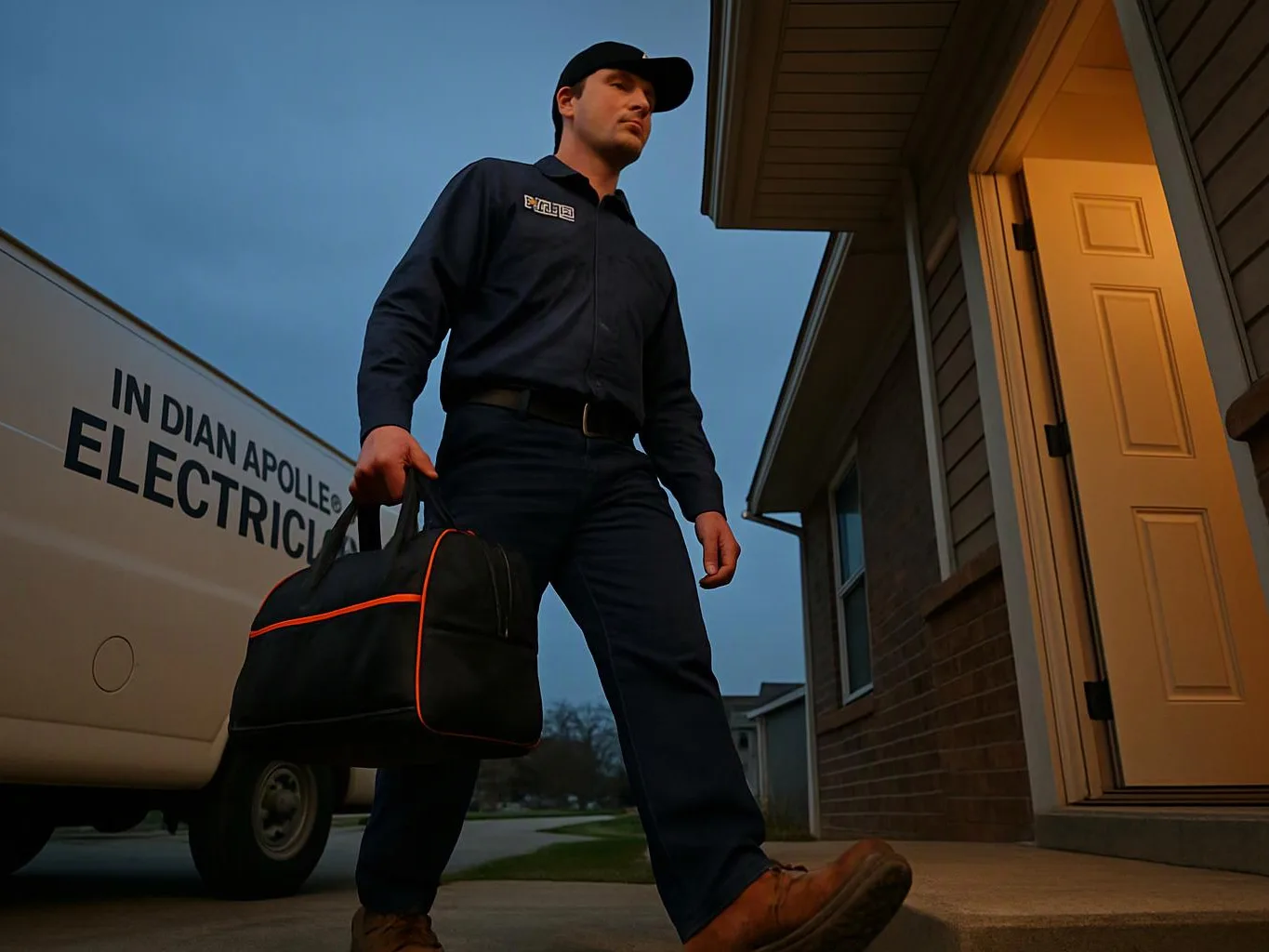
A man in a white hard hat stands beside a service van, holding a black case outside a brick building

Service Overview

Bidirectional charging system troubleshooting is a fault-finding service that checks how power moves between a vehicle, battery system, property, and grid.

  • Unlike basic EV charging repair, this work checks power flow in both directions and reviews transfer controls, inverter signals, and grid settings.
  • We provide this service for residential and commercial customers in Waterloo.
Process

Steps for tracing a power transfer fault

1

Confirm the transfer symptom

We identify whether the system will not charge, will not discharge, or will not transfer power to the property.

2

Check the control path

The inspection follows the transfer controls and connected circuits for an open signal, fault message, or unsafe condition.

3

Review inverter and battery signals

We read inverter status and check whether battery communication remains available.

4

Review grid operating settings

The settings check looks for an operating mode that blocks backup or power export.

5

Explain the repair scope

We discuss the finding, separate related electrical work, and provide a free estimate for the requested repair.

How we approach bidirectional charging faults

Start with the power path

The first check follows the route from the battery system through the inverter and transfer controls. GMB Electric is licensed and insured. This service is the wrong fit when the problem sits entirely with the utility grid or a failed vehicle component outside the property system.

Separate settings from failed parts

Grid settings and battery communication can stop power transfer without a damaged wire. We test those signals before the repair scope is set.

Explain the next repair

The inspection ends with a plain explanation of the fault path. You can request a free estimate for the work we identify.

What this charging fault check changes for you

You learn which part blocks power transfer before choosing a repair.

A fault trace separates control problems from wiring or service issues.

Testing can reduce guesswork around inverter alarms and battery links.

The findings help homeowners and business owners plan the right electrical work.

Waterloo customers receive a scope that fits the actual charging system problem.

What bidirectional charging troubleshooting includes

GMB Electric provides comprehensive Bidirectional charging system troubleshooting in Waterloo. Here's what you get:

  • We inspect the transfer control path and related electrical connections.
  • We check inverter fault messages and operating status.
  • We assess communication between the battery and charging equipment.
  • We review grid settings that control export and backup operation.
  • We test the system response after the fault source is identified.
  • We explain whether the next step is repair, adjustment, or separate electrical work.

Charging fault types and the next check

These common symptoms point to different parts of the bidirectional power path.

Observed problemMain area checkedCustomer decision
Battery charges but property receives no powerTransfer controls, inverter status, and grid settingsRequest a fault assessment before approving repair
Backup mode does not startBattery communication and transfer control signalsKeep the system out of service until the cause is checked
Power export remains disabledGrid settings and inverter operating statusConfirm whether adjustment or electrical repair is needed

The GMB Electric Standard

  • Careful Assessment
  • Clear Explanations
  • Safe Practices
  • Orderly Work Areas

Questions about bidirectional charging system faults

What does the crew look at first during troubleshooting?

The visible operating symptom guides the first check. We confirm whether the system charges, discharges, or changes modes before testing related controls. Warning messages, inverter status, battery links, and connected circuits then help narrow the fault. This order keeps the diagnosis focused on the part blocking power transfer.

What happens at each stage of the electrical fault check?

The inspection moves from the symptom to the control path, system signals, and repair scope.

  1. We confirm the failed power direction.
  2. We check transfer controls and connected circuits.
  3. We review inverter, battery, and grid signals.
  4. We explain the recommended repair or adjustment.

What should be checked before troubleshooting is scheduled?

The system display, fault message, and recent operating change should be recorded first. Photos of the equipment labels can also help identify the system layout. Do not open energized equipment or change grid settings yourself. Share the available details so we can plan the assessment around the reported symptom.

Which part can change the repair scope?

The failed component changes the repair scope most. A setting issue may need adjustment, while damaged wiring, inverter controls, or battery links can require electrical repair. Access to the equipment and the condition of connected circuits also matter. We explain those findings before repair work begins.

How does this differ from basic EV charging repair?

Bidirectional charging system troubleshooting checks power flow in both directions, while basic EV charging repair focuses on supplying power to the vehicle. We review backup operation, battery communication, inverter status, and grid settings when the property should receive power. That wider check helps separate charging faults from transfer faults.

When does a charging fault become an urgent electrical concern?

A burning smell, buzzing panel, sparking connection, or repeated breaker trip makes the issue urgent. Stop using the affected equipment and keep clear of damaged parts. We handle electrical emergencies 24 hours, then inspect the condition and explain the safest repair path.
Contact

Request a Free Estimate for Charging System Troubleshooting in Waterloo

Get a free estimate for bidirectional charging system troubleshooting in Waterloo, and urgent requests get priority scheduling.

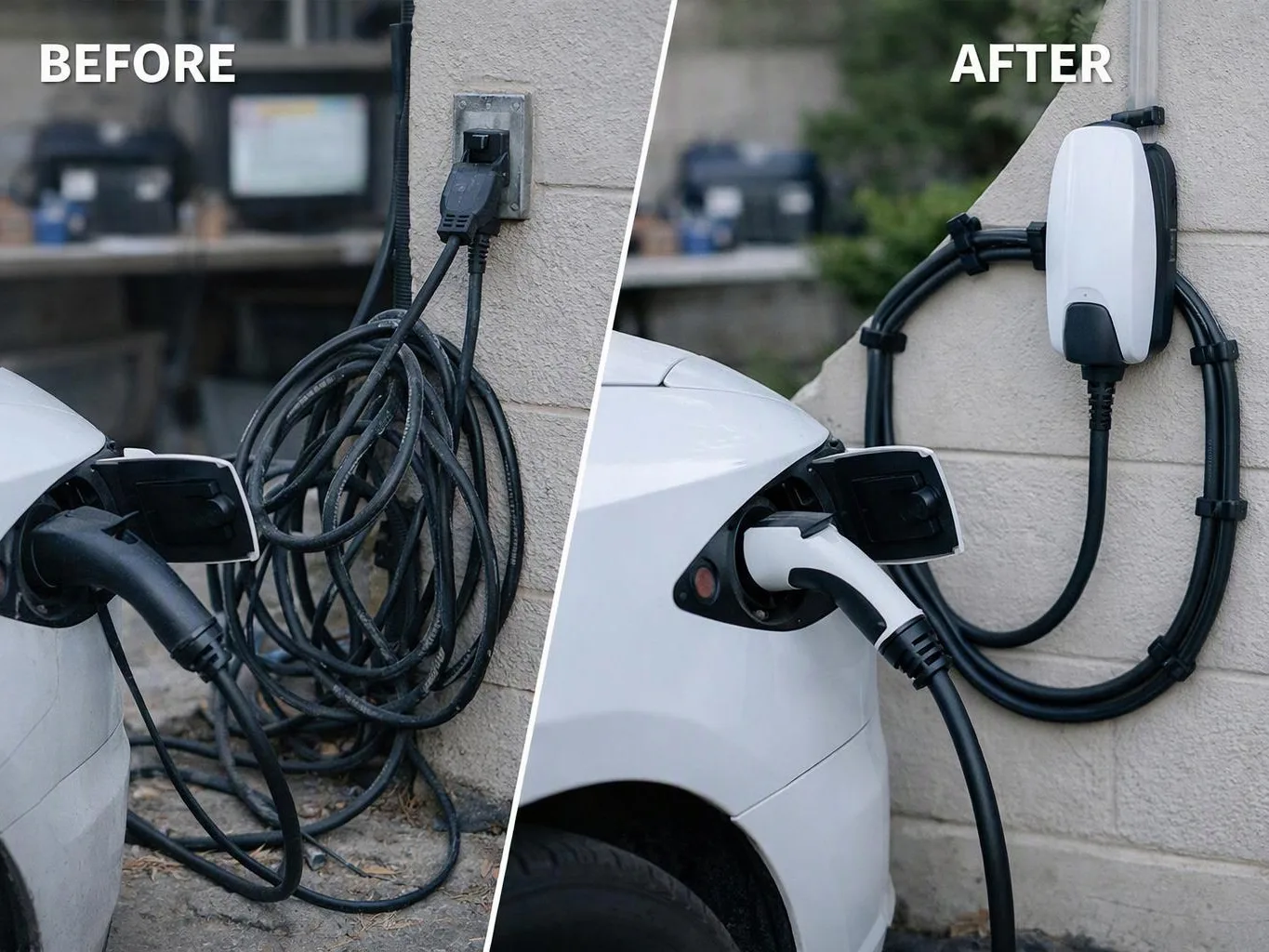
Split image shows a tangled car charging cable before and a neatly mounted wall charger after

Bidirectional charging system troubleshooting in Other Areas

(317) 608-1220