Skip to content

Bidirectional Charging System Troubleshooting in Whiteland, Indiana

Battery status checks guide bidirectional charging system troubleshooting in Whiteland. We trace faults through the charger, cable, and power path.

Licensed & InsuredFree EstimatesSame-Day ServiceServing 41 Communities

Quick Summary: Bidirectional Charging Troubleshooting in Whiteland, Indiana

Bidirectional charging system troubleshooting in Whiteland is provided by GMB Electric for homes and businesses across Indianapolis and nearby communities. The service covers battery status, diagnostic codes, power flow, and cable testing, with emergency availability 24 hours.

  • What we do: GMB Electric provides Bidirectional charging system troubleshooting for residential and commercial properties in Whiteland, Indiana.
  • What is included: Battery status checks, diagnostic code review, power flow testing, cable testing, and fault isolation.
  • What you get: The customer receives a tested fault path and a clear decision about repair, adjustment, or further electrical work.

Why does my bidirectional charger keep showing a fault?

A recurring fault often points to a battery status issue, a cable problem, or interrupted power flow. We check the displayed code, inspect connections, and test the charging path before recommending the next electrical step.
Working With Our Team in Whiteland

Bidirectional charging system troubleshooting focuses on the fault behind a failed charge, warning message, or interrupted power exchange. It fits homeowners, property managers, and business owners who need to know whether the issue sits in the battery, charger, cable, or building circuit.

The buyer's key decision is whether the fault needs electrical repair, equipment service, or a change in how the system is connected. We isolate the affected part and explain the next step in plain language. This page serves Whiteland through our broader Indianapolis-area residential and commercial coverage.

  • Record the warning message or diagnostic code before service.
  • Note whether the system fails while charging, discharging, or switching power direction.
  • Keep the charger, vehicle, battery equipment, and electrical panel accessible.
  • Share any recent electrical work or outlet and breaker changes.
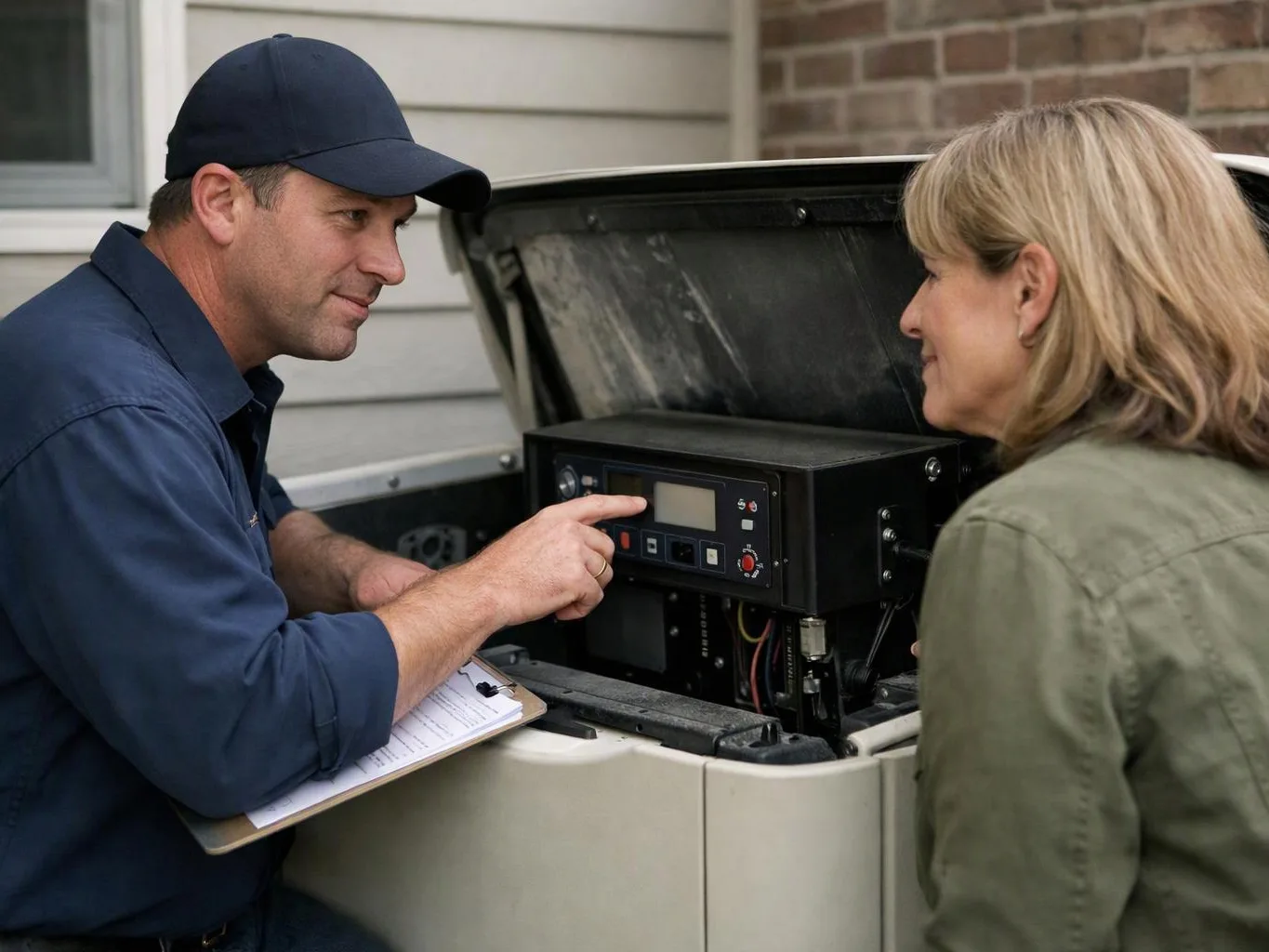
A man points at a control panel inside an open outdoor machine while talking to a woman

Service Overview

Bidirectional charging system troubleshooting is a diagnostic service that finds faults in equipment that sends power to and from a battery.

  • The work differs from a standard EV charging installation because it diagnoses an existing power exchange instead of setting up a new circuit.
  • GMB Electric provides this service in Whiteland for residential and commercial properties.

What This Charging Fault Check Helps You Decide

A fault path helps you avoid replacing parts before the failed section is known.

Power flow testing shows where charging stops or changes direction.

Cable testing can separate a connection problem from a deeper equipment fault.

Clear findings help you plan electrical work for a home or business property.

The service supports safer decisions before you resume charging or sending power back.

How We Approach Charging System Faults

A fault path before repair

Battery status and diagnostic code checks give us a starting point. We then test power flow and cable connections so the repair decision follows the evidence.

Electrical scope stays clear

Our licensed and insured electricians explain which part of the electrical system we can test and what may need equipment support. You receive Free Estimates Available before approved work begins.

When this service is the wrong job

A charger with an internal hardware failure may need the equipment maker's service process. We can identify that limit through testing, but we don't claim to repair sealed electronics.

A situation this service fits

A homeowner may see a charging fault after the system changes from drawing power to sending power back. We check the battery status, read the diagnostic code, test the cable, and trace the circuit before setting the repair scope. The property owner then knows whether the issue belongs to the electrical system or the charging equipment.

Process

How We Diagnose Bidirectional Charging Faults

1

Review the displayed fault

We record the warning message and diagnostic code, then ask when the system stops or changes power direction.

2

Check battery status

Battery status gives us the lead condition for the diagnostic path. We compare that status with the system's reported operating state.

3

Trace the power flow

We test where power enters, stops, or leaves the charger. The circuit, connections, and accessible equipment stay within the inspection scope.

4

Test the charging cable

We inspect cable ends and connectors, then test the cable path for a fault that could interrupt the exchange.

5

Explain the repair scope

We share the findings and explain whether the next step is electrical repair, equipment service, or more testing. Free Estimates Available applies when you request a quote.

What Bidirectional Charging Troubleshooting Includes

GMB Electric provides comprehensive Bidirectional charging system troubleshooting in Whiteland. Here's what you get:

  • We review the system's battery status and visible fault messages.
  • We read and assess diagnostic codes shown by the charging equipment.
  • We trace power flow through the charger, circuit, and connected equipment.
  • We inspect cable ends, connectors, and accessible wiring for damage or poor contact.
  • We test the affected path and isolate the likely source of the fault.
  • We explain whether the next step involves electrical repair, equipment service, or further testing.

Which Charging Fault Area Needs Attention?

These fault areas point to different next checks during a bidirectional charging assessment.

Fault areaWhat we checkWhat the finding helps decide
Battery statusDisplayed operating state and related warningWhether the fault begins at the battery or control stage
Diagnostic codesReported code and the condition seen during testingWhich part of the system needs closer inspection
Power flowWhere energy enters, stops, or changes directionWhether the building circuit or charging equipment needs attention
Cable testingCable ends, connectors, and accessible cable pathWhether a connection fault is disrupting the charge cycle

The GMB Electric Standard

  • Careful Assessment
  • Clear Explanations
  • Safe Practices
  • Orderly Work Areas

Questions About Charging System Fault Diagnosis

How can bidirectional charging system faults be diagnosed?

Battery status diagnosis starts the fault check, and GMB Electric compares it with diagnostic codes, power flow, and cable condition. We inspect the accessible charging path and isolate where the fault begins. The findings show whether the next step involves electrical repair, equipment service, or more testing.

What should be ready before troubleshooting starts?

Equipment access and the exact warning message should be ready before troubleshooting starts. Please keep the charger, connected vehicle or battery equipment, cable, and electrical panel accessible. A photo of the code and notes about when power stops can also help us begin the diagnosis.

Which property condition changes the testing time?

Restricted access to the charger, battery equipment, cable, or electrical panel changes the testing time. The fault path also takes more work when wiring is hidden or several circuits feed the equipment. We explain the added scope after checking the accessible parts.

What should I ask before approving charging system troubleshooting?

Ask which parts will be tested, what finding would support electrical repair, and what evidence points to equipment service. Our team explains the inspection scope before approved work begins. You should also ask whether the cable, charger, panel, and connected battery equipment are included in the assessment.

Why does the charger show a code after a cable change?

A cable change can expose a connector fault, compatibility issue, or separate power path problem. We compare the new cable's condition with the displayed code and test the accessible connection. The code alone doesn't prove that the cable caused the fault.

Can an electrical fault affect bidirectional power flow?

Yes, an electrical fault can stop power flow even when the charger displays a normal status. We check the circuit, connections, and accessible panel equipment before assigning the cause. The result helps separate a building-side issue from a charger or battery-side issue.

When should a charging fault be treated as urgent?

A burning smell, buzzing panel, sparking connection, or warm outlet makes the fault urgent. Stop using the affected equipment if it is safe to do so, and keep people away from the area. We handle emergency electrical concerns 24 hours.
Contact

Request a Bidirectional Charging Troubleshooting Quote in Whiteland

Get a clear fault assessment for your charging system, and urgent requests get priority scheduling.

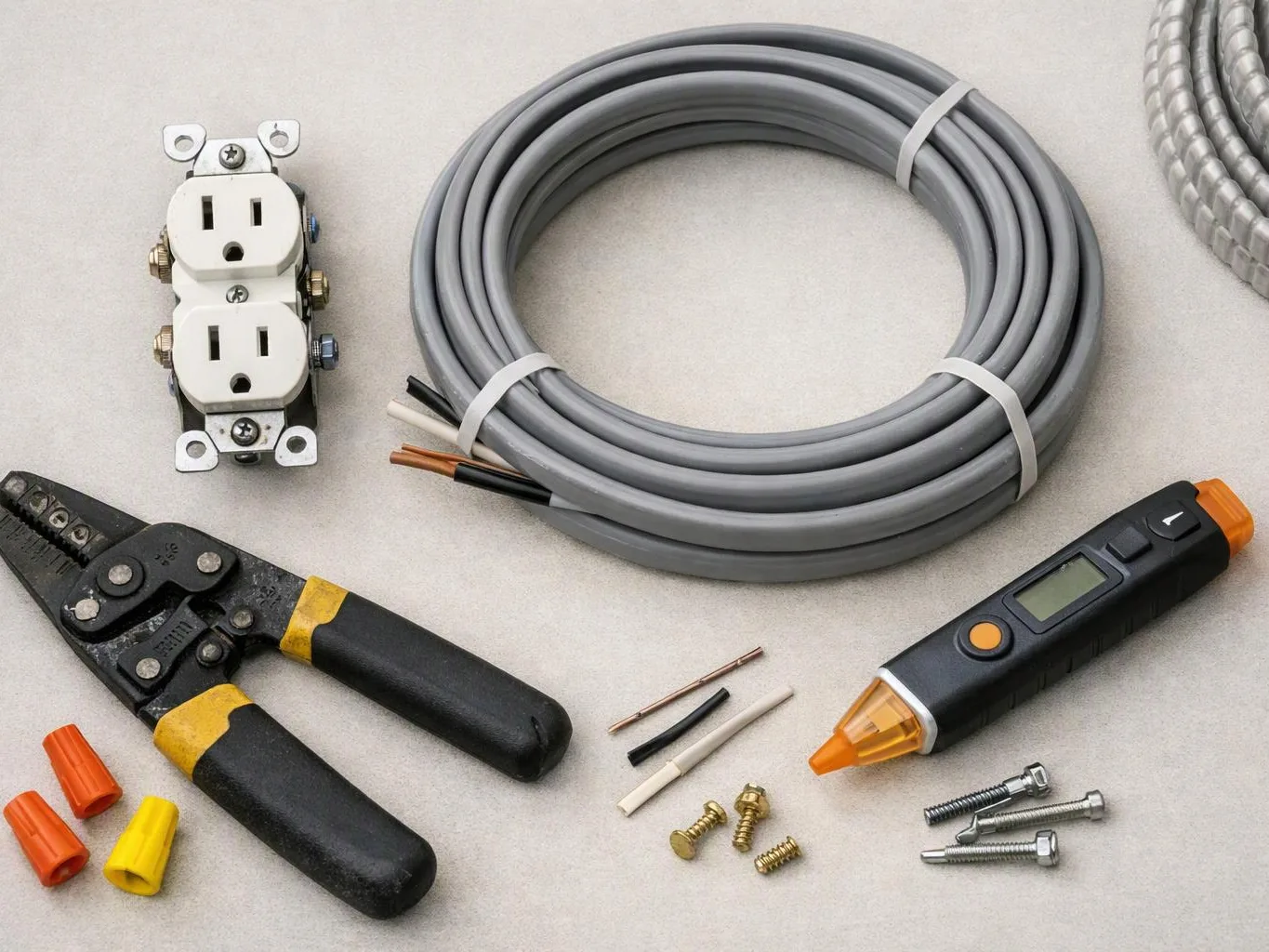
Electrical tools and wiring parts are laid out on a light tabletop, including an outlet, cable, wire stripper, tester

ZIP Codes We Serve in Whiteland, Indiana

46184

Bidirectional charging system troubleshooting in Other Areas

(317) 608-1220