Skip to content

Bidirectional Charging System Troubleshooting in Trafalgar, Indiana

Cable testing in Trafalgar helps show whether a cable needs replacement or adjustment. We trace faults before checking power flow and battery status.

Licensed & InsuredFree EstimatesSame-Day ServiceServing 41 Communities

Quick Summary: Bidirectional Charging System Troubleshooting in Trafalgar, Indiana

Bidirectional charging system troubleshooting in Trafalgar is provided by GMB Electric for cable faults, diagnostic codes, power flow, and battery status. We serve Indianapolis and surrounding communities, with electricians available 24 hours for emergencies.

  • What we do: GMB Electric provides Bidirectional charging system troubleshooting for properties in Trafalgar, Indiana, including cable checks, fault review, and power flow testing.
  • What is included: We inspect charging cables, read diagnostic codes, check battery status, and trace interrupted power flow.
  • What you get: The customer receives a clear diagnosis of the charging fault and a practical decision about repair, adjustment, or replacement.

How can bidirectional charging system faults be diagnosed?

Cable testing identifies whether a damaged, loose, or poorly seated cable is causing the fault. Diagnostic codes, power flow, and battery status then help confirm the source.
Bidirectional Charging System Troubleshooting for Trafalgar Properties

Bidirectional charging system troubleshooting focuses on the fault behind failed charging or power transfer. The job suits homeowners, landlords, and business owners who see warning codes, interrupted charging, or a system that will not pass power as expected.

The key decision is whether the fault sits in the cable, the charging equipment, the vehicle connection, or the battery system. We test each relevant point and explain when the next step is an adjustment, repair, or replacement.

This page serves buyers who already have bidirectional charging equipment and need diagnosis. It does not replace a new EV charging installation when no existing system is present.

  • Check whether the charging cable is seated correctly and shows visible damage.
  • Record any diagnostic code shown by the charging equipment or vehicle.
  • Confirm whether power reaches the charging system during testing.
  • Review battery status before deciding on equipment repair or replacement.
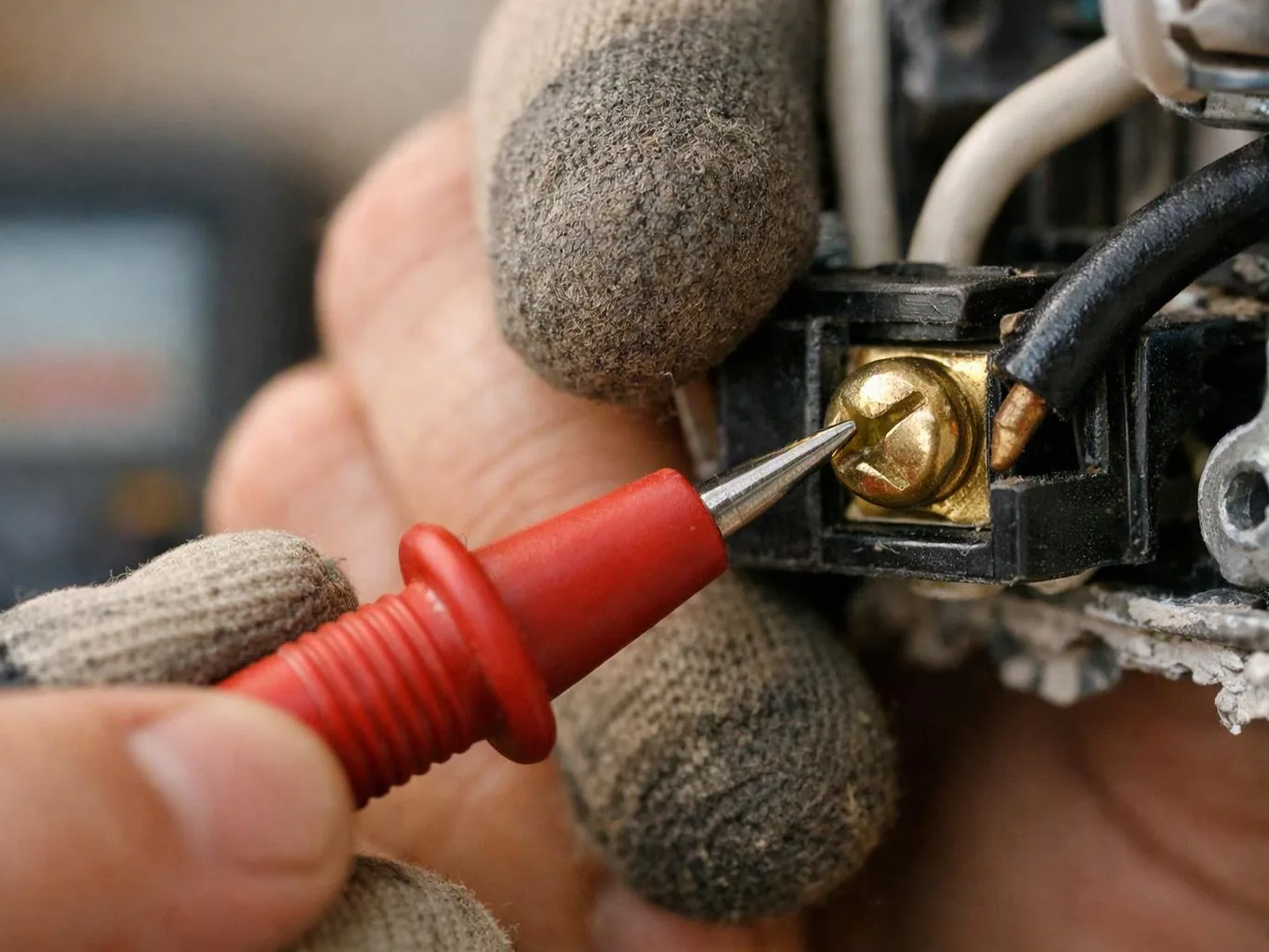
Gloved hands test a brass electrical terminal with a red probe on a wire connection

Service Overview

Bidirectional charging system troubleshooting is a diagnostic service that finds why power cannot move correctly between charging equipment, a vehicle, and a property.

  • This work differs from a standard EV charging installation because it investigates an existing fault instead of setting up a new charging circuit.
  • GMB Electric provides this service for customers in Trafalgar and surrounding communities.

What Bidirectional Charging Troubleshooting Includes

GMB Electric provides comprehensive Bidirectional charging system troubleshooting in Trafalgar. Here's what you get:

  • We inspect the cable path, plugs, connection points, and visible signs of wear.
  • We review available diagnostic codes and match them to the fault symptoms.
  • We test power flow through the relevant charging connections.
  • We check battery status as part of the fault review.
  • We explain whether the next step involves adjustment, repair, or replacement.
  • We provide an estimate for the work after the service scope is clear.
Process

How We Trace A Bidirectional Charging Fault

1

Record the charging symptom

We note the warning message, failed transfer direction, and conditions present when the fault occurs.

2

Inspect the cable connection

We check the cable, plugs, terminals, and visible connection points for damage, looseness, or poor contact.

3

Review diagnostic codes

We read available fault codes and compare them with the reported charging behavior.

4

Test power flow

We test the relevant electrical path to identify where power transfer stops.

5

Check battery status

We review battery status as part of the diagnosis and explain any limit to the electrical repair scope.

6

Set the repair direction

We explain whether the next step involves adjustment, cable replacement, electrical repair, or further equipment service.

What You Get From This Charging System Diagnosis

A defined repair decision

The diagnosis connects the symptom to a tested part or function. Cable testing may lead to adjustment or replacement, while a battery fault may need a different service path.

Electrical work within our scope

We handle related electrical repairs, inspections, panel work, and EV charging services for residential and commercial properties.

Licensed and insured electricians

GMB Electric sends licensed and insured electricians for electrical service work. The right appointment depends on the fault and access to the charging equipment.

A situation this service fits

A homeowner may see a charging session stop after a warning appears on the vehicle or charger. We check the cable connection first, then compare diagnostic codes with power flow and battery status. If the fault points to a separate vehicle system, we explain that boundary before electrical repair work begins.

What This Charging Fault Check Helps You Decide

A focused diagnosis helps separate a cable problem from a larger charging system fault.

Testing reduces guesswork before parts or electrical work are selected.

Code review gives you a clearer explanation of warning messages.

Power flow checks show where charging stops during the transfer cycle.

Battery status review helps prevent a cable fault from being mistaken for a battery issue.

Charging Fault Areas We Compare During Diagnosis

These checks compare the main fault areas without assuming that one part caused the problem.

Fault areaWhat we checkWhat the result helps decide
Cable connectionCable condition, plugs, terminals, and contactAdjustment, cable repair, or cable replacement
Charging equipmentDiagnostic codes and power transfer behaviorEquipment repair or further system service
Battery statusBattery condition shown during the faultElectrical repair scope or separate vehicle-system service

The GMB Electric Standard

  • Careful Assessment
  • Clear Explanations
  • Safe Practices
  • Orderly Work Areas

Questions About Bidirectional Charging Fault Diagnosis

How can cable testing show whether the charging fault is electrical?

Cable testing shows whether the cable and its connections carry power correctly. GMB Electric checks the cable path, plugs, and connection points before reviewing diagnostic codes. Power flow results help separate a cable fault from an issue in the charging equipment or vehicle system. Visible damage, heat, or a loose connection can change the repair direction.

What part of the property decides the troubleshooting scope?

The existing charging equipment and its electrical connection decide most of the troubleshooting scope. Panel capacity, circuit access, disconnects, and the cable path all affect the checks we perform. We inspect the connected electrical equipment and explain when a panel or circuit repair falls outside the charging fault itself.

Which material changes how cable testing is handled?

The cable jacket, plug condition, and connection materials affect how cable testing is handled. Damaged insulation, worn contacts, or corrosion can change the safety decision. We inspect these parts before testing power flow, and we recommend replacement when the cable cannot support safe operation.

Why does the system show a code after charging stops?

A diagnostic code appears when the system records a condition that interrupts charging or power transfer. The code alone does not identify every failed part. We compare the code with cable condition, power flow, and battery status to locate the fault.

When does this service fit an existing property setup?

This service fits a property with installed bidirectional charging equipment and a fault during charging or power transfer. We diagnose the existing setup, connection, and electrical path. A new installation needs a separate installation assessment and scope.

Which safety sign means charging should stop?

A burning smell, visible cable damage, or a hot connection means charging should stop. We inspect the affected connection and isolate the fault before testing. Do not keep resetting equipment when heat or burning odor is present.

How does the estimate reflect the charging fault?

The estimate reflects the tested fault, access requirements, parts, and related electrical work. GMB Electric provides free estimates after the scope is reviewed. The estimate does not assume that a cable, charger, or battery part needs replacement before testing.
Contact

Get A Free Estimate For Charging System Troubleshooting

Request a free estimate for bidirectional charging system troubleshooting in Trafalgar, and urgent requests get priority scheduling.

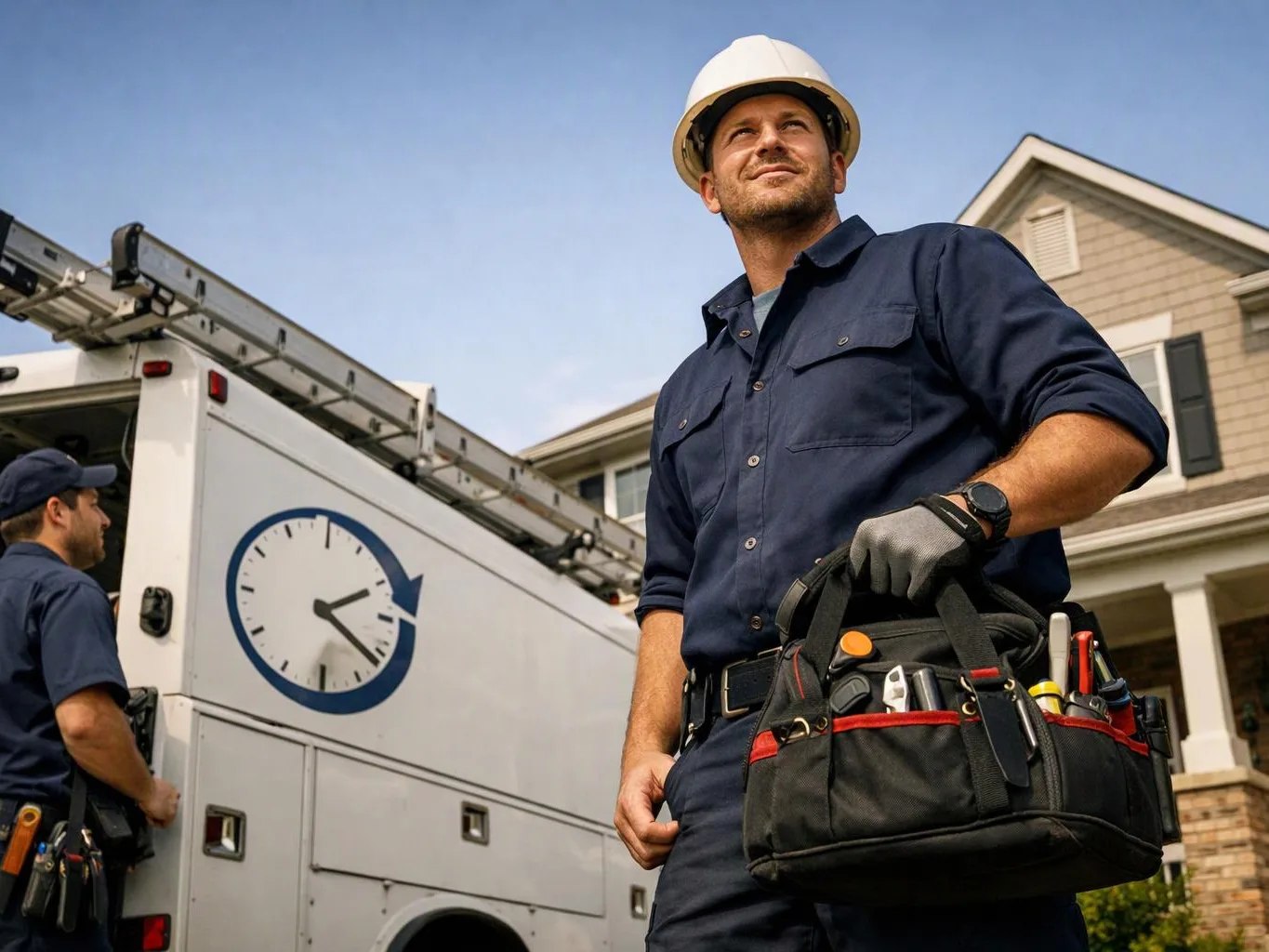
A hard hat worker carries a tool bag beside a service truck in front of a house

ZIP Codes We Serve in Trafalgar, Indiana

46181

Bidirectional charging system troubleshooting in Other Areas

(317) 608-1220