Skip to content

Bidirectional Charging System Troubleshooting in Rocky Ripple, Indiana

A loose or damaged Charging connector can stop power flow in Rocky Ripple. We trace the fault and check the connected charging equipment.

Licensed & InsuredFree EstimatesSame-Day ServiceServing 41 Communities

Quick Summary: Bidirectional charging troubleshooting in Rocky Ripple, Indiana

Bidirectional charging system troubleshooting in Rocky Ripple is provided by GMB Electric for charging faults, connector issues, and related electrical checks. Our team serves residential and commercial properties, with phone support available 24 hours for emergencies.

  • What we do: GMB Electric provides Bidirectional charging system troubleshooting for properties in Rocky Ripple, Indiana.
  • What is included: We check charging connectors, bidirectional inverters, energy management controls, backup panels, wiring, and power flow.
  • What you get: The charging system has a documented fault path and a clear repair decision.

Why does my charging connector keep showing a fault during bidirectional charging?

A charging connector fault can come from damage, poor contact, wiring trouble, or a control issue. We inspect the connector first, then test related circuits and controls.
Bidirectional charging troubleshooting for Rocky Ripple properties

Bidirectional charging system troubleshooting focuses on the equipment that controls power in both directions. The job suits property owners who see connector warnings, failed charging cycles, lost backup power, or unusual system behavior.

The key decision is whether the fault sits in the charging connector, wiring, bidirectional inverter, energy management controls, or backup panel. We test each related part and explain whether the next step is a repair, adjustment, or further electrical work.

This page serves Rocky Ripple buyers who need a focused diagnosis of an installed bidirectional charging setup. It does not replace a full panel upgrade, whole-home rewiring project, or new EV charging installation when those services are the actual need.

  • Record the warning message or fault code before service begins.
  • Note whether charging stops, reverses direction, or fails to start.
  • Keep the vehicle, charging equipment, and electrical panel accessible.
  • Tell us whether backup loads also lose power.
  • Share any recent electrical work or equipment changes.
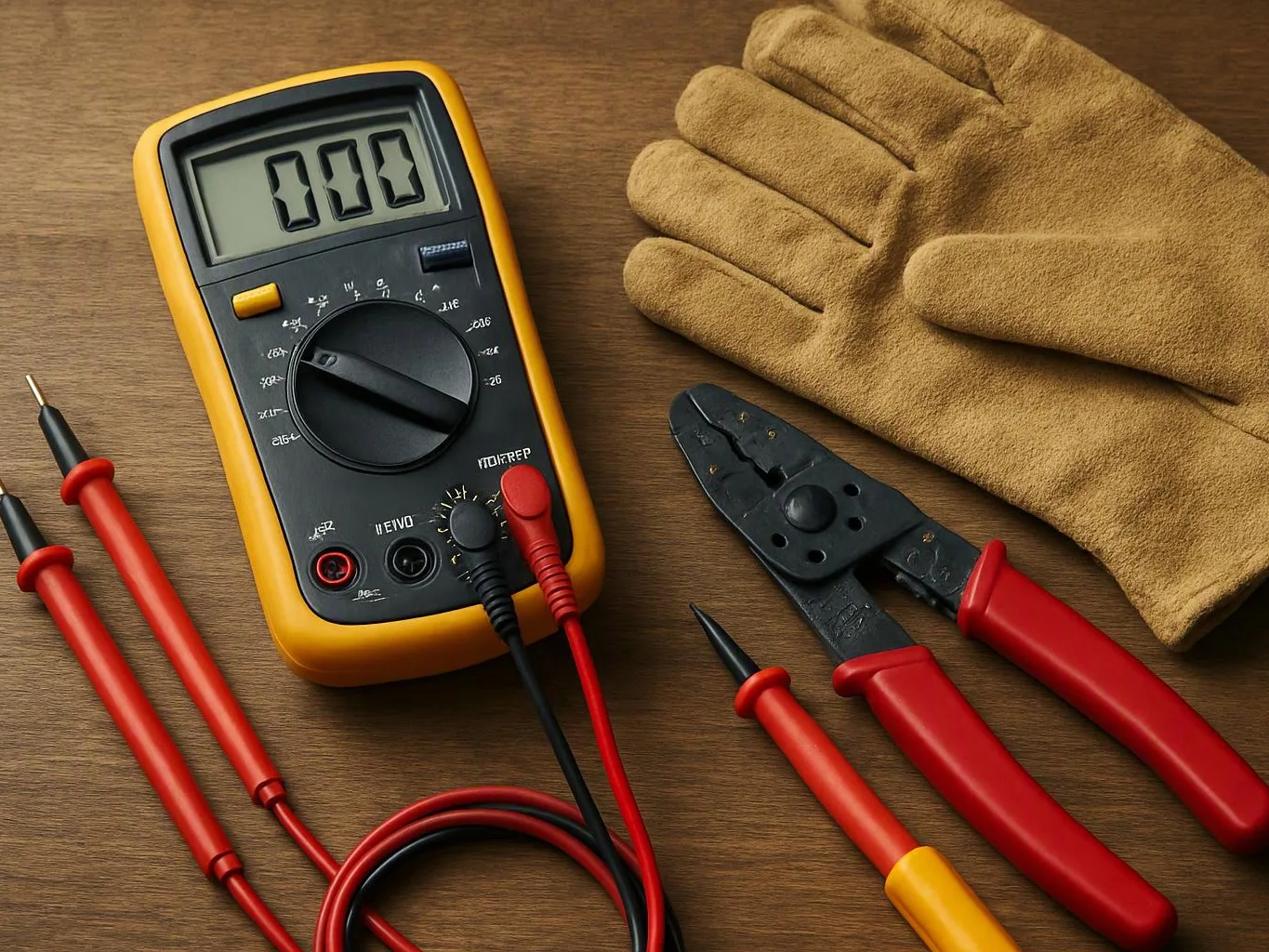
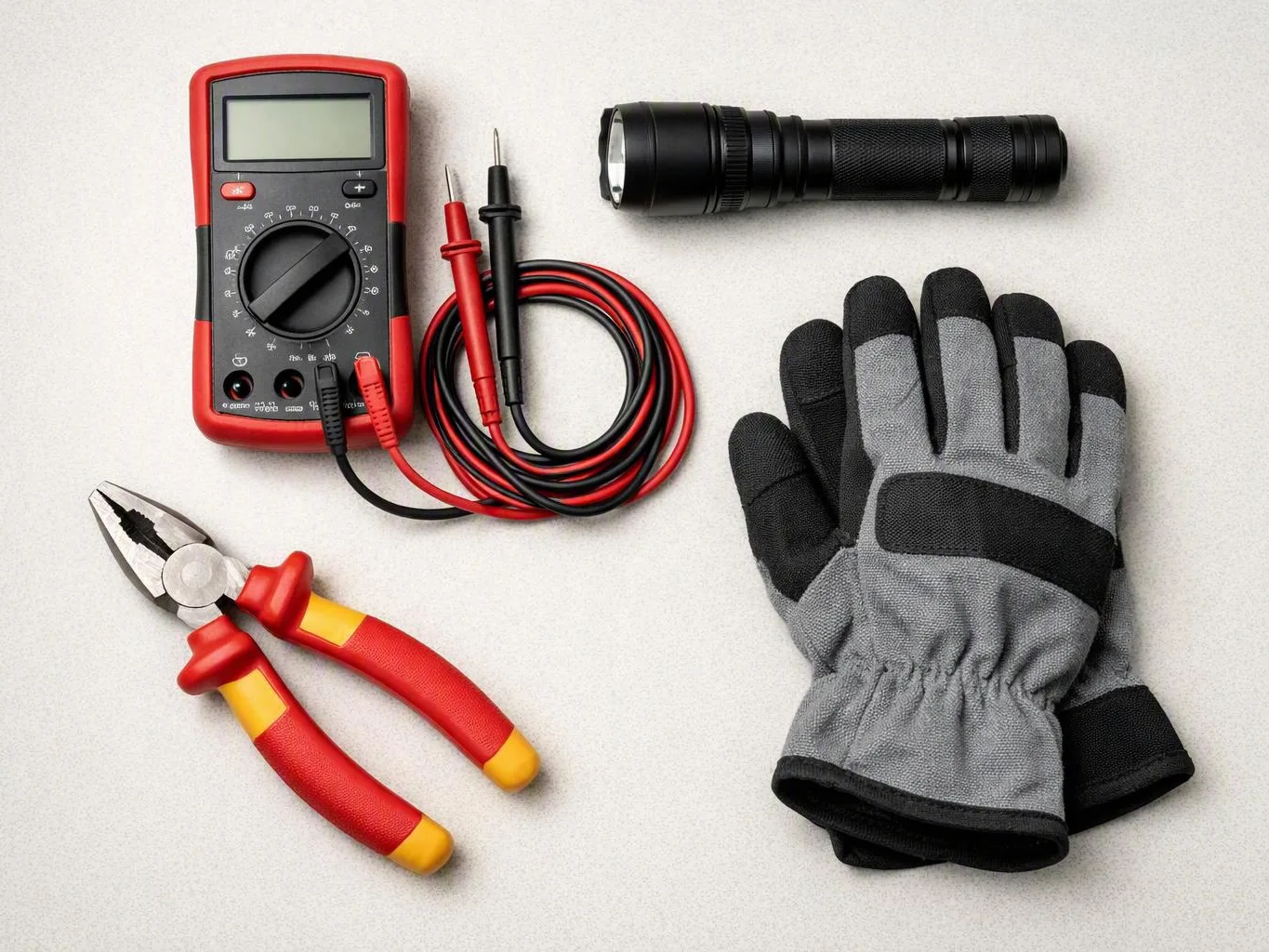
Electrician tools laid out on a white surface, including a multimeter, test leads, flashlight, pliers, and work gloves

Service Overview

Bidirectional charging system troubleshooting is a service that finds faults stopping power from moving safely between charging equipment, a vehicle, and connected loads.

  • The work differs from standard EV charging installation because we diagnose an existing power flow problem instead of setting up new equipment.
  • GMB Electric provides this troubleshooting service for residential and commercial properties in Rocky Ripple.

What bidirectional charging troubleshooting includes

GMB Electric provides comprehensive Bidirectional charging system troubleshooting in Rocky Ripple. Here's what you get:

  • We inspect the charging connector, cable path, and connection point for visible damage or poor contact.
  • We test related wiring and protective devices for continuity, grounding, and safe power flow.
  • We check the bidirectional inverter for fault indications and abnormal operation.
  • We review energy management controls that direct power between the vehicle, property, and grid.
  • We examine the backup panel when stored power does not reach selected loads.
  • We explain the finding and identify the next repair or electrical service step.

What this charging diagnosis helps you decide

A focused diagnosis separates connector trouble from inverter or control faults.

Testing helps protect the property from continued operation with an unresolved electrical fault.

A documented fault path gives you a clearer repair decision.

The inspection can show when the issue needs a larger panel, wiring, or service upgrade.

You get practical guidance before approving work beyond the original troubleshooting request.

What you get from focused charging fault checks

A defined repair decision

The inspection links the symptom to a part, circuit, or control path. We explain the finding before discussing further work.

Testing beyond the warning light

A warning message is only one clue. Circuit tracing, grounding checks, and power-flow tests help show where the fault begins.

A clear limit on the service

Troubleshooting is the wrong first job when the property needs a new charging installation, panel upgrade, or whole-home rewiring.

Process

How we trace a bidirectional charging fault

1

Record the charging symptom

We review warning messages, failed cycles, power loss, and the point where operation stops.

2

Inspect the connection path

We examine the connector, cable path, wiring, and visible signs of heat, damage, or poor contact.

3

Test related electrical circuits

We use circuit tracing, continuity checks, and grounding tests to follow the fault through connected equipment.

4

Check inverter and controls

The bidirectional inverter and energy management controls receive focused checks when the connection passes inspection.

5

Review backup power routing

We check the backup panel when selected loads do not receive stored power.

6

Explain the next service step

We describe the finding and explain whether the next step involves repair, adjustment, or another electrical service.

Which charging fault needs attention

These symptoms point toward different inspection areas, so the first test should match the observed problem.

Observed symptomMain inspection focusCustomer decision
Charging connector warningConnector, cable path, and connection pointRequest focused charging fault checks
Vehicle charges but backup loads stay offBidirectional inverter, energy management, and backup panelRequest power-flow and backup circuit testing
Breaker trips during system useCircuit load, protection, wiring, and panel connectionsStop affected use and request electrical diagnosis

The GMB Electric Standard

  • Careful Assessment
  • Clear Explanations
  • Safe Practices
  • Orderly Work Areas

Questions about charging system fault diagnosis

What equipment is checked during bidirectional charging troubleshooting?

GMB Electric checks the charging connector, wiring, bidirectional inverter, energy management controls, and backup panel.

  • The connector and cable path are inspected first.
  • Related circuits receive continuity and grounding checks.
  • The inverter and controls are tested when the fault points beyond the connection.

The exact equipment checked depends on the warning and system behavior.

How is the charging system matched to my property before work starts?

Property matching starts with the connected loads, electrical panel, charging equipment, and backup goals. We review access, wiring paths, panel capacity, and the equipment involved. A load calculation may be needed when the existing electrical service cannot support the planned operation. We explain that need before expanding the work.

What should be ready before troubleshooting begins?

The vehicle, charging equipment, electrical panel, and warning details should be accessible. Save fault messages and note when the failure occurs. Keep the backup loads identified if stored power is part of the concern. Do not remove covers or handle exposed wiring before we inspect the system.

Which part of the job changes the estimate?

The fault location changes the estimate most. A connector check differs from testing an inverter, tracing concealed wiring, or correcting a backup panel connection. Access, added circuit work, and the need for a panel upgrade also affect the scope. We provide a free estimate after reviewing the required work.

When should a charging fault become an urgent electrical call?

A burning smell, buzzing panel, sparking connection, or repeated breaker trip makes the issue urgent. Stop using the affected equipment if it is safe to do so, and keep people away from damaged parts. We handle urgent electrical concerns and are available 24 hours for emergencies.

Why does backup power fail while charging still appears active?

Backup power can fail when the inverter, energy controls, backup panel, or load connection does not route power correctly. We test the path between those points and check whether selected circuits receive power. A charging indicator alone does not confirm that the backup panel is supplying the intended loads.
Contact

Request a bidirectional charging troubleshooting estimate in Rocky Ripple

Get a clear estimate for the charging fault, and urgent requests get priority scheduling.

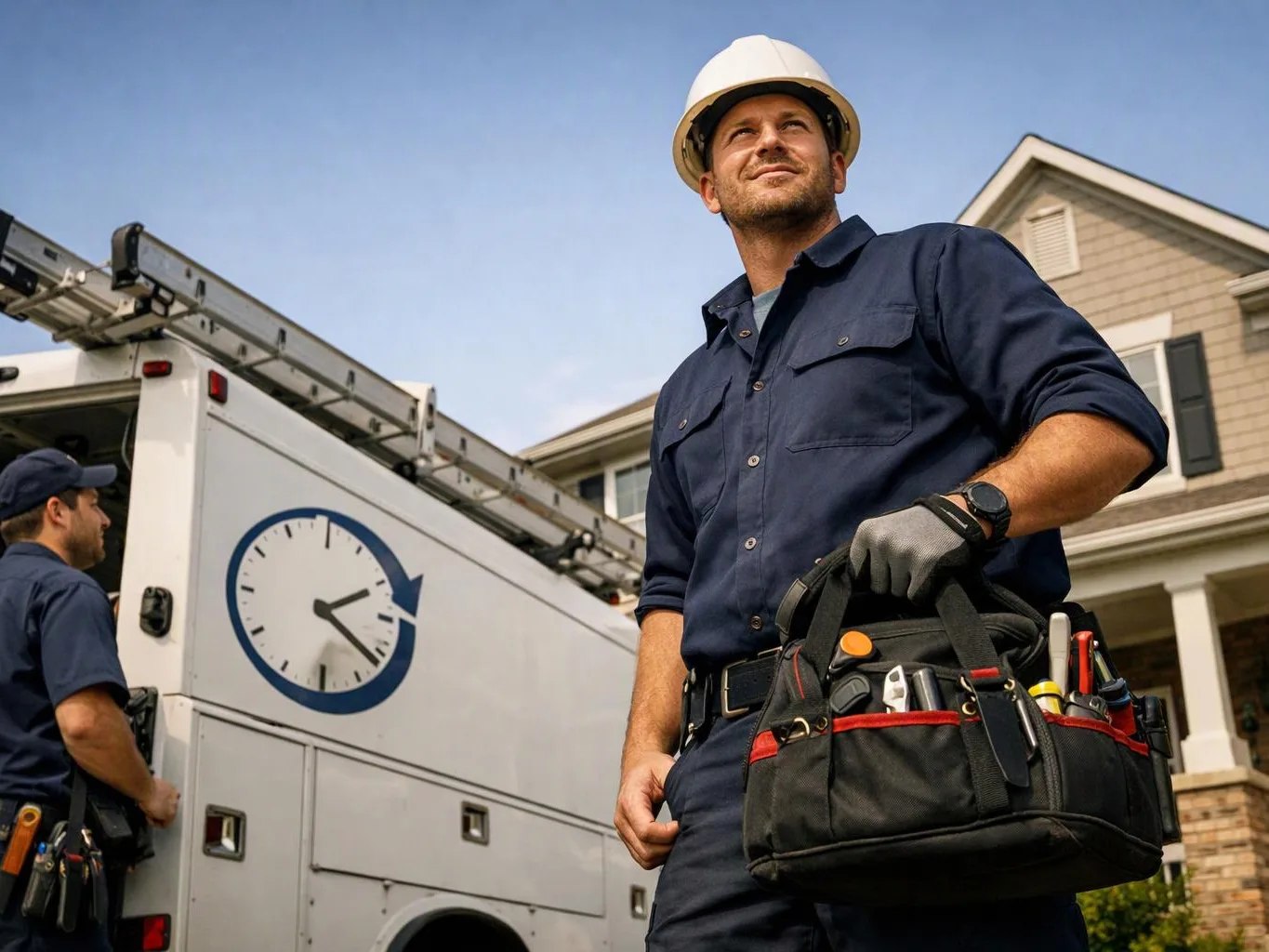
A hard hat worker carries a tool bag beside a service truck in front of a house

Bidirectional charging system troubleshooting in Other Areas

(317) 608-1220