Skip to content

Bidirectional Charging System Troubleshooting in Fishers, Indiana

Safe power flow starts with a controlled check in Fishers. We trace faults through diagnostic codes, cables, and battery status.

Licensed & InsuredFree EstimatesSame-Day ServiceServing 41 Communities

Quick Summary: Bidirectional charging system troubleshooting in Fishers, Indiana

Every engagement in Fishers begins with a clear assessment of your goals and requirements.

  • What we do: GMB Electric provides Bidirectional charging system troubleshooting for residential and commercial properties in Fishers, Indiana.
  • What is included: fault isolation, diagnostic code checks, cable testing, battery status checks, and electrical safety review.
  • What you get: The customer receives a clear fault finding, a safe repair scope, or a decision about further electrical work.

Why does my bidirectional charging system keep showing a fault?

A recurring fault can come from power flow controls, cable faults, or battery status signals. GMB Electric checks each part and identifies the condition that needs repair.
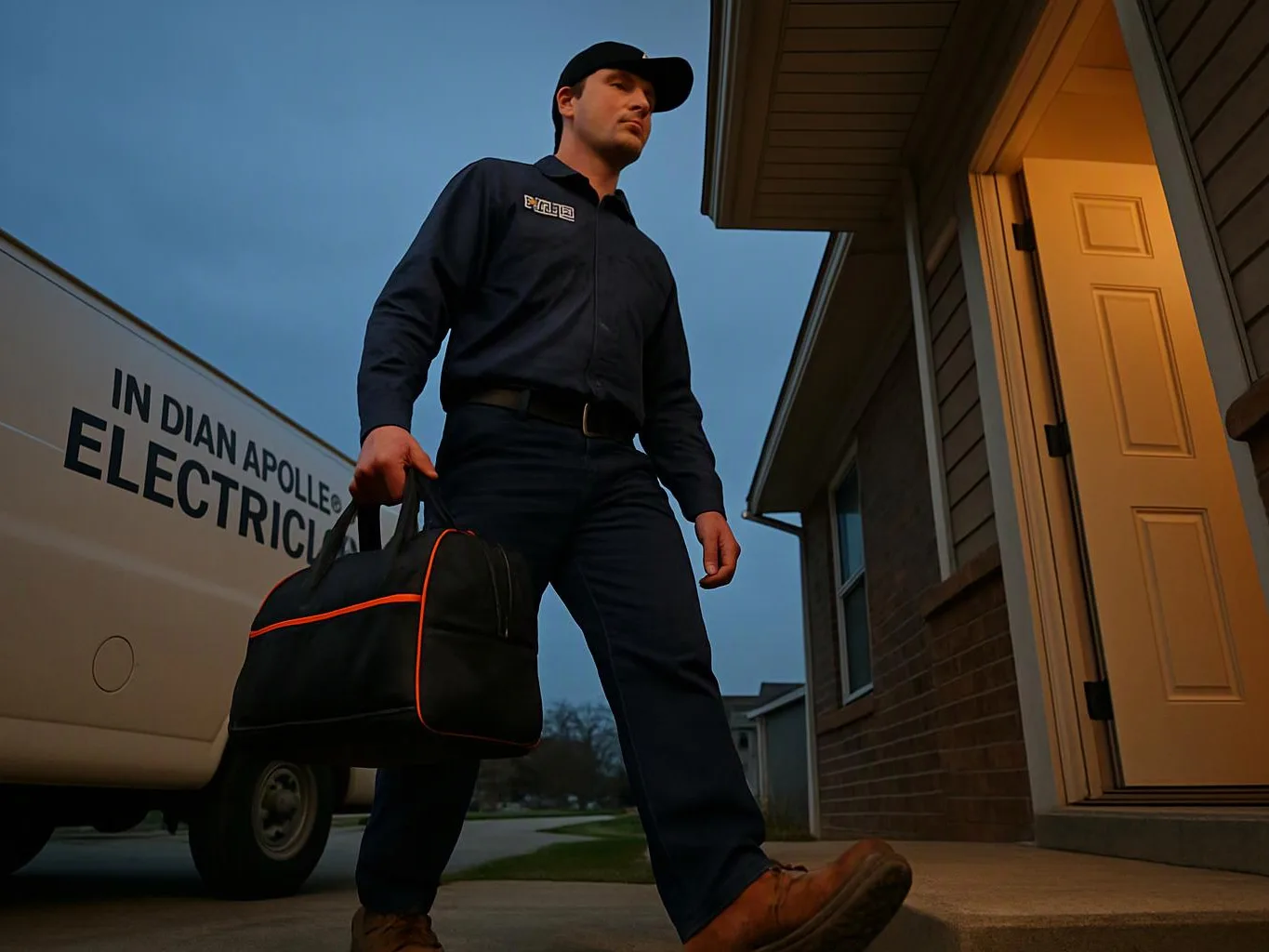
Bidirectional charging system troubleshooting for Fishers properties

Bidirectional charging system troubleshooting helps property owners understand why a vehicle, charger, or control system stops working as expected. The job focuses on the fault path, not a general panel inspection.

A warning code might point to a cable, control setting, battery signal, or supply circuit. We inspect the related parts, test the wiring, and explain whether the system needs repair, adjustment, or a different electrical service.

The key buyer decision is simple: should the existing system be repaired, or does another issue need attention first? This service fits customers who already have a bidirectional charging setup and need a clear diagnosis.

  • Check the displayed fault or warning code before testing.
  • Confirm cable condition and connection points.
  • Review battery status and charging behavior.
  • Separate charger faults from panel or supply faults.
  • Document the repair scope before work begins.
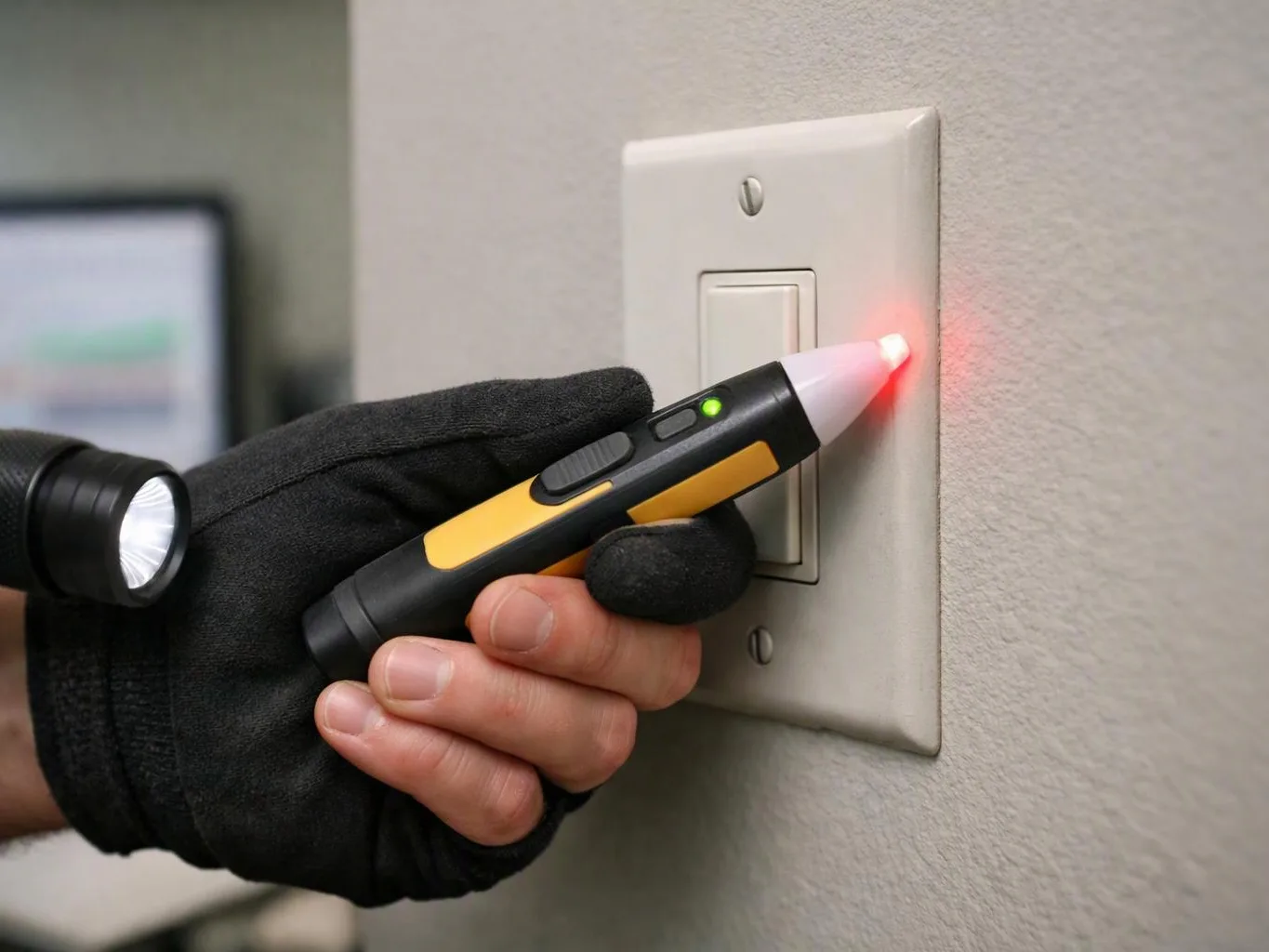
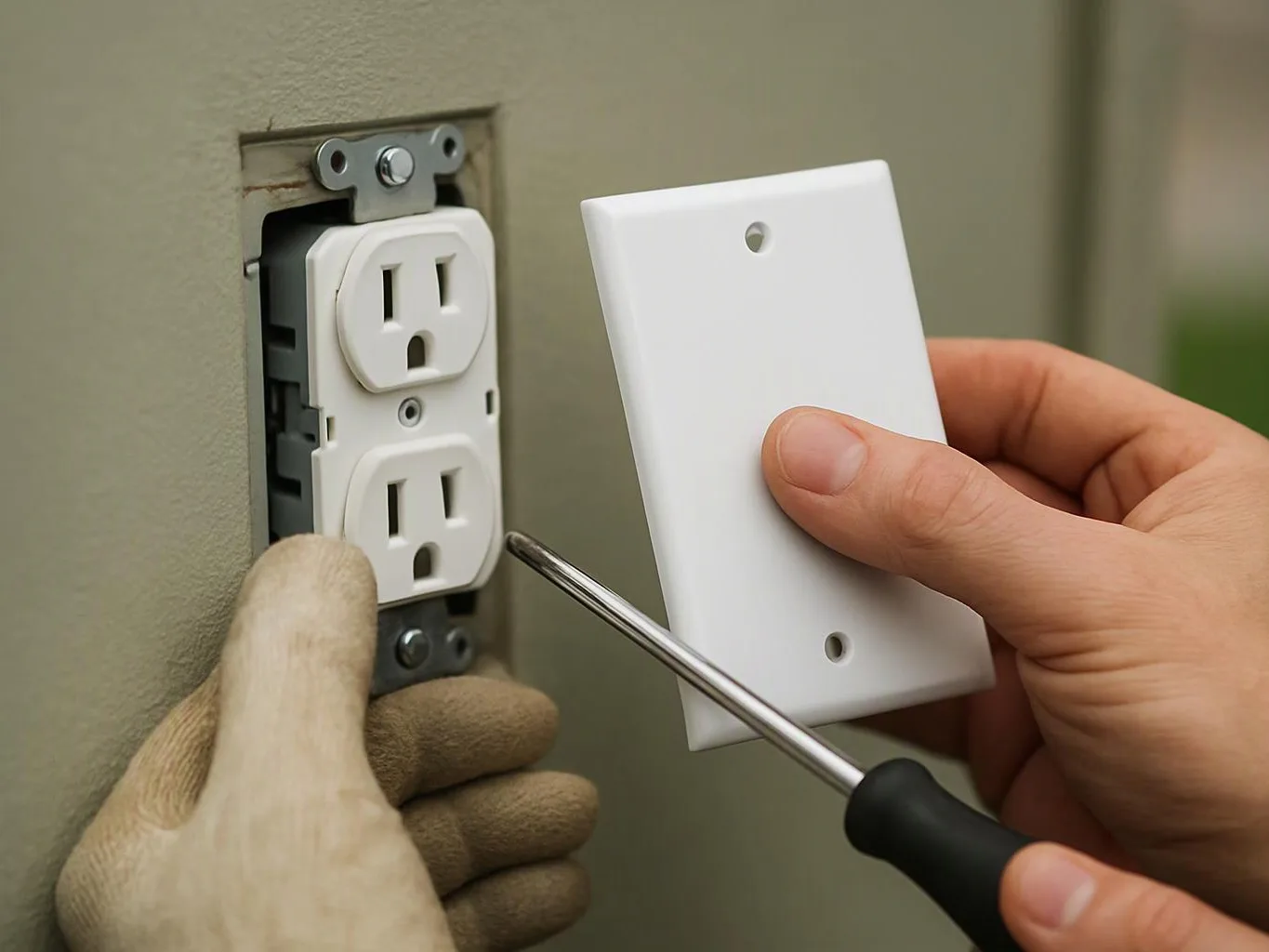
Gloved hands and a screwdriver install a white outlet cover on a wall socket

Service Overview

Bidirectional charging system troubleshooting is an electrical service that finds faults in systems designed to move power in both directions.

  • It differs from standard EV charging installation because the work focuses on fault diagnosis, testing, and repair decisions.
  • GMB Electric provides this service for homes and businesses in Fishers.

What bidirectional charging system troubleshooting includes

GMB Electric provides comprehensive Bidirectional charging system troubleshooting in Fishers. Here's what you get:

  • We inspect the charger, connection points, and related electrical circuits.
  • We check diagnostic codes and match them with observed system behavior.
  • We test charging cables for visible damage and connection faults.
  • We review battery status signals that affect charging or power transfer.
  • We trace the supply circuit when the fault may involve the property wiring.
  • We explain the findings and outline the next electrical step.

What customers get from this charging diagnosis

A focused fault path

The inspection follows the reported symptom through codes, cables, battery signals, and the supply circuit. This service is the wrong fit when no bidirectional charging equipment is involved and the issue is only a general outlet or panel repair.

Electrical safety checks

We isolate unsafe conditions before testing and look for damage at connection points. Our licensed and insured electricians explain what they find in plain language.

A defined next step

The final discussion covers repair scope, related electrical work, or further equipment review. Free estimates are available when the work requires a quoted repair.

Process

How we trace a bidirectional charging fault

1

Record the reported symptom

We note the warning message, charging behavior, recent changes, and any visible damage before testing begins.

2

Isolate the electrical system

We apply safe isolation steps and inspect the charger, cable, connections, and supply circuit.

3

Check codes and cable condition

We compare diagnostic codes with cable findings and system behavior to narrow the fault path.

4

Review battery signals

We check battery status information when it affects charging or power transfer.

5

Explain the repair scope

We describe the finding and identify whether the next step involves repair, electrical service, or equipment review.

What this charging fault check helps you decide

You get a clearer reason for repeated charging faults.

The inspection separates equipment concerns from property wiring concerns.

Testing helps define the repair scope before further electrical work.

A documented diagnosis gives you useful information for future service.

Emergency availability helps property owners address unsafe electrical symptoms without waiting for regular business hours.

Charging fault types and the first check

These categories show how the reported symptom guides the first diagnostic step.

Reported conditionFirst diagnostic focusLikely service direction
Displayed diagnostic codeCode review and system behaviorTargeted fault diagnosis
Damaged or loose cableCable and connection testingCable or electrical repair scope
Battery status warningBattery signal and charging responseEquipment or electrical follow-up

The GMB Electric Standard

  • Careful Assessment
  • Clear Explanations
  • Safe Practices
  • Orderly Work Areas

Questions about charging system fault diagnosis

How can bidirectional charging system faults be diagnosed?

Power flow faults are diagnosed by GMB Electric through safe isolation, code checks, cable testing, and battery status review. We compare the reported symptom with the electrical readings and connection condition. That process helps separate a charger fault from a supply circuit problem. We then explain the repair scope or identify the next service needed.

What should be checked before troubleshooting is scheduled?

The warning code, cable condition, recent system changes, and visible damage should be recorded first. Do not open equipment or test live wiring yourself. Share the code and describe when the fault appears. Those details help us prepare for a focused electrical assessment.

Who is a good fit for this service, and who needs different work?

GMB Electric provides this service for properties with an existing bidirectional charging setup and a charging fault. A general outlet problem, panel failure, or new charger project needs a different electrical service scope. We identify that difference during the initial discussion and direct the work toward the actual fault.

What happens at each stage of the diagnosis?

The diagnosis starts with the reported symptom, then moves through safe isolation, code review, cable testing, and battery status checks. We inspect the related supply circuit when the evidence points to property wiring. The final stage explains the finding and the repair or follow-up scope.

Which part of the job changes the estimate?

The fault location changes the estimate because cable access, charger testing, panel access, and related circuit repairs require different work. A visible cable issue may need a narrower scope than a fault involving the supply circuit. We review the equipment and property conditions before giving the estimate.

When does a charging fault become an urgent electrical concern?

A charging fault becomes urgent when the equipment shows burning smell, buzzing, heat, sparks, or damaged insulation. Shut down the affected equipment if it is safe to do so and avoid further resets. We provide emergency support for unsafe electrical conditions.
Contact

Request a Bidirectional Charging System Troubleshooting Estimate in Fishers

Ask GMB Electric for a quote on your charging fault, and urgent requests get priority scheduling.

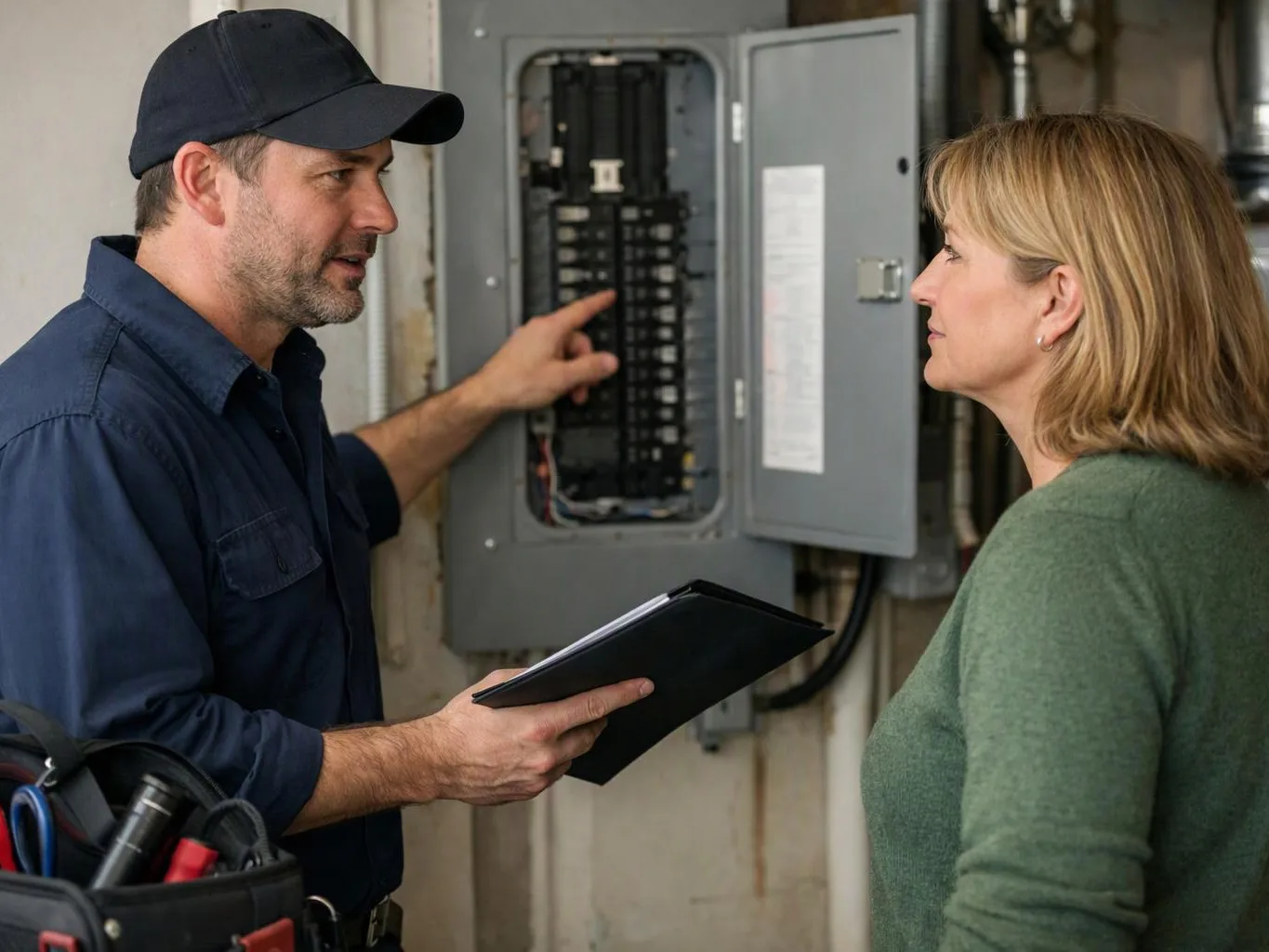
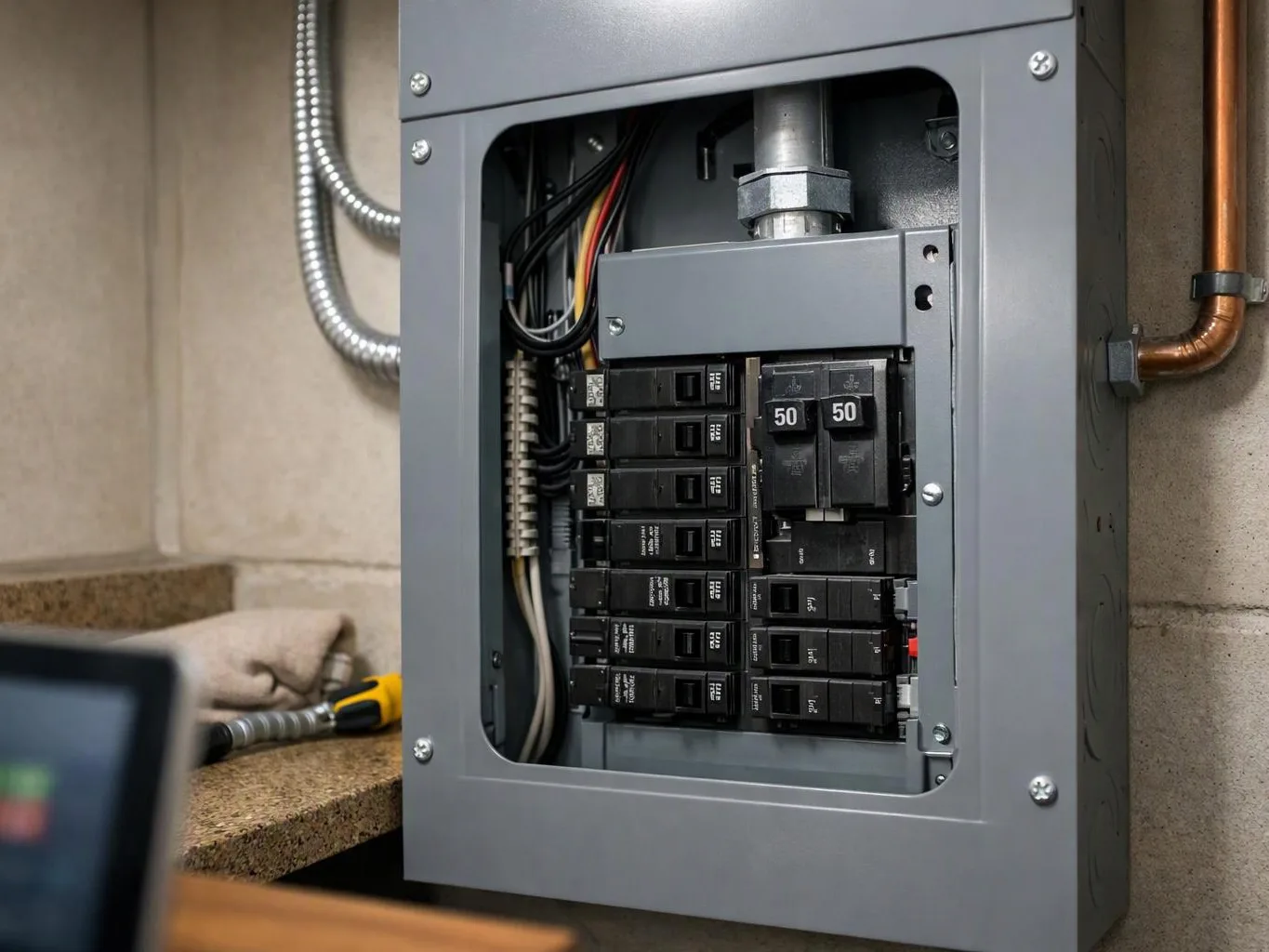
An open electrical breaker panel with many switches sits on a wall beside exposed conduit and copper piping

ZIP Codes We Serve in Fishers, Indiana

460374603846085

Bidirectional charging system troubleshooting in Other Areas

(317) 608-1220