Skip to content

Bidirectional Charging System Troubleshooting in New Palestine

Warning codes can point to a charging fault in New Palestine. We check diagnostic codes, power flow, cable connections, and battery status.

Licensed & InsuredFree EstimatesSame-Day ServiceServing 41 Communities

Quick Summary: Bidirectional charging system troubleshooting in New Palestine, Indiana

Bidirectional charging system troubleshooting in New Palestine is provided by GMB Electric for residential and commercial properties. The service covers diagnostic codes, cable checks, power flow, and battery status, with electrical support available 24 hours for emergencies.

  • What we do: GMB Electric provides Bidirectional charging system troubleshooting for residential and commercial properties in New Palestine, Indiana.
  • What is included: We check diagnostic codes, cable connections, power flow, and battery status.
  • What you get: The system receives a clear fault diagnosis and a defined electrical repair path.

Why do diagnostic codes keep appearing on a bidirectional charging system?

Diagnostic codes often remain active because the fault has not been isolated or cleared through testing. We check cable connections, power flow, battery status, and related electrical circuits to identify the cause.
Working With Our Team in New Palestine

Bidirectional charging system troubleshooting focuses on systems that charge a vehicle and send stored power back to a property. The buyer's key decision is whether the fault sits in the cable, charging equipment, electrical supply, or battery control system.

Diagnostic codes guide the first check, but the code alone does not prove which part failed. We compare the warning with cable condition, power flow, battery status, and circuit behavior before we set the repair scope.

This page serves property owners who already have a bidirectional system with warnings, failed transfers, or repeated charging faults. It does not replace a new EV charging installation when the property has no compatible system yet.

  • Read and record active diagnostic codes before testing.
  • Check cable connections and visible damage.
  • Trace power flow through the charging equipment.
  • Review battery status and related electrical symptoms.
  • Explain whether troubleshooting, repair, or installation fits the property.
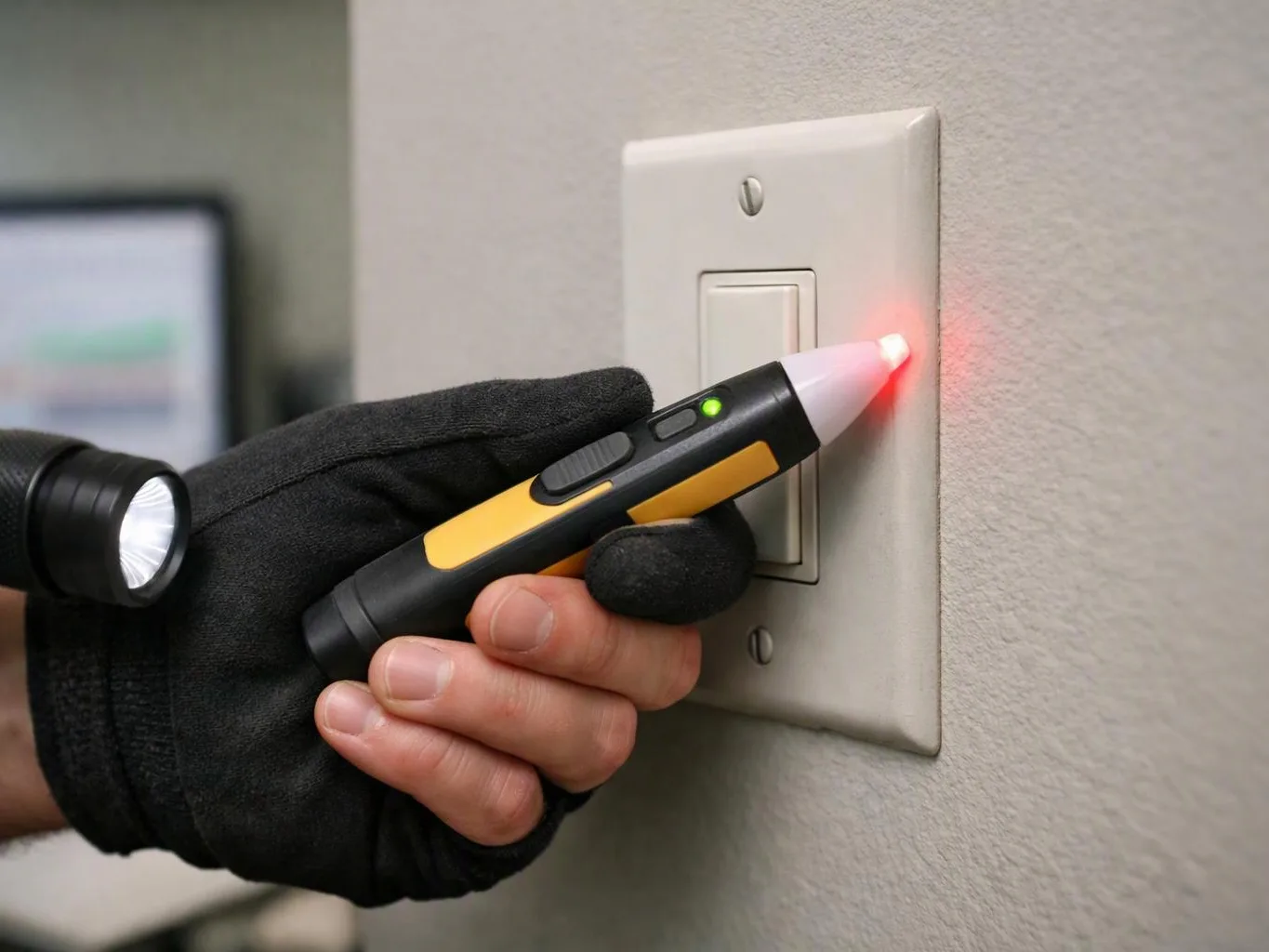
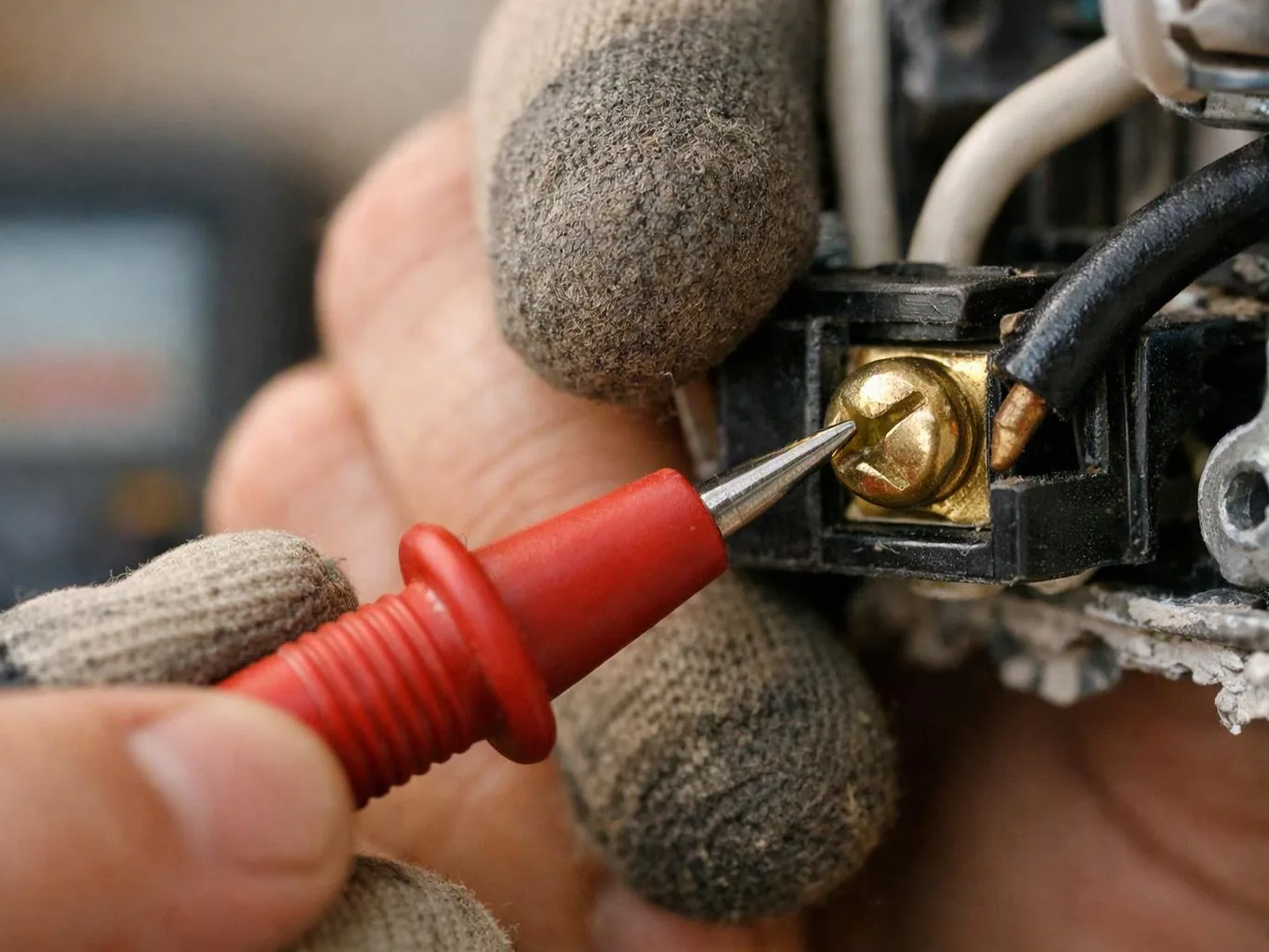
Gloved hands test a brass electrical terminal with a red probe on a wire connection

Service Overview

Bidirectional charging system troubleshooting is a diagnostic service that finds faults in equipment that sends power in both directions.

  • This work differs from a standard EV charging installation because it investigates an existing fault instead of adding a new charging circuit.
  • GMB Electric provides this service for residential and commercial properties in New Palestine.

What bidirectional charging troubleshooting includes

GMB Electric provides comprehensive Bidirectional charging system troubleshooting in New Palestine. Here's what you get:

  • We review the system warning and record the active diagnostic codes.
  • We inspect charging cables, connectors, and accessible wiring for signs of damage.
  • We test power flow through the charging equipment and related circuit.
  • We compare battery status with the reported charging or discharge fault.
  • We explain the likely repair scope and the next electrical step.

How we approach bidirectional charging faults

Test the warning before setting scope

Diagnostic codes start the review, while cable testing and power flow checks help confirm the fault. The wrong job is a new troubleshooting visit when the system has no active fault or needs a new installation.

Connect the symptom to the circuit

Repeated warnings can involve the charging equipment, circuit, or battery control path. We trace those parts in order so the repair discussion stays tied to the actual symptom.

Electrical credentials for the work

Our electricians are licensed and insured. We apply careful testing to residential and commercial electrical systems.

Process

How we trace a bidirectional charging fault

1

Record the active warning

We note the displayed code, operating mode, and customer-reported symptom before changing the system state.

2

Inspect cables and connections

We check accessible cables, connectors, terminals, and visible wiring for damage or a poor connection.

3

Test the power path

We trace power flow through the charging equipment and related circuit to locate where transfer stops.

4

Compare battery status

We compare battery status with the warning and observed system behavior.

5

Set the repair direction

We explain whether the next step involves electrical repair, equipment service, or a separate installation assessment.

What this charging fault service changes

You get a diagnosis tied to measured system behavior, not only the warning on the display.

Cable testing can separate a connection fault from a deeper electrical issue.

Power flow checks show where energy stops moving through the system.

A defined repair scope helps you decide whether the existing equipment fits your property.

Choosing the right electrical service

These service types address different equipment conditions and customer decisions.

Service optionBest fitMain question answered
Bidirectional fault troubleshootingAn installed system shows a warning or transfer faultWhere does the fault occur?
EV charging installationA property needs compatible charging equipmentWhat equipment and circuit does the property need?
Electrical circuit repairTesting finds a fault in the property wiringWhat electrical repair restores the circuit?

The GMB Electric Standard

  • Careful Assessment
  • Clear Explanations
  • Safe Practices
  • Orderly Work Areas

Questions about bidirectional charging system faults

How can bidirectional charging system faults be diagnosed?

Diagnostic codes provide the first clue, but testing confirms the fault. GMB Electric checks the code, cable connections, power flow, battery status, and related circuit before explaining the repair path.

Which material changes how long troubleshooting takes?

Cable material and condition can change the testing needed when a fault involves the charging lead. Copper conductors, terminals, insulation, and connector contacts all affect what we inspect. We test the installed parts and explain whether the issue is limited to the cable or reaches the circuit.

What does the first electrical check cover?

The first electrical check covers the active warning, visible cable condition, accessible connections, and system power state. We use those findings to choose the next test. Customers should keep the warning details and system history available because they help connect the symptom to the fault.

How does a troubleshooting visit move from the first call to the last step?

The visit moves from symptom review to testing, fault isolation, and a repair recommendation.

  1. We record the warning and reported behavior.
  2. We inspect cables and connections.
  3. We test power flow and battery status.
  4. We explain the repair scope.

Why does a reset fail to clear the charging warning?

A reset fails when the condition that triggered the warning remains present. We check the cable, circuit, power flow, and battery status to find that condition. Repeated resets are not a substitute for testing when the system trips a breaker, smells hot, or shows visible damage.

Which property is a good fit for this troubleshooting service?

A property with an installed bidirectional charging system and an active fault is a good fit. The service suits homes and businesses with warning codes, failed transfer, or repeated charging interruptions. A property without compatible equipment needs an installation review instead.
Contact

Request a Bidirectional Charging System Troubleshooting Estimate

Get a clear repair direction for your charging fault, and urgent requests get priority scheduling.

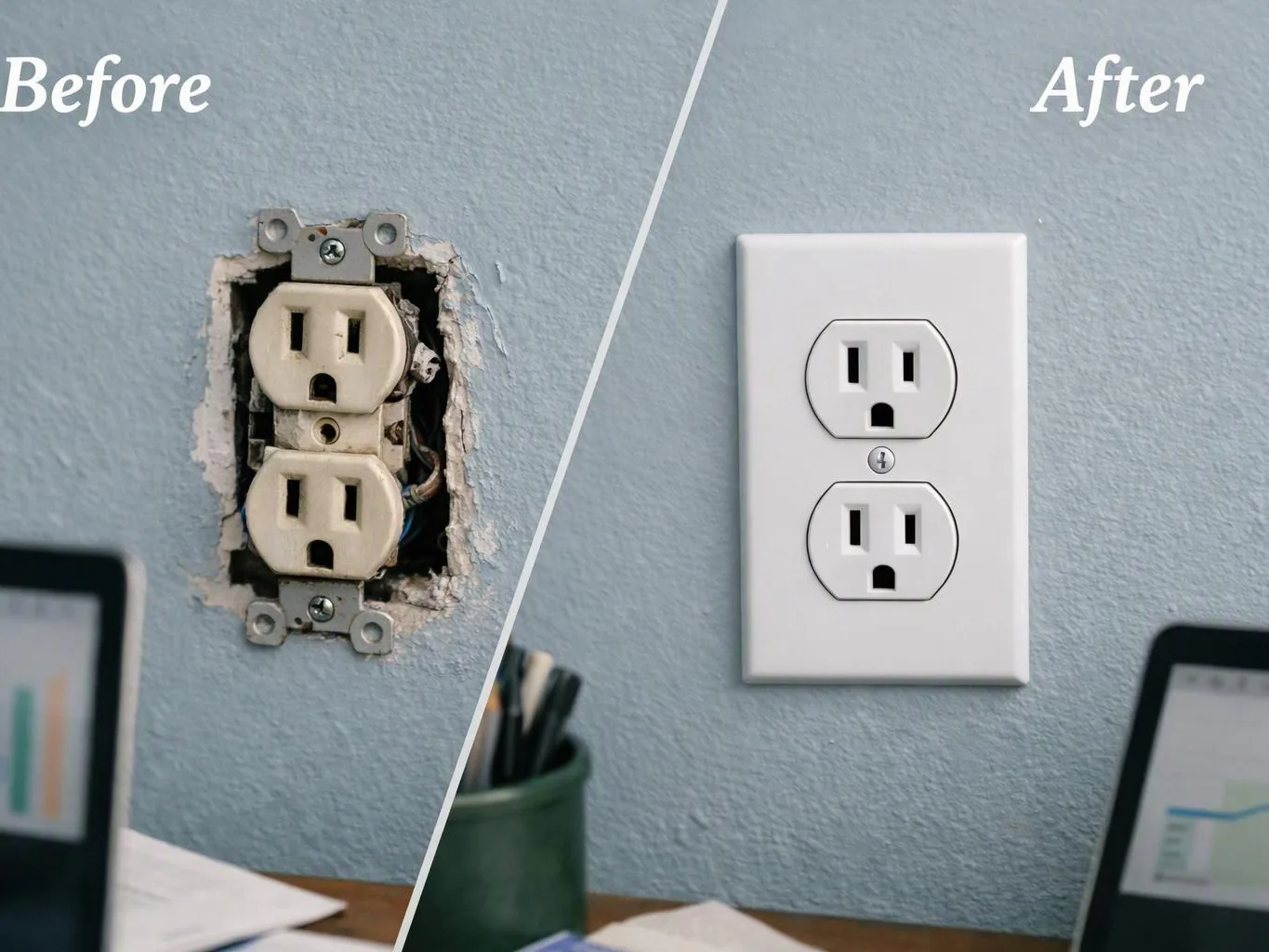
Split view shows a damaged wall outlet before replacement and a clean new outlet after installation

ZIP Codes We Serve in New Palestine, Indiana

46163

Bidirectional charging system troubleshooting in Other Areas

(317) 608-1220