Skip to content

Bidirectional Charging System Troubleshooting in Brownsburg, Indiana

Voltage imbalance gets checked first in Brownsburg when vehicle-to-home charging stops. We trace the charging path and test the system for safe operation.

Licensed & InsuredFree EstimatesSame-Day ServiceServing 41 Communities

Quick Summary: Bidirectional Charging System Troubleshooting in Brownsburg, Indiana

Bidirectional charging system troubleshooting in Brownsburg is provided by GMB Electric for vehicle-to-home charging interruptions, voltage faults, wiring concerns, and related electrical issues. We serve residential and commercial properties, with electricians available 24 hours for emergencies.

  • What we do: GMB Electric provides bidirectional charging system troubleshooting for Brownsburg, Indiana homes and businesses.
  • What is included: We check voltage balance, charging circuits, grounding, communication links, and firmware-related faults.
  • What you get: The vehicle-to-home charging system reaches a clear repair or testing decision.

Why does vehicle-to-home charging keep interrupting in Brownsburg, Indiana?

Voltage imbalance can interrupt vehicle-to-home charging when the charging circuit cannot maintain stable power. Other causes include communication loss, a ground fault, or a firmware issue. We test the electrical path and charging controls to separate a wiring problem from a system fault.
Bidirectional Charging System Troubleshooting for Brownsburg Properties

Bidirectional charging lets a vehicle send power back to a property, but interruptions can come from more than the charger itself. A voltage imbalance, lost communication link, ground fault, or firmware issue can stop the transfer.

This page serves property owners who already have a bidirectional charging setup and need a fault explained. We check the circuit, charger connections, control signals, and grounding path before we define the repair scope.

The key decision is whether the fault sits in the electrical supply, the charging equipment, or the control link. That answer helps determine whether the next step is electrical repair, equipment service, or manufacturer support.

  • Check whether the interruption occurs during charging, power transfer, or both.
  • Record warning messages before resetting the system.
  • Keep the vehicle, charger, and property electrical details available for testing.
  • Ask for a written explanation of the fault and recommended next step.
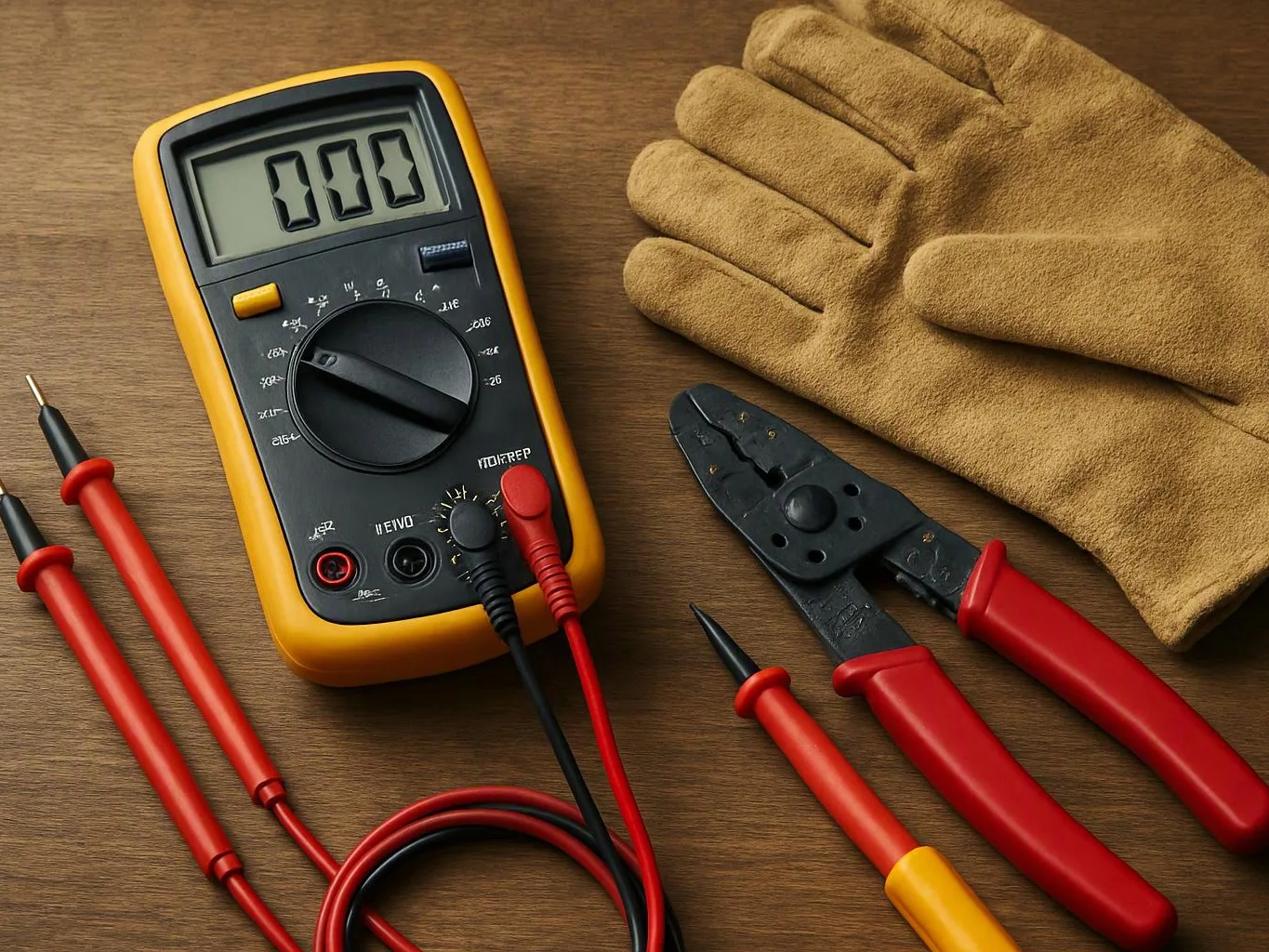
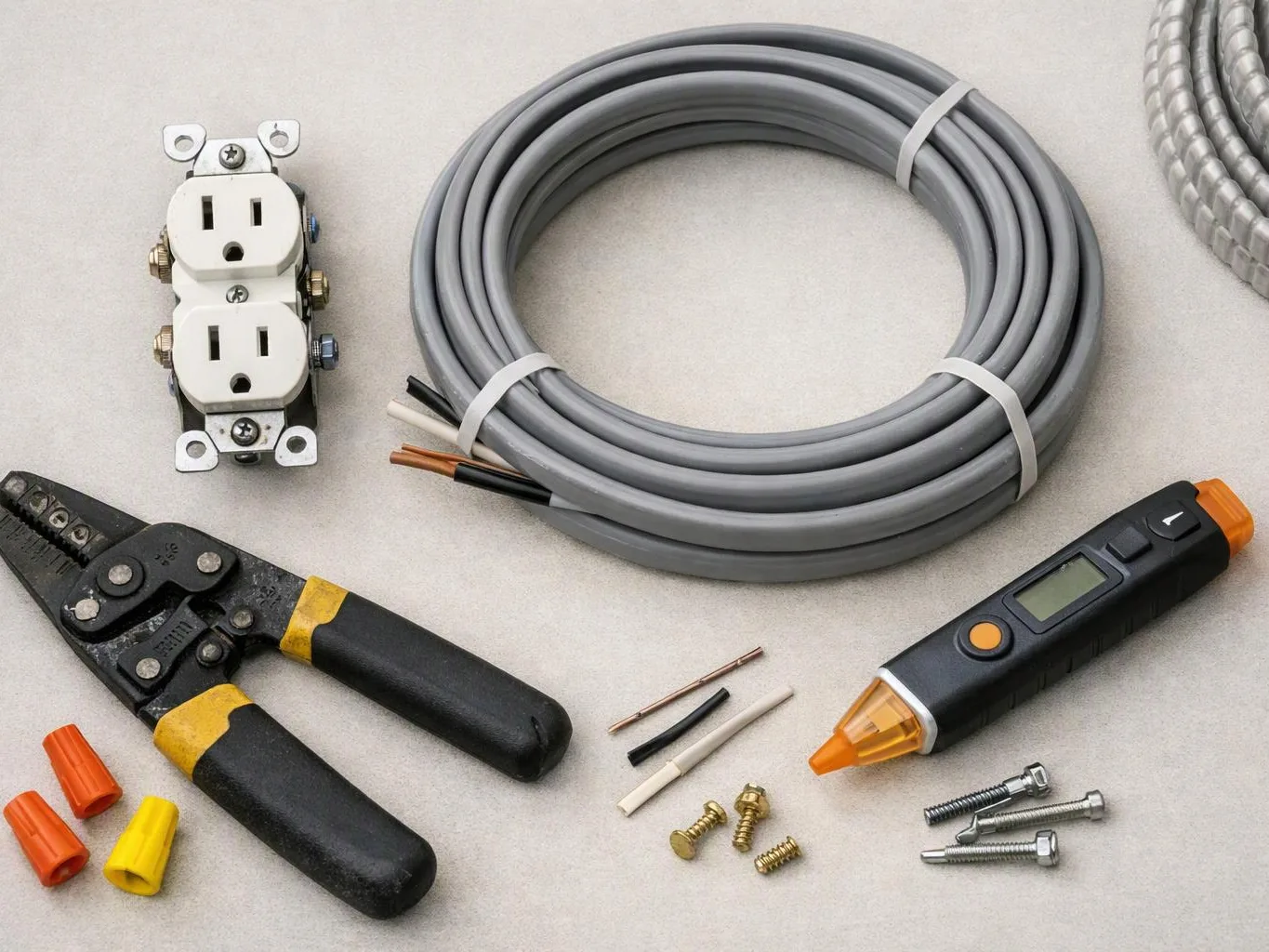
Electrical tools and wiring parts are laid out on a light tabletop, including an outlet, cable, wire stripper, tester

Service Overview

Bidirectional charging system troubleshooting is a diagnostic service that checks why power does not move reliably between a vehicle and a property.

  • This work differs from standard EV charging installation because we trace an active charging fault instead of setting up a new charger.
  • GMB Electric provides this troubleshooting service for residential and commercial properties in Brownsburg.

What This Charging Fault Check Helps You Decide

You get a clearer cause for repeated charging interruptions.

Testing separates an electrical fault from a control or firmware issue.

A documented fault path helps limit unnecessary part replacement.

The inspection shows whether the existing circuit can support the intended power flow.

You receive a practical next step for repair, further equipment service, or system review.

What Bidirectional Charging Troubleshooting Includes

GMB Electric provides comprehensive Bidirectional charging system troubleshooting in Brownsburg. Here's what you get:

  • We inspect the charging circuit and related electrical connections.
  • We test for voltage imbalance across the system.
  • We check grounding and look for signs of a ground fault.
  • We trace communication loss between the vehicle, charger, and property controls.
  • We consider firmware issues when electrical tests do not explain the interruption.
  • We explain the repair scope and provide a free estimate when the work can be quoted.
Process

How We Troubleshoot Vehicle-to-Home Charging

1

Record the charging symptom

We review when charging stops, what warning appears, and whether the interruption occurs during vehicle charging or power transfer.

2

Test the electrical supply

We check voltage balance, circuit connections, grounding, and visible signs of a ground fault.

3

Trace system communication

We examine the link between the vehicle, charger, and property controls when electrical readings do not explain the fault.

4

Separate electrical and firmware faults

We compare the test results with the system warning so the repair scope matches the actual problem.

5

Explain the repair scope

We discuss the findings, outline the supported next step, and provide a free estimate when applicable.

A situation this service fits

A property owner notices that vehicle-to-home charging stops after the system begins transferring power. We would check voltage balance, grounding, communication signals, and the charging circuit before deciding whether the issue needs electrical repair or equipment service. The owner can then request a free estimate for the supported repair scope.

How We Approach Bidirectional Charging Faults

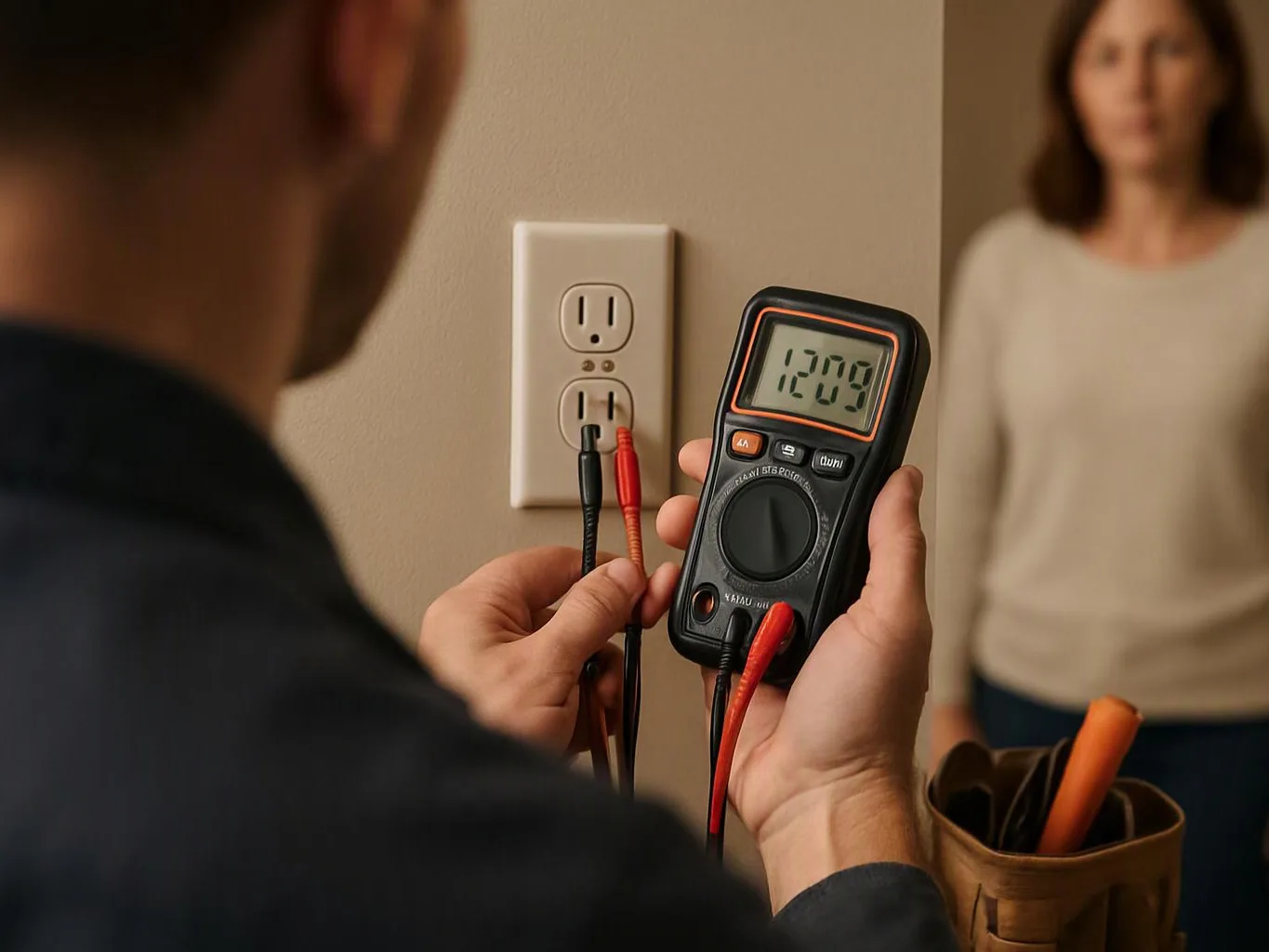
Start with voltage testing

Voltage testing gives us a useful first check when charging cuts out under load. We compare the supply and charging path before choosing a repair.

Trace the control link

Communication loss can look like an electrical failure. We check the connection between the vehicle, charger, and property controls so the fault is not assigned to the wrong part.

Know when the job needs another service

This service is not the right fit when the issue sits entirely inside a vehicle or charger that requires manufacturer repair. We explain that limit after our electrical checks.

Licensed and insured electrical work

Our licensed and insured electricians inspect the electrical side of the system and explain what the property needs before repair work begins.

Charging Fault Types We Separate During Testing

These fault types point to different checks and repair decisions.

Fault typeWhat we checkNext decision
Voltage imbalanceSupply voltage and circuit connectionsElectrical repair or further equipment testing
Communication lossVehicle, charger, and property control linksControl repair or manufacturer service
Ground faultGrounding path and fault protectionSafe isolation and electrical repair
Firmware issueSystem warnings after electrical checksManufacturer-directed equipment service

The GMB Electric Standard

  • Careful Assessment
  • Clear Explanations
  • Safe Practices
  • Orderly Work Areas

Questions About Bidirectional Charging System Faults

What causes vehicle-to-home charging interruptions?

Voltage imbalance is a leading electrical cause of vehicle-to-home charging interruptions. Communication loss, a ground fault, and a firmware issue can also stop power transfer. GMB Electric checks the circuit, grounding path, charger connections, and control signals. Those tests show whether the property needs electrical repair or the equipment needs manufacturer service.

How can I tell whether this troubleshooting fits my property?

Bidirectional charging troubleshooting fits properties with an installed system that stops, faults, or transfers power inconsistently. We check the property-side circuit and controls first. A vehicle-only fault or internal charger failure may require manufacturer service after our electrical checks identify the limit.

Which part of the property decides the troubleshooting scope?

The charging circuit and service equipment usually decide the electrical troubleshooting scope. Panel capacity, circuit connections, grounding, and access to the charger affect what we can test. We review those parts before defining the repair work or estimate.

What should I record before requesting service?

The warning message, interruption point, system status, and recent settings changes give us useful starting information. Save photos of the display and charger connections if they can be taken safely. Do not open energized equipment or reset the system repeatedly before testing.

Which material changes how long troubleshooting takes?

The wiring material and its condition can change the testing path. Copper conductors, aluminum conductors, damaged insulation, and loose terminations require different checks. We inspect the accessible circuit and connection points before deciding what further work the system needs.

When does a charging fault become an urgent electrical issue?

A burning smell, buzzing panel, sparking connection, or warm switch plate makes the fault urgent. Turn off the affected equipment if you can do so safely, and keep clear of damaged parts. Our electricians handle emergency calls 24 hours.

How does a firmware issue differ from a wiring fault?

A firmware issue remains possible when electrical readings and grounding checks are normal but the system still reports a control fault. We test the property-side circuit first and review the warning information. Manufacturer-directed service may be needed when the fault remains inside the charging equipment.
Contact

Request a Free Estimate for Charging Troubleshooting

Ask GMB Electric about bidirectional charging system troubleshooting in Brownsburg, and urgent requests get priority scheduling.

A hard hat worker carries a tool bag beside a service truck in front of a house

ZIP Codes We Serve in Brownsburg, Indiana

46112

Bidirectional charging system troubleshooting in Other Areas

(317) 608-1220