Skip to content

Bidirectional Charging System Troubleshooting in Carmel, Indiana

Battery status checks start bidirectional charging system troubleshooting in Carmel. We trace fault codes, power flow, and cable connections to find the next safe repair step.

Licensed & InsuredFree EstimatesSame-Day ServiceServing 41 Communities

Quick Summary: Bidirectional charging system checks in Carmel, Indiana

Bidirectional charging system troubleshooting in Carmel is handled by GMB Electric for homes and businesses across Indianapolis and nearby communities. The service covers battery status checks, diagnostic codes, power flow, and cable testing, with electrical repairs and inspections available around the clock for emergencies.

  • What we do: GMB Electric provides Bidirectional charging system troubleshooting for Carmel, Indiana homes and businesses.
  • What is included: Battery status review, diagnostic code checks, power flow testing, cable testing, and electrical fault tracing.
  • What you get: The customer receives a clear fault finding and a practical decision about repair, testing, or further electrical work.

Why does bidirectional charging keep showing a fault in Carmel, Indiana?

Battery status, diagnostic codes, power flow, and cable condition can reveal why a bidirectional charging system keeps showing a fault. GMB Electric checks the system in that order and identifies the electrical work needed.
Bidirectional charging system troubleshooting for Carmel properties

Bidirectional charging system troubleshooting focuses on the fault that stops a two-way charging system from working. The job suits property owners who see warning messages, failed charging, unexpected shutdowns, or a loss of backup power.

Customers need to know whether the issue sits in the vehicle, charger, wiring, protection devices, or property load. We check those links in order, then explain whether the next step is a repair, an electrical inspection, or equipment support from another party.

This service has a narrower purpose than a general electrical repair call. It does not replace utility outage diagnosis or vehicle software support when the fault sits outside the property wiring.

  • Check the displayed fault and related diagnostic codes.
  • Review battery status and charging behavior.
  • Trace power flow through the charger and property connection.
  • Test cable condition and electrical connections.
  • Separate property wiring faults from equipment or vehicle faults.
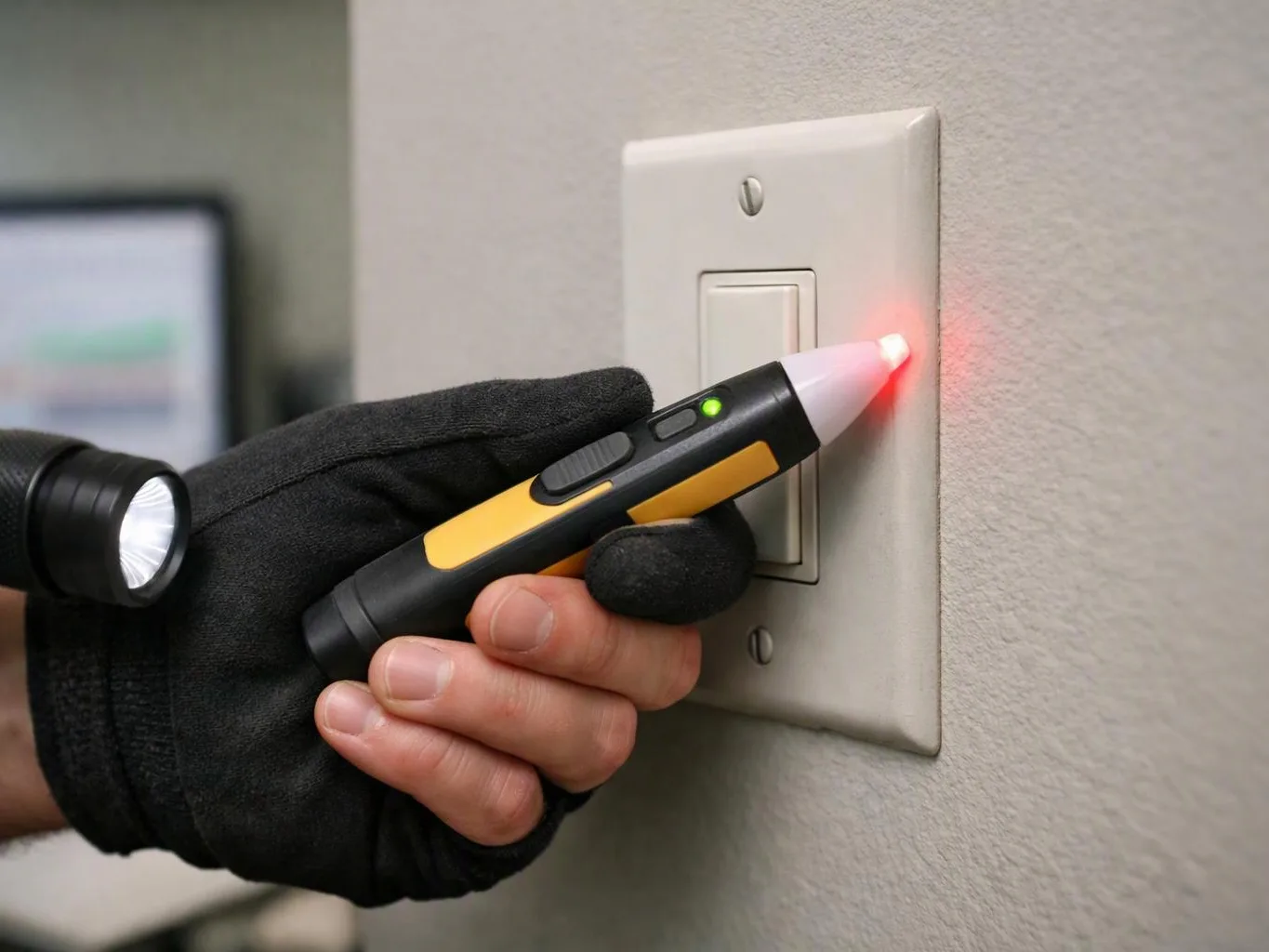
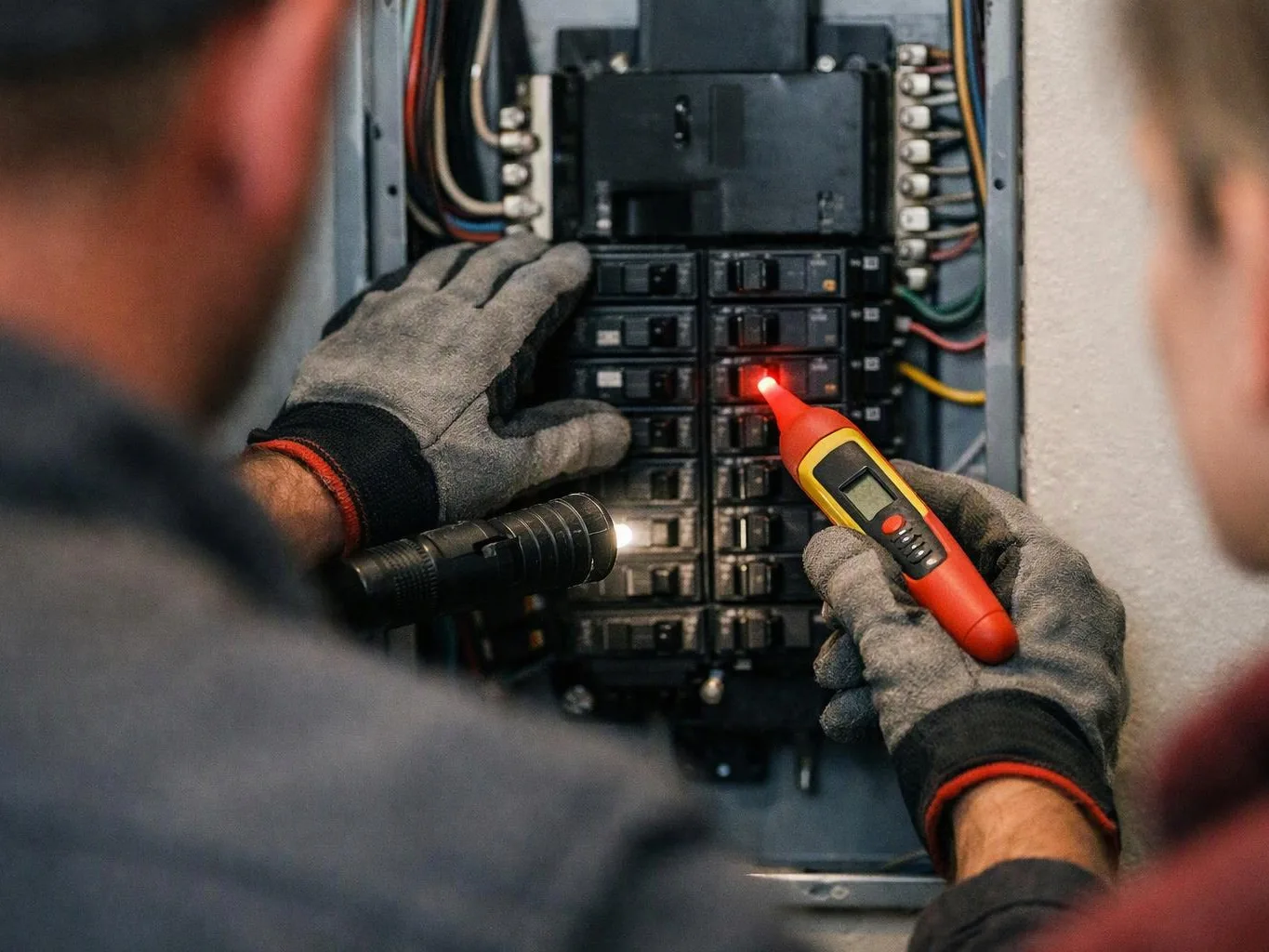
Two gloved workers test a circuit breaker panel with flashlights and a voltage tester in a utility room

Service Overview

Bidirectional charging system troubleshooting is a diagnostic service that checks how energy moves between an electric vehicle, charger, and property.

  • It differs from a standard EV charging installation because we trace a fault in an existing two-way charging setup.
  • GMB Electric provides this service for Carmel homes and businesses.

What bidirectional charging troubleshooting includes

GMB Electric provides comprehensive Bidirectional charging system troubleshooting in Carmel. Here's what you get:

  • We review the system symptoms and the warning information shown by the equipment.
  • We check battery status and trace power flow through the charging connection.
  • We test accessible charging cables, terminals, and related electrical connections.
  • We inspect circuit protection and wiring when the property connection may be involved.
  • We explain whether the next step is repair, further testing, or equipment support.

How we approach bidirectional charging faults

Trace the fault before repair

We use the visible symptom, diagnostic code, power path, and cable condition to set the work scope. This service is the wrong job when the problem is limited to vehicle software or a utility-side outage.

Keep electrical safety in view

Supporting Carmel means adapting our process to the specific scope each client brings.

Explain the next decision

Customers receive a plain explanation of what we found and which repair or follow-up fits the fault. We do not treat a diagnostic visit as proof that every equipment issue is a wiring issue.

Process

How we troubleshoot bidirectional charging systems

1

Record the system symptoms

We note the warning message, shutdown behavior, charging direction, and affected property circuit before testing.

2

Check battery status and codes

We review battery status and diagnostic codes to understand what the system reports during the fault.

3

Trace the power path

We follow power flow through the charger, cable, protection devices, and property connection.

4

Test accessible cables

We inspect and test cables and terminals when a damaged lead or poor connection could interrupt operation.

5

Explain the repair scope

We describe the finding, identify the next electrical step, and provide a free estimate when the assessed work needs a quote.

What this diagnostic work helps you decide

You get a clearer link between the warning sign and the electrical fault.

Testing helps separate a property wiring issue from a charger or vehicle issue.

Power flow checks show where energy stops moving through the system.

Cable testing can identify a connection problem before further repair work begins.

A written explanation of the finding helps you choose the next service step.

The GMB Electric Standard

  • Careful Assessment
  • Clear Explanations
  • Safe Practices
  • Orderly Work Areas

Questions about bidirectional charging faults

How can battery status help diagnose a bidirectional charging fault?

GMB Electric uses battery status as an early clue when diagnosing bidirectional charging faults. We compare the status with diagnostic codes and power flow, then test the cable and property connection. A battery message does not always prove the battery caused the fault. The full electrical path must match the system report before we set the repair scope.

What should I check before requesting electrical troubleshooting?

A displayed fault code, shutdown pattern, and affected charging direction give us useful starting information. Write down the warning and take clear photos of accessible cables or damaged connections. Do not remove covers or reset equipment that shows heat, smoke, or visible damage. We can then assess the electrical issue safely.

Which part of the property decides the troubleshooting scope?

The property connection usually decides the electrical scope because it links the charger to the service, circuit protection, and building load. Our team checks the accessible panel, disconnects, wiring, and charging circuit. A fault inside the vehicle or charger may need equipment support after we confirm the property wiring is sound.

How can I tell whether this service fits my property?

This service fits a property with an existing two-way charging setup and an electrical fault that needs diagnosis. Warning codes, failed backup transfer, repeated shutdowns, or charging interruptions are useful reasons to request an assessment. Standard EV charging installation is a different job when no bidirectional equipment is installed.

When should a charging fault become an urgent electrical call?

A charging fault becomes urgent when the system shows a burning smell, buzzing, heat, sparking, or repeated breaker trips. Stop using the affected equipment and keep clear of damaged parts. GMB Electric answers emergency calls 24 hours, and we can assess the electrical hazard and next repair step.

What changes the price of this troubleshooting work?

The fault location, access, cable condition, circuit layout, and needed repair decide the price. A simple connection test differs from work that needs circuit tracing, panel repair, or wiring changes. We inspect the issue and provide a free estimate for the assessed electrical scope.
Contact

Request a bidirectional charging system assessment

Ask GMB Electric for a quote on the fault assessment, and urgent requests get priority scheduling.

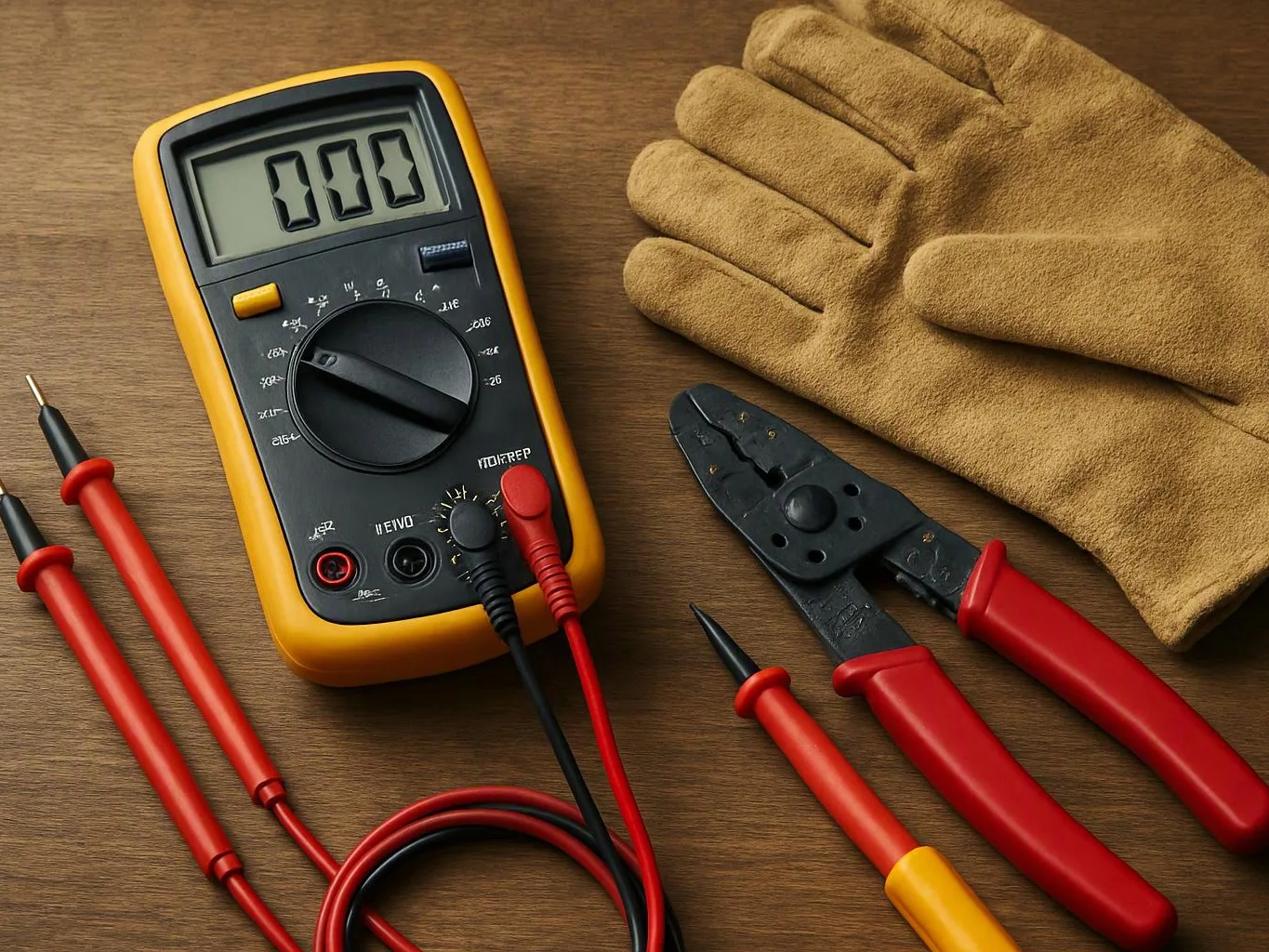
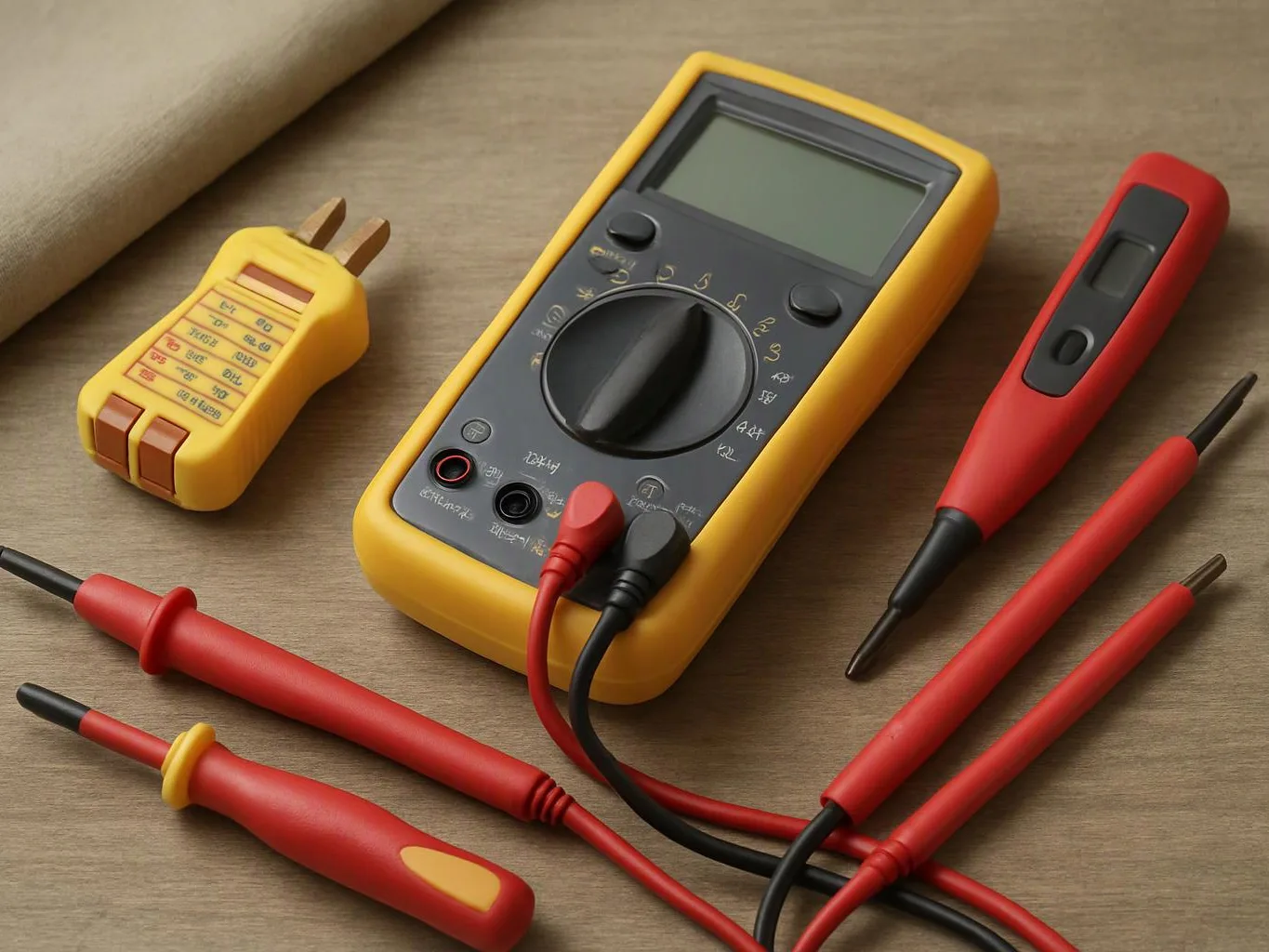
A yellow digital multimeter sits with red and black test probes and a small plug adapter on a wooden surface

ZIP Codes We Serve in Carmel, Indiana

460324603346082

Bidirectional charging system troubleshooting in Other Areas

(317) 608-1220