Skip to content

Bidirectional Charging System Troubleshooting in Homecroft, Indiana

A safe, code-ready backup panel supports bidirectional charging in Homecroft. We check the panel, inverter, energy management, and charging connector together.

Licensed & InsuredFree EstimatesSame-Day ServiceServing 41 Communities

Quick Summary: Bidirectional charging system troubleshooting in Homecroft, Indiana

Bidirectional charging system troubleshooting in Homecroft is provided by GMB Electric for homes and businesses. The service checks charging equipment, power paths, and backup controls, with emergency availability 24 hours.

  • What we do: GMB Electric provides Bidirectional charging system troubleshooting for Homecroft, Indiana homes and businesses.
  • What is included: We check the backup panel, bidirectional inverter, energy management controls, charging connector, and related circuit paths.
  • What you get: The customer receives a diagnosed charging fault and a clear repair or replacement decision.

Why does the backup panel stop charging during bidirectional power use?

A backup panel can stop charging when the inverter, connector, control signal, or circuit path has a fault. We isolate the affected part and test the system before recommending repair.
Bidirectional charging system troubleshooting for Homecroft properties

Bidirectional charging system troubleshooting focuses on the link between the vehicle, charging equipment, and building power system. It suits property owners who see charging errors, failed backup operation, unexpected shutdowns, or poor transfer between stored power and the building.

The key buyer decision is whether the fault sits in the equipment, wiring, controls, or property load. We trace that path before setting the repair scope. A standard EV charging installation may not address a bidirectional fault because two-way power needs added control and protection checks.

  • Confirm the charging symptom and when it occurs.
  • Check the backup panel and related circuit path.
  • Test the bidirectional inverter and energy management controls.
  • Inspect the charging connector for damage or poor contact.
  • Explain whether the next step is repair, replacement, or further testing.
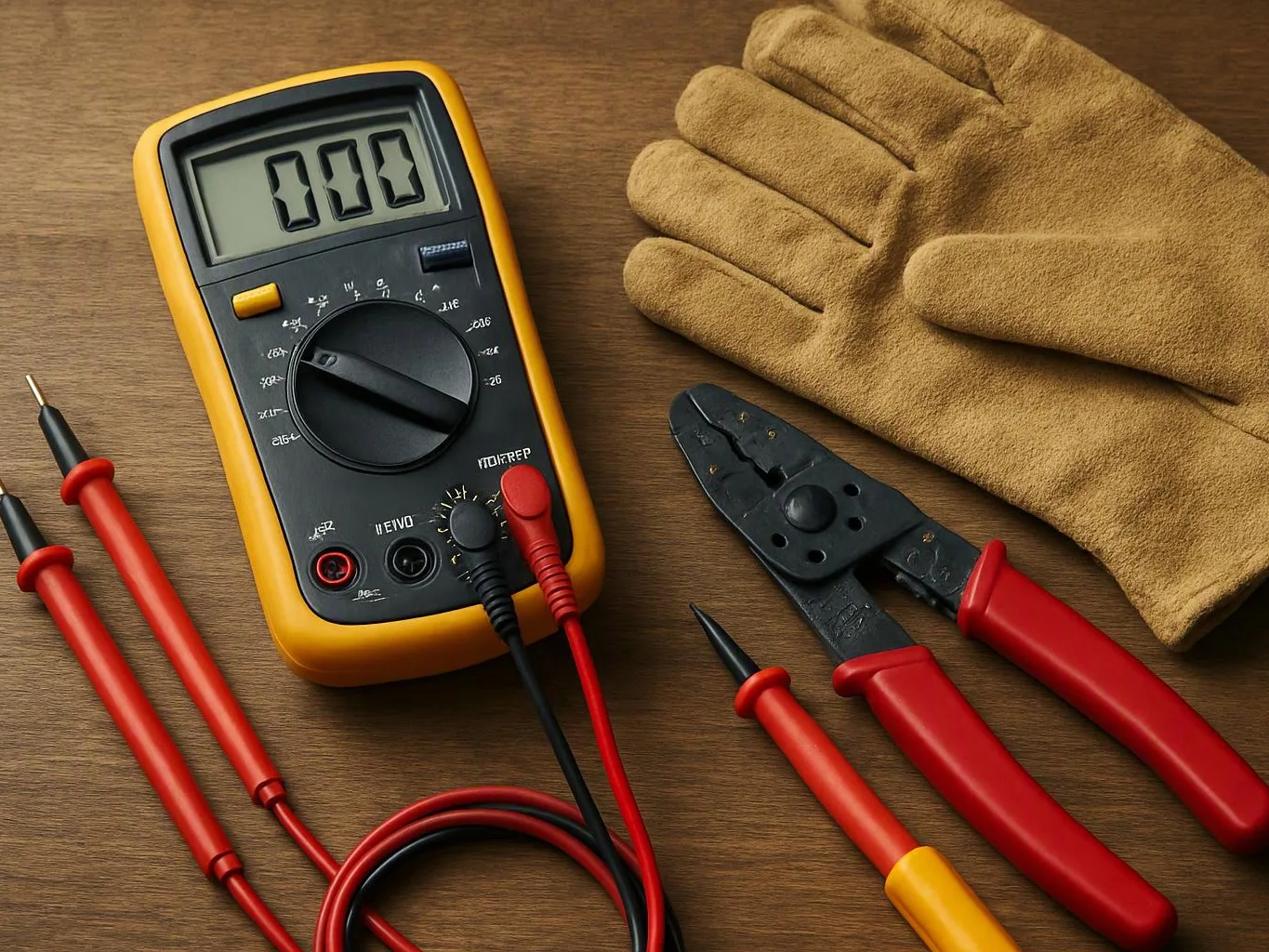
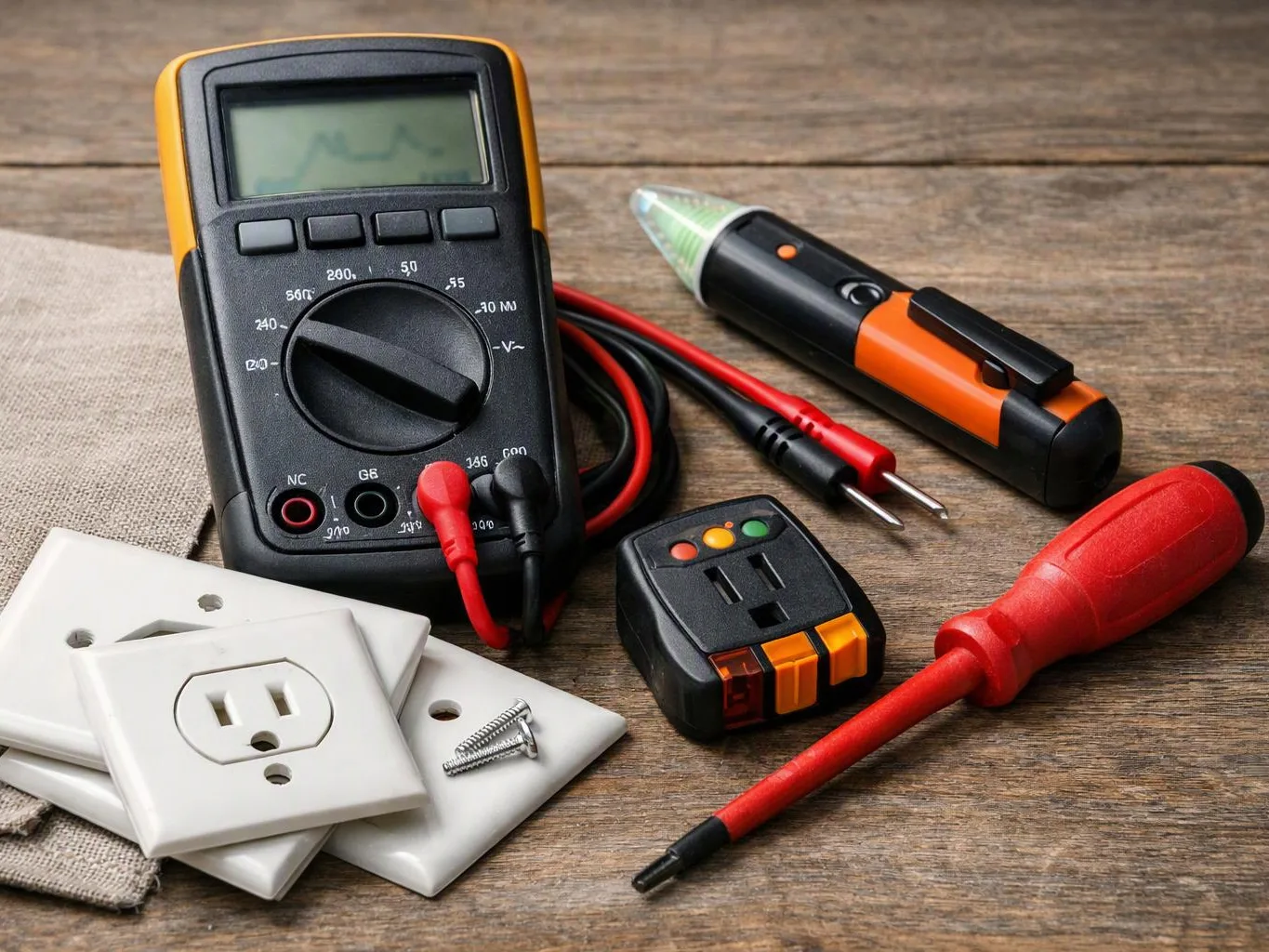
Electrical tools and outlets sit on a wooden table, including a multimeter, voltage tester, screwdriver, and screws

Service Overview

Bidirectional charging system troubleshooting is a service that finds faults in equipment that sends power both ways.

  • This work checks charging controls and power paths, while a standard EV charging visit focuses on one-way vehicle charging.
  • GMB Electric provides this service for homes and businesses in Homecroft.

What this troubleshooting work changes for you

You learn which part of the system is stopping two-way power flow.

A focused diagnosis helps separate equipment faults from wiring or load problems.

Testing gives you a clearer choice between repair and replacement.

The work helps identify unsafe conditions before the system is used again.

What bidirectional charging troubleshooting includes

GMB Electric provides comprehensive Bidirectional charging system troubleshooting in Homecroft. Here's what you get:

  • We inspect the backup panel and its connection to the charging system.
  • We test the bidirectional inverter for power flow and fault signals.
  • We check energy management settings and control signals.
  • We inspect the charging connector and its electrical connection.
  • We trace related circuits when the fault appears outside the charging equipment.
  • We provide a clear estimate for the recommended electrical work.

What you get from this charging system check

A focused repair decision

The inspection links the symptom to a part, circuit, or control issue. This service is the wrong job when the utility has a wider outage outside the property.

Electrical work by licensed staff

Our licensed and insured electricians work on residential and commercial electrical systems, including circuit tracing and charging equipment connections.

Testing before the next step

The inverter, connector, and control path are checked before we explain the recommended repair.

Process

How we troubleshoot two-way charging faults

1

Confirm the charging symptom

We record the warning, failed function, and point at which power flow stops.

2

Inspect the backup panel

We check the panel, breakers, connections, and related circuit path for signs of a fault.

3

Test the inverter and controls

The bidirectional inverter and energy management controls are tested for power flow and signal problems.

4

Check the charging connector

We inspect the connector, terminals, cable path, and visible damage before setting the repair scope.

5

Explain the repair choice

We explain whether the next step involves repair, replacement, circuit work, or more testing.

Charging fault areas we compare during testing

These areas help identify whether the fault sits in equipment, controls, or the property circuit.

Fault areaWhat we checkWhat the finding helps decide
Bidirectional inverterPower conversion and fault signalsEquipment repair or deeper circuit testing
Energy managementControl settings and power commandsControl correction or equipment diagnosis
Charging connectorTerminals, cable path, and visible damageConnector repair or replacement scope

The GMB Electric Standard

  • Careful Assessment
  • Clear Explanations
  • Safe Practices
  • Orderly Work Areas

Questions about bidirectional charging system troubleshooting

What equipment is checked during bidirectional charging troubleshooting?

The backup panel is checked first, followed by the bidirectional inverter, energy management controls, charging connector, and related circuits.

  • We inspect visible connections and breakers.
  • We test power flow and control signals.
  • We trace the circuit when the fault extends beyond the equipment.

GMB Electric then explains the repair scope in plain language.

How is the charging system matched to the property before work starts?

Property load, circuit capacity, equipment connections, and control needs determine the correct troubleshooting approach. We review how the system connects to the building and identify loads that could affect power transfer. The review helps separate a charging equipment fault from an electrical service or circuit problem.

Which condition on the property changes the troubleshooting time?

Limited access, unclear circuit paths, damaged wiring, and related load problems can add testing steps. We check the equipment location and circuit layout first. Older or altered wiring can make circuit tracing more involved, so the final scope follows the conditions found during inspection.

What should be ready before troubleshooting starts?

The vehicle, charging equipment, warning message, and recent electrical changes should be available for review. Keep the system accessible and share any equipment records or prior repair notes. Do not remove covers or reset damaged equipment before we inspect it.

Why does the charging connector need a separate check?

The charging connector carries power and control signals, so damage or poor contact can stop bidirectional operation. We inspect its terminals, cable path, and visible condition before testing deeper parts. A connector fault can look like an inverter or energy management problem.

When should a charging fault become an urgent electrical call?

A burning smell, buzzing panel, sparking connector, or repeated breaker trip calls for urgent electrical attention. Stop using the affected equipment and keep people away from damaged parts. We can assess the electrical hazard and check the connected circuit before discussing further charging work.

Bidirectional charging system troubleshooting in Other Areas

Contact

Request a Free Estimate for Charging Troubleshooting in Homecroft

Share the warning, equipment, and property details for an estimate, and urgent requests get priority scheduling.

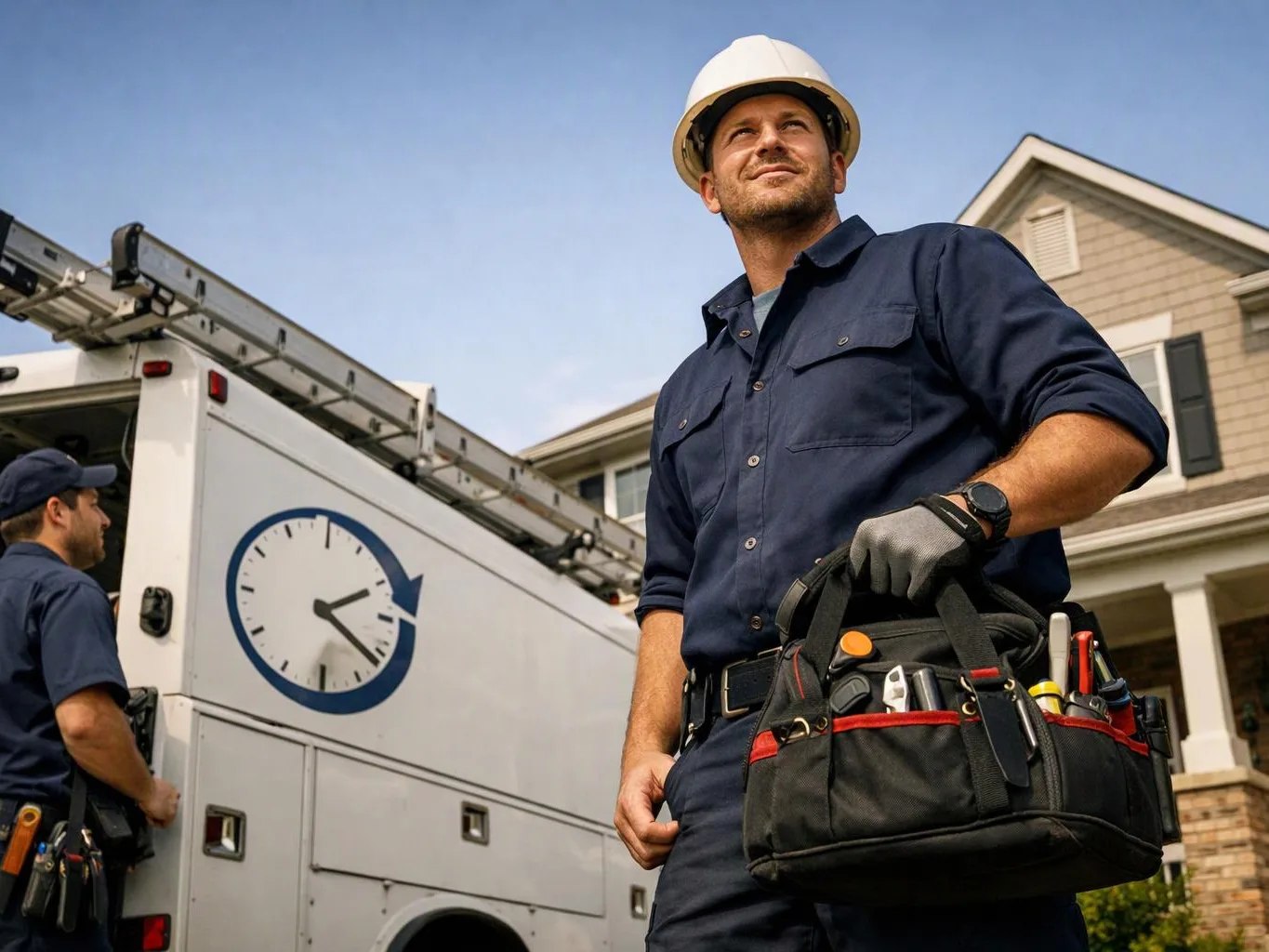
A hard hat worker carries a tool bag beside a service truck in front of a house
(317) 608-1220