Skip to content

Bidirectional Charging System Troubleshooting in Brooklyn, Indiana

A transfer switch must meet safe wiring and code conditions before power can move in Brooklyn. We check the switch, inverter fault signals, battery communication, and grid settings.

Licensed & InsuredFree EstimatesSame-Day ServiceServing 41 Communities

Quick Summary: Bidirectional charging system troubleshooting in Brooklyn, Indiana

Bidirectional charging system troubleshooting in Brooklyn is provided by GMB Electric for homes and businesses. The service checks transfer controls, inverter faults, battery communication, and grid settings, with emergency electrical support available 24 hours.

  • What we do: GMB Electric provides bidirectional charging system troubleshooting for Brooklyn, Indiana homes and businesses.
  • What is included: Transfer control checks, inverter fault review, battery communication checks, grid setting review, circuit testing, and electrical safety checks.
  • What you get: The charging system reaches a clear repair decision, with the fault isolated or additional system service identified.

Why is my bidirectional charging system not transferring power?

A transfer switch fault is a common reason bidirectional power will not move between the system and the property. GMB Electric checks the switch, inverter fault codes, battery communication, and grid settings to find the failed link. A burning smell, buzzing panel, or repeated breaker trip needs urgent electrical attention.
Supporting Clients Across Brooklyn

Bidirectional charging system troubleshooting focuses on a system that cannot send or receive power as expected. The buyer's key decision is whether the fault sits in the transfer control, the inverter, the battery link, or the property's electrical system.

We inspect the reported symptom, trace the related circuit, and test the system's control path. Customers need a clear boundary between electrical repair and equipment service, since a failed setting or battery link may need action beyond wiring work.

The work suits property owners who see failed transfer attempts, warning messages, or repeated shutdowns. It does not replace a full EV charging installation when the property has no existing bidirectional equipment.

  • Confirm what happens when the system is asked to transfer power.
  • Record warning messages and inverter fault information.
  • Check battery communication and grid settings.
  • Trace related circuits and inspect accessible electrical connections.
  • Separate an electrical fault from equipment service needs.
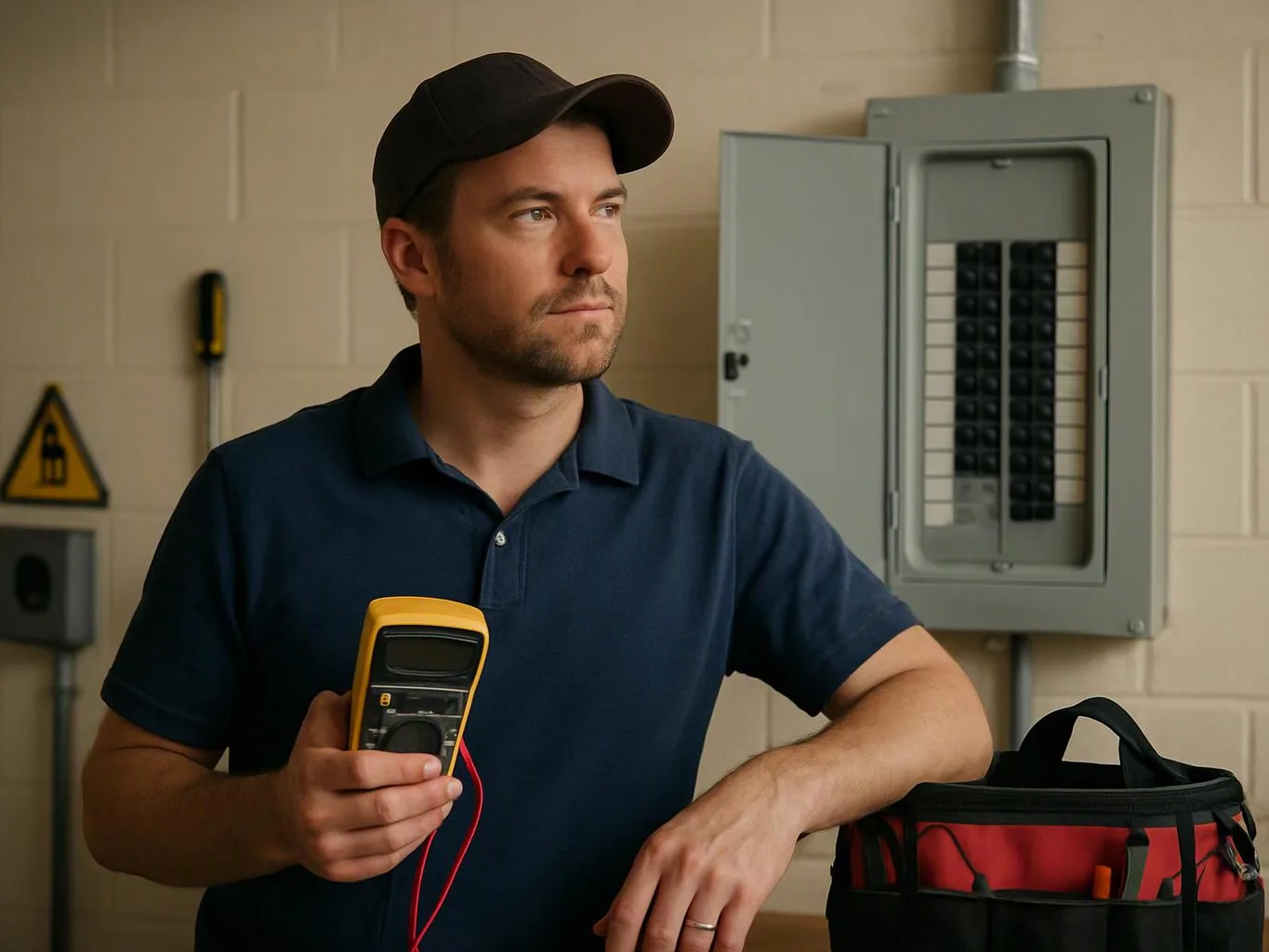
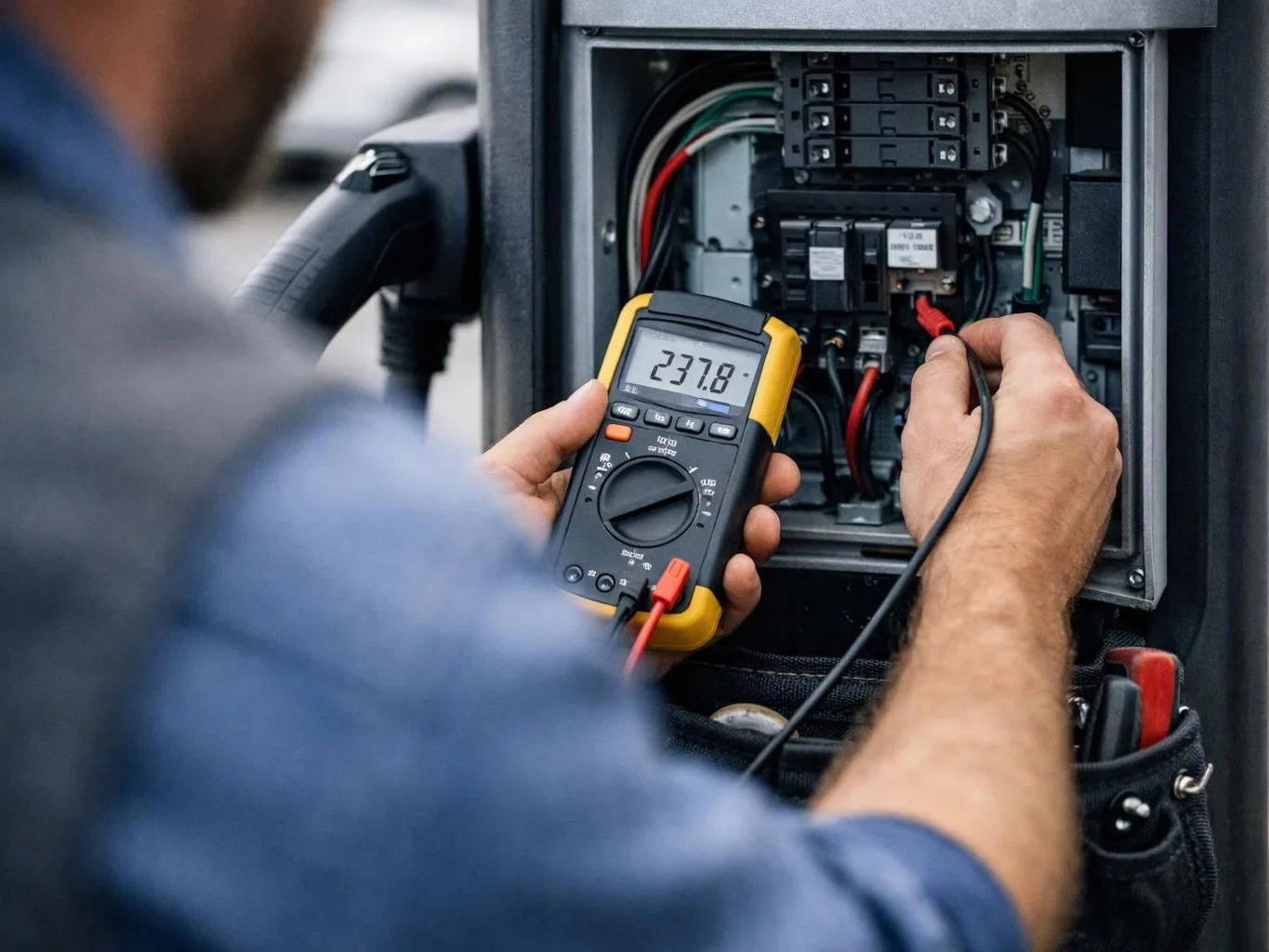
A technician tests an open electrical panel with a digital multimeter, holding probes near wiring and breakers

Service Overview

Bidirectional charging system troubleshooting is an electrical diagnostic service that checks why power will not move between a charging system, battery, and property.

  • It differs from EV charging installation because troubleshooting finds a fault in an existing system instead of adding new charging equipment.
  • GMB Electric provides this service for homes and businesses in Brooklyn.

How we approach charging system fault decisions

Start with the transfer symptom

Customers get a diagnosis based on the point where power stops moving. We check the control path before setting a repair scope.

Separate wiring from equipment faults

Inverter faults, battery communication, and grid settings can create similar symptoms. Our testing helps show which part needs attention.

Know when this service is not the right job

A new system, damaged battery, or equipment warranty issue may need installation or manufacturer service instead. We explain that limit when the evidence points outside electrical troubleshooting.

Licensed and insured electrical work

GMB Electric provides licensed and insured electricians for electrical checks connected to residential and commercial charging systems.

A client scenario this service addresses

A homeowner in Brooklyn notices that the vehicle charges, but the property does not receive stored power during a transfer attempt. We check the transfer control, related breakers, inverter fault information, battery communication, and grid settings, then explain whether the next step is electrical repair or equipment service.

Process

How we trace a failed power transfer

1

Record the transfer symptom

We ask when the transfer fails, what the property shows, and whether the system reports a warning.

2

Inspect the electrical path

We check accessible wiring, circuit protection, connections, and controls linked to the charging system.

3

Review system fault data

We examine inverter fault information, battery communication, and grid settings for a control-side cause.

4

Test the suspected fault

We use circuit tracing and testing to verify where the transfer sequence stops.

5

Explain the repair decision

We describe the electrical repair scope or explain when the system needs equipment service beyond this work.

What bidirectional charging system troubleshooting includes

GMB Electric provides comprehensive Bidirectional charging system troubleshooting in Brooklyn. Here's what you get:

  • We review the transfer symptom and identify when the system stops moving power.
  • We inspect related wiring, connections, breakers, and accessible control equipment.
  • We check inverter fault information and note conditions that affect power transfer.
  • We examine battery communication for signs of a failed link or missing signal.
  • We review grid settings that control how the system connects to the property.
  • We explain the repair scope or the next system-service decision.

What this charging system check changes for you

You receive a clearer answer about why power is not transferring.

Testing helps separate a wiring fault from an inverter, battery, or setting issue.

A documented fault path helps guide the next repair decision.

The inspection can identify unsafe electrical conditions that need attention.

Property owners can decide whether to pursue electrical repair or equipment service.

Electrical fault or equipment service decision

This comparison helps property owners understand which next step matches the observed system problem.

Problem typeWhat we checkLikely next decision
Electrical connection faultWiring, circuit protection, connections, and accessible controlsElectrical repair assessment
Inverter or battery control faultFault information, battery communication, and system signalsEquipment service or coordinated repair
Grid setting issueConnection settings and the system response to transfer commandsSettings review or electrical follow-up

The GMB Electric Standard

  • Careful Assessment
  • Clear Explanations
  • Safe Practices
  • Orderly Work Areas

Questions about failed bidirectional power transfer

Why does the transfer switch stop bidirectional power from moving?

The transfer switch can stop power movement when its control signal, wiring, or connected protection does not respond correctly. GMB Electric checks the switch path and related electrical connections first. We then review inverter faults, battery communication, and grid settings. A burning smell or buzzing panel needs urgent electrical attention before further system testing.

How can I tell whether this troubleshooting fits my property?

An existing system that charges but will not send power to the property fits this troubleshooting service. Warning messages, failed transfer attempts, and repeated shutdowns also point to a diagnostic need. We check the property connection and system controls. A property without bidirectional equipment needs an installation assessment instead.

Which part of the property decides the troubleshooting scope?

The property connection and the accessible electrical path often decide the troubleshooting scope. Panel location, circuit protection, wiring access, and system controls affect what we can inspect. Customers should share panel photos and system messages when safe. We use those details to plan the assessment without opening energized equipment.

What does the system need before power can transfer safely?

The system needs sound electrical connections, working circuit protection, compatible control signals, and correct grid settings. We check these conditions during the assessment. Customers should not bypass protection or change wiring themselves. Any exposed conductor, burning odor, or buzzing panel calls for urgent electrical attention.

Which material changes how long the electrical check takes?

Accessible wiring usually allows a more direct check than concealed or damaged wiring. We assess the cable path, connection points, panel access, and control equipment before defining the work. Customers can provide system records and clear photos of visible equipment. We do not promise a duration before the fault and access needs are known.

What information should I provide before scheduling this service?

System warning messages, recent changes, panel photos, and the exact transfer symptom help us prepare for the assessment. Customers should note whether charging still works and whether the property loses power during the attempt. Do not remove covers or test live parts. Those details help separate a control problem from an electrical fault.
Contact

Request a Free Estimate for Charging System Troubleshooting in Brooklyn

Share the transfer symptom and system details when requesting your estimate. Urgent requests get priority scheduling.

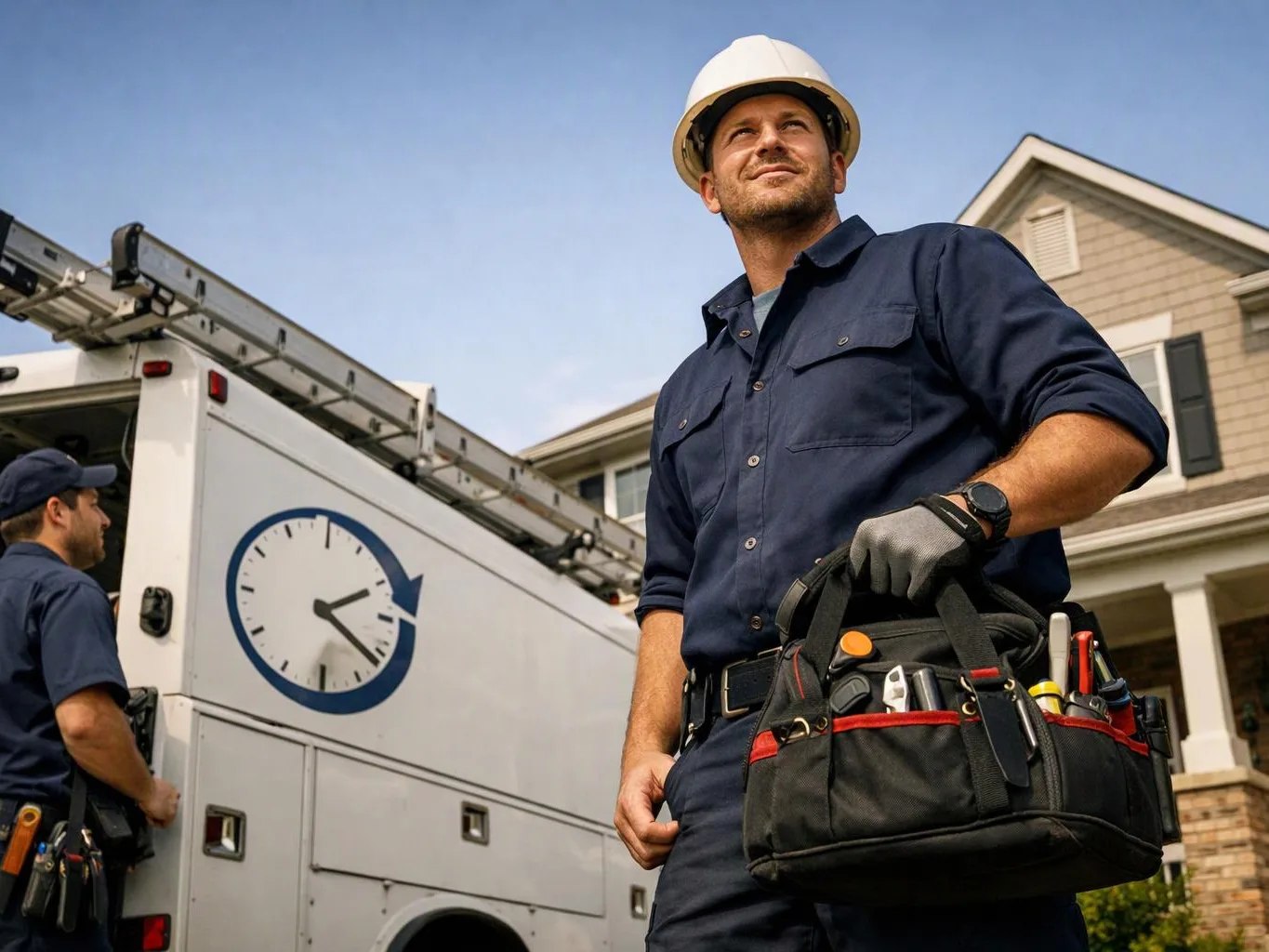
A hard hat worker carries a tool bag beside a service truck in front of a house

ZIP Codes We Serve in Brooklyn, Indiana

46111

Bidirectional charging system troubleshooting in Other Areas

(317) 608-1220