Skip to content

Ceiling Fan Installation in Indianapolis, Indiana

We install ceiling fans for homes and businesses across Indianapolis. Our electricians check the mounting point, wiring, controls, and finished fan operation.

Licensed & InsuredFree EstimatesSame-Day ServiceServing 41 Communities
Ceiling Fan Installation helps Indianapolis homeowners and business owners add a fan where lighting or airflow needs improvement. A loose mount, missing support, or faulty switch can create wobble and noise. We assess the electrical box and wiring, then explain the work before installation begins.

What a properly mounted ceiling fan changes

A secure support point reduces movement, noise, and stress on the ceiling connection.

Separate fan and light controls make daily use easier when the fixture includes both functions.

Completed testing confirms the fan, light, switch, and connections respond as expected.

What Ceiling Fan Installation Covers

Ceiling fan installation is an electrical service that mounts a fan, connects its wiring, and tests its controls.
  • Ceiling fan installation differs from light replacement because the fan needs secure support for movement and weight.
  • Indianapolis coverage includes residential and commercial properties, with the work matched to the existing box and circuit.
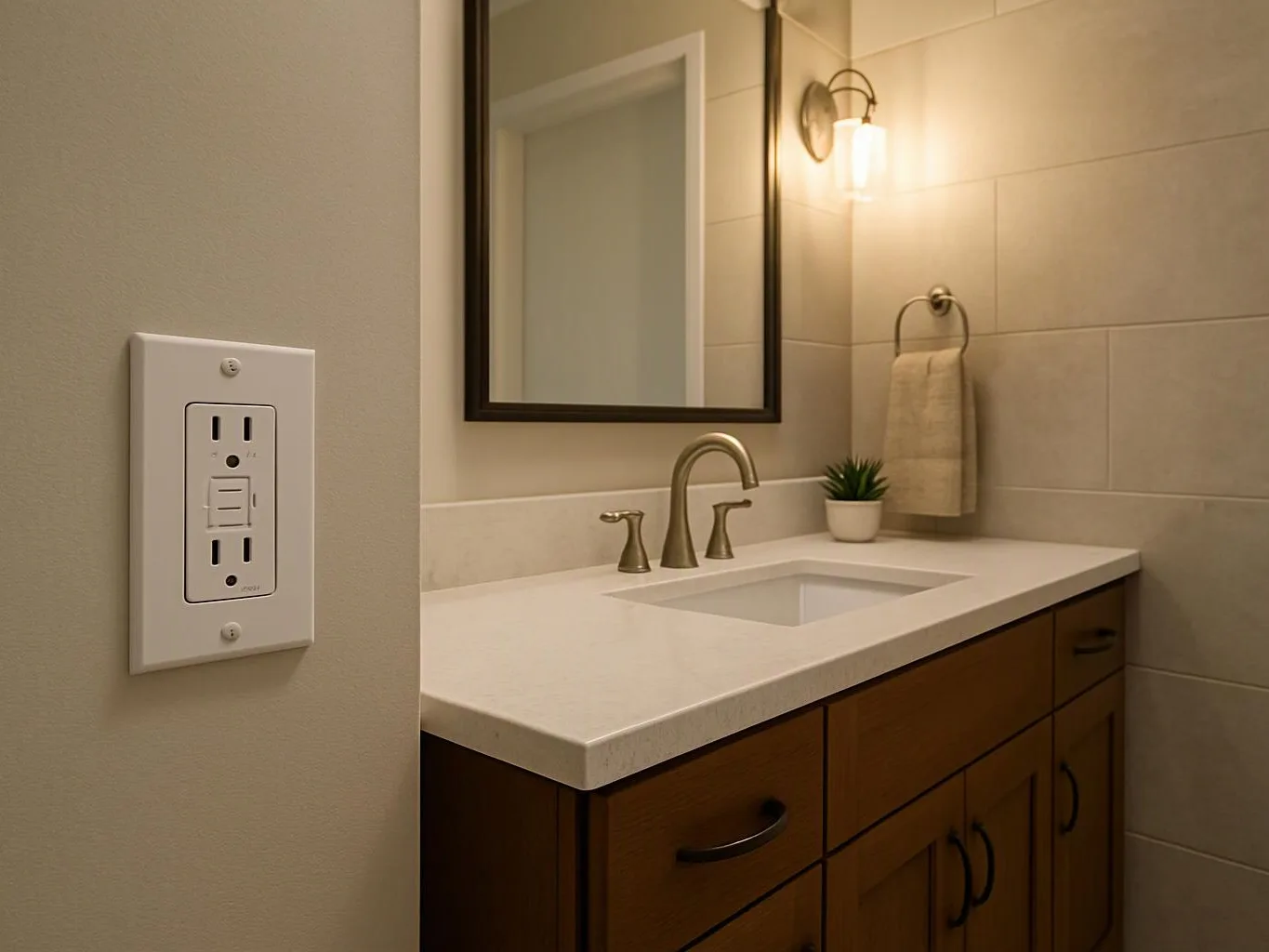
A bathroom vanity with sink, mirror, towel, plant, and wall light sits beside an outlet switch on the left
About

What ceiling fan installation includes

Ceiling fan installation starts with the existing electrical box, circuit, and control location. We check whether the box and mounting hardware can support a moving fan. If the location lacks suitable wiring, we explain the work needed before proceeding. A fan can replace an existing light fixture when the box, wiring, and support point fit the new load and movement. We connect the fan and light controls according to the selected equipment. The final check covers fan direction, blade movement, light operation, and switch response. Our main recommendation is simple: do not treat a ceiling fan like a hanging light. Fan movement places different demands on the support point, so we inspect that point first and correct weak mounting before testing the fixture.

Process

How we install and test a ceiling fan

1

Inspect the mounting point

We examine the electrical box, ceiling opening, support, and existing wiring before selecting the installation approach.

2

Plan the fan controls

We identify the fan, light, wall switch, and remote-control connections so each function has the right path.

3

Mount the bracket and fan

We secure the bracket and fan to the suitable support point, then connect the conductors with appropriate electrical practices.

4

Check blades and movement

We inspect blade alignment and hardware, then run the fan to identify wobble, noise, or control problems.

5

Test the finished connection

We test the fan, light, switches, and controls, and we keep the work area orderly during the job.

What to prepare before fan installation

A few details help us assess the fan location and plan the work.

  • Choose the fan and keep its installation instructions available.
  • Clear furniture and objects below the ceiling location.
  • Note whether an existing light fixture will be replaced.
  • Identify the preferred wall switch or remote-control setup.
  • Tell us about any flickering, buzzing, wobble, or warm switch plate.

The GMB Electric Standard

Careful Assessment

We assess the ceiling box, mounting point, wiring, and controls before recommending the fan installation approach.

Clear Explanations

We explain the support, wiring, control, and testing steps before beginning ceiling fan installation.

Completed Testing

We test fan movement, light operation, switches, and controls after completing the electrical connections.

Questions about installing a ceiling fan

Who installs ceiling fans in Indianapolis?

GMB Electric installs ceiling fans in Indianapolis for residential and commercial properties. We inspect the electrical box, mounting point, wiring, and controls before starting. Our electricians explain the work, secure the fan, and test the finished connection. We also provide free estimates for planned installation requests.

Can a ceiling fan replace an existing light fixture?

Yes, a ceiling fan can replace an existing light when the box, support, wiring, and controls suit the fixture. We inspect the location before connecting the fan. The work may require a suitable support box or new wiring, and we explain those needs before installation.

What electrical box does a ceiling fan need?

A ceiling fan needs an electrical box that supports the fixture's movement and weight. The existing light box may not meet that need. We inspect the box and ceiling support, then install or adapt the mounting point when the location requires a stronger connection.

What causes a newly installed ceiling fan to wobble?

A newly installed fan can wobble because of uneven blades, loose hardware, an unlevel bracket, or movement at the box. We check each point in that order during testing. Our electricians correct the mounting or blade issue, then run the fan again to confirm stable movement.

What wiring controls a ceiling fan and its light?

Ceiling fan controls use conductors that connect the fan motor, light, switch, and supply according to the fixture design. We identify each connection before wiring. A wall switch, pull chain, or remote receiver may control the functions, so the selected fan determines the final setup.

What changes the cost of installing a ceiling fan?

The main cost drivers are the ceiling box, existing wiring, support access, control type, and whether a light fixture is being replaced. We inspect those parts before giving a free estimate. The estimate reflects the actual fan, location, and electrical work involved.

Is a ceiling fan installation urgent if the fan buzzes?

A buzzing fan or switch needs an electrical check before continued use. The sound can involve a loose connection, control, motor, or mounting part. Turn the fan off, avoid opening the fixture, and ask us to inspect the wiring and support point.

Common Mistakes With Ceiling Fan Installation

  • Using a standard light box for a moving fan can loosen the support point. We check the box and mounting surface before attaching the bracket.
  • Ignoring a small wobble can add stress to the mount and create noise. We inspect blade alignment, hardware, and bracket level during testing.
  • Connecting fan and light controls without matching the fixture diagram can leave one function dead. We identify each conductor and test every control.
  • Placing the fan without checking the ceiling opening can crowd the housing or hide damaged wiring. We inspect the opening and explain access needs before work begins.

Key Points About Ceiling Fan Installation

  • A ceiling fan needs suitable support, not only a power connection.
  • An existing light box may need inspection before fan use.
  • Wobble can come from blades, hardware, the bracket, or the box.
  • Fan and light controls must match the fixture wiring.
  • We test movement, lighting, switches, and controls after installation.
Contact

Get a Free Estimate for Ceiling Fan Installation

Request an estimate for your fan, wiring, and mounting needs, and urgent requests get priority scheduling.
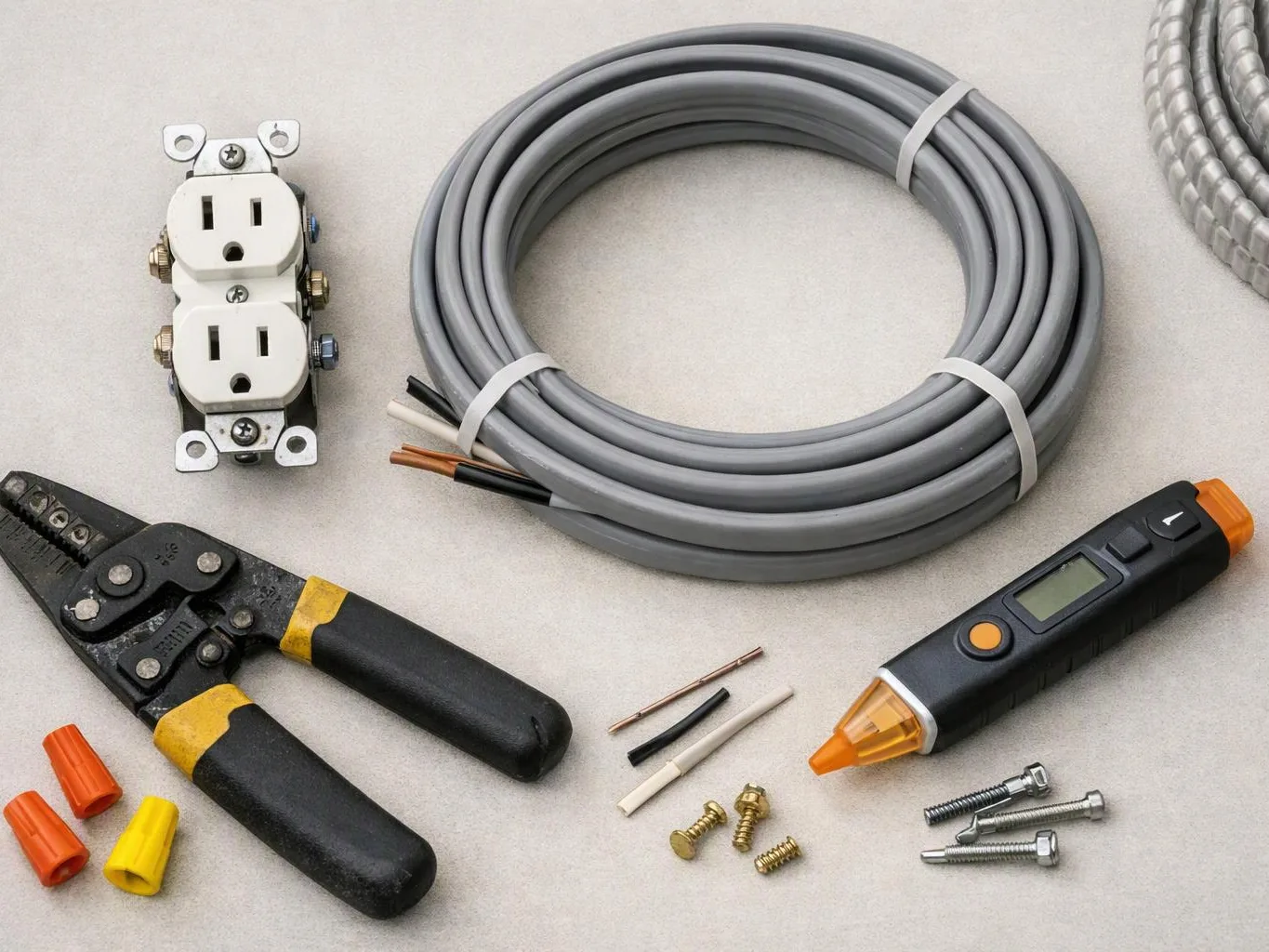
Electrical tools and wiring parts are laid out on a light tabletop, including an outlet, cable, wire stripper, tester
Scenarios

When Customers Call Us About Ceiling Fan Installation

1

Replacing An Existing Light

An existing light location may seem ready for a fan, but its box may not provide enough support for movement. The wiring also needs to match the fan and light controls. We inspect the box, mounting point, and conductors before installation, then explain any added work needed for a safe connection.

2

Wobble After Fan Installation

A ceiling fan that shakes can have uneven blades, loose mounting hardware, or movement at the electrical box. Continued use can worsen noise and stress at the connection. We isolate the cause by checking the bracket, box, blades, and controls, then test the fan after the correction.

3

Adding A Fan To A Business

A business may need a fan in an occupied room, office, or service area without disturbing nearby electrical equipment. Access, ceiling support, and control placement all affect the work plan. We assess the location first, explain the installation steps, and keep the work area orderly while completing the connection.
Our Other Services

Generator RepairA generator that fails to start or drops power cannot protect your essential equipment. We troubleshoot the battery, control panel, transfer switch, and electrical output, then repair the fault and verify operation.
Smoke Detector InstallationMissing or outdated smoke alarms leave bedrooms and living areas without early warning. We install compatible detectors in suitable locations, connect hardwired units where required, and test alarms before completing the work.
Fire Alarm InstallationCommercial properties need fire alarm equipment that detects danger and alerts occupants clearly. We install initiating devices, notification appliances, and control panels, then test the system for dependable operation.
Generator InstallationA standby generator keeps essential circuits operating during utility outages. We install the generator, transfer switch, fuel connection, and selected load circuits, creating a dependable backup system for your property.
Generator MaintenanceRegular generator care helps expose worn parts before the next outage. We inspect battery connections, oil level, transfer equipment, and output voltage, then record needed service for reliable standby operation.
Recessed Lighting InstallationRecessed lights can brighten rooms without taking up ceiling space. We plan fixture locations, cut suitable openings, connect rated housings, and install dimmer controls for even illumination and practical everyday use.
(317) 608-1220