
Skip to content

Bidirectional Charging System Troubleshooting in Franklin, Indiana

An Inverter fault can stop power transfer in Franklin. We trace the fault through the charging system and explain the next repair step.

Licensed & InsuredFree EstimatesSame-Day ServiceServing 41 Communities

Quick Summary: Bidirectional charging system troubleshooting in Franklin, Indiana

Bidirectional charging system troubleshooting in Franklin is provided by GMB Electric for transfer faults, inverter warnings, battery communication issues, and grid setting problems. We serve Indianapolis and surrounding communities, with calls answered 24 hours a day.

  • What we do: GMB Electric provides bidirectional charging system troubleshooting for Franklin, Indiana properties with power transfer faults and related electrical system concerns.
  • What is included: Checks inverter faults, transfer switch operation, battery communication, grid settings, circuit connections, and system test results.
  • What you get: The customer receives a clear finding about the failed power-transfer path and a practical repair decision.

Why is my bidirectional charging system not transferring power in Franklin, Indiana?

An Inverter fault is a leading reason a bidirectional charging system stops transferring power. Transfer switch position, battery communication, and grid settings can also interrupt the power path, so we check each part before explaining the repair scope.

Dedicated Service Coverage in Franklin

Bidirectional charging system troubleshooting focuses on one buyer decision: whether the fault sits in the inverter, transfer switch, battery link, grid settings, or another electrical connection. The work suits property owners who see failed transfer, warning messages, or power that stays on one side of the system.

We inspect the symptom and trace the power path before recommending a repair. A system test may show that the issue needs electrical troubleshooting, equipment service, or a separate installation visit. This page helps you decide what information to gather and what the first assessment covers.

  • Note the warning message or fault code shown by the charging system.
  • Record whether power moves in one direction or fails during every transfer.
  • Keep access clear to the inverter, transfer switch, battery connections, and electrical panel.
  • Share any recent electrical work, setting changes, or outages that happened before the fault.
Two drinks sit on a round stone table between cushioned chairs in a glowing garden at sunset

Service Overview

Bidirectional charging system troubleshooting is a diagnostic service that finds why power will not move between the property, battery, and connected charging equipment.

  • This work differs from a new charging installation because we test an existing power path and identify the failed setting, part, or connection.
  • GMB Electric provides this service for residential and commercial customers in Franklin and nearby communities.

What this troubleshooting work changes for you

You get a focused diagnosis instead of treating the whole charging system as one unknown fault.

A tested power path helps separate an electrical repair from an equipment or setting issue.

Clear findings help you decide whether to repair, reset, replace, or schedule a separate installation.

Early attention to a failed transfer can help you address a warning before it affects more system functions.

What bidirectional charging troubleshooting includes

GMB Electric provides comprehensive Bidirectional charging system troubleshooting in Franklin. Here's what you get:

  • We inspect the inverter and trace the power path linked to the transfer problem.
  • We check the transfer switch for position, connection, and operating issues.
  • We review battery communication between the storage system and connected controls.
  • We examine grid settings that could block or limit power transfer.
  • We test the affected electrical connections and explain what the results mean.
  • We provide a free estimate when repair work is needed.
Process

How we troubleshoot a failed power transfer

1

Record the transfer symptom

We start with the warning message, failed direction, and system behavior you report. This gives the inspection a clear starting point.

2

Inspect the inverter fault

We check the inverter display, connected wiring, and fault condition linked to the lost transfer. The findings guide the next test.

3

Check the transfer switch

We inspect the transfer switch and related connections to see whether the source change is reaching the intended circuits.

4

Review battery communication

We check communication between the battery and control equipment when the stored power signal does not match system behavior.

5

Verify grid settings

We review the settings that govern grid interaction and compare them with the reported transfer symptom.

6

Explain the repair scope

We share the test results, explain the next repair or service need, and provide a free estimate when applicable.

The scope this service is meant to handle

A Franklin property owner may see the battery remain full while the building continues using another power source. We check the inverter fault, transfer switch, battery communication, and grid settings in sequence, then explain whether the issue calls for electrical repair or equipment-specific support.

What you get from a focused charging system diagnosis

A tested power-transfer path

The inspection follows the system from the electrical supply through the transfer switch and battery connection. This service is the wrong fit when the equipment has no electrical fault and only needs manufacturer software support.

Plain findings about settings

Grid settings and battery communication can affect whether power moves at all. We explain which finding matters and what repair or follow-up service fits it.

Electrical experience for property owners

Our licensed and insured electricians work with residential and commercial electrical systems. We keep the discussion focused on safe testing, access, and the next useful step.

Power-transfer fault areas we check

The affected part helps show which type of inspection the system needs.

Fault areaWhat we checkWhat the finding helps decide
Inverter faultFault display, connections, and power pathWhether the inverter needs repair or further equipment support
Transfer switchSwitch position, wiring, and source transferWhether the property can change power sources safely
Battery communicationBattery signal and control connectionWhether the storage system is communicating with the controls
Grid settingsSettings tied to utility power and transfer behaviorWhether a setting issue is blocking the expected power flow

The GMB Electric Standard

  • Careful Assessment
  • Clear Explanations
  • Safe Practices
  • Orderly Work Areas

Questions about failed bidirectional power transfer

Why is my bidirectional charging system not transferring power?

An Inverter fault can stop a bidirectional charging system from transferring power. We check the transfer switch, battery communication, and grid settings next. The system warning, transfer direction, and recent setting changes help focus the inspection. We explain whether the issue points to electrical repair, a setting change, or equipment support.

How is troubleshooting matched to my property before work starts?

The property’s electrical layout and connected equipment determine the starting test. We review the panel, transfer switch, inverter location, battery connection, and affected circuits before setting the work scope. Residential and commercial systems may have different access needs, so accurate equipment details help us plan the assessment.

Which condition on the property changes the troubleshooting time?

Equipment access and the number of connected circuits change the time needed for testing. A clear path to the inverter, transfer switch, battery, and panel helps us trace the fault. Hidden wiring, limited access, or more than one transfer path can require broader circuit tracing before the repair decision is clear.

What should be ready before troubleshooting starts?

The warning message, equipment details, and recent system changes should be ready before the assessment. Please keep access open to the inverter, battery, transfer switch, and electrical panel. Photos of the display and any affected circuits can also help us understand the symptom before testing begins.

When does a transfer problem need urgent electrical attention?

A transfer problem needs urgent attention when it comes with a burning smell, sparking, a buzzing panel, or repeated breaker trips. Stop using the affected equipment if it appears unsafe and keep clear of damaged parts. We answer calls 24 hours a day and can discuss the electrical concern.

What does a repair estimate include for this service?

A repair estimate reflects the parts tested, access needed, and work required to correct the identified fault. We explain whether the scope involves wiring, a transfer switch, settings, or another connected part. Free estimates are available, and the estimate addresses the proposed work rather than an unrelated installation.
Contact

Get a Free Estimate for Charging System Troubleshooting

Request your bidirectional charging system assessment in Franklin, and urgent requests get priority scheduling.

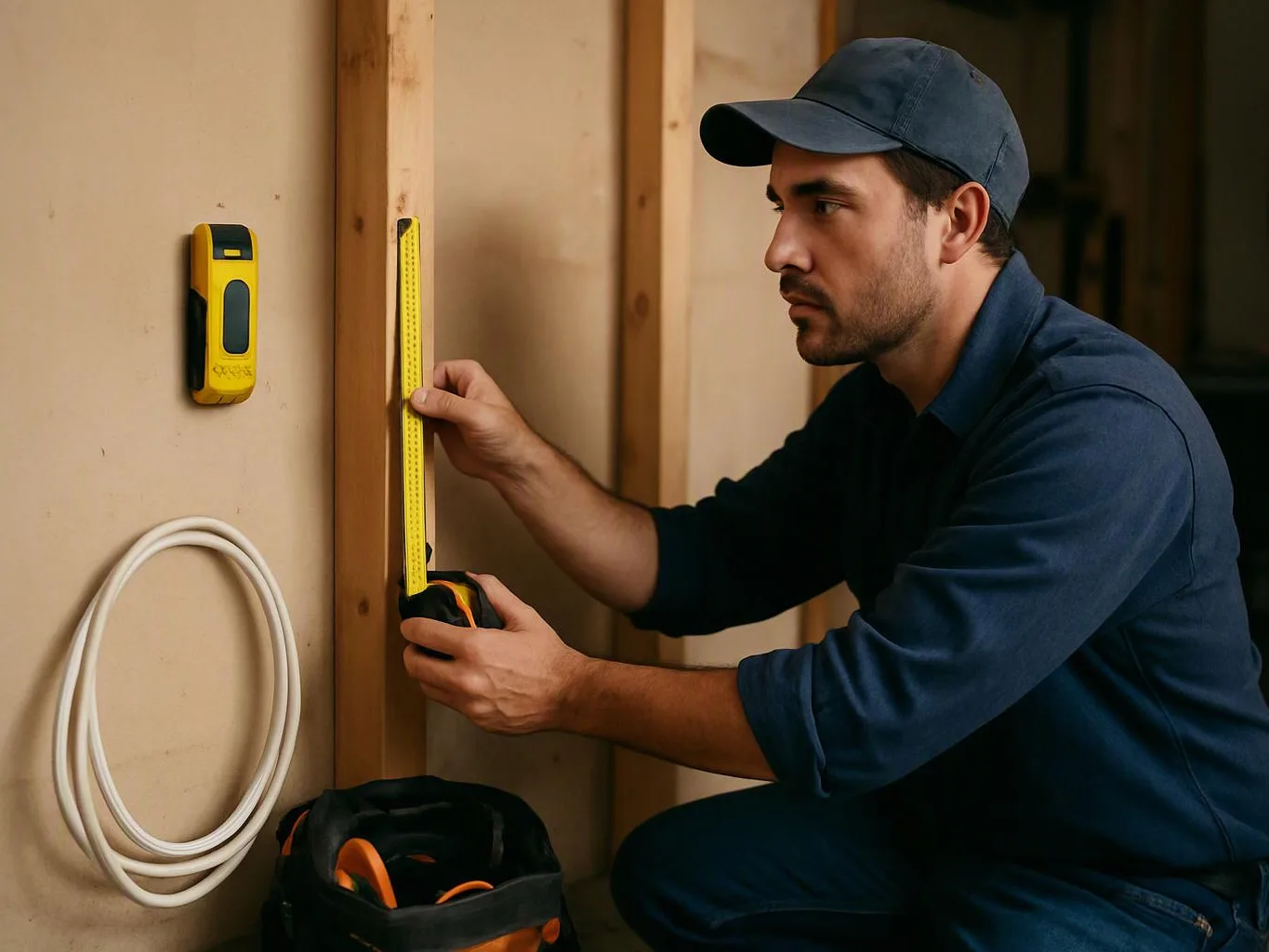
A man in a cap measures a wooden stud inside an unfinished wall with a yellow tape measure

ZIP Codes We Serve in Franklin, Indiana

46131

Bidirectional charging system troubleshooting in Other Areas

(317) 608-1220