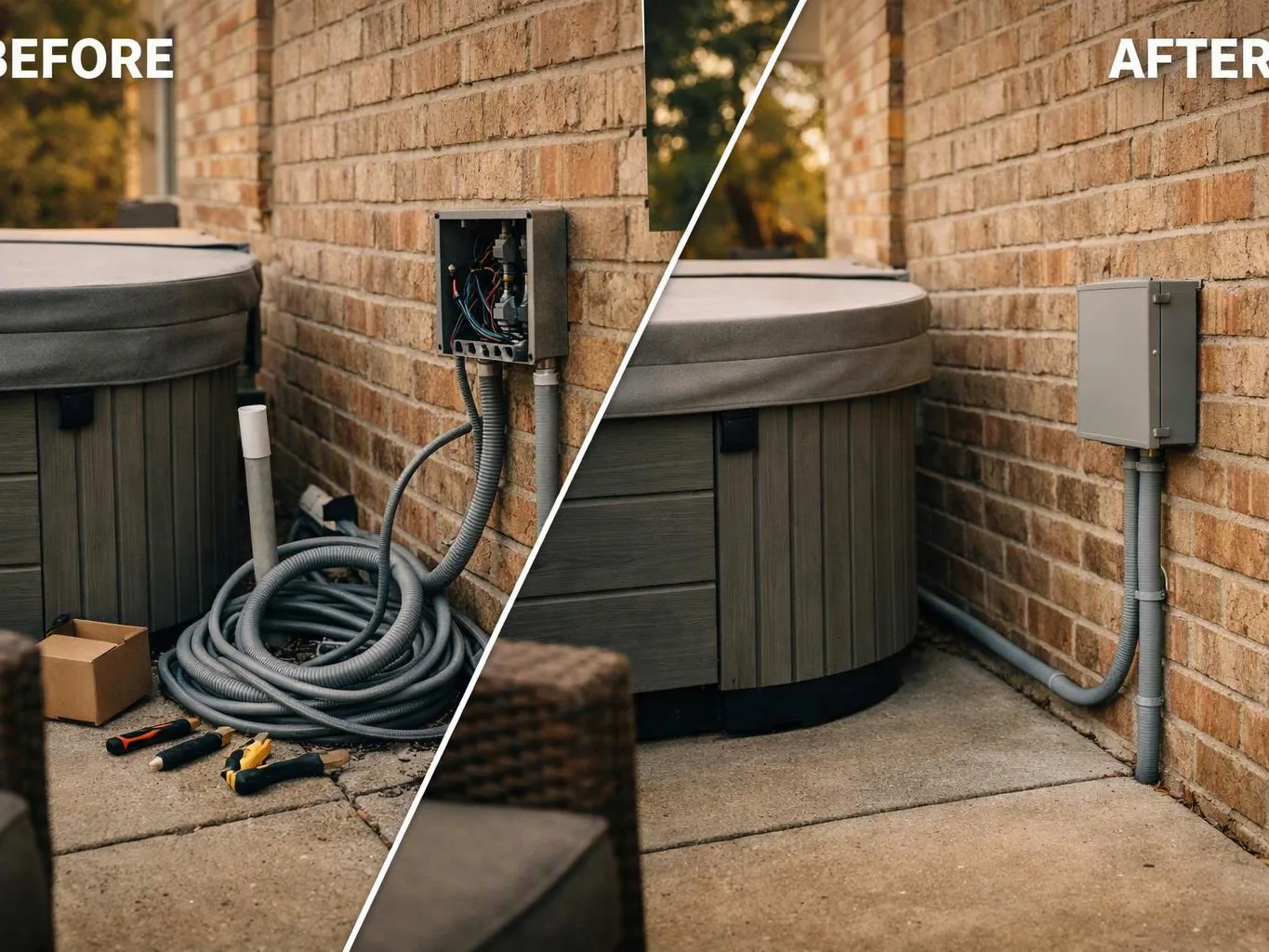

Review the property and backup goals
We discuss the loads you want to protect and inspect the existing electrical panel. This first review shows whether the planned connection fits the property.
We install generators for homes and businesses across Indianapolis. Our electricians connect the generator to the electrical system and check safe operation.
Backup circuits match the loads your property needs most.
A transfer switch controls the change between utility power and generator power.
Load planning helps prevent an oversized or undersized electrical connection.
Testing confirms that the connected circuits receive power as planned.
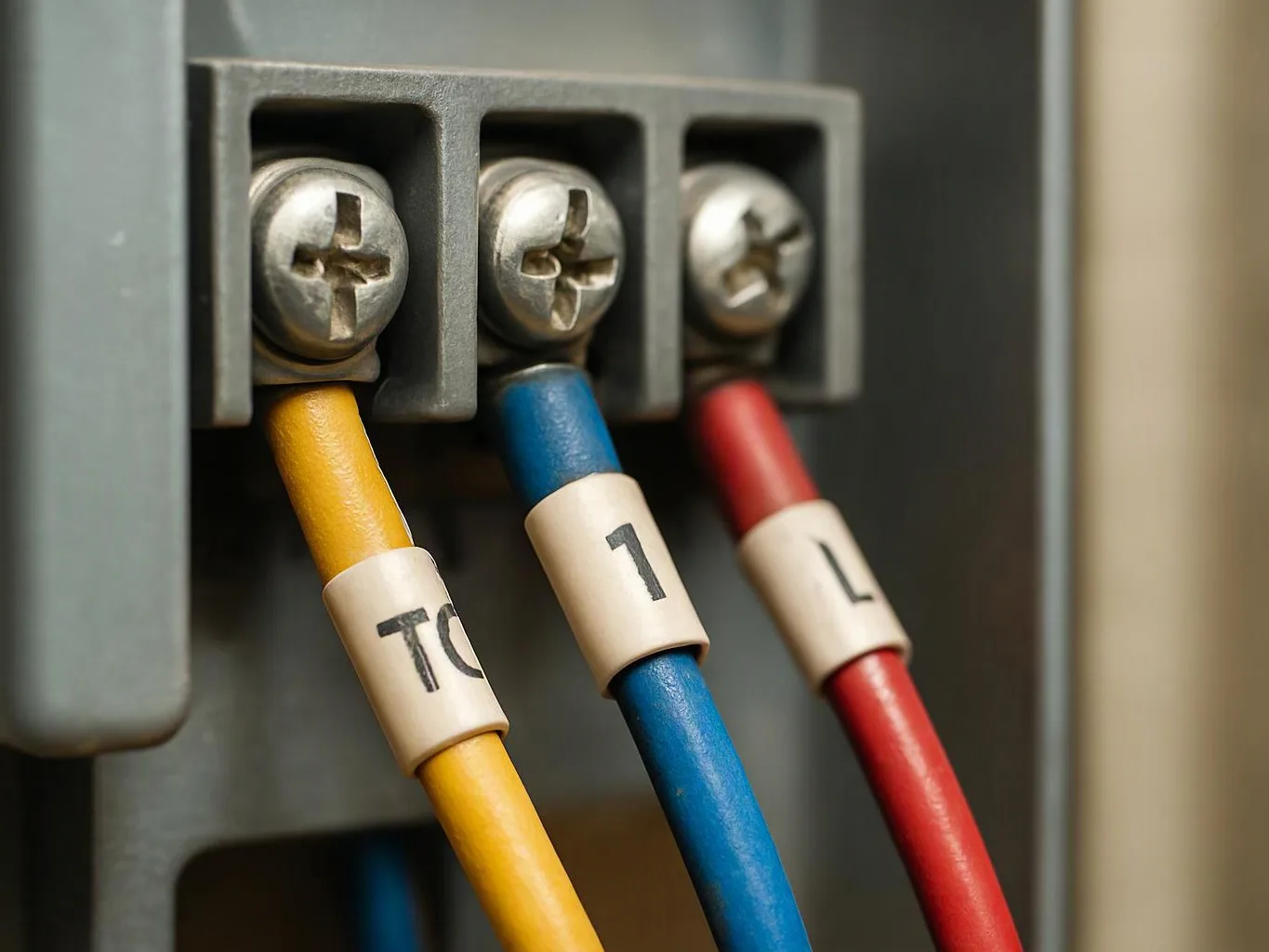
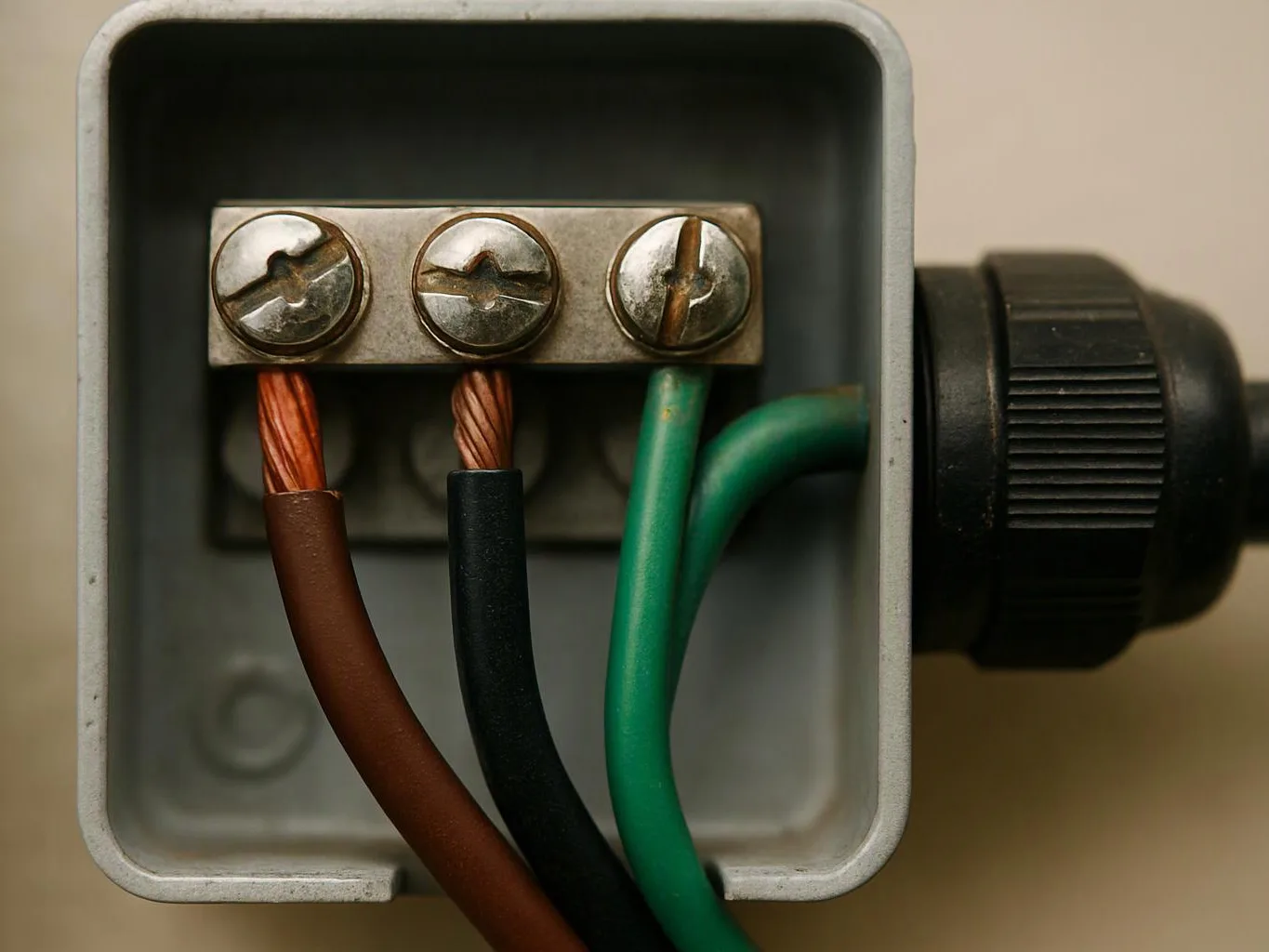
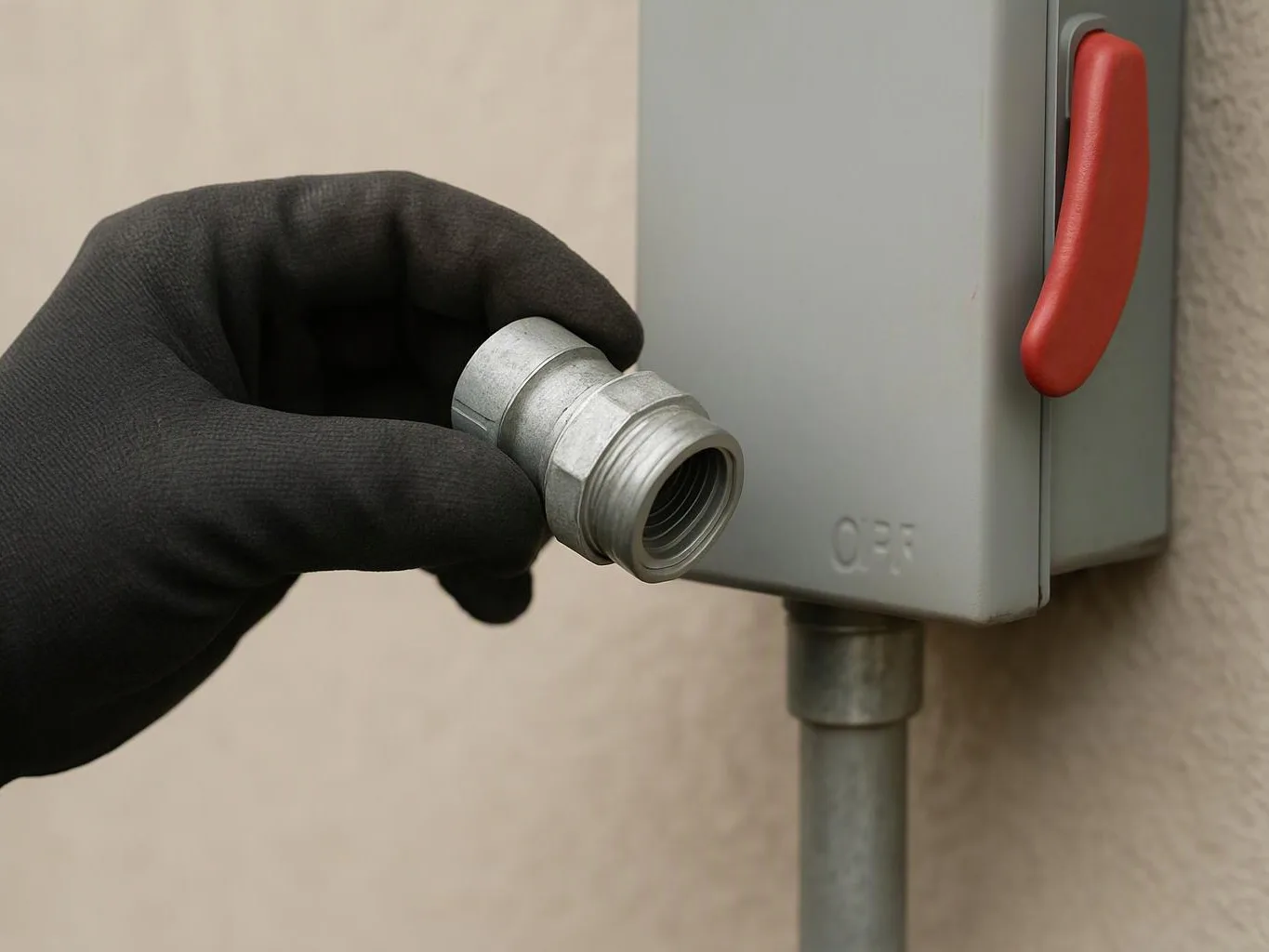
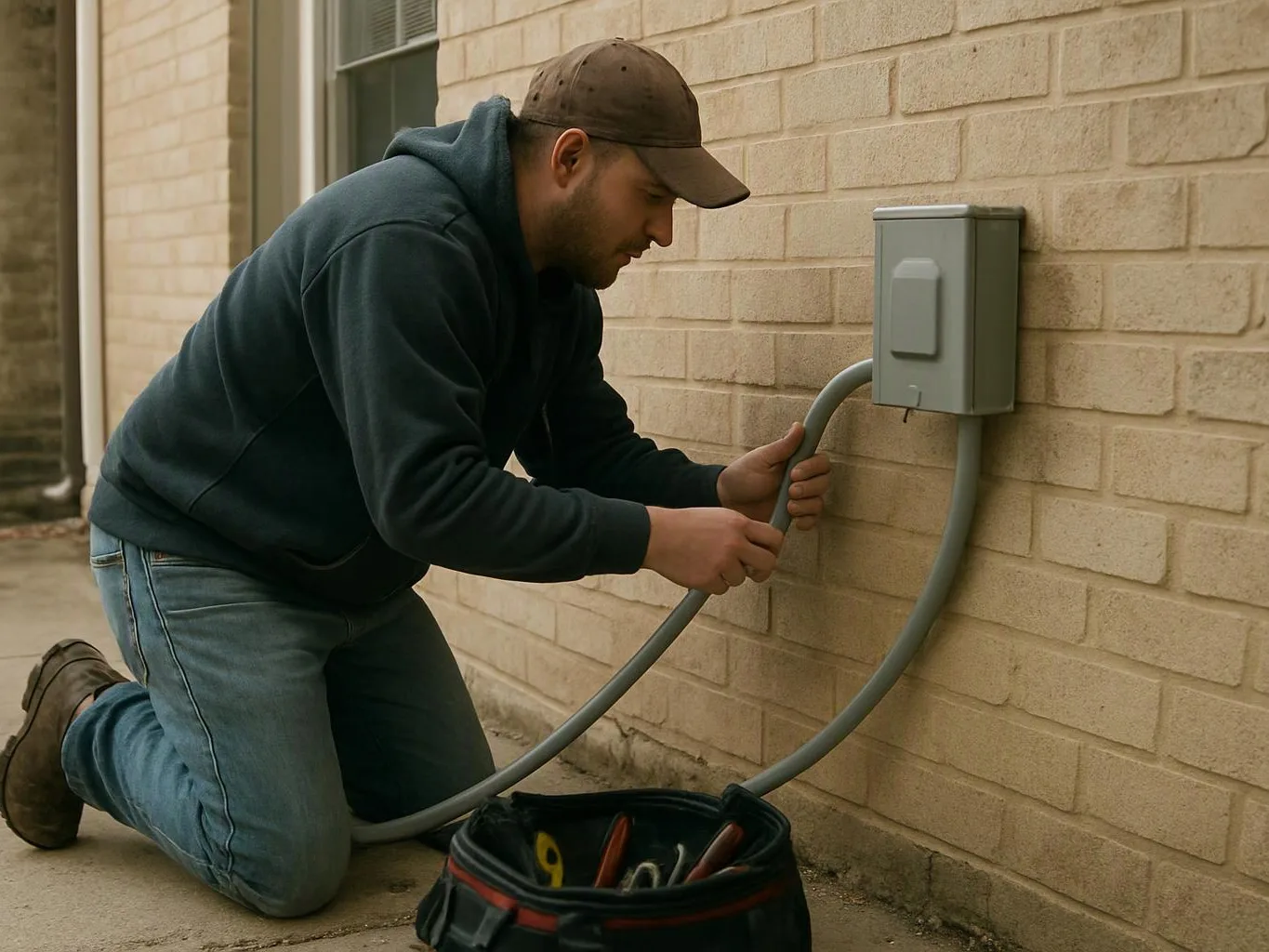
Generator installation links the generator, transfer switch, electrical panel, and selected circuits. We begin by learning which loads matter most, such as refrigeration, heating controls, medical equipment, or business systems. A load calculation helps match the generator connection to the property's electrical demand. We inspect the panel, review circuit paths, and plan where backup power should go. The work may also involve grounding, outdoor equipment placement, and a safe route for electrical conductors. Buyer fit matters. A standby system suits properties that need automatic backup for selected loads or larger electrical needs. A smaller portable unit has different connection needs and should not be treated like a permanent standby installation. We explain the system scope before work begins and provide a free estimate. Our electricians complete testing after the connection is installed. The test checks transfer operation, circuit power, panel behavior, and the generator's electrical feed.
Generator Installation is an electrical service that connects a standby generator to a property's power system.
A few details help us size the work and plan the electrical connection.
We discuss the loads you want to protect and inspect the existing electrical panel. This first review shows whether the planned connection fits the property.
We assess the electrical demand of the selected circuits and the generator connection. The result guides the transfer switch, conductors, and panel work.
We set the connection plan for the generator, transfer switch, grounding path, and backup circuits. We explain the work before beginning the electrical service.
Our electricians install and connect the needed electrical parts, then check circuit paths at the panel. We keep the work area orderly as the installation progresses.
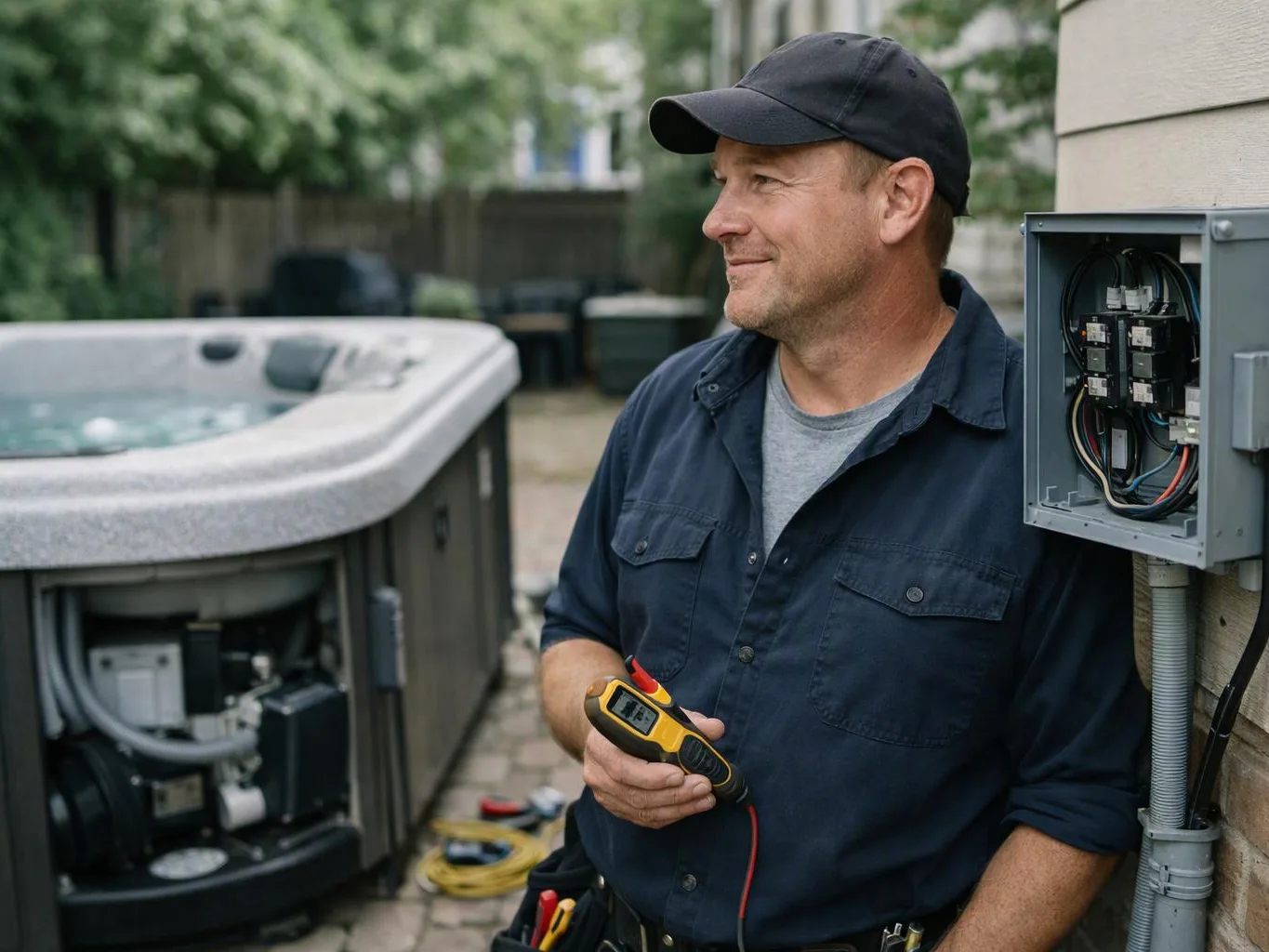
We test the transfer switch and confirm that the selected circuits receive generator power. We explain the completed setup and any operating steps that matter.
We assess the panel, backup circuits, and electrical load before recommending the generator connection.
We explain the transfer switch, selected circuits, and testing steps before beginning generator installation.
We test the generator feed, transfer switch, panel connection, and selected circuits after installation.
Request your estimate for generator installation and tell us about your property and backup needs; urgent requests get priority scheduling.
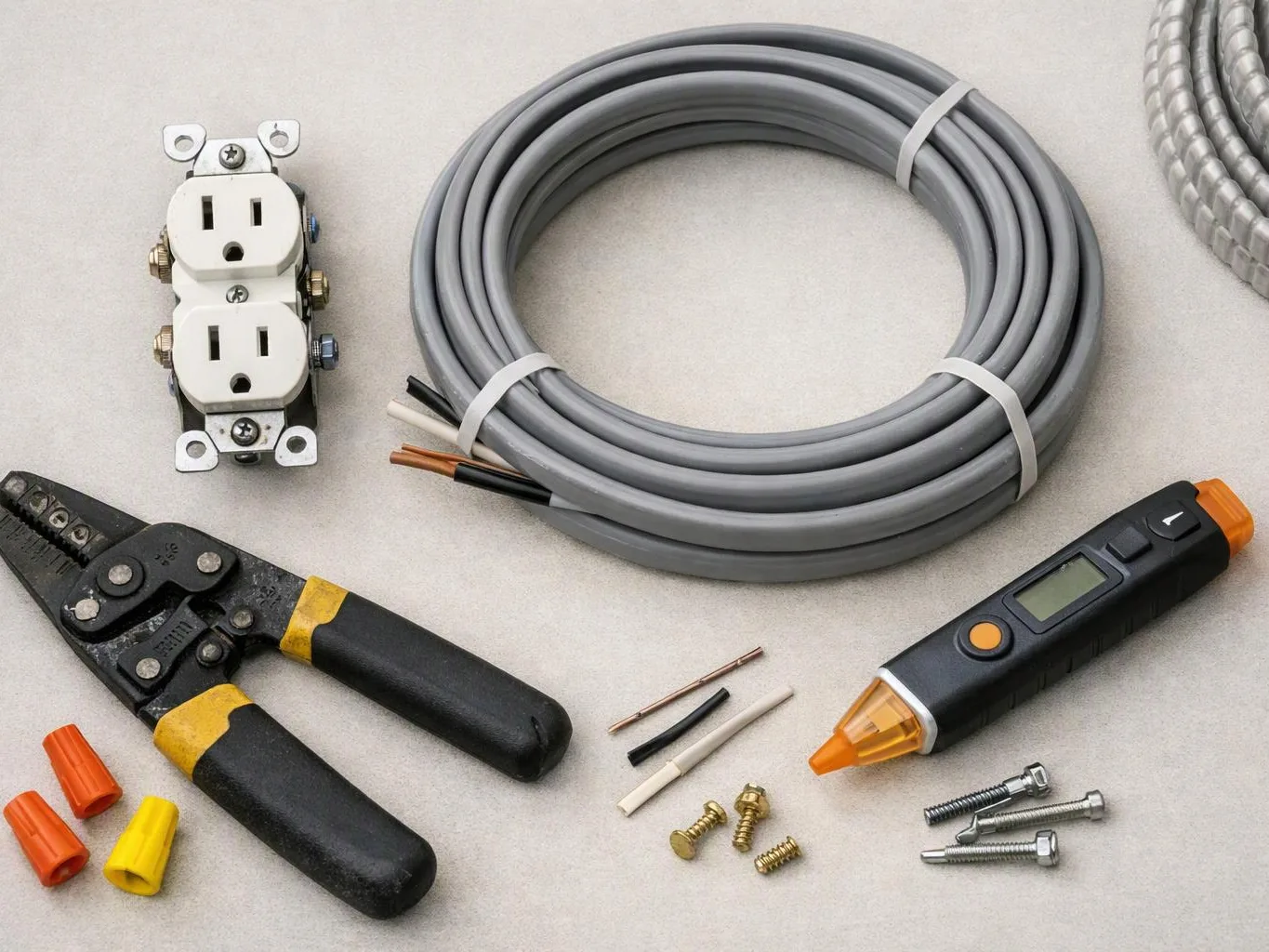
A homeowner wants backup power for key circuits during an outage. The main decision is whether the generator should serve selected loads or a larger portion of the panel. We inspect the panel, review the desired circuits, and complete a load calculation before preparing the installation plan and free estimate.
A business owner needs power for equipment, lighting, security, or other important systems. The installation must match the electrical demand and keep the backup circuits clearly defined. We review the panel and business loads, then explain the transfer switch plan before work begins.
A property already has a generator, but the system does not power the expected circuits. The cause may involve the transfer switch, circuit selection, panel wiring, or an overload. We inspect and test the connection, isolate the fault, and explain whether repair or new installation work fits the property.