Skip to content

Bidirectional Charging System Troubleshooting in Broad Ripple, Indiana

Backup panel faults can leave a home without planned backup power in Broad Ripple. We check the charging path and control equipment to find the source.

Licensed & InsuredFree EstimatesSame-Day ServiceServing 41 Communities

Quick Summary: Bidirectional charging system troubleshooting in Broad Ripple, Indiana

Bidirectional charging system troubleshooting in Broad Ripple is provided by GMB Electric for charging faults, power-transfer problems, and related electrical checks. We serve Indianapolis and surrounding communities, with electricians available 24 hours for emergencies.

  • What we do: GMB Electric provides Bidirectional charging system troubleshooting for homes and businesses in Broad Ripple, Indiana.
  • What is included: We check backup panels, bidirectional inverters, energy management controls, and charging connectors.
  • What you get: The charging system has a clear fault path and a defined repair or replacement decision.

Why does my charging system keep losing backup power in Broad Ripple, Indiana?

Repeated backup power loss can come from the backup panel, inverter, energy controls, or charging connector. GMB Electric checks each part and traces the fault before recommending the next repair step.
Bidirectional charging system troubleshooting for Broad Ripple properties

Bidirectional charging system troubleshooting focuses on systems that charge a vehicle and send stored power back to a property. The work suits owners who see charging errors, lost backup power, failed transfer, or unclear system warnings.

The key decision is whether the fault sits in the charging connector, bidirectional inverter, energy management controls, or property wiring. We isolate the affected part, test the related circuits, and explain whether the next step is a repair, an adjustment, or further equipment assessment.

This page serves a focused need beyond general electrical repair. It addresses power flow between charging equipment and the property, not just a dead outlet or a tripped breaker.

  • Identify whether the fault starts at the vehicle, charging connector, inverter, controls, or property circuit.
  • Check how the system handles charging and power transfer.
  • Separate an equipment fault from a property wiring problem.
  • Explain the repair scope before work proceeds.
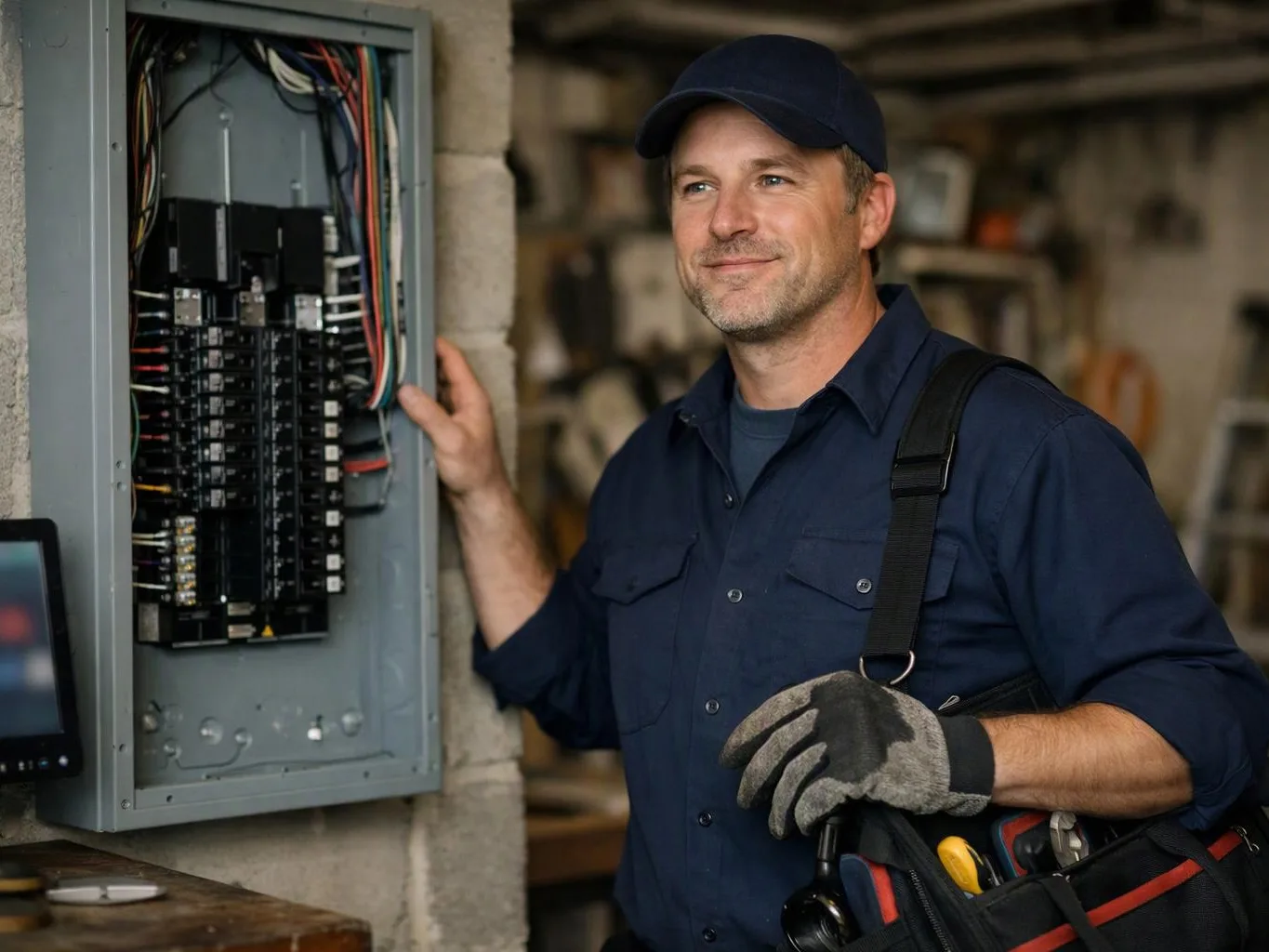
A smiling electrician stands beside an open breaker panel, wearing a cap and gloves in a workshop garage

Service Overview

Bidirectional charging system troubleshooting is a service that checks equipment moving power between an electric vehicle, a property, and a backup circuit.

  • It differs from standard EV charging repair because the system must manage power in both directions and coordinate with energy controls.
  • GMB Electric provides this service for homes and businesses in Broad Ripple.

How we approach charging system troubleshooting

We trace the full power path

The inspection follows power from the charging connector through the bidirectional inverter and energy controls to the property circuit. A standalone outlet repair is the wrong job when the fault involves two-way power transfer.

We separate equipment from wiring

Circuit testing helps show whether the issue belongs to charging equipment or the building's electrical system. That distinction keeps the repair scope focused.

Licensed and insured electrical work

Our licensed and insured electricians handle the electrical checks and explain the findings in plain language.

Process

How we trace a bidirectional charging fault

1

Record the system symptoms

We note the warning, failed function, and point where charging or power transfer stops.

2

Inspect the connected equipment

We check the backup panel, bidirectional inverter, energy controls, charging connector, and visible wiring.

3

Trace the affected circuit

Circuit tracing helps separate a property wiring fault from a charging equipment problem.

4

Test the power path

We test relevant connections and controls where safe access allows, then compare the results with the reported fault.

5

Explain the repair scope

We provide a free estimate and describe the supported repair, added electrical work, or further equipment assessment.

What bidirectional charging troubleshooting includes

GMB Electric provides comprehensive Bidirectional charging system troubleshooting in Broad Ripple. Here's what you get:

  • We inspect the backup panel and related circuits for signs of an electrical fault.
  • We check the bidirectional inverter and its connection to the property.
  • We review energy management controls that direct charging and backup power.
  • We examine the charging connector for damage, loose connections, or charging interruptions.
  • We trace the affected circuit and test equipment connections where access allows.
  • We provide a clear estimate for the supported repair or follow-up work.

What this charging system check helps you decide

A structured fault check helps separate equipment trouble from property wiring issues.

Testing the power path gives you a clearer repair decision.

Early attention to charging faults can help prevent repeated system shutdowns.

You get a written scope for the work covered by the estimate.

The assessment supports safer use of stored vehicle power for the property.

Charging equipment faults and property circuit faults

The table shows the main decision point when a bidirectional system stops working.

Fault areaWhat the symptom may involveWhat we check
Charging connector faultCharging warnings or an interrupted connectionConnector condition, contacts, and related wiring
Bidirectional inverter faultCharging works but power transfer failsInverter connections, controls, and power path
Property circuit faultBackup loads lose power or a circuit tripsPanel connections, circuit path, and affected loads

The GMB Electric Standard

  • Careful Assessment
  • Clear Explanations
  • Safe Practices
  • Orderly Work Areas

Questions about bidirectional charging system troubleshooting

What equipment is checked during bidirectional charging troubleshooting?

GMB Electric checks the backup panel, bidirectional inverter, energy management controls, charging connector, and related circuits.

  • The backup panel and circuit connections
  • The inverter power path
  • Energy control signals
  • The charging connector and visible wiring

Testing helps separate equipment trouble from a property wiring fault.

How is the charging system matched to the property before work starts?

The property match starts with the connected circuits, available access, charging equipment, and intended backup loads. We review those details before setting the repair scope.

A system that serves selected backup loads needs a different check from one tied to broader property circuits. We use the equipment layout and reported fault to decide which points require testing.

Which property condition changes the troubleshooting work?

Restricted access to the panel, inverter, controls, or charging connector changes the work needed for troubleshooting. Clear access lets us inspect connections and trace the affected circuit safely.

Electrical damage, exposed conductors, or signs of heat also change the order of the inspection. We explain any added access or safety step before work proceeds.

What should I ask before agreeing to this electrical troubleshooting?

Ask which equipment will be checked, what testing the estimate includes, and what repair decision follows the diagnosis.

  • Which warning or failure will the inspection address?
  • Will the inverter and energy controls be checked?
  • Will property wiring be separated from equipment faults?

These questions help you compare the stated scope with the problem you need solved.

When should I stop using the charging system?

Stop using the system when you see smoke, sparking, a burning smell, unusual heat, or repeated electrical shutdowns. Move away from damaged equipment and request urgent electrical help.

Do not open energized equipment or keep resetting a fault that returns. Our electricians can assess the affected circuit and explain the safe next step.

How does a connector fault differ from an inverter fault?

A connector fault starts at the vehicle connection or charging interface, while an inverter fault affects power conversion or transfer into the property.

The warning alone does not prove which part failed. We inspect the connector first, then trace the circuit and check the inverter connection when the fault continues.

What information should I provide when requesting an assessment?

Provide the warning message, the failed function, and whether the vehicle still charges normally. Photos of the equipment label and visible connections can help when taken safely.

Do not remove covers or touch damaged wiring to gather information. We can review the accessible details and identify the equipment that needs inspection.
Contact

Request a free estimate for charging system troubleshooting

Tell us which equipment is failing so we can outline the first assessment, and urgent requests get priority scheduling.

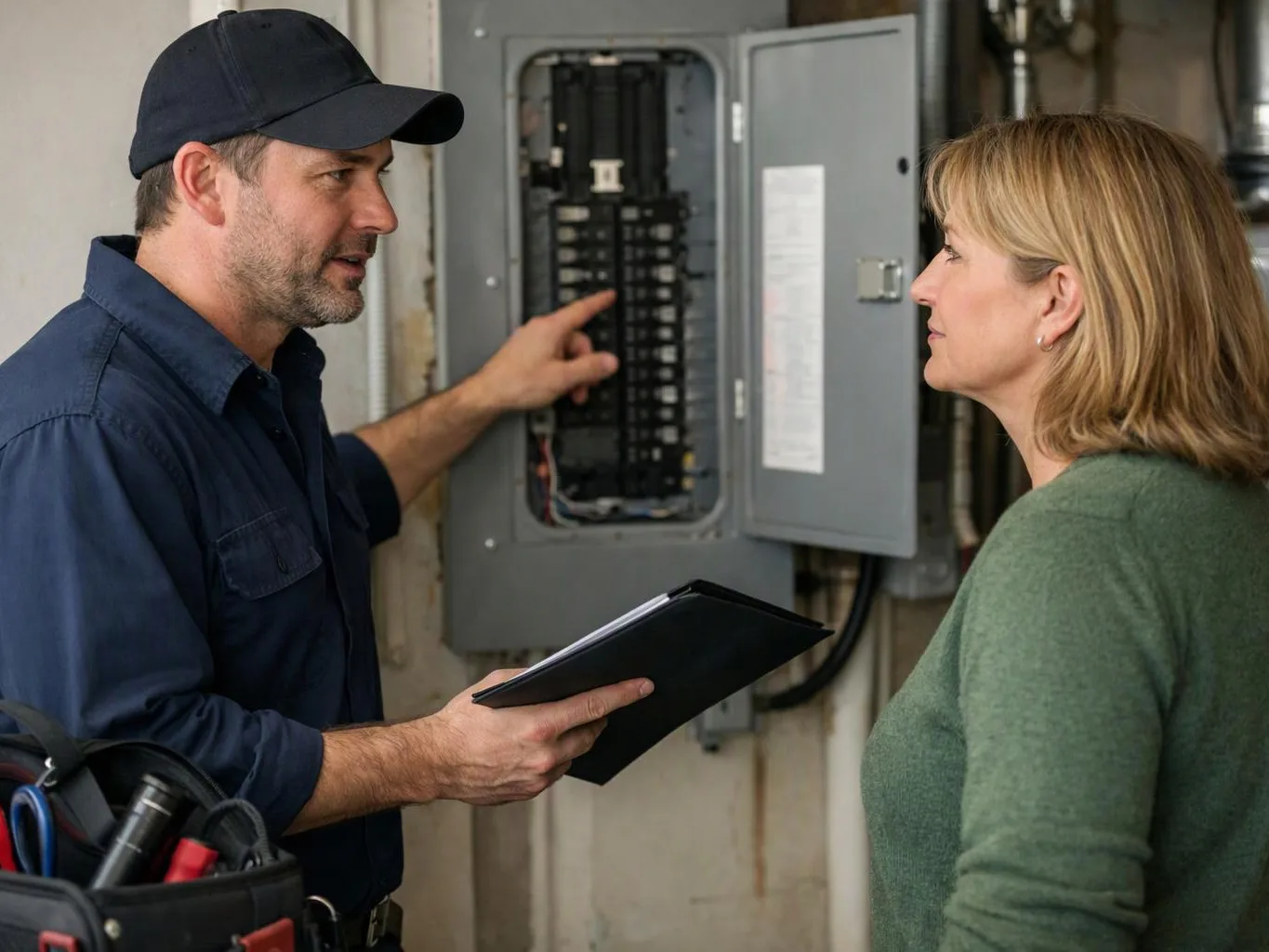
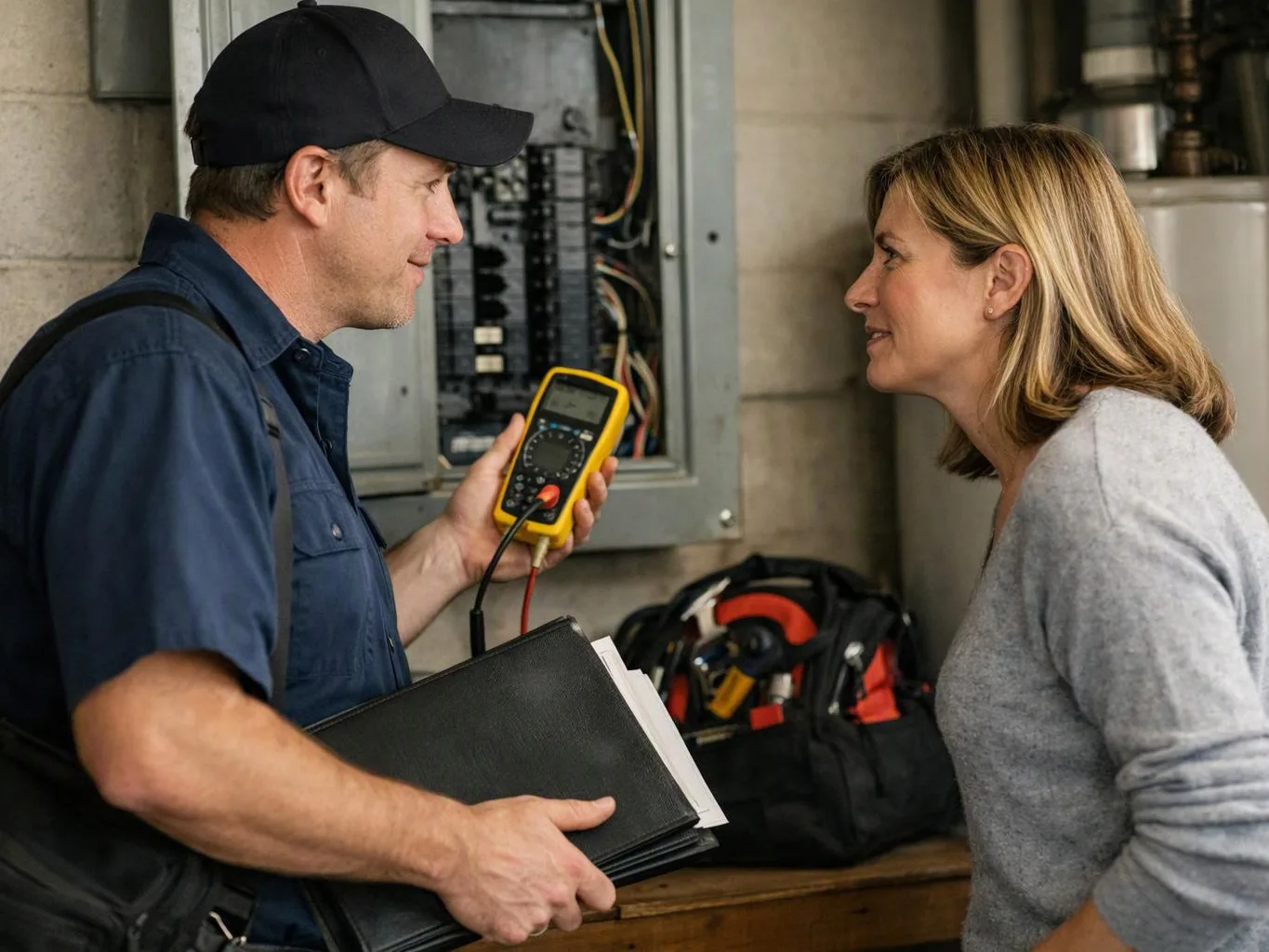
A technician holds a multimeter and folder while talking to a woman beside an open electrical panel in a utility room

Bidirectional charging system troubleshooting in Other Areas

(317) 608-1220