Skip to content

Bidirectional Charging System Troubleshooting in Meridian Hills

The bidirectional inverter decides whether the system needs deeper testing in Meridian Hills. We check related controls and connections when charging or backup power does not work as expected.

Licensed & InsuredFree EstimatesSame-Day ServiceServing 41 Communities

Quick Summary: Bidirectional charging system troubleshooting in Meridian Hills, Indiana

Bidirectional charging system troubleshooting in Meridian Hills is provided by GMB Electric for inverter, connector, energy management, and backup panel concerns. We serve Indianapolis and surrounding communities with residential and commercial electrical services, including emergency assistance.

  • What we do: GMB Electric checks bidirectional charging equipment and related electrical connections for customers in Meridian Hills, Indiana.
  • What is included: We inspect the bidirectional inverter, energy management controls, charging connector, and backup panel.
  • What you get: The customer receives a clear diagnosis of the equipment that needs repair, testing, or further electrical work.

What equipment is checked during bidirectional charging troubleshooting?

The bidirectional inverter is checked first, followed by the energy management controls, charging connector, and backup panel. These parts coordinate power flow between the vehicle, property, and backup loads. We also look for loose connections, damaged wiring, breaker issues, and signs that the electrical system needs a broader inspection.
Supporting Clients Across Meridian Hills

Bidirectional charging system troubleshooting focuses on the parts that control two-way power flow. The work suits property owners who see charging faults, backup power problems, warning messages, or unexplained shutdowns.

Customers need to know whether the fault sits in the bidirectional inverter, the energy management system, the charging connector, or the backup panel. We inspect the related electrical path and explain whether the next step is a repair, testing, or a broader service call.

This page serves buyers who need equipment-specific diagnosis, not a general outlet repair or a standard lighting visit. The right decision is to request an assessment when the system affects backup power or keeps stopping during use.

  • Check the bidirectional inverter and its electrical connections.
  • Trace the energy management controls that direct power flow.
  • Inspect the charging connector for visible damage or poor contact.
  • Review the backup panel and related breakers.
  • Test the affected circuit after the fault is isolated.
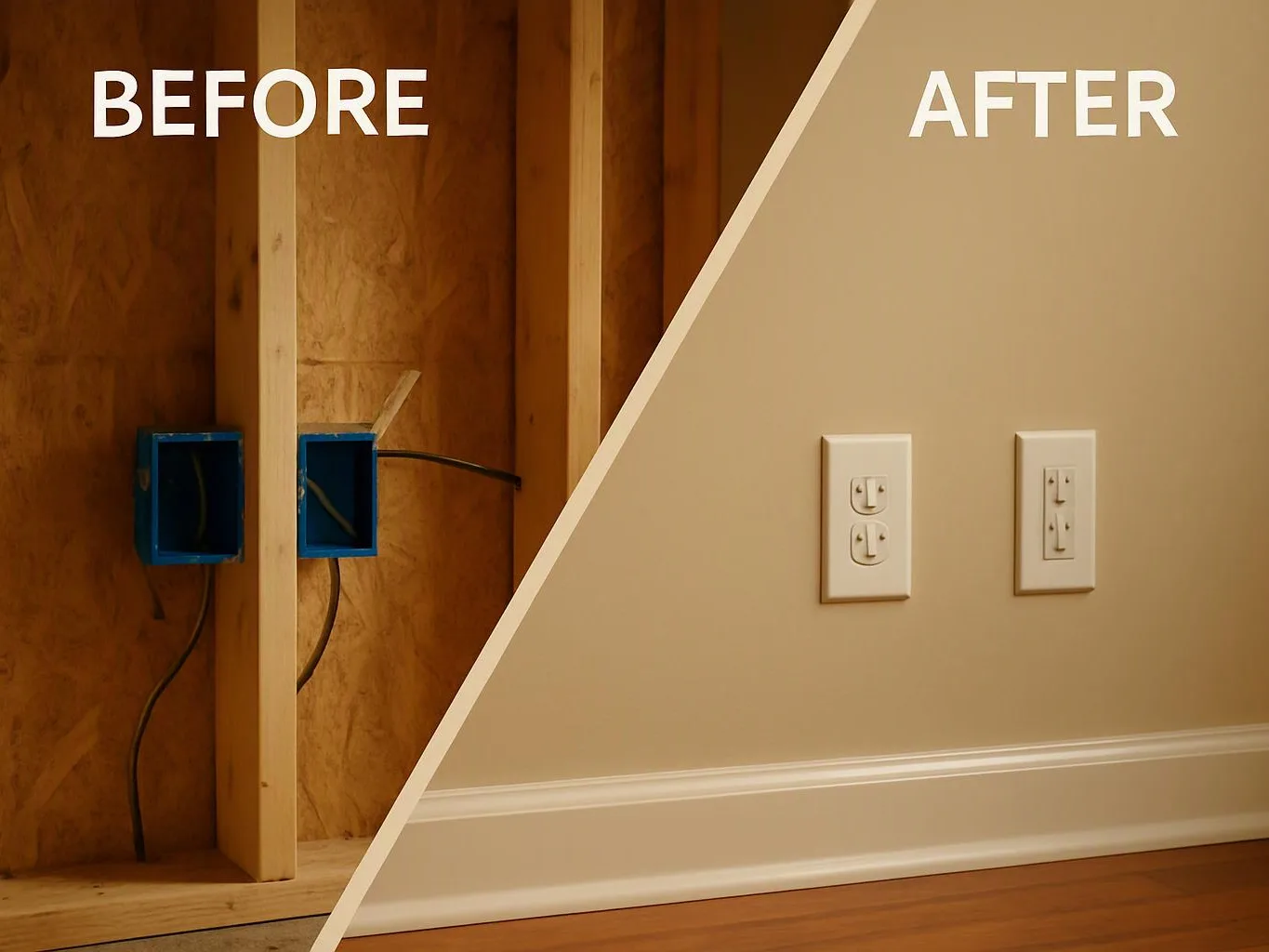
Split before-and-after view of wall wiring boxes and finished electrical outlets in a room with wood flooring

Service Overview

Bidirectional charging system troubleshooting is a diagnostic service that checks equipment moving power between an electric vehicle and a property.

  • It differs from standard EV charging work because the inspection also covers power flow back to the property and backup loads.
  • GMB Electric provides this service for residential and commercial properties in Meridian Hills.

A situation this service fits

A typical property owner may report that vehicle charging stops while backup loads remain unavailable. We check the bidirectional inverter, trace the energy management controls, inspect the charging connector, and review the backup panel. If the issue reaches the property's main electrical equipment, we explain the broader repair scope before work proceeds.

What customers get from this charging system diagnosis

A clear equipment decision

Customers receive a diagnosis tied to the actual parts checked, including the inverter, controls, connector, or backup panel. This service is the wrong fit when the problem is only a utility outage outside the property.

Electrical scope that matches the fault

We connect the charging symptom to the relevant circuit and panel work. Customers get a more useful repair discussion than a general label such as system failure.

Safe handling of backup circuits

Backup loads need careful testing because a fault can affect more than vehicle charging. We review the related breakers and wiring before discussing the next work step.

Process

How we check bidirectional charging equipment

1

Record the reported symptom

We note what stopped working, when the fault appears, and whether charging or backup power is affected.

2

Inspect the bidirectional inverter

We examine the inverter, visible connections, warning conditions, and nearby electrical equipment for signs of a fault.

3

Trace the control path

We follow energy management wiring and related circuits to see how the system directs power.

4

Check the connector and panel

We inspect the charging connector and backup panel, including breakers and accessible wiring tied to the symptom.

5

Test and explain the finding

We test the affected section when appropriate and explain whether the next step is repair, replacement, or broader electrical work.

What bidirectional charging troubleshooting includes

GMB Electric provides comprehensive Bidirectional charging system troubleshooting in Meridian Hills. Here's what you get:

  • We inspect the bidirectional inverter and its connection to the property electrical system.
  • We check energy management controls that direct power between the vehicle and the building.
  • We examine the charging connector for damage, wear, or poor contact.
  • We inspect the backup panel, breakers, and wiring serving protected loads.
  • We trace related circuits when the visible symptom does not identify the fault.
  • We explain the repair scope or further testing needed after diagnosis.

What this equipment check changes for you

A focused inspection helps separate an equipment fault from a wider electrical issue.

You learn which part needs attention before repair work is planned.

Testing the backup panel helps protect the circuits that matter during an outage.

Clear findings make it easier to decide between repair, replacement, or added electrical work.

The same review can identify unsafe connections that should not remain in service.

Equipment checked during charging system diagnosis

This table shows how each connected part relates to the reported charging or backup symptom.

EquipmentWhat we checkWhy it matters
Bidirectional inverterVisible condition, connections, and fault indicatorsIt controls the change between vehicle power and property power
Energy managementControl path and power direction settingsIt directs power to charging or selected property loads
Charging connectorContact points, damage, and connected wiringA poor connection can interrupt charging or trigger warnings
Backup panelBreakers, connections, and circuits serving backup loadsIt distributes power to the property circuits selected for backup

The GMB Electric Standard

  • Careful Assessment
  • Clear Explanations
  • Safe Practices
  • Orderly Work Areas

Questions about two-way charging equipment checks

Which equipment is checked first during bidirectional charging troubleshooting?

GMB Electric checks the bidirectional inverter first during this type of visit. We then inspect the energy management controls, charging connector, and backup panel. Each part affects how power moves between the vehicle and property. The reported warning or outage helps us decide which connections and circuits need closer testing.

Which part of the property decides the troubleshooting scope?

The electrical equipment connected to the charging system decides the troubleshooting scope. The service panel, backup panel, breakers, and wiring can expand the inspection beyond the charger. Customers receive an explanation of that scope before related electrical work is planned.

Which material changes how long this equipment check takes?

Existing wiring material and its condition can change the inspection work. Damaged insulation, aluminum conductors, loose terminals, or hard-to-trace circuits need closer checks. We identify the affected material and explain any added electrical work before moving past the equipment diagnosis.

How does a troubleshooting visit move from the first call to the last step?

The visit moves from symptom review to equipment inspection, circuit tracing, testing, and a repair discussion. We record the reported fault, inspect the inverter and connected equipment, then check the backup panel and wiring. Customers receive the next step after the affected point is identified.

When should I stop using a bidirectional charging system?

Stop using the system when you notice burning smells, sparking, heat, smoke, or a buzzing panel. Those signs can point to an electrical fire risk. We inspect the affected equipment and advise on the safe next step after the power source is made safe.

What should I provide before scheduling this electrical assessment?

A description of the warning, failed function, and affected equipment gives us a useful starting point. Photos of the charger, connector, inverter display, and panel can also help if they are safe to take. Do not remove covers or handle damaged wiring to gather information.

Who provides bidirectional charging system troubleshooting in Meridian Hills?

GMB Electric provides bidirectional charging system troubleshooting in Meridian Hills for residential and commercial properties. Our licensed and insured electricians inspect the charging equipment and related electrical system. We also serve Indianapolis and surrounding communities with emergency and everyday electrical services.
Contact

Request a Bidirectional Charging System Troubleshooting Estimate in Meridian Hills

Ask for an equipment assessment covering the inverter, controls, connector, and backup panel; urgent requests get priority scheduling.

A hard hat worker carries a tool bag beside a service truck in front of a house

Bidirectional charging system troubleshooting in Other Areas

(317) 608-1220