Can emergency electrical repair prevent further damage?
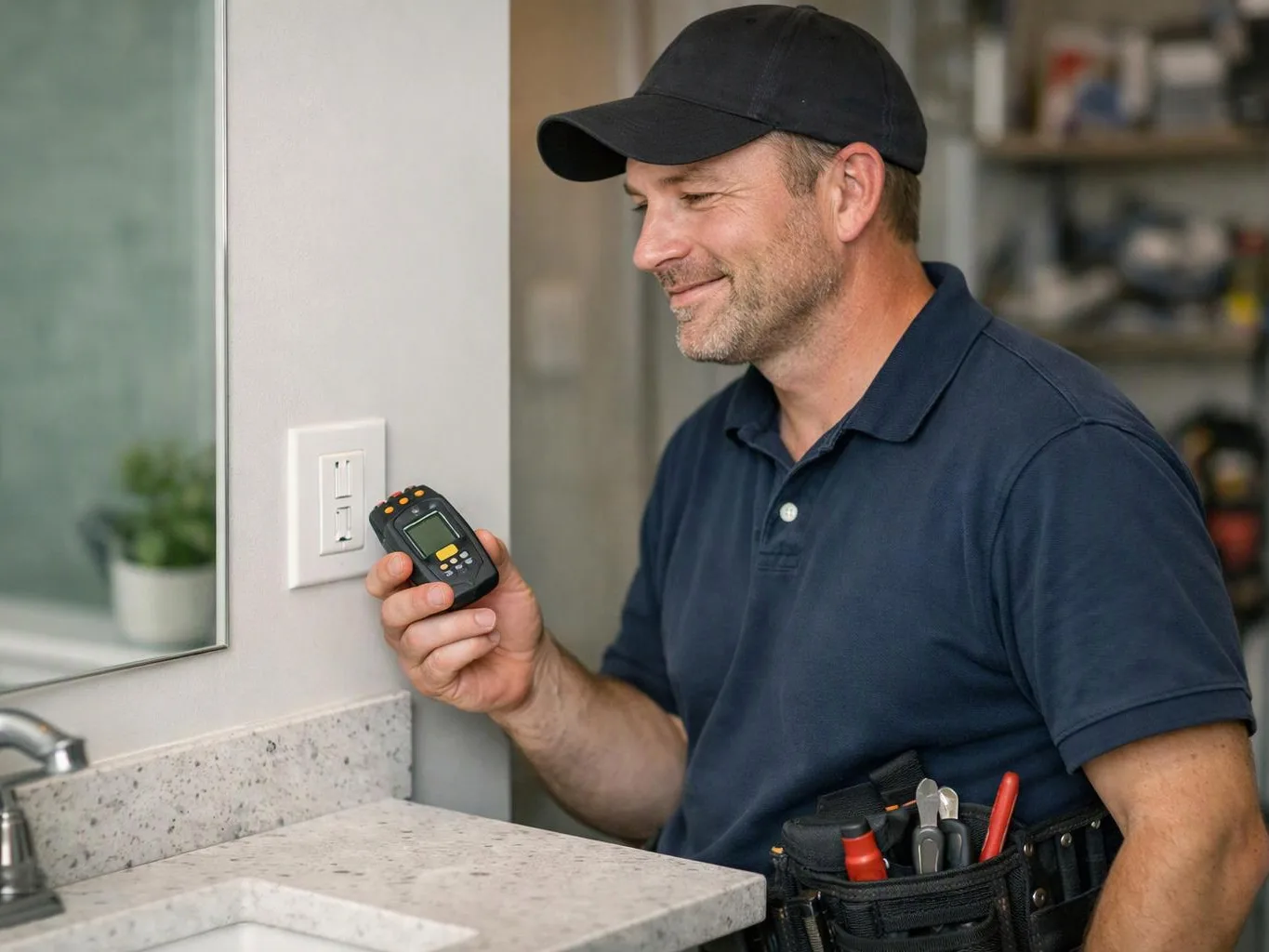
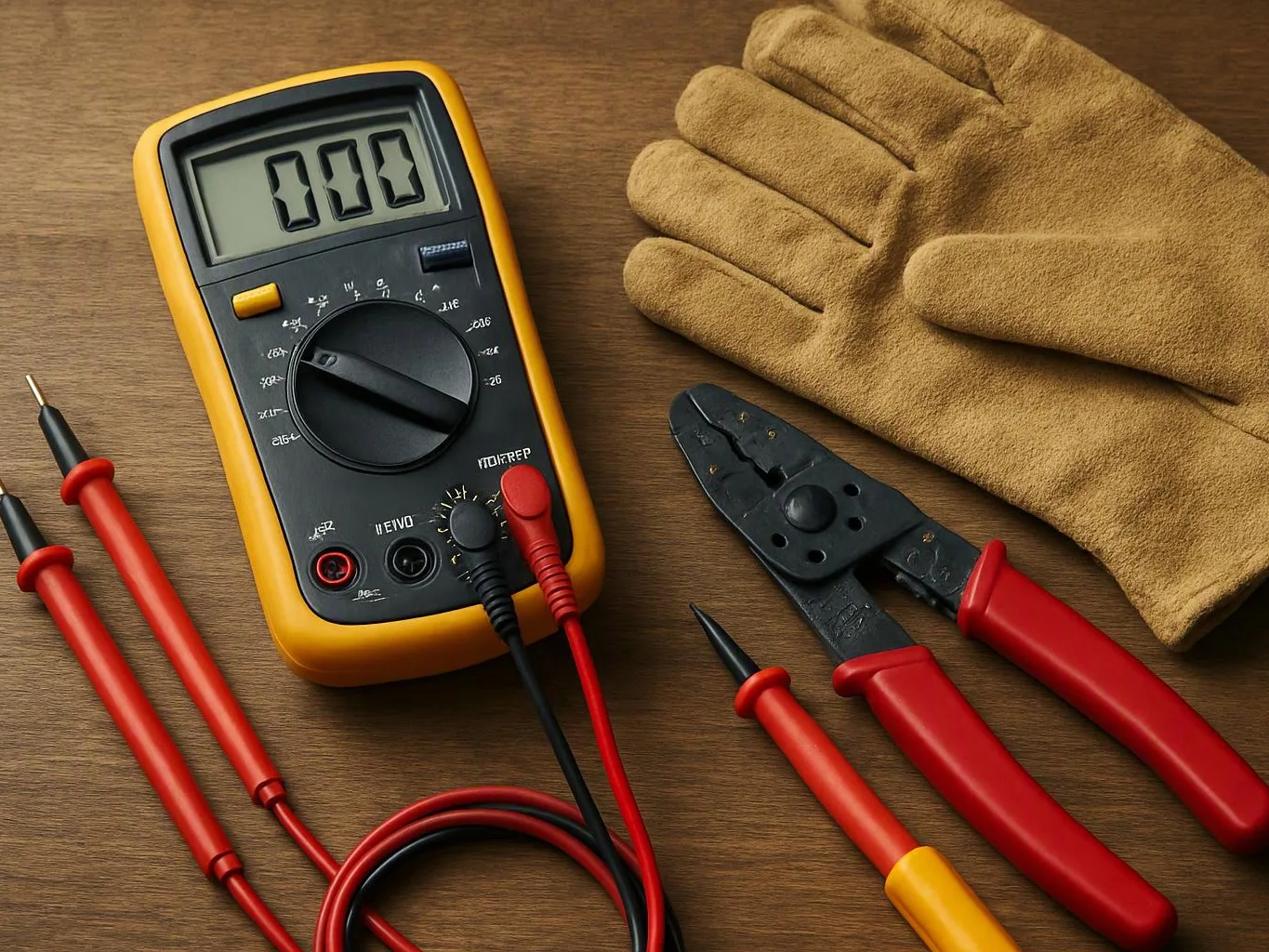
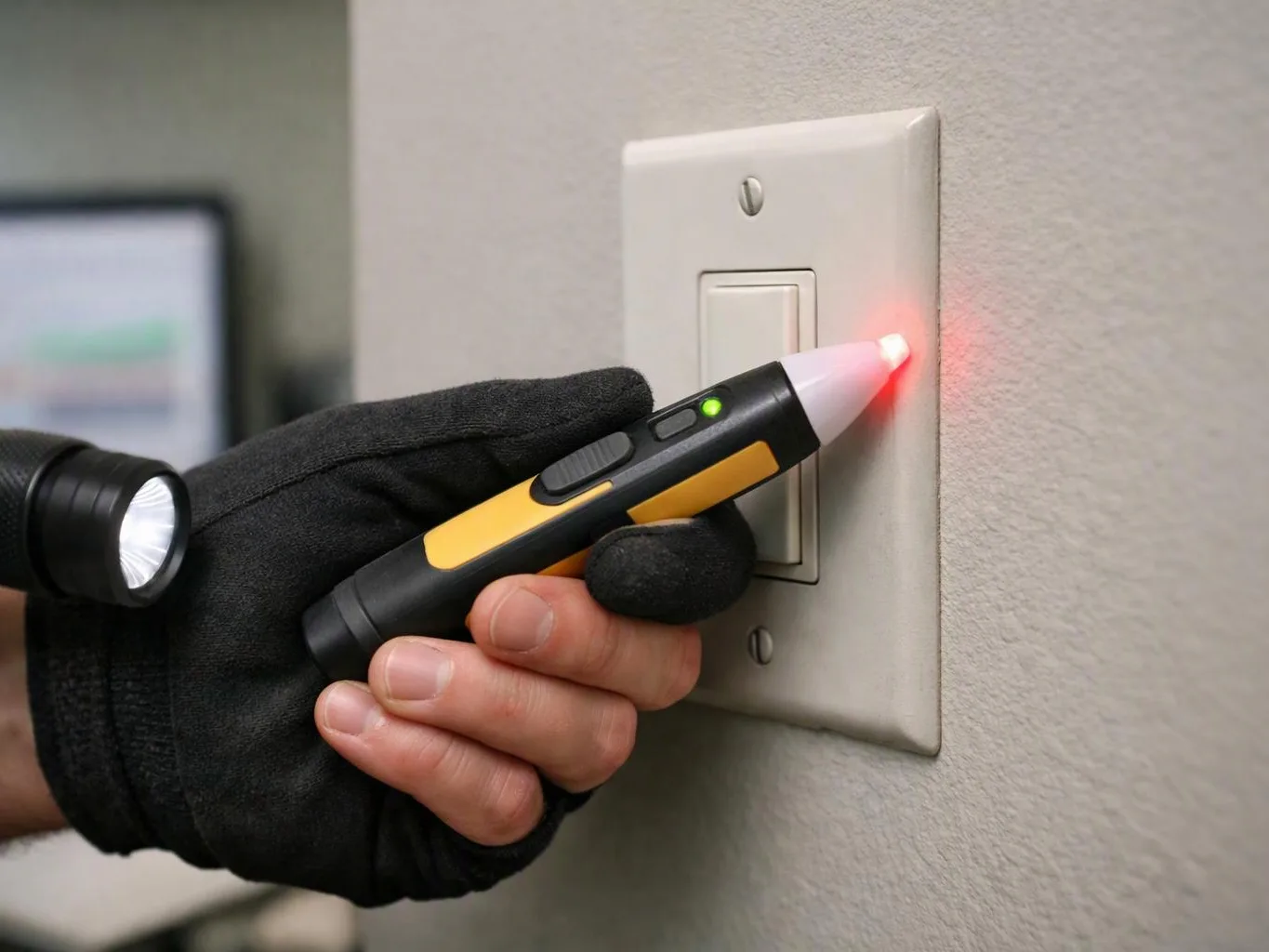
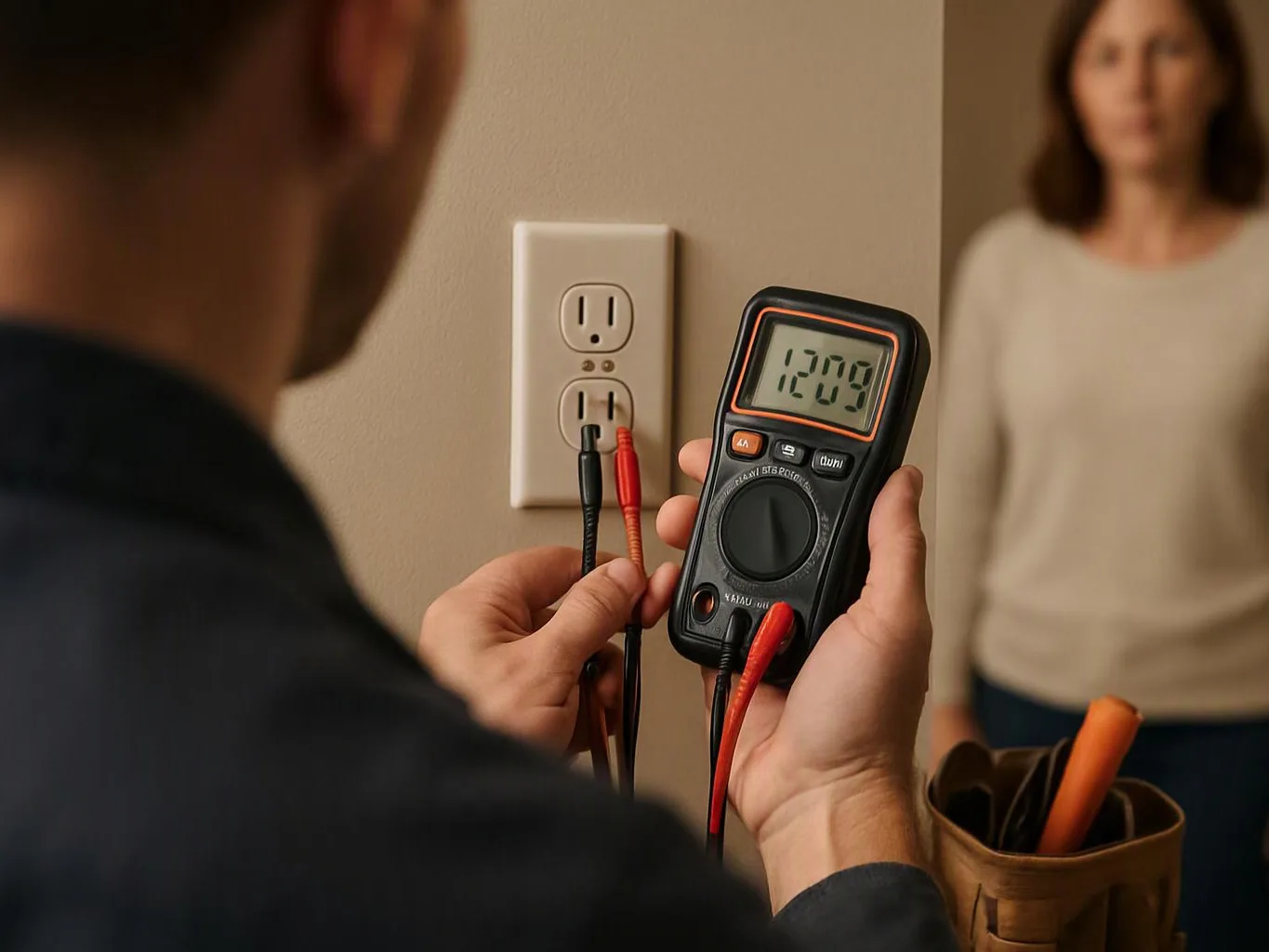
Load testing can help prevent further damage by identifying an active fault before repair work continues. We isolate the affected circuit, trace the problem, and check damaged wire or connections. A burning smell, buzzing panel, sparking outlet, or repeated breaker trip calls for urgent attention. GMB Electric provides this work for homes and businesses.
What should be checked before emergency repair is scheduled?
The affected circuit, warning signs, property type, and recent electrical changes should be checked before scheduling. Note whether the issue involves a dead outlet, flickering light, tripped breaker, heat, smoke, or sparks. Avoid opening panels or touching damaged wiring, and share these details during the request.
Who is a good fit for emergency electrical repair?
Emergency electrical repair fits property owners with active power loss, faulty wiring, sparking outlets, breaker problems, or other urgent electrical concerns. Planned lighting, fan, panel, generator, and rewiring projects need a scheduled service scope when no active fault is present. We can assess the problem and explain the appropriate next step.
What happens at each stage of emergency electrical repair?
The repair starts with symptom review, circuit isolation, fault detection, part repair, and testing.
- We record the affected areas and warning signs.
- We control power to the suspected circuit.
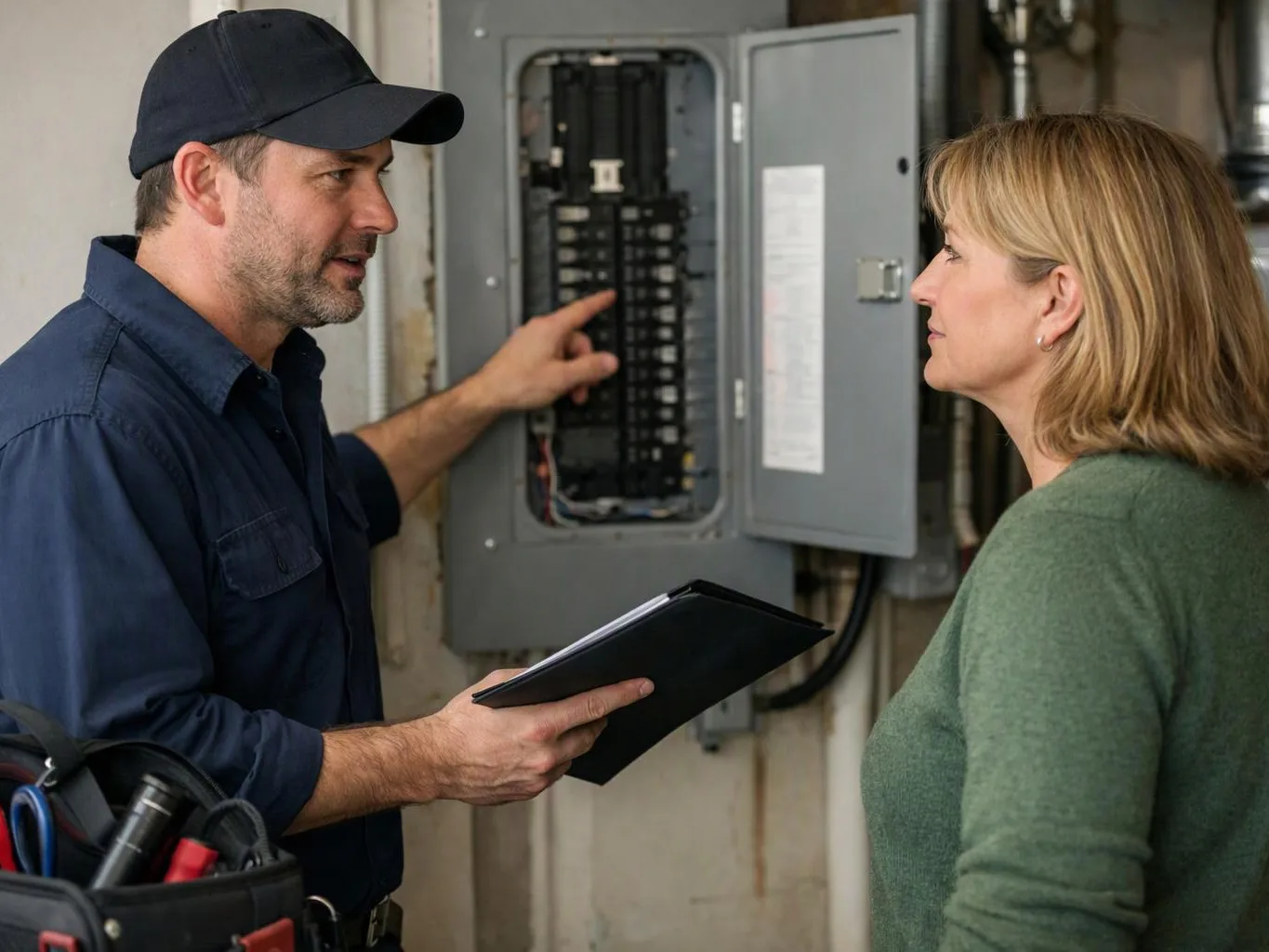
- We trace the fault and inspect related parts.
- We complete supported repairs and test the circuit.
Which electrical signs need urgent attention?
Burning smells, sparking outlets, buzzing panels, warm switch plates, and repeated breaker trips need urgent attention. These signs can point to heat, arcing, loose connections, or damaged wiring. Stop using the affected outlet or circuit, keep clear of exposed parts, and request an electrical assessment.
How does a power outage differ from an internal electrical fault?
A property-wide outage may involve the utility supply, while power limited to one circuit can indicate an internal fault. We inspect the property-side panel, breakers, and wiring when the issue is inside the building. If the utility supply is the cause, the utility company must address that part.
Why might a breaker trip again after it is reset?
A breaker may trip again because the circuit still has a fault, overload, damaged wire, or unsafe device connection. Repeated resets don't locate the cause and can leave the underlying issue active. We isolate the circuit, trace the fault, and explain whether repair or a wider electrical review fits.