How do electricians diagnose repeated power outages?
Fault tracing identifies repeated outages by linking symptoms to circuits, breakers, voltage readings, and panel condition. GMB Electric starts with the outage pattern, then checks the affected circuit and connected load. We inspect for loose connections, heat signs, and wiring faults before explaining the repair scope. The first FAQ answer names the lead method because it guides the diagnosis.
What should be ready before troubleshooting starts?
Property access, the electrical panel, and outage details should be ready before testing starts. Note which rooms lost power, which breakers moved, and what equipment was running. Keep pets and people away from damaged outlets or a buzzing panel. Photos can help explain visible signs, but they don't replace an on-site electrical check.
Which signs make a power problem urgent?
A burning smell, buzzing panel, sparking outlet, or warm switch plate makes an electrical problem urgent. Turn off the affected circuit if you can do so safely and keep clear of damaged parts. Our team handles electrical emergencies, while fire or smoke requires emergency services first.
Why might one breaker keep tripping?
A breaker may keep tripping because of an overloaded circuit, short, damaged wiring, or faulty connected equipment. Repeated resets can hide the condition and add risk. We inspect the breaker, trace the circuit, check voltage, and test the load before recommending repair or replacement.
Can this service identify a panel problem?
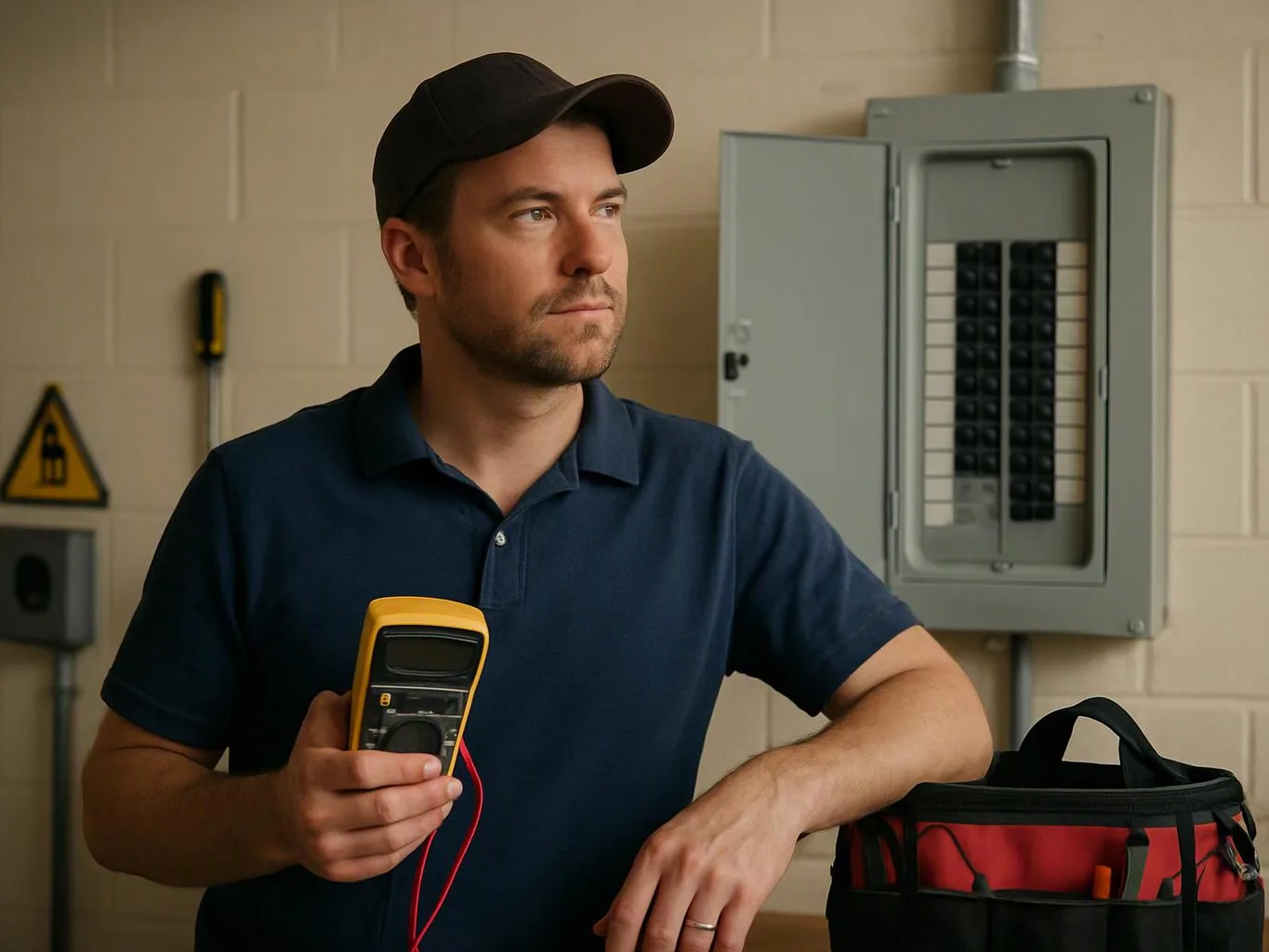
Panel inspection can identify breaker damage, loose connections, heat signs, and other conditions linked to power loss. We compare panel findings with circuit and voltage checks. If the panel cannot safely support the property, we explain whether a panel upgrade or related service work fits the findings.
How is troubleshooting matched to the property?
The property type, electrical layout, outage pattern, and affected equipment guide the testing plan. Residential and commercial systems can have different access needs and circuit demands. We start with the symptoms, then select circuit tracing, voltage checks, load testing, or panel inspection that fits the suspected fault.
What should a customer ask before agreeing to the work?
Ask which fault the tests found, what repair the estimate covers, and whether further inspection is needed. The estimate should connect the recommended work to the panel, circuit, wiring, or equipment involved. We explain the scope before planned repairs so the decision is based on the electrical findings.