Skip to content

New Construction Electrical Installation in Waterloo, Indiana

Branch circuits must match the planned load and code needs of each new property in Waterloo. We lay out circuits, outlets, lighting, and service equipment for homes and businesses.

Licensed & InsuredFree EstimatesSame-Day ServiceServing 41 Communities

How We Serve Clients in Waterloo

New Construction Electrical Installation in Waterloo is provided by GMB Electric for residential and commercial properties. The service covers branch circuits, panel connections, lighting, outlets, and related electrical installation across Indianapolis and surrounding communities, with phone availability for emergencies.

  • What we do: GMB Electric provides New Construction Electrical Installation for residential and commercial properties in Waterloo, Indiana.
  • What is included: Key capabilities include circuit layout, panel connections, outlet placement, lighting installation, grounding, and electrical inspections.
  • What you get: The completed property has a planned electrical system that supports its rooms, fixtures, equipment, and intended use.

Why do new construction branch circuits keep tripping after installation?

New construction branch circuits may trip when the planned load, wiring, breaker, or connected equipment does not match. We trace the circuit, check connections, and review the panel arrangement before making a correction.
New Construction Electrical Installation for Waterloo Properties

New construction electrical installation serves a clear buyer need. The owner, builder, or property manager needs the electrical system planned and installed as part of a new home, addition, commercial space, or other building project.

The work covers the electrical path from the service entrance to the panel and through each planned circuit. We account for rooms, fixtures, outlets, appliances, equipment, and the way people will use the property. A load calculation helps match the system to the planned demand.

The main decision is scope. A customer should know which circuits, fixtures, outlets, and service components belong in the estimate before work starts. We explain the proposed work in plain language and identify questions that affect the electrical layout.

This page focuses on installation during new construction. A panel upgrade, rewiring project, or repair on an occupied property follows a different starting point because existing wiring and access change the work.

  • Confirm the rooms, equipment, appliances, and lighting needs before the electrical layout is set.
  • Review the service entrance, panel location, circuit plan, and grounding path.
  • Place outlets, switches, and light fixtures where the property will be used.
  • Plan enough panel space for the selected branch circuits and connected loads.
  • Ask how testing, verification, and inspection needs fit into the project schedule.
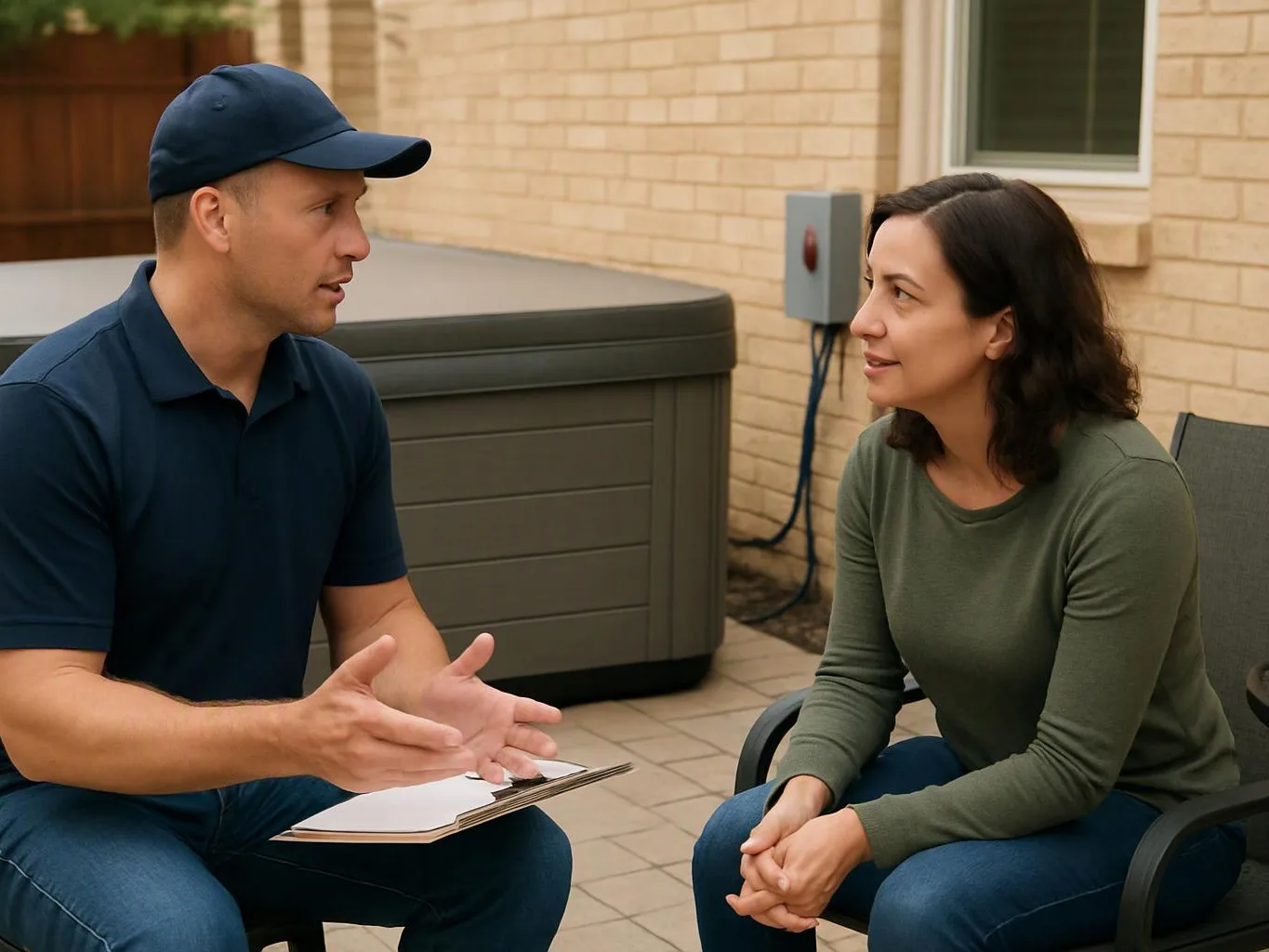
A man in a cap talks with a seated woman outdoors beside a hot tub and brick wall

Service Overview

New Construction Electrical Installation is the electrical work that supplies power, lighting, outlets, switches, and equipment in a newly built property.

  • New construction installation differs from repair work because the electrical layout is planned before walls are closed and fixtures are in use.
  • GMB Electric provides this work for residential and commercial properties in Waterloo.

How We Approach New Construction Electrical Work

Build the circuit scope first

The circuit plan identifies what each part of the property needs before wiring begins. We check room use, appliances, lighting, and equipment so the estimate reflects the planned work. This service is the wrong fit when the main need is only a repair on existing wiring.

Connect service to actual demand

The service entrance and panel must support the loads selected for the property. We review the load calculation and panel arrangement, then connect the planned circuits to the distribution system.

Set outlets and lights by use

Outlet placement and lighting layout should follow how each room will function. We use the building plan and customer decisions to set locations before finishes limit access.

Process

How We Complete New Construction Electrical Work

1

Review the building use

We review the floor plan, room purpose, appliances, lighting needs, and equipment so the electrical scope matches the property.

2

Complete the load review

The load calculation helps us plan the service entrance, panel capacity, and circuits for the expected electrical demand.

3

Place circuits and devices

We set circuit paths, outlet locations, switches, lighting points, and equipment connections before access becomes limited.

4

Connect the panel

We connect the service entrance and planned circuits at the panel, then check grounding and circuit identification.

5

Test the installation

We test circuit operation and verify the installed components so the customer receives a clear account of the completed electrical work.

What New Construction Electrical Work Includes

GMB Electric provides comprehensive New Construction Electrical Installation in Waterloo. Here's what you get:

  • We plan and install branch circuits for rooms, appliances, lighting, and equipment.
  • We connect the service entrance to the electrical panel and distribute power through the property.
  • We place outlets, switches, and lighting points according to the planned room use.
  • We install lighting fixtures and related controls where the project scope includes them.
  • We address grounding and circuit connections as part of the electrical installation.
  • We inspect and test installed electrical components before the work is considered complete.

What This Electrical Installation Changes for the Property

A planned circuit layout helps separate major loads and keeps everyday use easier to manage.

Outlet placement follows the room layout, so cords and equipment do not control every furnishing choice.

A coordinated panel and service plan gives the property a clear starting point for future electrical needs.

Early decisions reduce changes after walls close, when access becomes more limited.

Lighting locations are set with the room function in mind, from work areas to general living space.

New Construction Work Compared With Existing-Property Service

The starting condition changes the electrical work, access, and decisions the customer must make.

Electrical jobStarting pointMain customer decision
New construction electrical installationThe property is being built and the electrical layout is planned before finishes close access.Choose circuits, service needs, outlets, switches, lighting, and equipment for the planned use.
Panel upgradeAn existing electrical system needs more capacity or updated distribution equipment.Decide which existing circuits and new loads the upgraded panel must support.
Electrical repairAn occupied property has a fault, damaged connection, or failed electrical component.Identify the cause and decide whether repair or replacement fits the existing system.

The GMB Electric Standard

  • Careful Assessment
  • Clear Explanations
  • Safe Practices
  • Orderly Work Areas

Questions About New Construction Electrical Work

What electrical work is included in new construction?

Branch circuits, service connections, panels, outlets, switches, lighting, grounding, and testing are included when the project scope calls for them.

  • We plan circuits for rooms and equipment.
  • We place outlets, switches, and lighting points.
  • We connect and verify the electrical system.

GMB Electric provides this work for residential and commercial properties.

What should be ready before electrical installation starts?

Building plans, room uses, major equipment, lighting choices, and outlet needs should be ready before installation starts. The load review uses those details to shape the circuit plan. We also need the planned panel and service locations. Early decisions help keep wiring paths and device placement aligned with the finished property.

Which property condition changes the work time?

Limited access changes the work time because wiring and device placement become harder after walls, ceilings, and finishes close. The panel location, service path, building layout, and number of circuits also affect the work. We review access and the construction stage before confirming the electrical scope.

How should I compare new construction electrical estimates?

New construction electrical estimates should be compared by scope, circuit coverage, service equipment, fixtures, outlets, testing, and exclusions. A lower total may leave out items that another estimate includes. We describe the work covered by our estimate so the owner can compare the same electrical components.

What should I ask before agreeing to the electrical work?

Ask which circuits, fixtures, outlets, panels, service connections, and tests the estimate includes. Also ask how requested changes affect the scope. We explain the planned work, identify equipment assumptions, and show where the estimate depends on the building plan.

Why do new circuits trip after a property is built?

New circuits trip when the connected load, breaker, wiring, or circuit connection does not match the planned design. We isolate the circuit, inspect the panel and connected equipment, and test the wiring. A breaker that trips repeatedly should not be reset again and again before the cause is checked.

Can new construction work include lighting and outlet placement?

Yes, lighting and outlet placement can be included when those items are part of the project scope. The room use, fixture locations, switch positions, appliances, and equipment guide the layout. We review those choices before installation so the electrical work follows the intended use of the property.
Contact

Request a New Construction Electrical Installation Estimate

Get a quote for the circuits, panel, lighting, outlets, and service work your property needs. Urgent requests get priority scheduling.

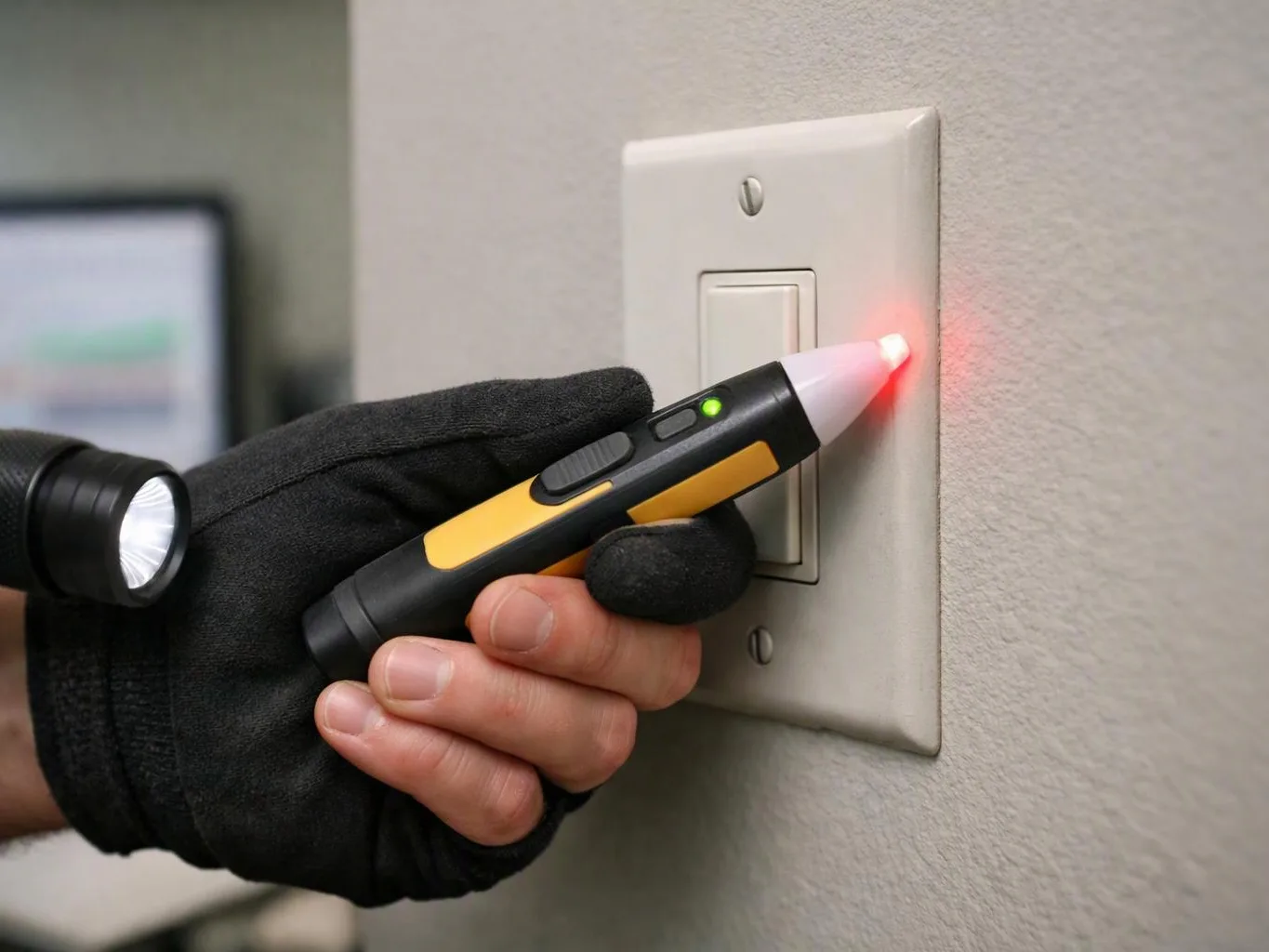
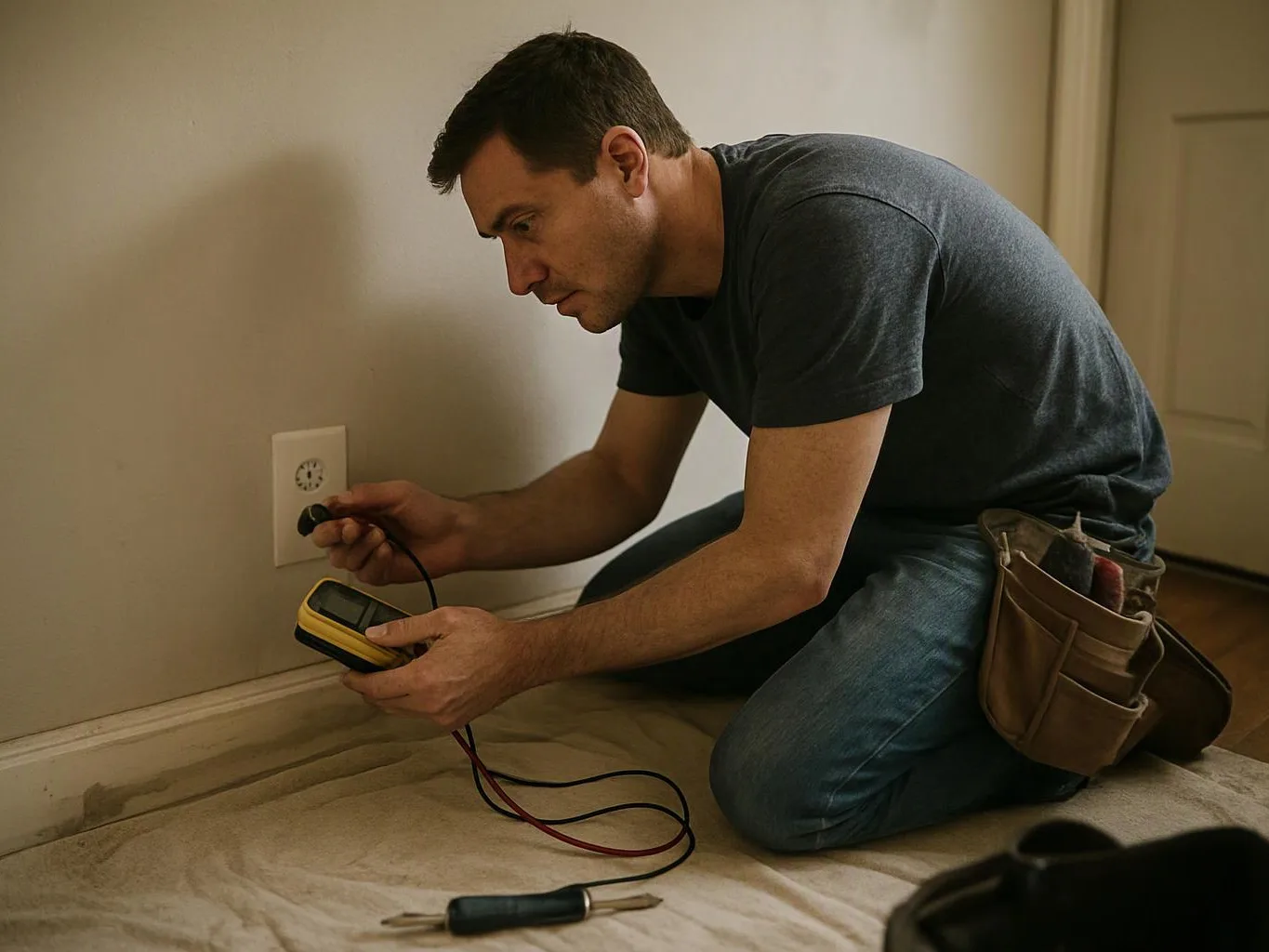
A man kneels by a wall outlet, testing it with a multimeter in a bare room

New Construction Electrical Installation in Other Areas

(317) 608-1220