What materials are used for new construction wiring?
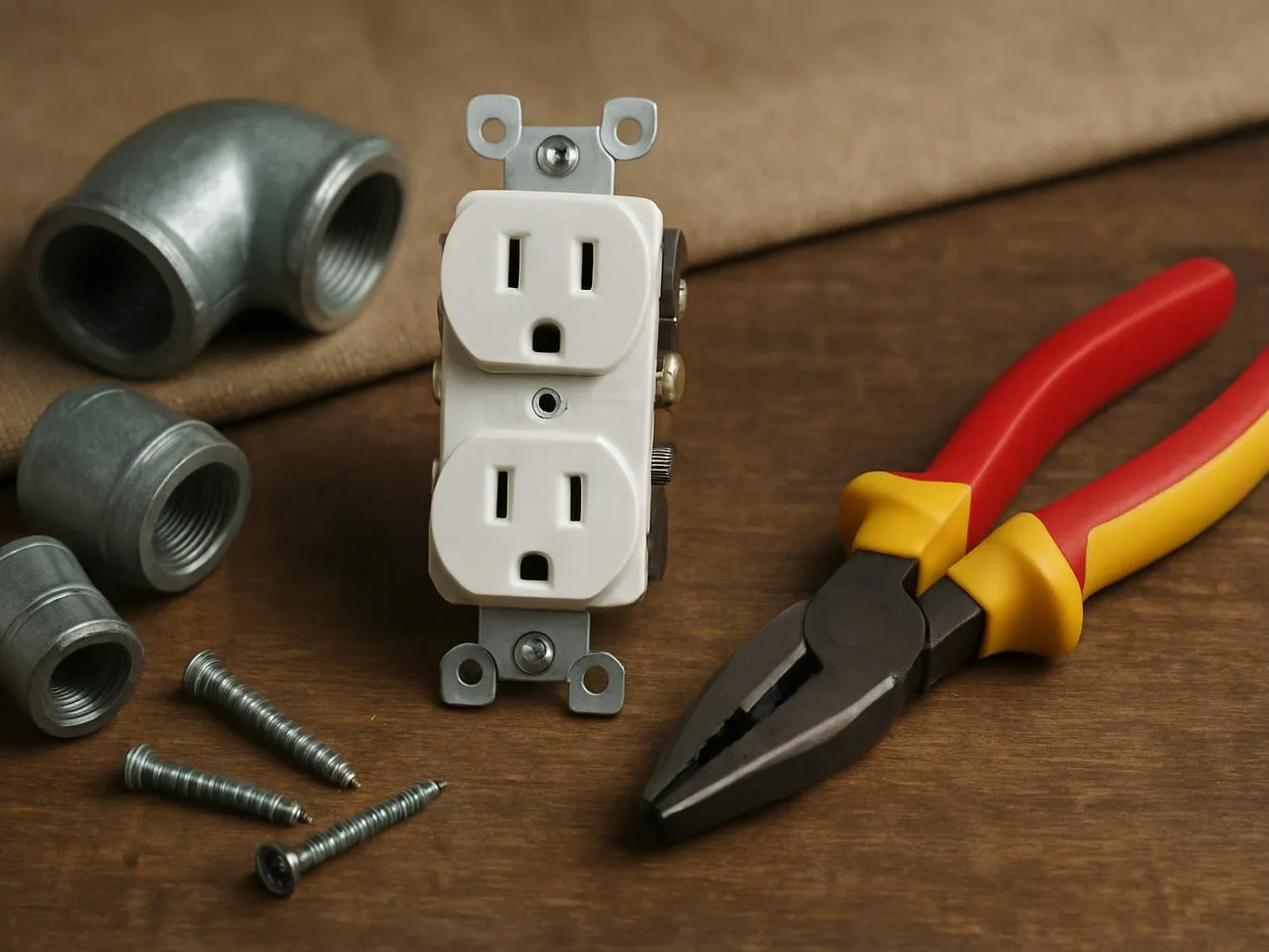
Electrical boxes, Romex cable, circuit breakers, conduit fittings, outlets, switches, and grounding parts are common materials. The building layout and wiring route decide which materials fit each part of the job. GMB Electric matches the materials to the planned circuits and device locations, then checks the connections before the walls close.
How can I tell whether new construction wiring fits my property?
New construction wiring fits a property before walls close or during a major build, addition, or commercial fit-out. The building stage and access to open wall spaces decide the fit. Our team reviews the floor plan, service needs, panel space, equipment list, and device locations before setting the work scope.
Which part of the property decides the electrical scope?
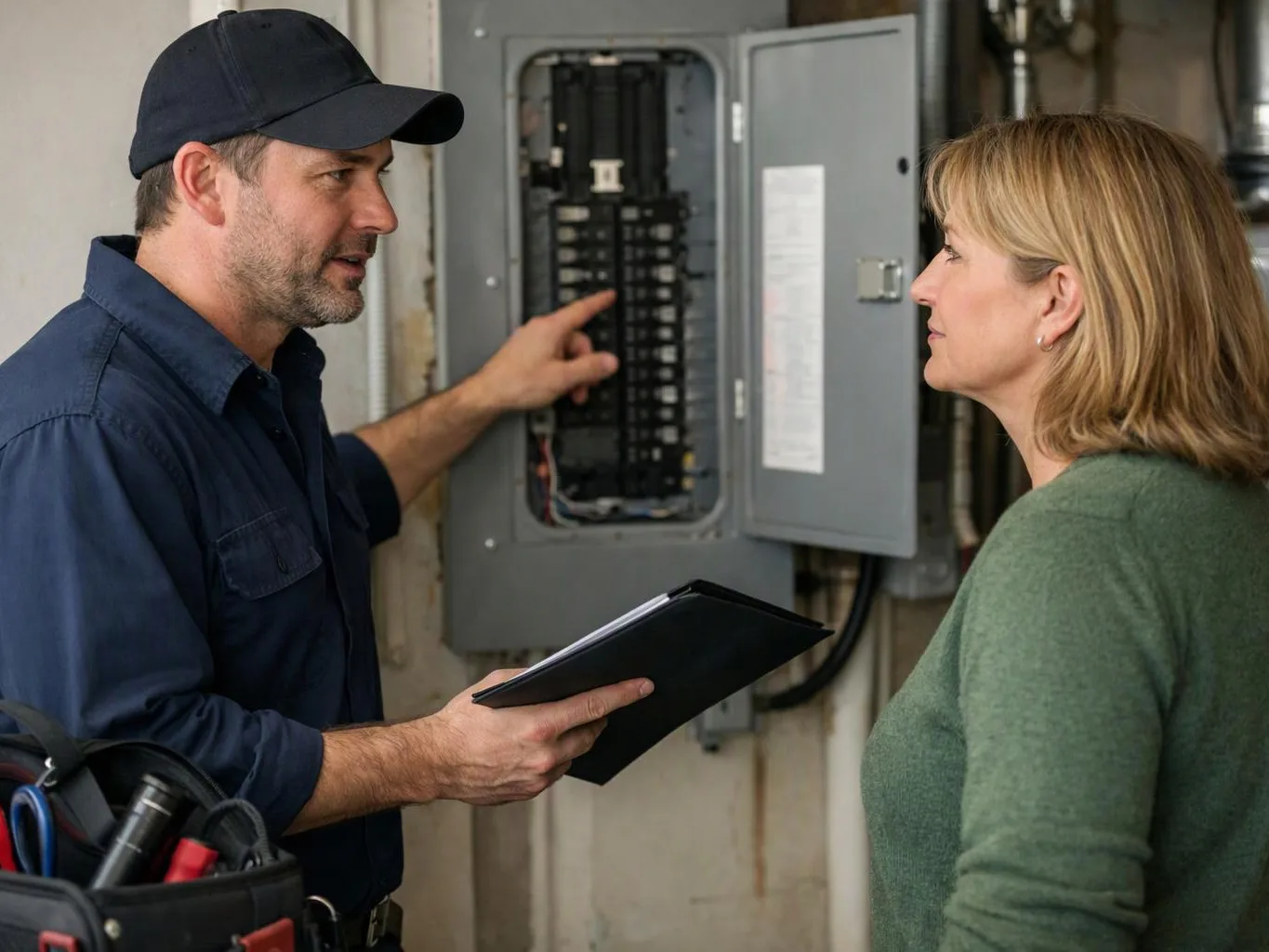
The floor plan and planned equipment decide most of the electrical scope. Room use, appliance locations, lighting, heating equipment, and business systems affect circuit needs. We use those details to plan box locations, cable routes, breakers, and panel capacity before installation begins.
Which material changes how long the wiring work takes?
The wiring route and material access affect the work time more than one product alone. Romex cable may suit an open indoor route, while conduit and fittings add connection points where protection is needed. We review the building path, box locations, and panel position before giving a project estimate.
What should I provide before requesting a new construction quote?
A floor plan, building type, equipment list, and desired outlet and lighting locations give us a useful starting point. Photos of open walls can also show access and existing service conditions. We use those details to review the scope, identify circuit needs, and prepare a quote.
Can new construction wiring support a future EV charger?
New construction wiring can include planning for an EV charger when the panel and service have suitable capacity. The load calculation, charger location, cable route, and breaker space must be reviewed first. We can assess EV charging installation as part of the property’s electrical plan.
Why should the electrical system be tested before drywall?
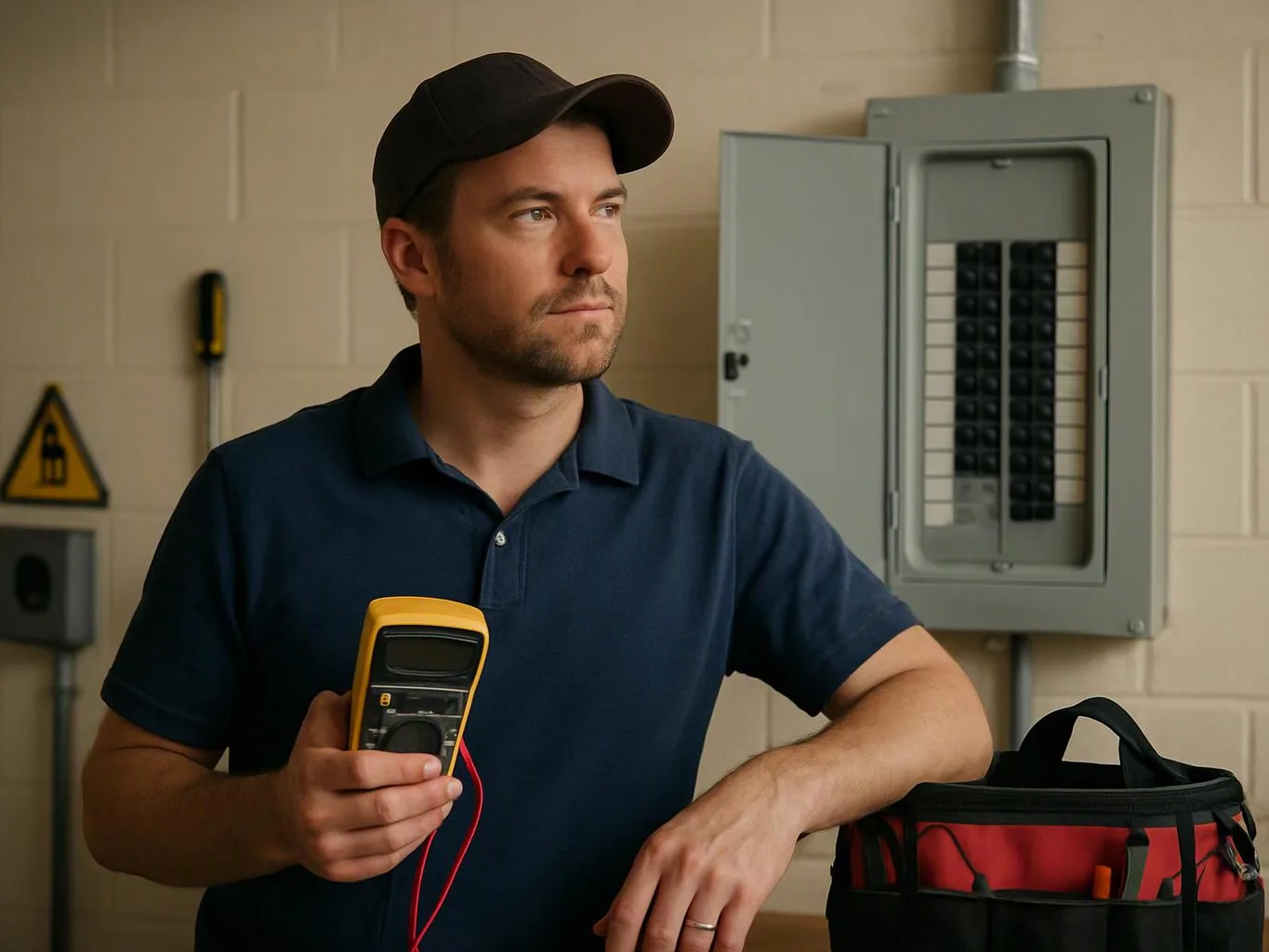
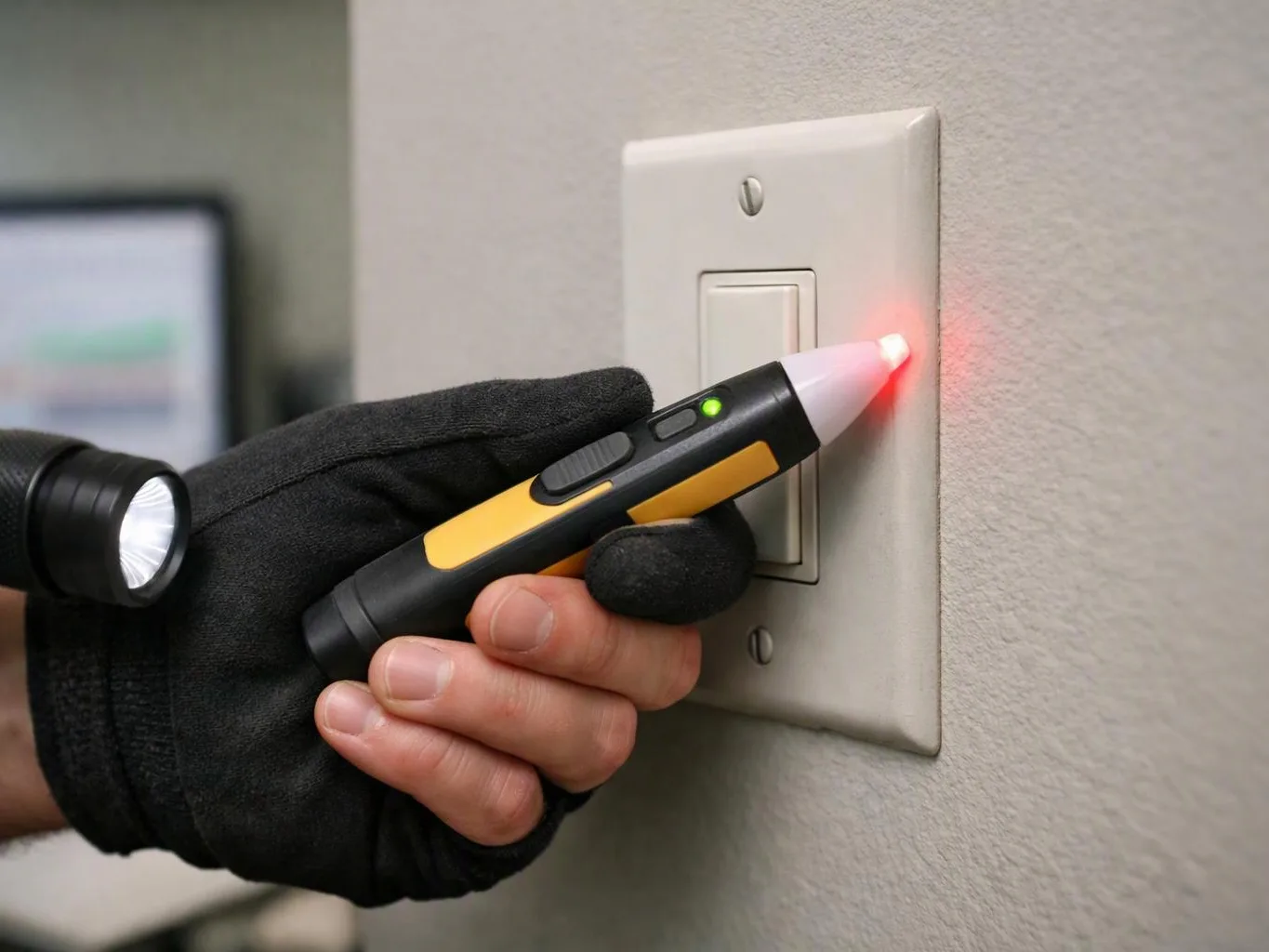
Testing before drywall makes wiring faults and misplaced boxes easier to find and correct. We check circuit connections, grounding, device locations, and breaker assignments while the routes remain visible. This step also gives the owner a clearer record of the installed electrical layout.