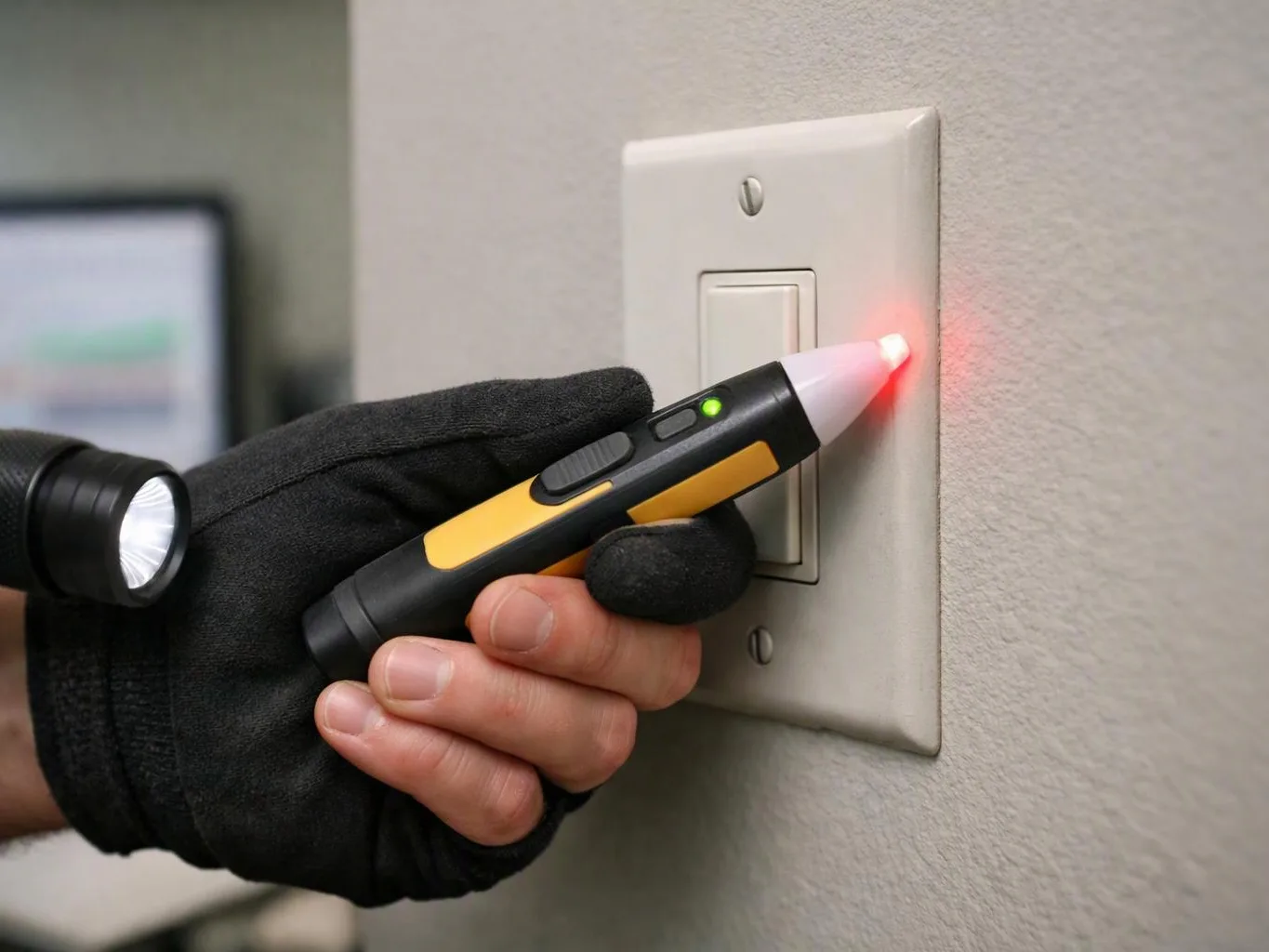
What should I do before an electrician arrives?
Safe evacuation is the first step when smoke, fire, or strong burning odor appears. Leave the affected area and call emergency services for an active fire. If there is no immediate fire risk, avoid the damaged outlet or panel, unplug only safe appliances, and share the symptoms with GMB Electric before the visit.
How can I tell whether emergency electrical repair fits my property?
Emergency electrical repair fits a property with an active electrical fault that threatens safety or disrupts essential power. Flickering lights, a buzzing panel, sparking outlets, warm switch plates, and repeated breaker trips all deserve inspection. Planned lighting, fan, or outlet upgrades can usually receive a separate scope when no urgent hazard exists.
Which part of the property decides the repair scope?
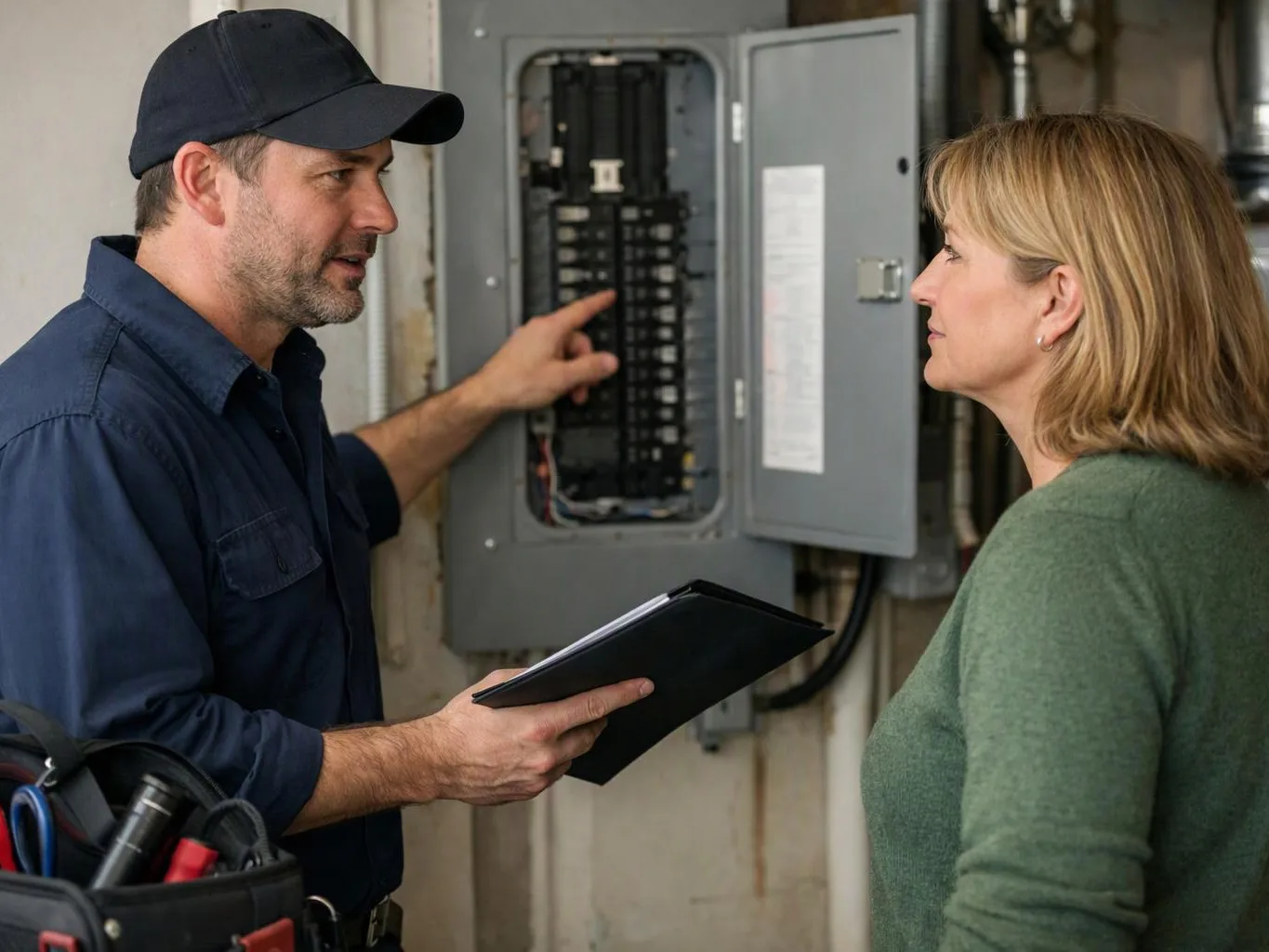
The affected circuit and its connected equipment decide the repair scope. A panel breaker, branch circuit, receptacle, switch, appliance, or service entrance may be involved. Our inspection traces the fault from the panel through the affected area, then separates a single-part repair from a wider wiring or panel concern.
Which material changes how long the repair takes?
The wiring material and access path can change the repair work. Aluminum wiring, older cable, concealed wiring, and damaged conduit may require added tracing or correction. We inspect the material and route before setting the work scope, so the estimate reflects the actual property condition.
What should I tell the electrician about a power outage?
Power outage details help us separate a property fault from a wider supply issue. Tell us whether neighbors or nearby buildings also lost power, which circuits are dead, and whether the main breaker moved. Do not open the panel or handle damaged service equipment, and report smoke or fire to emergency services.
Can emergency repair include panel or service work?
Emergency repair can include panel troubleshooting and related service work when the confirmed fault requires it. A panel upgrade or service entrance upgrade may need a separate scope, permits, and inspections. We explain that need after checking the existing equipment, load, wiring, and access.
Why should I stop resetting a tripped breaker?
Repeated breaker trips can indicate an overload, short circuit, damaged wiring, or a failing appliance. Another reset can keep the fault energized without fixing its cause. Leave the breaker off when it trips again, keep the affected equipment unused, and arrange an electrical diagnosis.