How quickly can a burning odor electrical emergency be repaired?
A burning odor requires prompt diagnosis, but repair time depends on the fault, access, parts, and circuit condition. GMB Electric first isolates unsafe power and traces the source. Simple outlet or connection faults may follow a direct repair path, while damaged wiring or a panel fault needs a wider inspection. We explain the scope after checking the affected area.
Which part of the property decides the scope of emergency electrical repair?
The affected panel, circuit, outlet, wiring, or connected equipment decides the repair scope. We check how the parts connect and whether damage extends beyond the visible symptom. A faulty receptacle may need local repair, while damaged conductors can require circuit access and further testing. The inspection separates a contained fault from a wider wiring problem.
Which material changes how long electrical repair takes?
Damaged copper or aluminum wiring can change the work needed because each material requires a suitable repair method. We inspect the conductor, connection, insulation, and accessible route before setting the scope. The type of outlet, breaker, or panel also affects the work. Customers receive the repair path after those parts are checked.
What does an emergency electrical repair visit include?
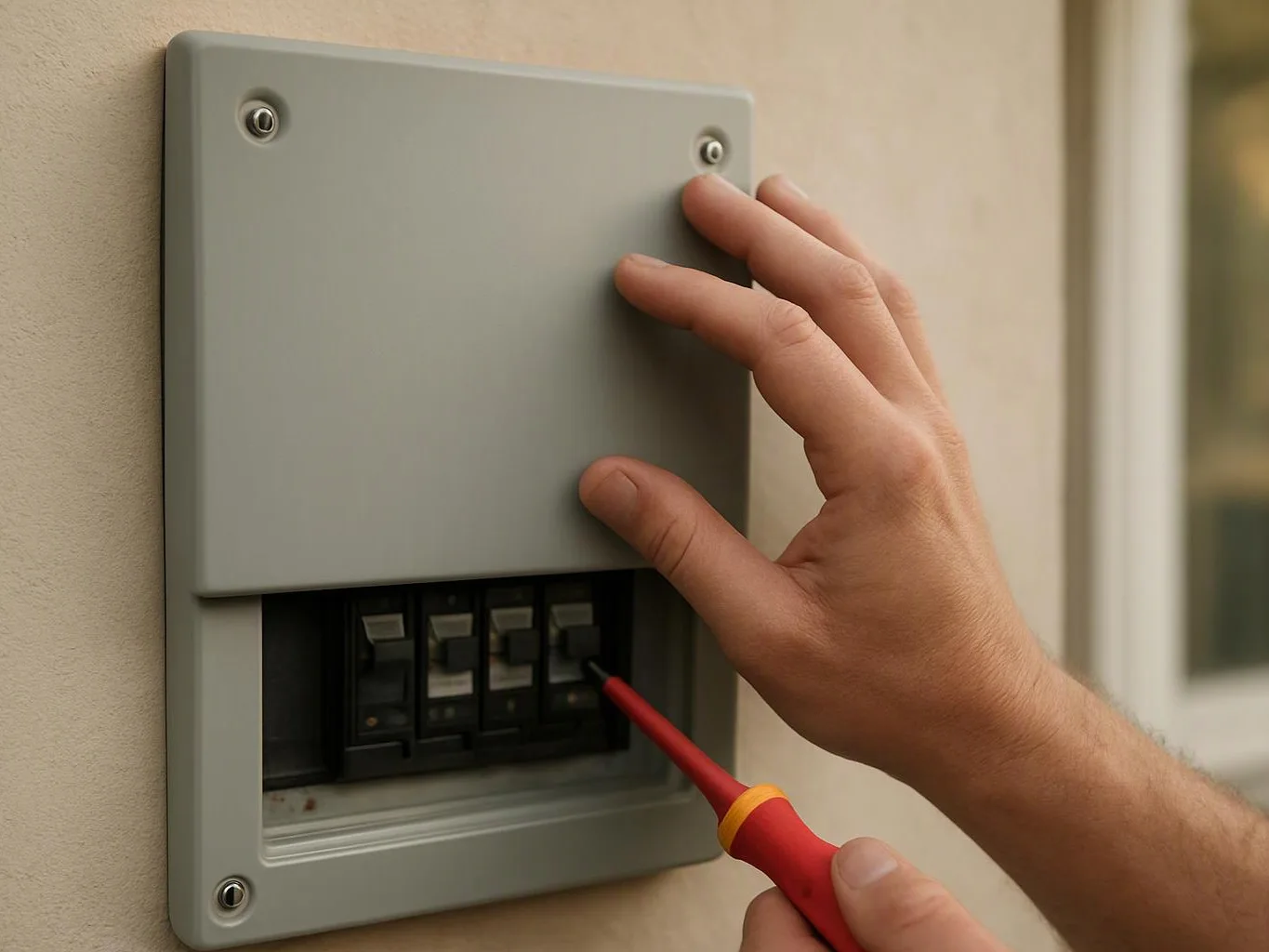
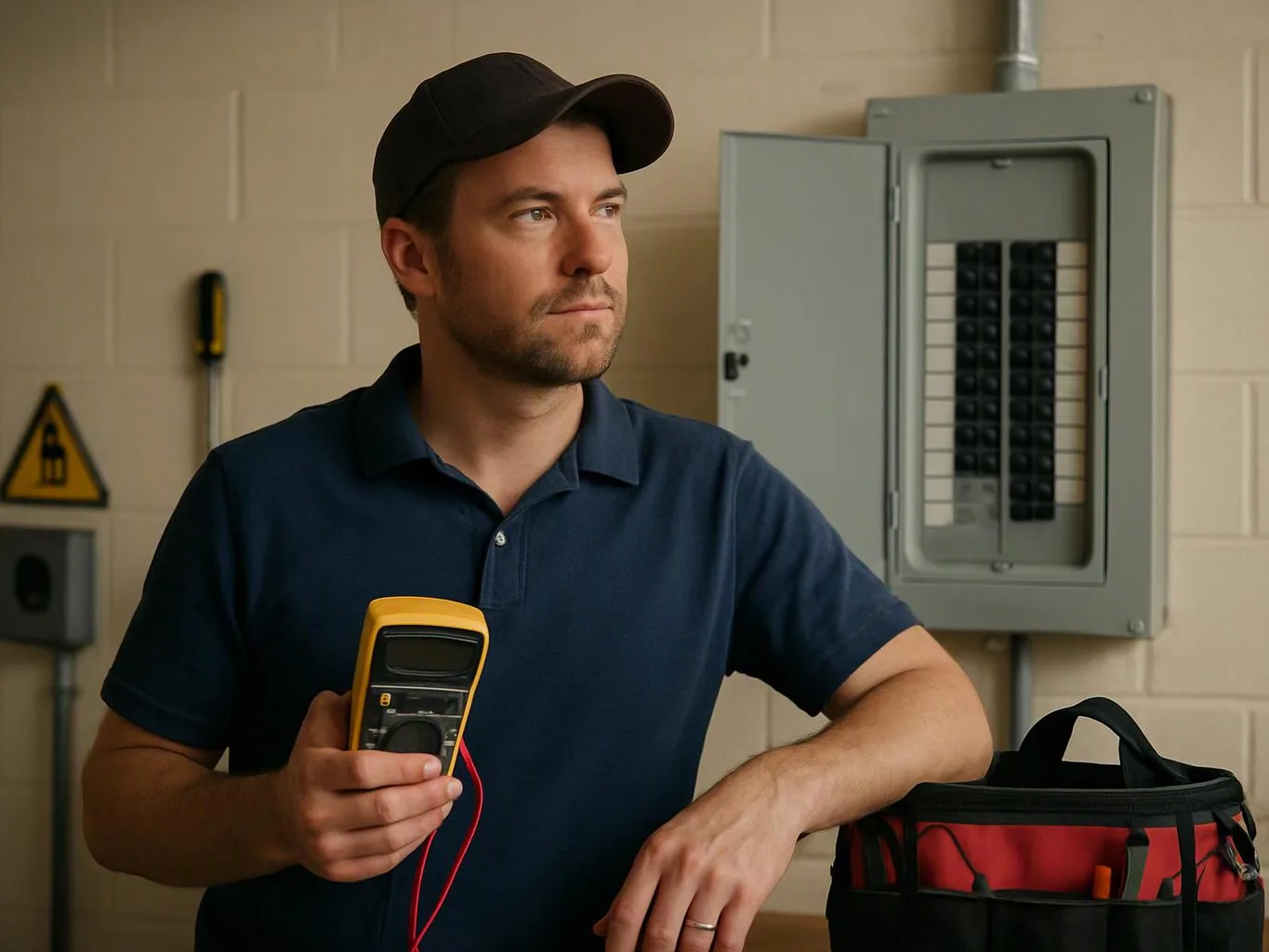
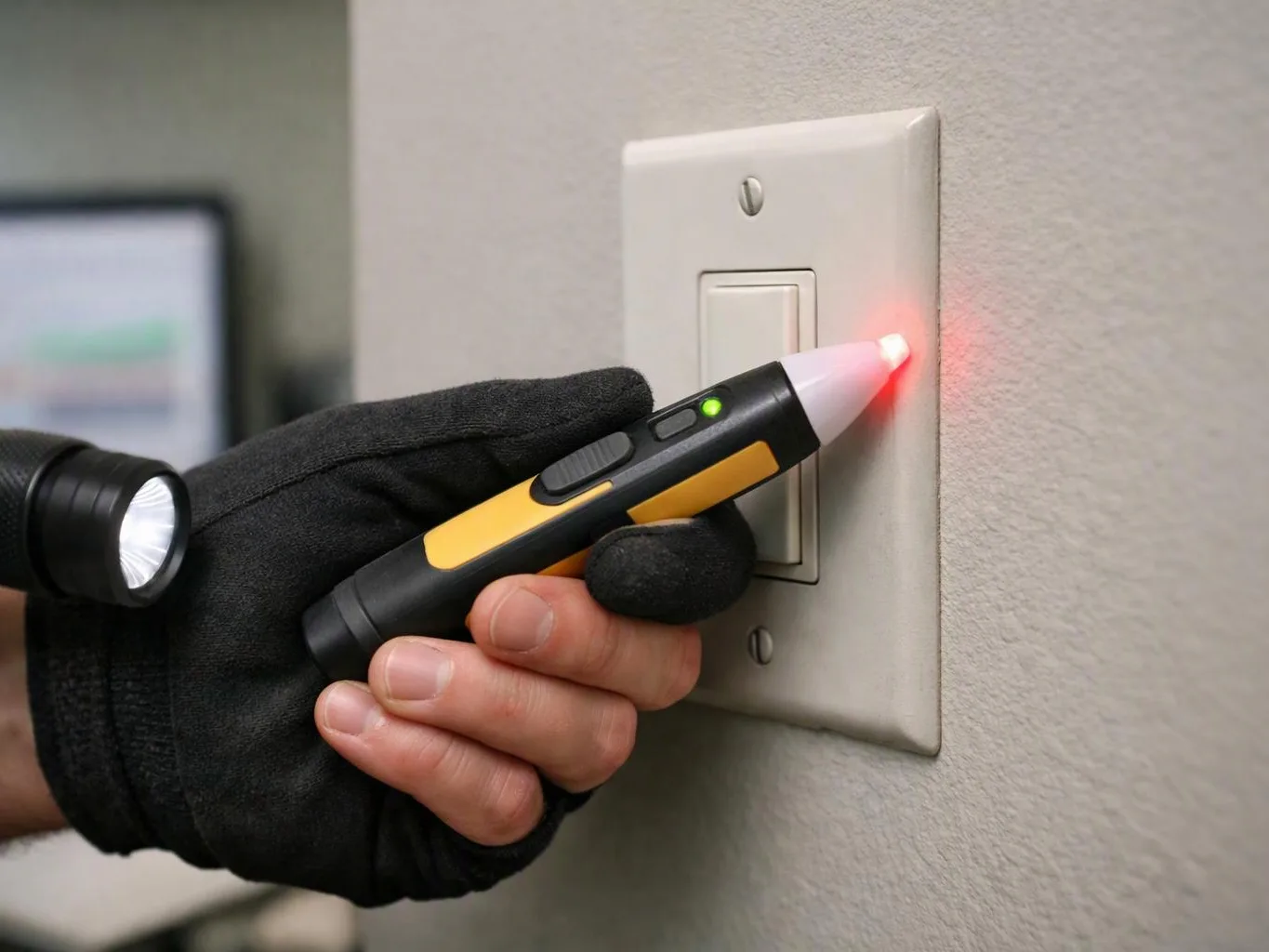
An emergency electrical repair visit includes symptom review, circuit inspection, fault isolation, repair planning, and testing. We check the panel, breaker, outlet, switch, and visible wiring tied to the reported problem. The visit focuses on the active fault. Planned upgrades, lighting installations, and other separate work require their own scope.
When should I stop using an outlet or breaker?
Stop using an outlet or breaker when it sparks, feels warm, smells burnt, or trips repeatedly. Continued use can keep power flowing through a damaged connection or overloaded circuit. We inspect the affected area and explain whether the part needs repair, replacement, or further circuit testing. Keep people away from exposed wiring until it is assessed.
Why does a breaker keep tripping after an outlet problem?
A breaker can keep tripping because of a short circuit, damaged wiring, an overloaded circuit, or a failing connected device. We trace the circuit and check the breaker, receptacle, wiring, and load. Repeated resets do not diagnose the cause. Customers should stop using the affected circuit until the electrical fault is checked.
How does an emergency electrical repair visit move from the first call to the last step?
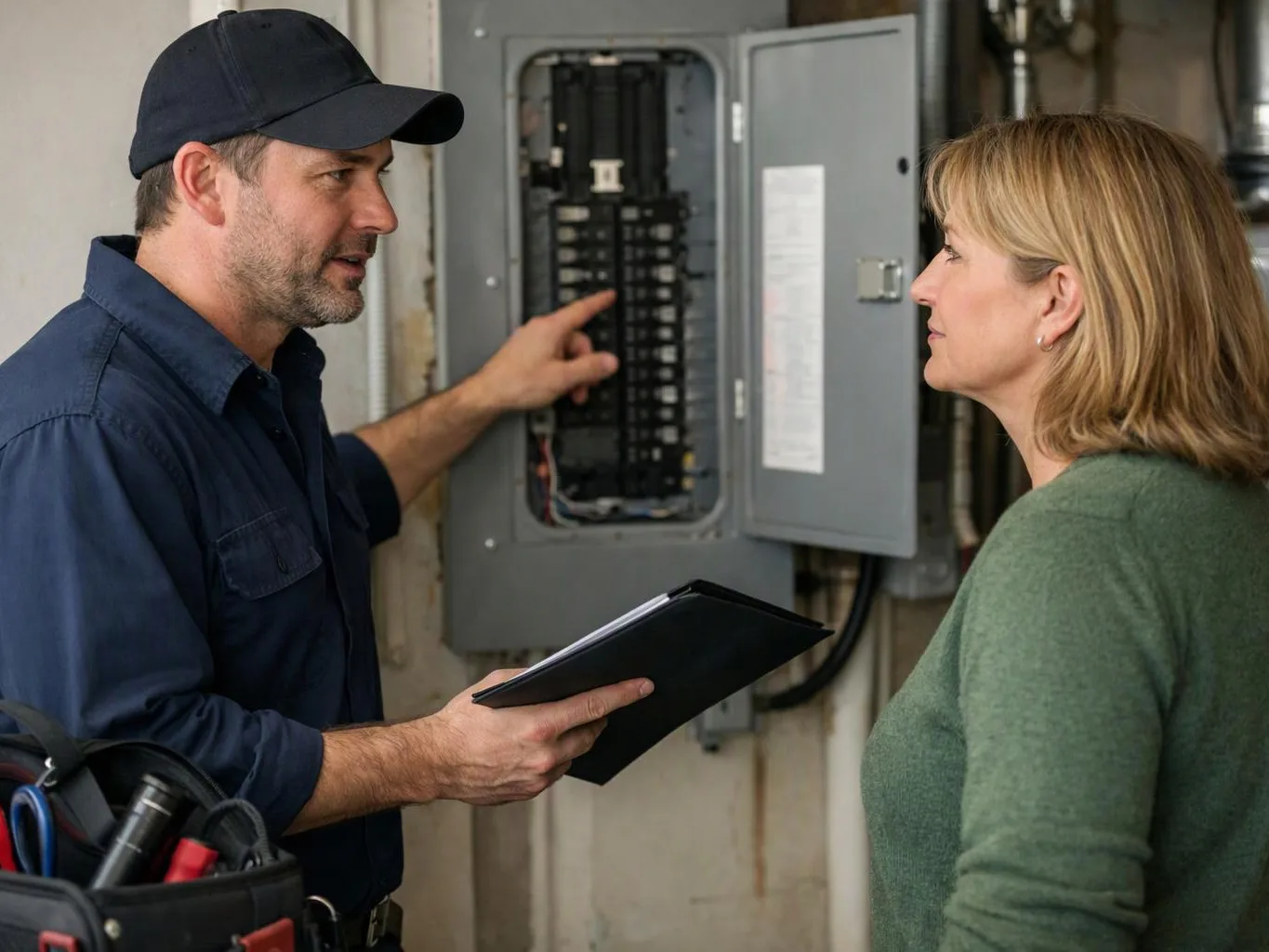
The visit moves from symptom review to inspection, isolation, circuit tracing, repair, and testing. Customers describe the problem and identify the affected area first. We then check the panel and connected parts, explain the scope, complete the agreed repair, and verify the circuit. Free estimates are available before the repair proceeds.