Skip to content

Electrical Troubleshooting in New Whiteland, Indiana

Flickering lights raise a load and circuit capacity question in New Whiteland. We trace the circuit, check its demand, and explain the next safe step.

Licensed & InsuredFree EstimatesSame-Day ServiceServing 41 Communities

Quick Summary: electrical troubleshooting in New Whiteland, Indiana

Electrical Troubleshooting in New Whiteland is provided by GMB Electric for flickering lights, warm outlets, breaker trips, and overloaded circuits. We serve residential and commercial properties across Indianapolis and surrounding communities, with emergency availability 24 hours.

  • What we do: GMB Electric provides Electrical Troubleshooting for New Whiteland, Indiana homes and businesses.
  • What is included: circuit tracing, load checks, breaker testing, outlet checks, and panel review.
  • What you get: The customer receives a clear finding about the circuit and the repair or next service it needs.

Why do flickering lights keep happening when one circuit is overloaded?

Flickering lights can show that a circuit is carrying more demand than its wiring or breaker should handle. GMB Electric checks the circuit load, breaker, connections, and devices before recommending repair or a capacity change.

Electrical Troubleshooting in New Whiteland for Circuit Problems

Electrical troubleshooting focuses on the reason a circuit behaves poorly. A breaker that trips, an outlet that feels warm, or lights that flicker can involve the load, wiring, connections, or panel.

Customers need a useful decision after testing. We trace the affected circuit, check its breaker and connections, and look at the devices drawing power. The result may point to a repair, a panel upgrade, rewiring, or a separate installation service.

This page fits buyers who need diagnosis before choosing a repair. It does not replace utility work for an outage outside the property, and it does not treat every symptom as a panel problem.

  • Record which lights, outlets, or appliances show the symptom.
  • Note whether a breaker trips when specific equipment runs.
  • Keep access clear to the electrical panel and affected outlets.
  • Ask for a diagnosis before choosing repair, rewiring, or a panel upgrade.
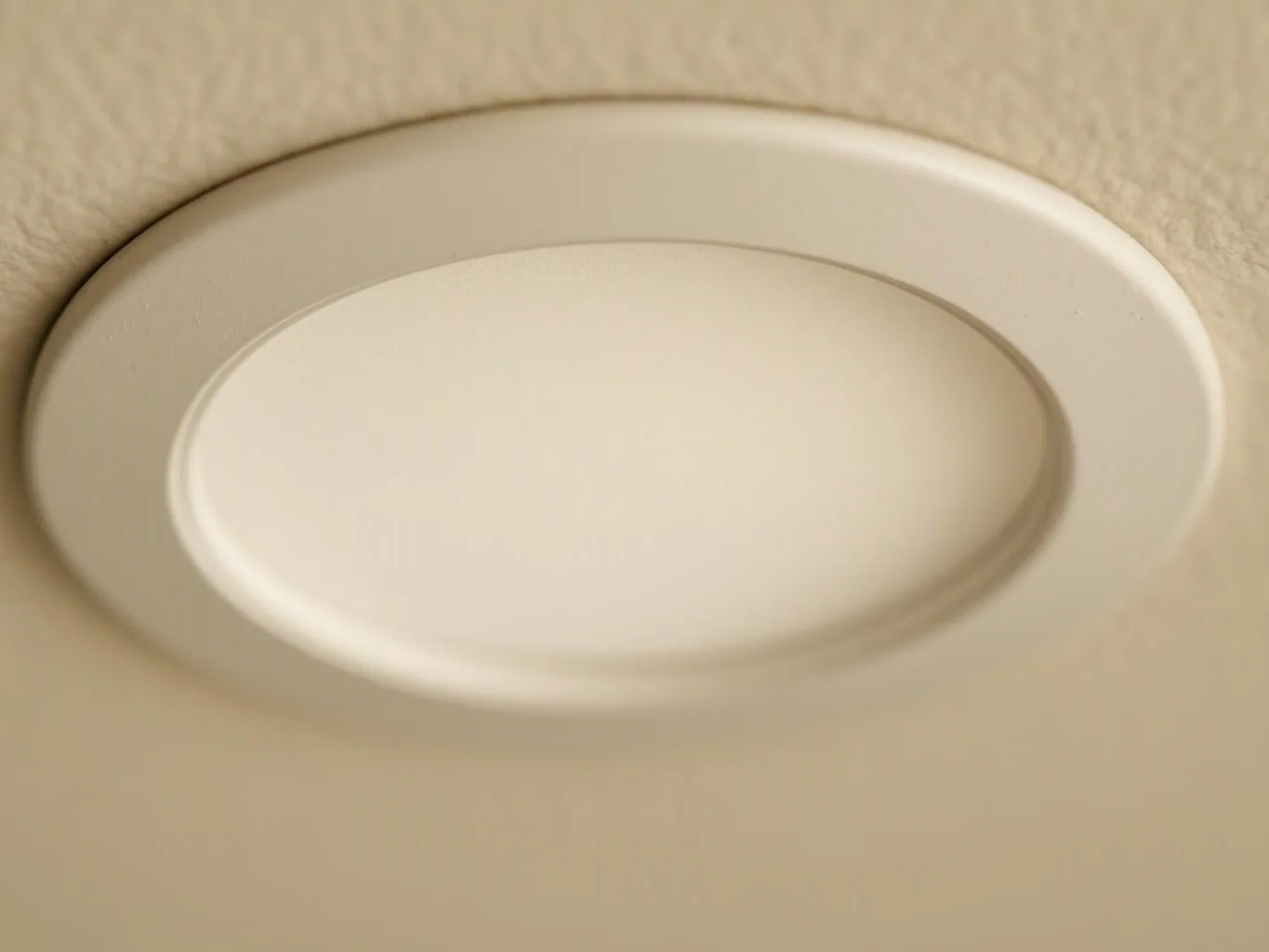
A round recessed ceiling light sits flush against a beige ceiling

Service Overview

Electrical Troubleshooting is a diagnostic service that finds faults in circuits, panels, outlets, switches, and connected equipment.

  • Unlike an installation, troubleshooting begins with a symptom and ends with a tested cause, repair scope, or safe next step.
  • GMB Electric provides this service for residential and commercial properties in New Whiteland.

What circuit diagnosis changes for the customer?

You get a clearer reason for repeated breaker trips or unstable lights.

Testing helps separate a circuit problem from a faulty device or a broader panel issue.

A load review helps show whether the circuit has enough capacity for the equipment using it.

Customers in New Whiteland can request a focused assessment before choosing a larger repair.

The findings give you a practical basis for deciding between repair and an electrical upgrade.

What circuit troubleshooting includes for your property

GMB Electric provides comprehensive Electrical Troubleshooting in New Whiteland. Here's what you get:

  • We inspect the panel, breakers, and visible circuit connections.
  • We trace the affected circuit from the panel toward its outlets, switches, and devices.
  • We check for signs of overload, loose connections, warm outlets, and breaker problems.
  • We test the affected circuit and explain the finding in plain language.
  • We identify whether the next step involves repair, rewiring, a panel upgrade, or another electrical service.
Process

How we trace and assess the circuit

1

Document the reported symptom

We note which lights, outlets, breakers, or devices show the issue and when the symptom occurs.

2

Inspect the panel and circuit path

We check the breaker, visible wiring, connections, outlets, switches, and devices linked to the affected circuit.

3

Trace the circuit and test demand

We trace the circuit and review its load to identify overload, a weak connection, a damaged part, or another fault.

4

Fix the repair list before the visit

We explain the finding and identify whether the property needs a repair, rewiring, panel upgrade, or another service.

5

Explain the estimate and next step

We provide a free estimate when appropriate and explain what the proposed work covers before scheduling it.

A client scenario this service addresses

A typical situation involves lights that flicker when a larger appliance runs. We check the related breaker, trace the circuit, test connections, and review the load before choosing a repair. If the work changes the service or panel, we explain the required scope and any permit questions before proceeding.

What you get from focused circuit diagnosis

A decision based on the actual circuit

Customers get a finding tied to the panel, wiring, breaker, or connected device. We explain what we checked and what the next repair should address.

Load and connection checks

A circuit can trip because of demand, a loose connection, a failing breaker, or another fault. We check these points so the repair scope follows the evidence.

A clear boundary for the service

Troubleshooting is the wrong job when the issue sits entirely on the utility side. We focus on the property’s electrical system and explain when another service or utility contact fits.

Licensed and insured electricians

GMB Electric provides licensed and insured electricians for residential and commercial electrical work, including circuit diagnosis.

The GMB Electric Standard

  • Careful Assessment
  • Clear Explanations
  • Safe Practices
  • Orderly Work Areas

Questions about circuit symptoms and diagnosis

Why do flickering lights suggest an overloaded circuit?

Flickering lights can suggest an overloaded circuit when demand changes as equipment starts or stops. GMB Electric checks the breaker, circuit load, connections, and affected devices. A loose connection or failing device can create a similar symptom, so the load alone does not prove the cause. We explain the finding after testing.

How does a troubleshooting visit move from the first call to the last step?

The visit moves from symptom notes to circuit inspection, testing, diagnosis, and a repair decision. We identify the affected lights, outlets, breakers, or devices first. Then we trace the circuit and check its load and connections. The final step is an explanation of the repair scope or the next electrical service.

What should I do before requesting circuit testing?

Customers should note which devices were running when the symptom appeared and keep panel access clear. Photos of a damaged outlet or tripped breaker can help describe the issue. Do not remove covers or handle exposed wiring. Share any burning smell, buzzing, heat, or repeated trips when requesting service.

Which part of the property decides the scope of circuit troubleshooting?

The panel, circuit path, affected devices, and wiring access decide the troubleshooting scope. A single outlet may point to a local connection issue, while several rooms can involve a shared circuit or panel problem. We inspect the related parts before recommending repair, rewiring, or a capacity change.

When does a breaker trip call for urgent electrical service?

A breaker that trips with heat, smoke, burning odor, buzzing, or visible damage needs urgent electrical service. Stop using the affected circuit and keep clear of damaged parts. We can assess the panel, breaker, wiring, and connected load to identify the immediate electrical concern.

How can I tell whether circuit troubleshooting fits my property?

Circuit troubleshooting fits properties with unexplained trips, warm outlets, unstable lights, dead outlets, or other electrical symptoms. We assess residential and commercial systems when the cause is unclear. Utility-side outages need the utility company, while property-side faults fit our electrical service.

What part of the job changes the estimate for an overloaded circuit?

The circuit location, access, wiring condition, breaker type, connected load, and repair needed change the estimate. We review those factors before quoting the work. A repair may address a connection or device, while insufficient capacity can point to rewiring, a subpanel, or a panel upgrade.
Contact

Get a Free Estimate for Electrical Troubleshooting in New Whiteland

Request an estimate for your circuit concern, and urgent requests get priority scheduling.

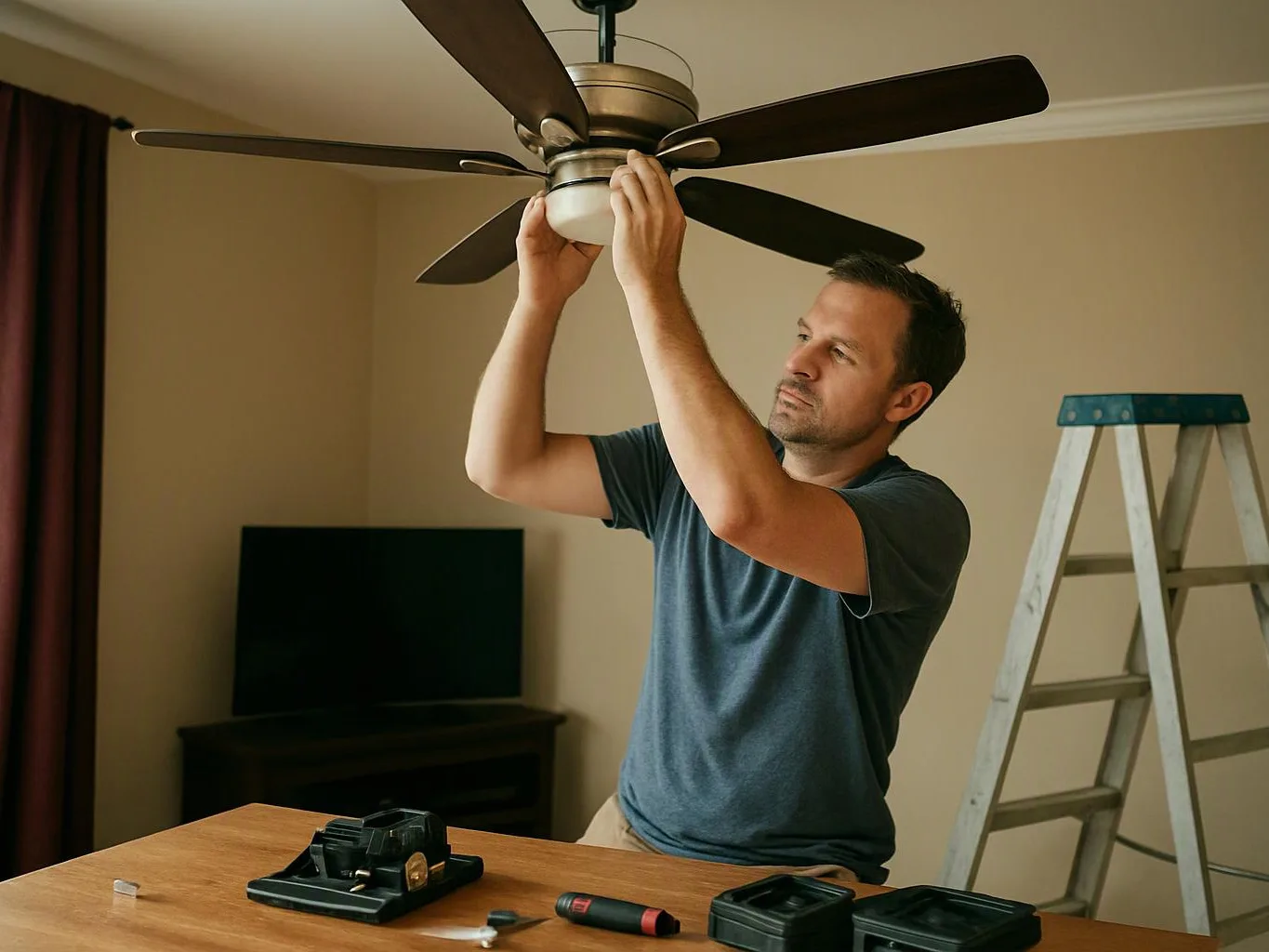
A man adjusts a ceiling fan light in a room with a ladder and tools on a table

Electrical Troubleshooting in Other Areas

(317) 608-1220