
What Is a Power Inverter?
A Power Inverter is an electrical device that converts direct current from a battery or other source into alternating current for equipment that needs household-style power. In bidirectional charging systems, the inverter may also reverse that conversion, sending alternating current back into stored direct-current energy.
Quick Facts About Power Inverter
Category
Power conversion equipment
Used for
Supplying alternating current from stored energy
Common confusion
A converter is not always a complete charger
Also called
Inverter, DC-to-AC converter
Often discussed with
Bidirectional charging system troubleshooting
Key Takeaways About Power Inverter
- A power inverter changes current between direct and alternating forms.
- Bidirectional models support charging and energy discharge.
- An inverter is not the same as a battery or charger.
How Power Inverter Works
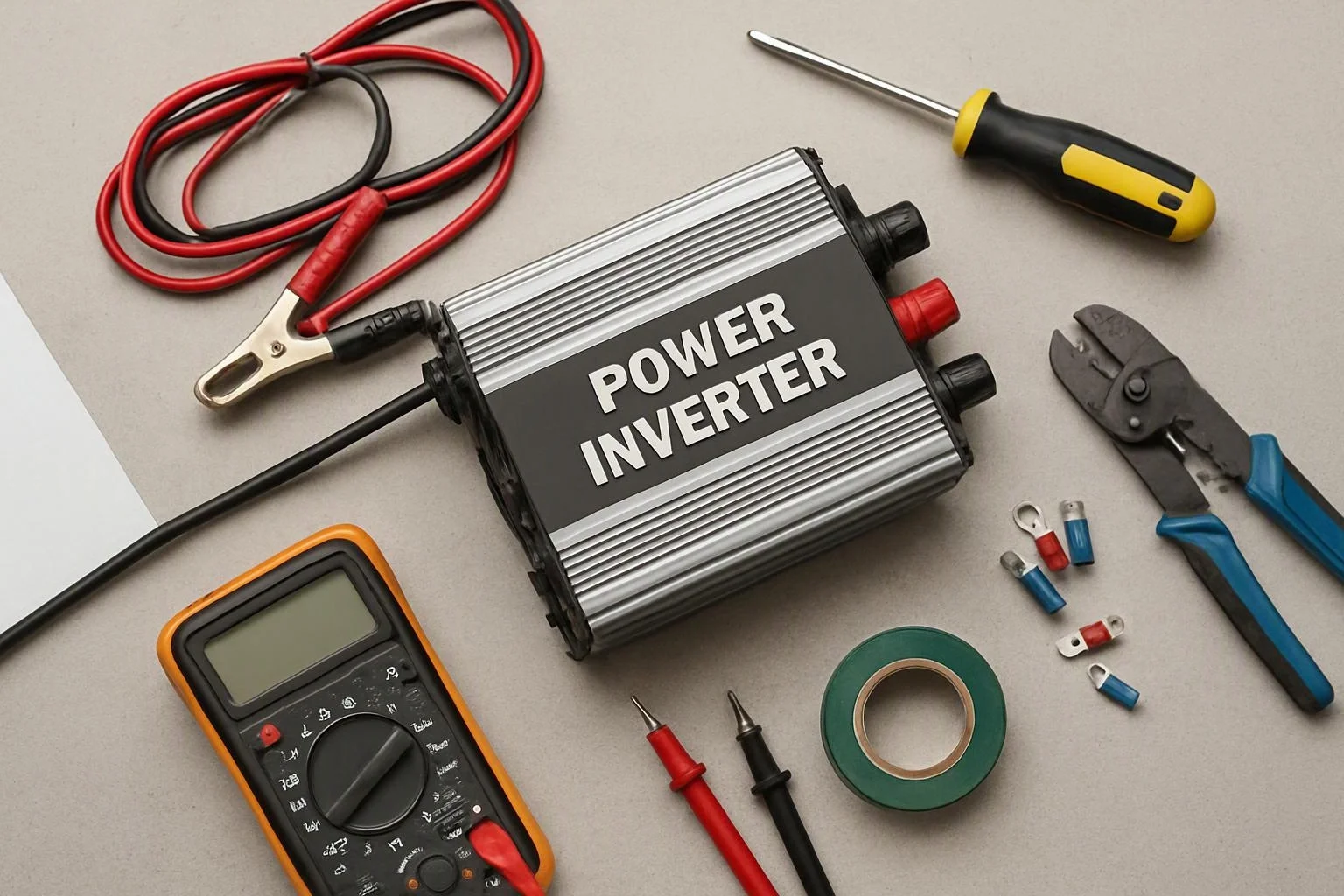
A Power Inverter switches direct current into a controlled alternating-current waveform. Electronic controls shape the output so connected equipment receives the type of power it expects. The inverter also monitors voltage, current, and operating conditions while the system runs.
Related glossary terms: Vehicle-to-Grid, Battery Backup, Line Voltage.
In a bidirectional charging system, the inverter can manage energy in both directions. During charging, alternating current becomes stored direct-current energy. During discharge, stored energy moves back through the inverter to supply a building circuit or another approved electrical load. Vehicle-to-Grid equipment adds communication and control functions so the inverter can coordinate with the vehicle, charger, and electrical system.
From the GMB Electric team
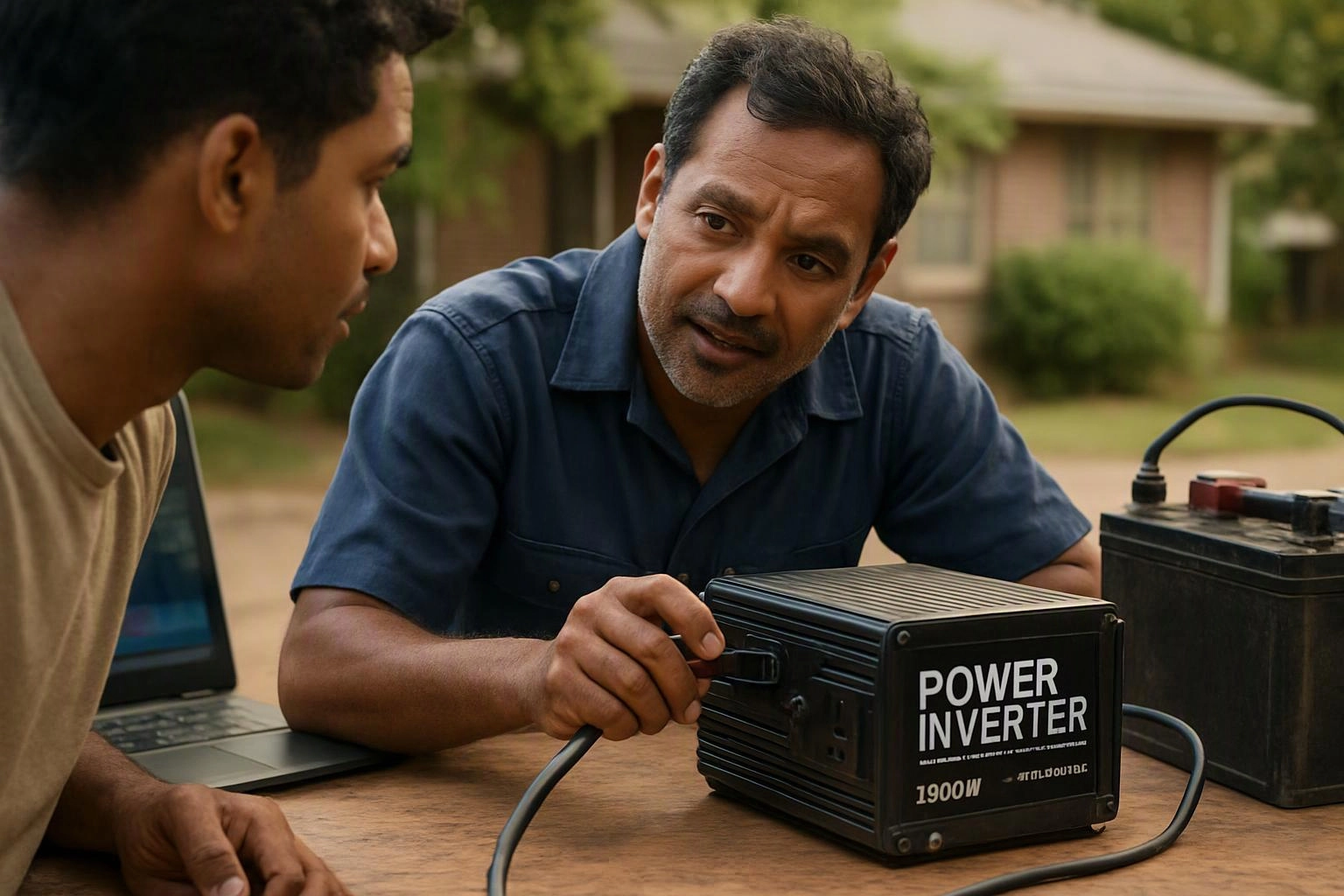
When we troubleshoot a Power Inverter, we check the incoming supply, stored-energy connections, control signals, and system fault messages. We also compare the inverter's operating behavior with the bidirectional charger's wiring and configuration. This helps separate an inverter issue from a problem elsewhere in the charging system.
Power Inverter in Practice: A Real-World Example
A home with bidirectional charging may use a Power Inverter to send energy from an electric vehicle to a selected building circuit during an outage. Troubleshooting may focus on whether the inverter receives the correct signals and transfers energy in the intended direction.
Related Services
Related Terms
Vehicle-to-Grid
Vehicle-to-Grid is a bidirectional energy system that lets an electric vehicle exchange power with the electrical…
Battery Backup
Battery Backup is a power storage system that supplies electricity when the utility source fails. The…
Line Voltage
Line voltage is the electrical potential supplied by a power source to a circuit, appliance, or…
Voltage Drop
Voltage Drop is the reduction in electrical voltage that occurs as current travels through a conductor…
GMB Electric
Have Questions About Power Inverter?
Contact GMB Electric for practical guidance on Power Inverter and related 24 hour electrician work in Indianapolis.