What causes fire alarm system faults?
Panel errors, wiring faults, battery failure, and sensor contamination commonly cause fire alarm system faults. GMB Electric checks each area before recommending work. We read the panel, test the power source, inspect connections, and check devices for dirt or damage. The result identifies whether the system needs repair, component replacement, or a broader installation.
What does the crew look at first during alarm installation?
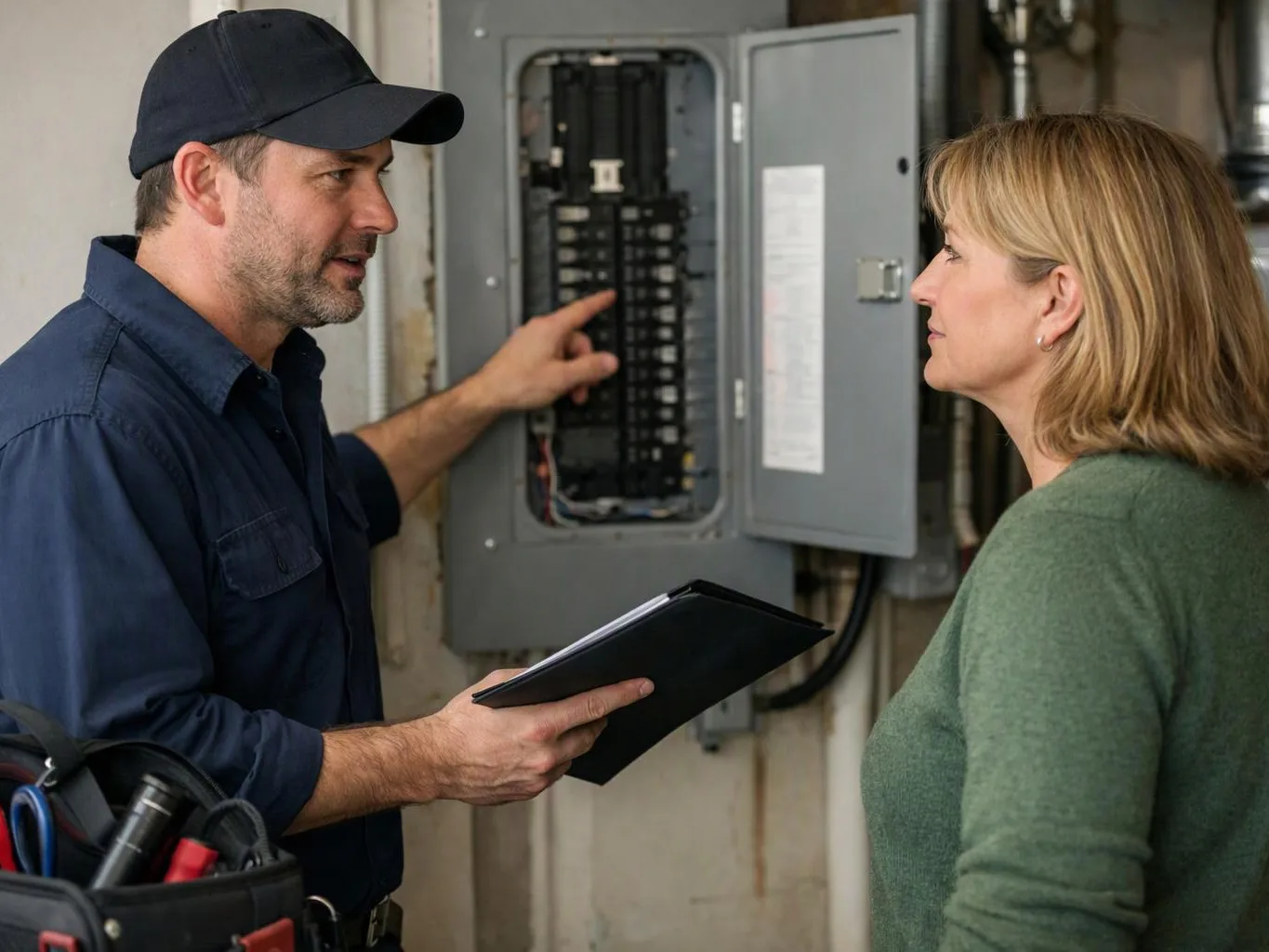
The alarm panel and its power supply are checked first because they show system status and provide control power. We review displayed trouble signals, inspect the battery, and check visible wiring. That first check helps direct testing toward the failed circuit or device instead of setting an unsupported scope.
What should be checked before alarm installation is scheduled?
The existing panel, wiring condition, device locations, power supply, and property access should be checked before scheduling alarm installation. Our team also needs the reported fault and affected areas. Those details help us plan the inspection and determine whether the work involves a repair, new devices, or a full system change.
Who is a good fit for fire alarm installation, and who needs a different service?
Homeowners, landlords, and business owners with alarm system needs are good fits for fire alarm installation. GMB Electric handles panels, wiring, batteries, sensors, and system testing. A utility outage or unrelated household wiring issue needs electrical service outside the alarm system scope.
How does sensor contamination affect an alarm system?
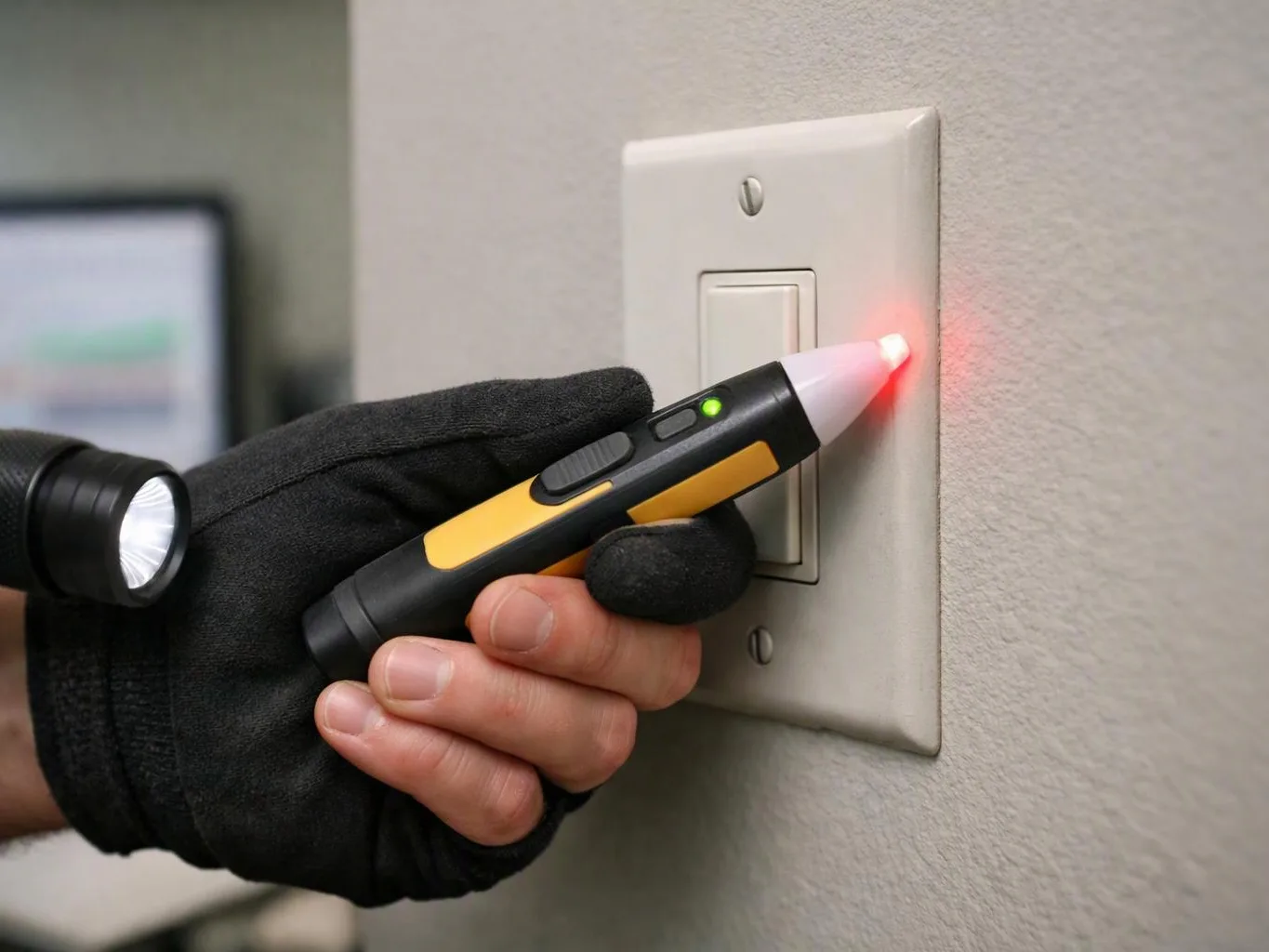
Sensor contamination can cause false signals, trouble conditions, or poor detection. We inspect the sensor, check its connection, and test system operation after cleaning or replacement when appropriate. A sensor that remains unreliable after inspection may require replacement or a wider review of the alarm circuit.
Which alarm parts can create a recurring trouble signal?
A recurring trouble signal can come from the panel, wiring, battery, sensor, or notification device. We isolate each part through panel checks, circuit testing, battery testing, and device inspection. The correct repair depends on the failed component and the condition of the rest of the system.
Why should a fire alarm fault be checked promptly?
A fire alarm fault should be checked promptly because the system might not report a hazard as intended. We inspect warning signals, power, wiring, and devices to find the cause. Property owners should avoid ignoring repeated alarms or trouble signals while waiting for the system to work normally.