How can I tell if an electrical circuit is overloaded?
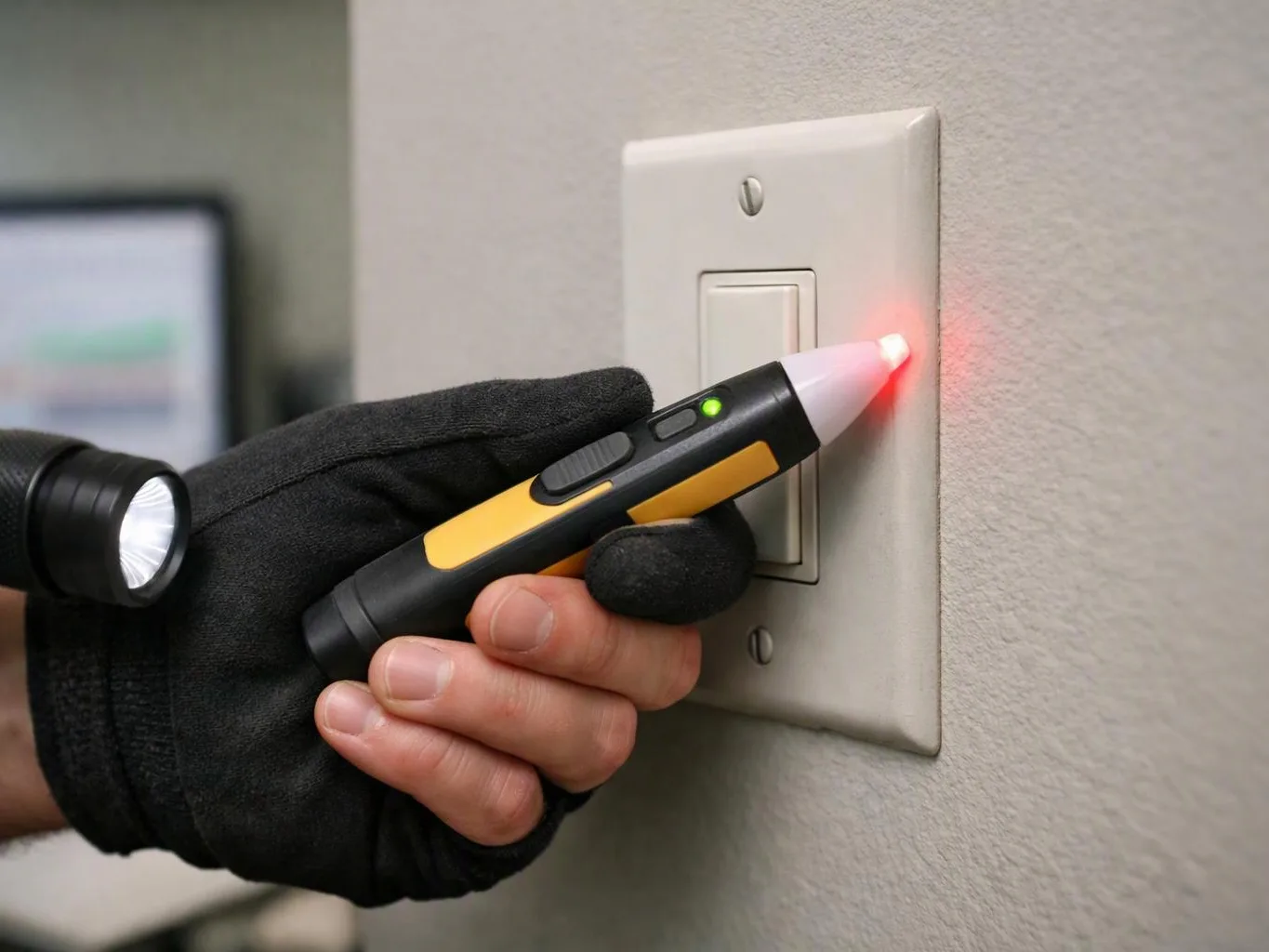
An overloaded circuit often trips its breaker when several devices run together. We check the circuit load, breaker, wiring, outlets, and connected equipment. Warm receptacles, flickering lights, and repeated trips need attention because they can point to excess demand or a damaged connection. Stop using the affected circuit if you notice heat, smoke, sparks, or a burning smell.
What part of the property decides the troubleshooting scope?
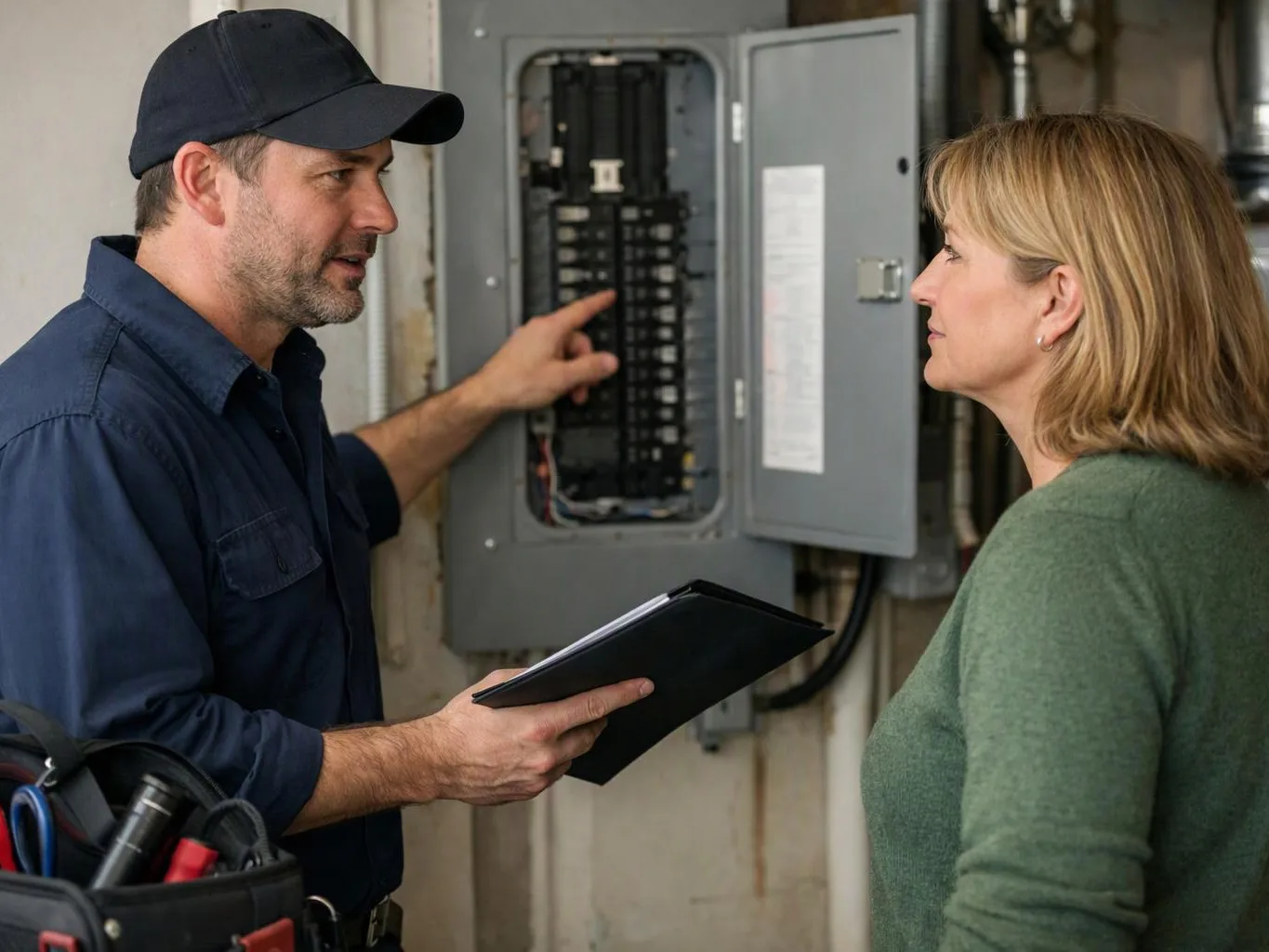
The affected circuit and panel usually decide the troubleshooting scope. We inspect where the symptom appears, then follow the branch through outlets, switches, fixtures, and connected loads. Access also matters because concealed wiring can require more inspection. A single outlet may need focused repair, while a panel or service issue can call for broader electrical work.
Which material can change the time needed for troubleshooting?
The wiring material and its condition can change the work needed. Aluminum wiring, older insulation, damaged cable, and loose connections each call for different checks. Our team identifies the material at the affected circuit and explains its impact on the repair. We don't open walls or change wiring until the diagnosis supports that work.
When should I stop using a circuit before help arrives?
Stop using a circuit when an outlet is hot, a panel buzzes, smoke appears, or a burning smell starts. Turn off the affected breaker only if you can do so safely and keep people away from damaged parts. GMB Electric handles urgent electrical concerns and checks the circuit, wiring, and panel before recommending the next step.
Why do lights flicker when other equipment starts?
Lights can flicker when a shared circuit carries a sudden load or has a loose connection. We inspect the panel, circuit wiring, switches, fixtures, and equipment that starts at the same time. The finding may point to circuit demand, a failing device, or a wiring fault. Repeated flicker deserves inspection before the circuit continues in service.
Which outage should go to the utility company first?
A property-wide outage with no panel or interior warning signs may involve the utility supply. We handle faults inside the property, including breakers, wiring, outlets, switches, and panels. Check whether nearby properties also lost power, then report a suspected supply outage to the utility company. Request electrical troubleshooting when the issue stays within your property.
Can electrical troubleshooting lead to a panel upgrade?
A panel upgrade may follow when the existing panel lacks safe capacity or shows damage. We first inspect the panel, circuits, connections, and property demand. A load calculation helps define the needed capacity before upgrade work begins. Troubleshooting itself does not automatically mean the panel must be replaced.