What should I do before an electrician arrives?
Smoke alarms should be checked, and people should leave any area with smoke, sparks, or a burning smell. Keep away from exposed wiring and do not reset a breaker that keeps tripping. If safe, unplug the affected appliance and note which rooms or outlets lost power. Keep access clear to the panel and shutoff switch.
Which condition on the property changes the repair time?
The fault location changes the repair time because an outlet repair differs from a panel, service entrance, or concealed wiring problem. Access, damaged materials, circuit tracing, and needed parts also shape the work. Our inspection identifies the affected section before we explain the repair scope.
What should I ask before agreeing to emergency electrical repair?
The repair scope, affected circuit, safety steps, and follow-up needs are key questions to ask. Ask which part failed, whether the repair addresses the cause, and whether the panel, wiring, or grounding needs more work. We explain those points before proceeding with the agreed electrical service.
How do I know if the utility company or an electrician should handle an outage?
A property-wide outage with no visible electrical fault may involve the utility, while power loss limited to your panel, circuits, or outlets needs electrical diagnosis. Check whether nearby properties also lost power when it is safe to do so. We inspect property-side equipment when the fault is inside the building.
Can emergency repair include a panel replacement or service upgrade?
Panel replacement or a service entrance upgrade can be part of the work when the inspection finds a panel or capacity problem. We first identify the fault and assess the existing wiring, breakers, grounding, and load. Broader upgrades may need added planning, parts, inspections, or permit steps.
Why does an outlet spark when I plug something in?
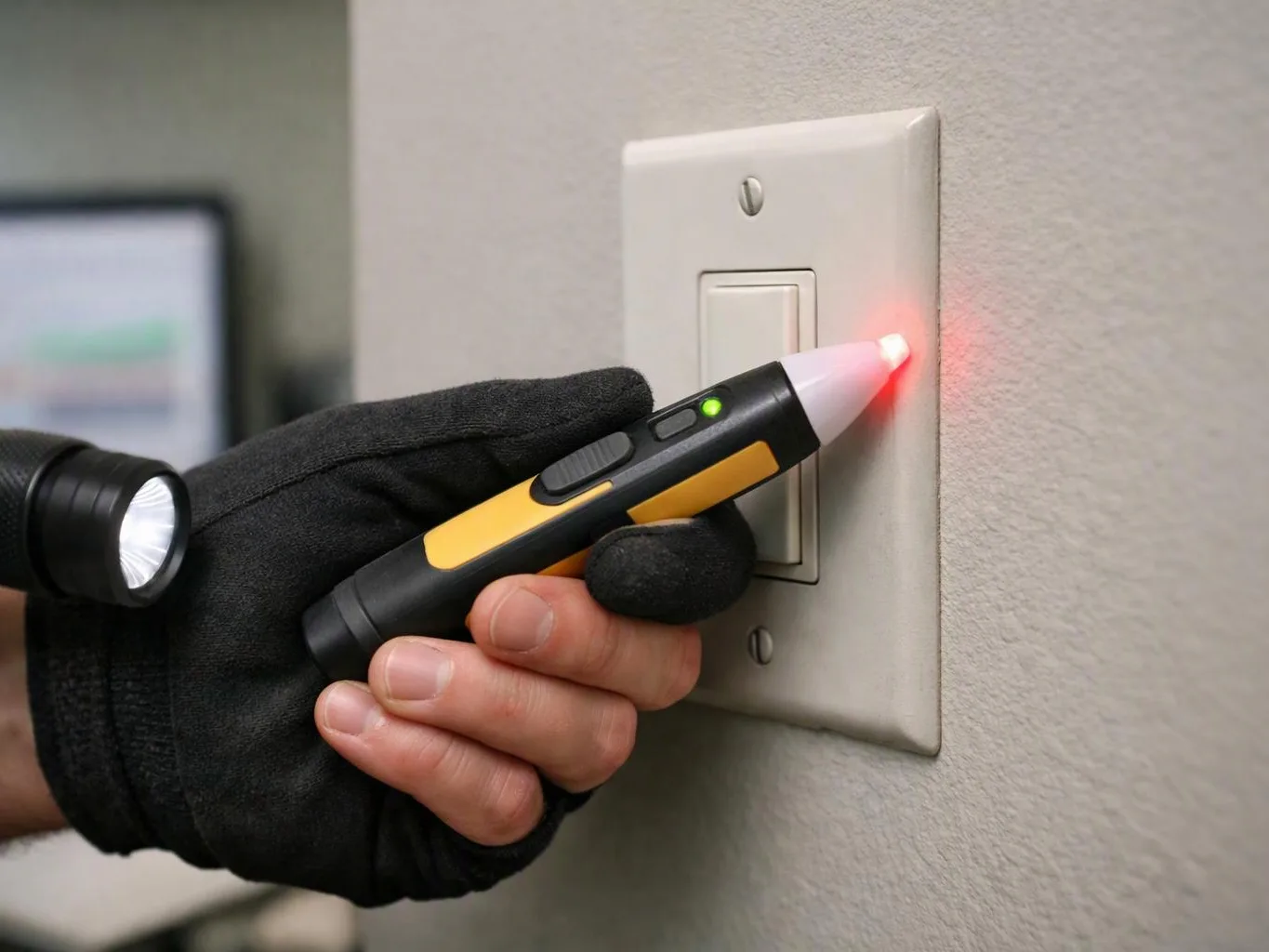
A sparking outlet can result from loose connections, damaged receptacle parts, a short, or an appliance fault. Stop using the outlet and keep clear if it feels warm, smells burnt, or shows damage. We isolate the circuit, inspect the receptacle and wiring, and test the connected load.
What information helps with emergency electrical troubleshooting?
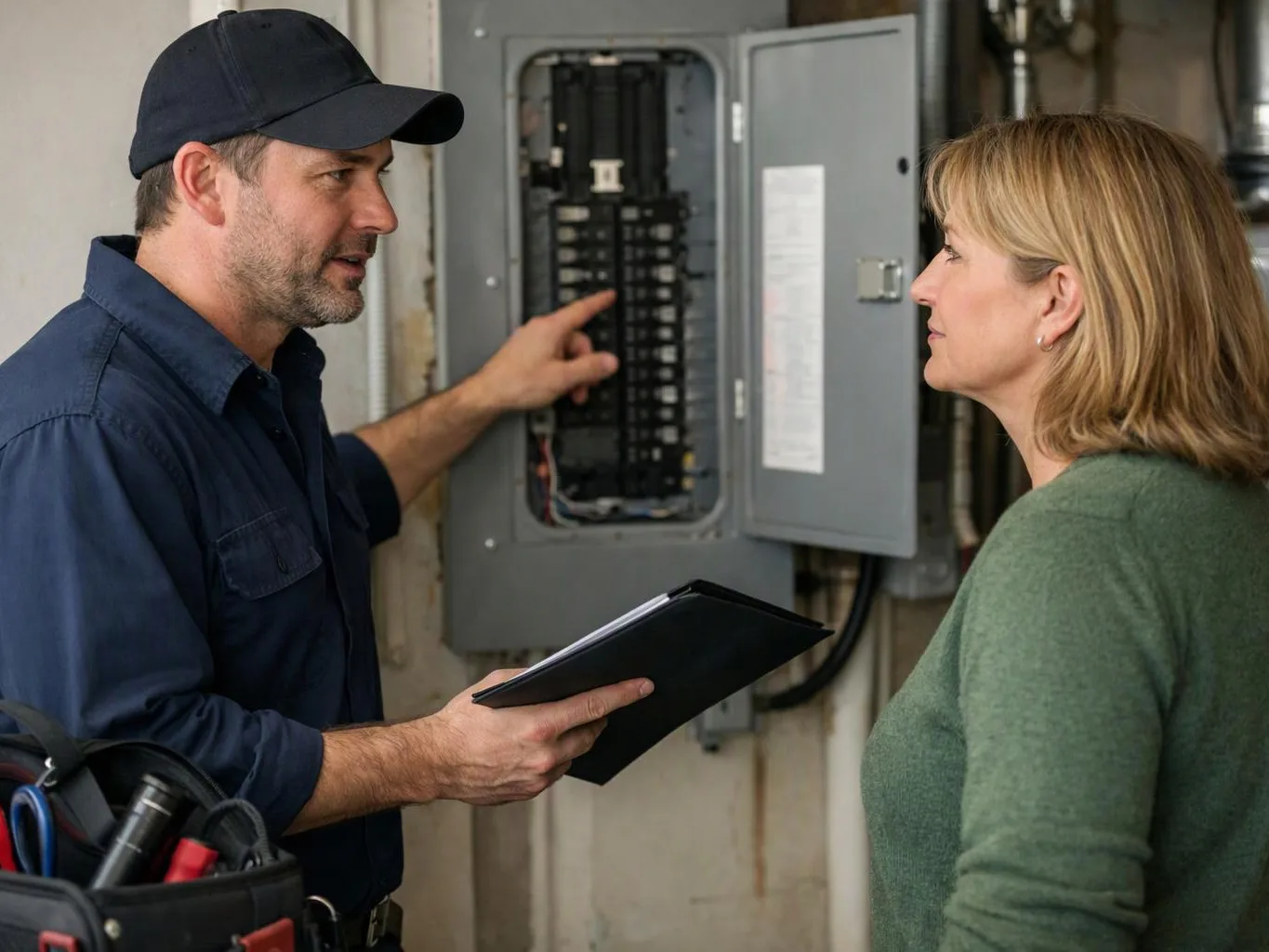
The affected rooms, recent breaker trips, appliance use, visible damage, and any smoke or burning smell help us plan the inspection. Photos can help when they show the panel label or damaged outlet from a safe distance. Do not remove covers or handle exposed wires to gather more information.