How can I tell if an electrical circuit is overloaded?
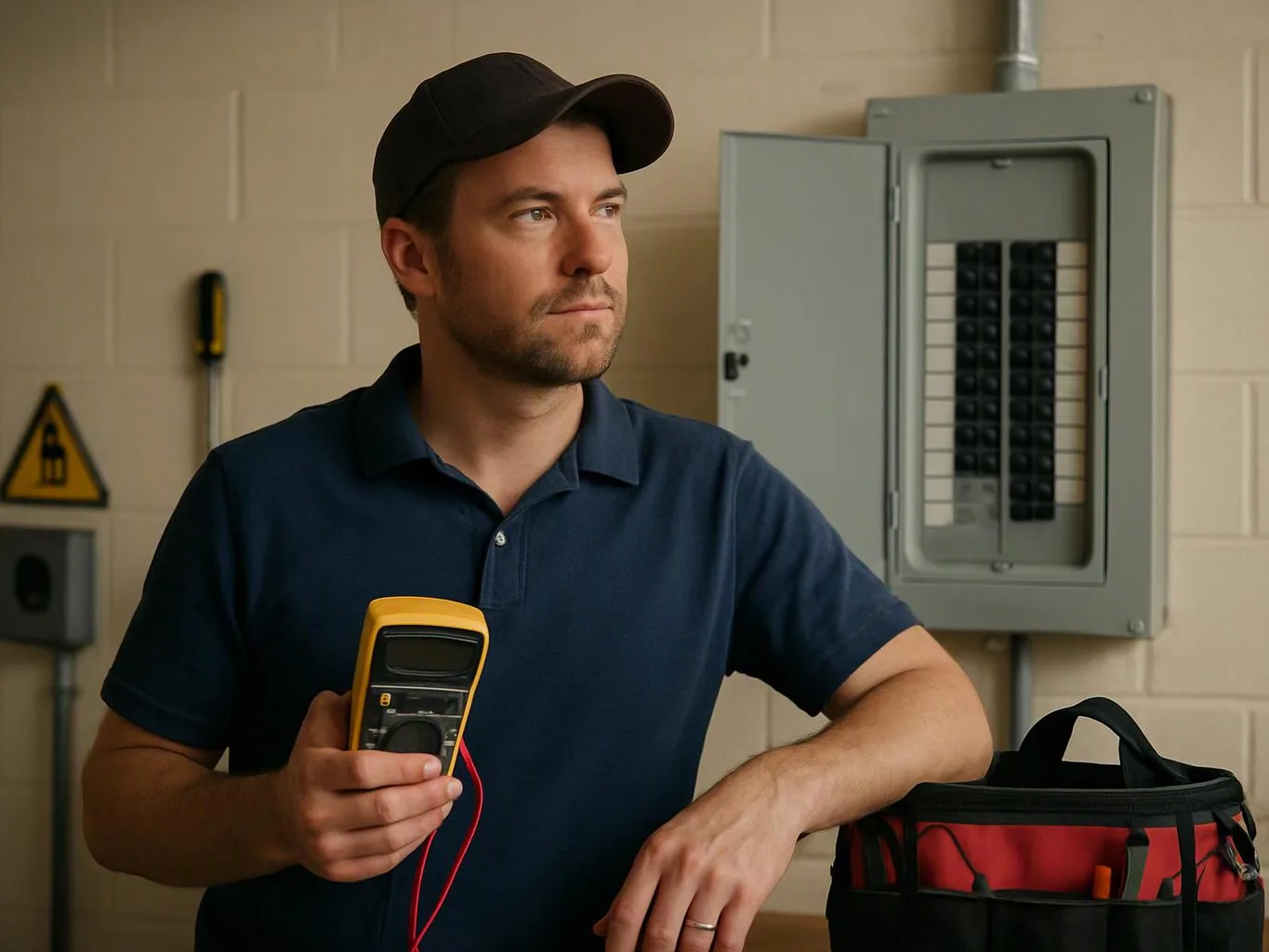
An overloaded circuit often shows repeated breaker trips, warm outlets, flickering lights, or power loss when several devices run together. GMB Electric checks the breaker, wiring, receptacles, and connected loads to confirm the cause. Stop using the affected circuit if an outlet feels hot, smells burnt, or sparks. We then explain whether the circuit needs repair, load changes, or a larger upgrade.
What should I do before electrical troubleshooting begins?
The safest preparation is to stop using the affected outlet, light, appliance, or circuit. Note what was running when the problem began and identify which rooms lost power. Do not remove panel covers or open outlets. Photos of the panel label and affected area can help us understand the reported symptom before the visit.
Which part of the property decides the troubleshooting scope?
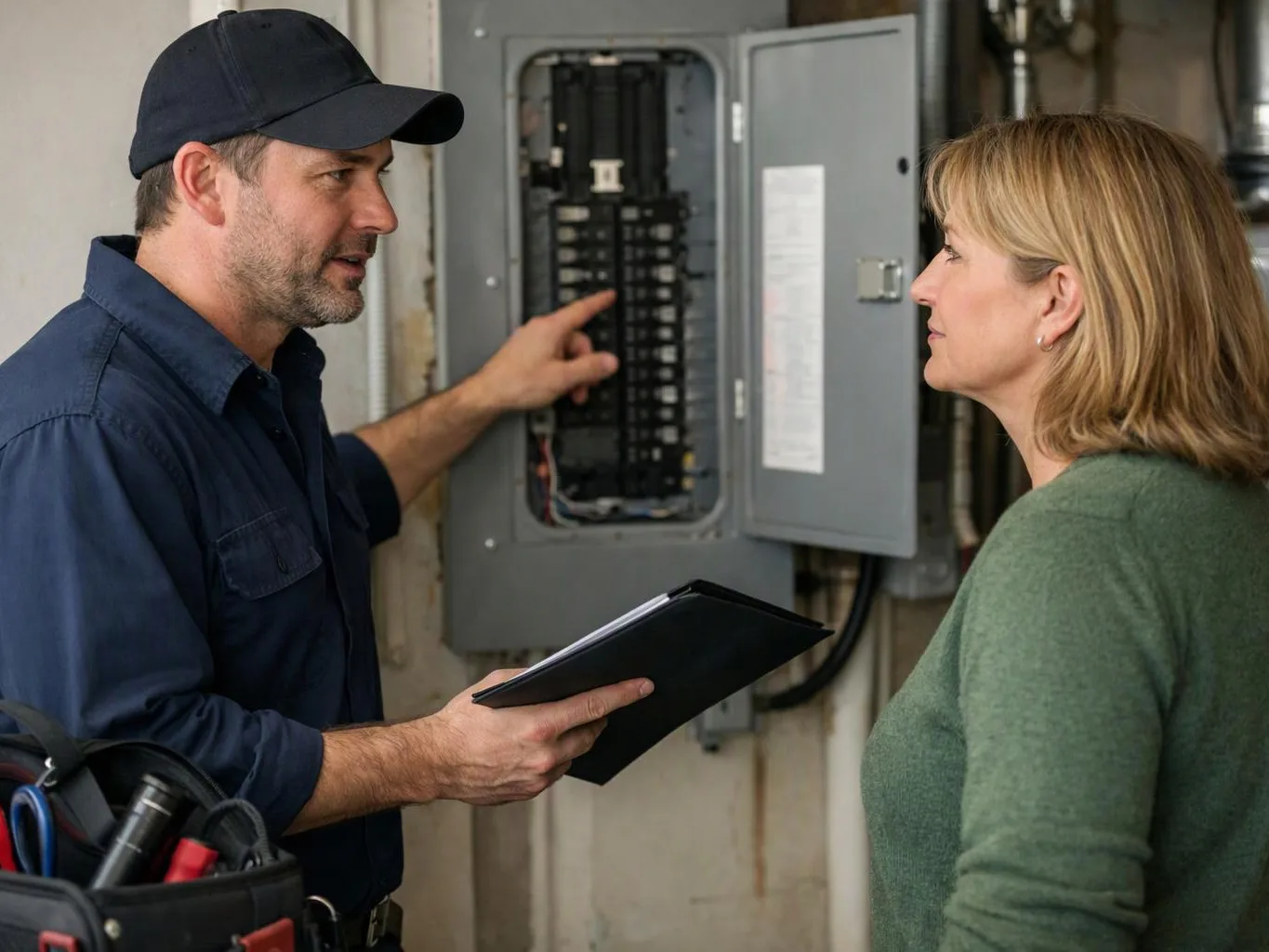
The affected circuit decides the scope because its panel breaker, wiring path, outlets, switches, and connected loads must be checked together. A single dead outlet may need a focused inspection, while several symptoms can point to shared wiring or panel work. Access to the panel and affected devices also shapes the inspection.
When should a breaker trip become an urgent electrical concern?
A breaker trip becomes urgent when it comes with a burning smell, buzzing panel, heat, smoke, or sparks. Turn off the affected circuit if you can do so safely and keep people away from damaged parts. Our electricians available 24 hours for emergencies can inspect the condition and explain the safest next step.
Why do lights flicker when other equipment turns on?
Flickering lights can occur when a shared circuit has a loose connection, excess load, or a fault in the panel or fixture. Our team checks the light, switch, breaker, wiring, and equipment that changes the circuit demand. Avoid repeated testing with large loads because the symptom can worsen when a connection is damaged.
How does a troubleshooting visit move from the first call to the last step?
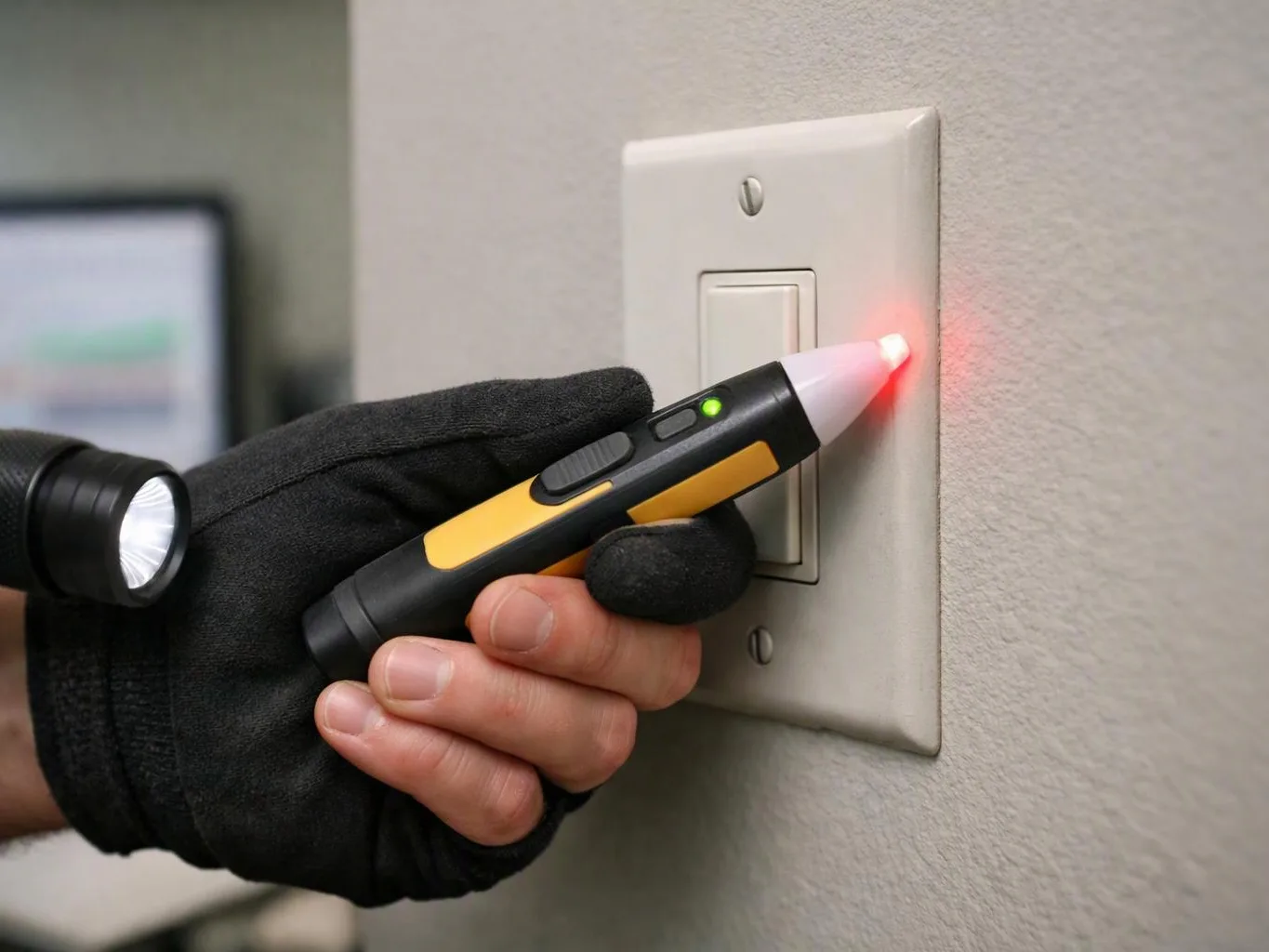
The visit moves from symptom review to circuit inspection, testing, diagnosis, and a defined repair scope. We identify the affected points first, then trace the circuit and check the panel, wiring, outlets, and loads. The final step is an explanation of the finding and a free estimate when repair or installation work is needed.
Can electrical troubleshooting fit both homes and business properties?
Electrical troubleshooting fits homes and businesses when a circuit, panel, outlet, switch, or wiring fault causes a known symptom. We adjust the inspection to the affected equipment and the property’s use. A utility outage, full rewiring project, or planned panel upgrade may require a different service scope after the initial diagnosis.