What to Do During a Sudden Power Loss
Power loss requires immediate safety checks, controlled troubleshooting, and emergency repair when hazards are present. GMB Electric handles power outage troubleshooting and emergency electrical repair when the cause is unclear or the system is unsafe.
Get a Free Estimate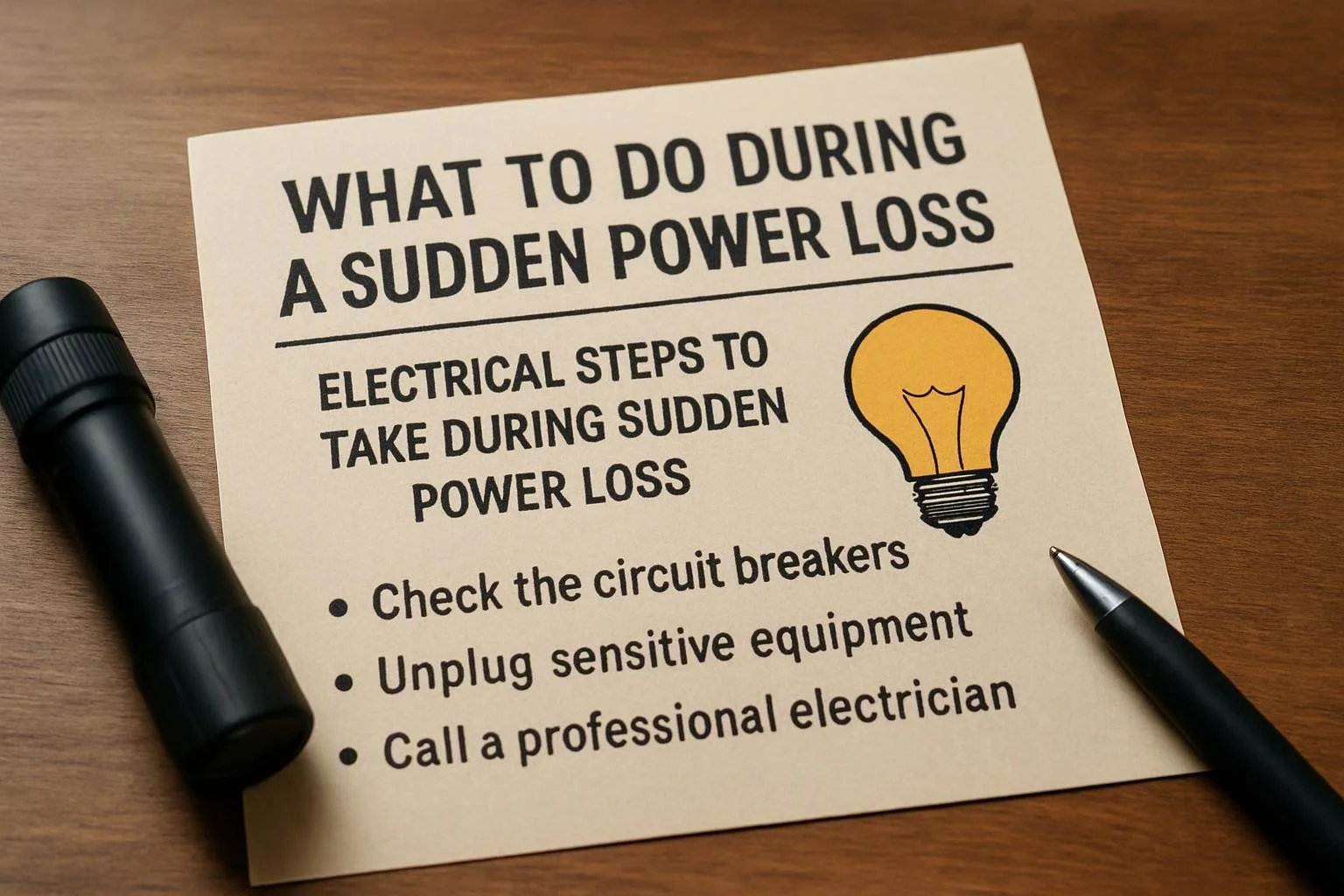
Check for Immediate Electrical Danger
A sudden power loss requires an immediate safety check for smoke, sparks, burning odors, exposed conductors, or unusual heat before you touch switches or electrical equipment.
Smoke, sparks, or a burning odor can signal an electrical hazard. Move away from the affected area, keep others clear, and call emergency services if there is an active fire.
Do not touch exposed wiring or an electrical panel that feels hot, looks damaged, or is near water. We can inspect the system after the area is safe and determine whether controlled isolation is needed.
Follow These Electrical Steps During a Power Loss
Power outage troubleshooting starts with confirming the outage, disconnecting sensitive equipment, checking the electrical panel only when it is dry and undamaged, and stopping when a hazard appears.
Use these steps only when there is no smoke, fire, water, exposed wiring, or visible damage. A safe power shutoff may be needed when the affected circuit or equipment shows signs of danger.
What Commonly Causes a Sudden Power Loss?
Common causes of a sudden power loss include a utility outage, an overloaded circuit, a tripped breaker, or a wiring fault. Our team traces the affected circuit when the cause is not clear.
Signs the Electrical System Needs Immediate Attention
Electrical system warning signs include flickering lights, burning odors, sparking outlets, warm panels, buzzing sounds, repeated breaker trips, and electric shocks. These signs call for safe isolation and electrical troubleshooting.
Do not keep using equipment that produces a burning smell, heat, or unusual noise. We inspect the affected circuit and connected equipment to locate the unsafe condition.
What to Do After Water Damage or Flooding
Water damage makes electrical equipment unsafe to touch or restore until the affected power is isolated and the system is assessed for moisture and damage.
Flooding can affect outlets, wiring, appliances, and the electrical panel even when the damage is not visible. Do not enter standing water near electrical equipment or touch wet electrical equipment.
Move away from the area and arrange a safe power shutoff only when you can reach the disconnect without crossing water or touching damaged parts. We assess moisture intrusion, damaged wiring, and the electrocution hazard before restoring power.
How to Respond to Storm or Weather Damage
Storm-related power loss requires distance from downed lines, damaged service equipment, and wet electrical components while the utility and GMB Electric address the affected system.
Never approach a downed power line or assume it is de-energized. Stay away from damaged utility equipment and contact the utility for hazards involving its equipment.
Lightning can damage the service entrance, connected equipment, and protective devices. We inspect the electrical system for surge damage before recommending safe repairs.
Safe Troubleshooting for Emergency Lighting Problems
Emergency lighting troubleshooting is limited to safe visual checks and replacing an accessible bulb when no wiring, water, heat, or fixture damage is present.
Do not open a light fixture or work on wiring during a power loss. We check indoor lighting, outdoor lighting, light switches, fixtures, and backup lighting when the problem goes beyond a visible bulb issue.
Outdoor Electrical Emergencies Need Extra Caution
Outdoor electrical emergencies require extra caution because moisture, damaged cords, exterior outlets, and landscape lighting can create shock and fire hazards.
Do not use an outdoor electrical outlet, extension cord, or landscape lighting that is wet, damaged, or warm. A ground-fault circuit interrupter can reduce shock risk, but it does not make damaged equipment safe to use.
Keep people away from the wet location until power is isolated safely. We inspect the outdoor electrical system, exterior lighting, protective devices, and affected wiring before returning equipment to service.
Prevention Steps That Reduce Power Loss Risk
Power loss risks can be reduced by keeping circuits properly loaded, replacing damaged cords, maintaining protective devices, and arranging electrical inspections when problems recur. Our team can identify patterns that point to a larger electrical issue.
When GMB Electric Should Troubleshoot the Power Loss
GMB Electric should troubleshoot a sudden power loss when the cause is unclear, a breaker will not reset safely, damage is visible, or power remains out in part of the property after basic checks.
Power outage troubleshooting also belongs with our team when the problem involves damaged wiring, a warm electrical panel, repeated breaker trips, or equipment affected by water or a surge.
We provide emergency electrical repair for unsafe conditions that need fault isolation, circuit repair, or electrical panel work. Contact us through Power Outage Troubleshooting when you need the affected system assessed.
How We Assess a Sudden Power Loss
Our electrical troubleshooting process identifies the affected circuit, checks the panel and connected equipment, isolates the fault, and explains the repair needed to restore safe operation.
What Determines the Cost of Power Loss Repair?
Power loss repair cost depends on the fault location, circuit damage, equipment condition, access, and whether repair or replacement is required; GMB Electric provides Free Estimates Available.
Wiring repair, electrical panel repair, circuit damage, and replacement parts can each change the work involved. Water damage, storm damage, and concealed faults may require more inspection before the repair plan is clear.
We explain what we find, what the repair includes, and which parts affect the estimate. Request an assessment through Emergency Electrical Repair for an exact quote.
Questions About Sudden Power Loss
Should I reset a breaker after a sudden power loss?
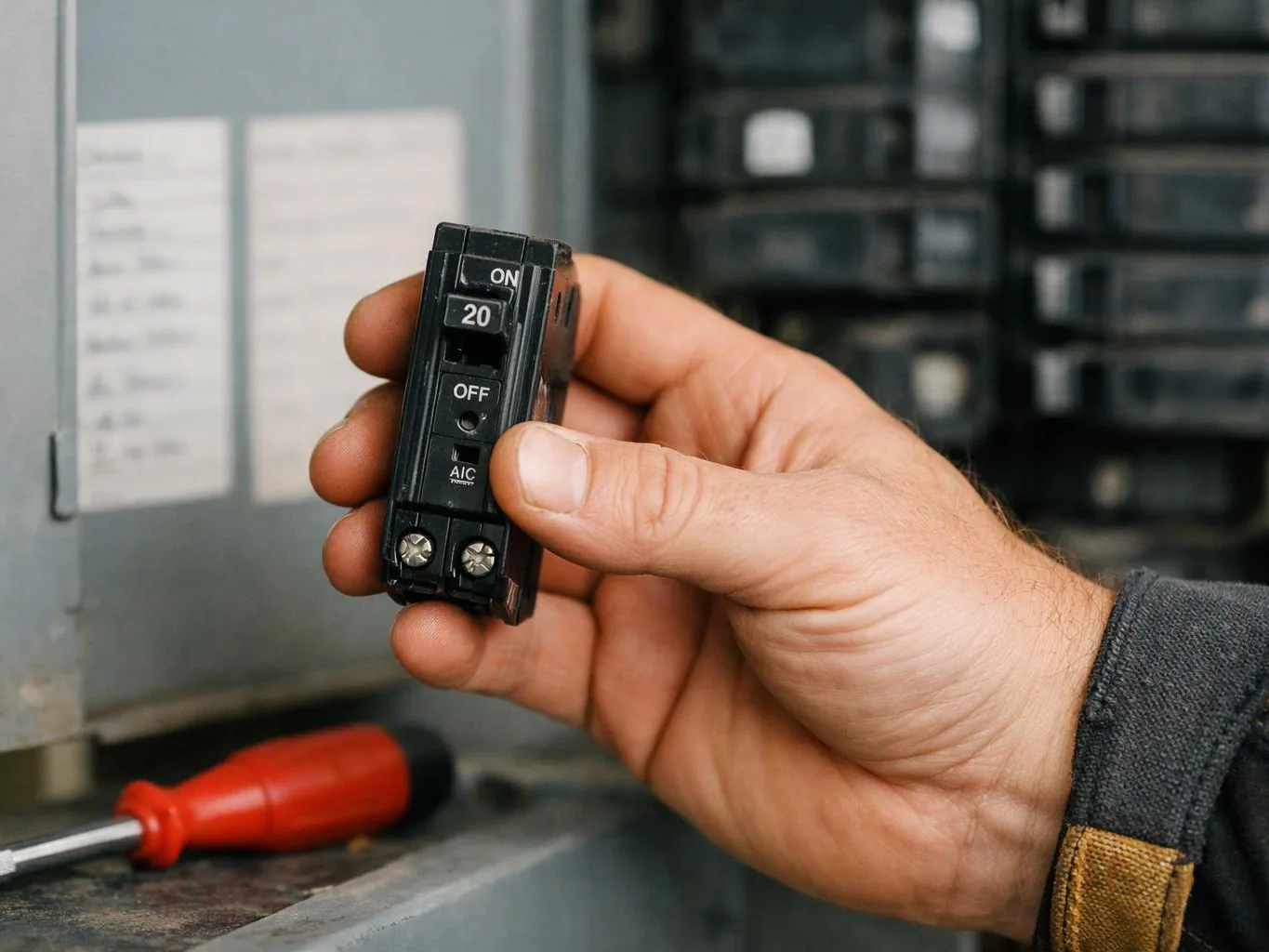
GMB Electric recommends resetting a breaker only when the panel is dry and undamaged and there are no signs of smoke, heat, odor, sparks, or water. Stop if the breaker will not reset or trips again.
Can a power outage damage appliances and electronics?
Yes, a power outage can damage appliances and electronics through surges, unstable restoration, or faults in the electrical system. Disconnect sensitive equipment when safe and have damaged equipment checked before reuse.
What should I do if only part of my home loses power?
Partial power loss usually points to an affected branch circuit, tripped breaker, damaged connection, or utility problem. Turn off affected equipment, check for immediate danger, and stop if the cause is not clear or the breaker will not reset safely.
Is a flickering light after a power outage dangerous?
Yes, a flickering light after a power outage can indicate a loose connection, damaged fixture, overloaded circuit, or unstable supply. Turn off the affected light and arrange electrical troubleshooting if flickering continues.
Can I use a generator after a sudden power loss?
Yes, you can use a generator only when it is installed, operated, and connected safely according to its instructions. Never connect a portable generator directly to a building circuit without the proper transfer equipment, and keep the generator outdoors away from openings.
Sudden power loss can involve a utility outage, circuit fault, damaged wiring, water intrusion, or storm damage. GMB Electric provides controlled electrical troubleshooting and emergency electrical repair when safe homeowner checks cannot identify the cause.
Contact GMB Electric for help assessing an unsafe or unexplained power loss.