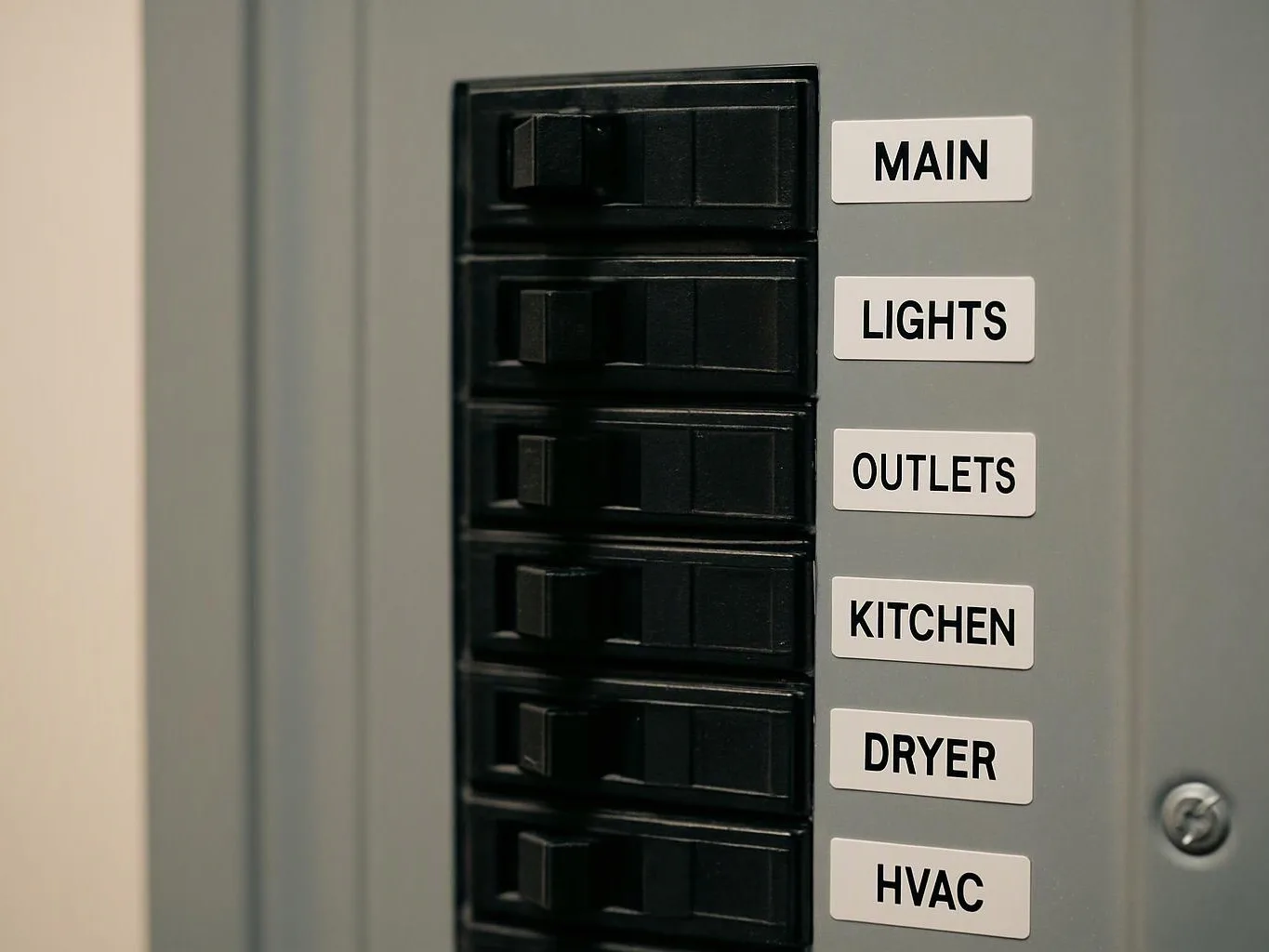
What to Do After an Emergency Electrical Repair
Post-repair electrical safety requires documentation, a follow-up inspection, code correction, and preventive maintenance, and GMB Electric helps determine whether the emergency electrical repair resolved the underlying problem.
Get a Free EstimateWhat Should You Do Immediately After an Emergency Electrical Repair?
After an emergency electrical repair, confirm that the affected area is safe, preserve the repair information, and avoid restoring equipment that shows heat, odor, sparking, or other warning signs.
How to Document Electrical Damage and the Completed Repair
Electrical repair documentation should record the original damage, the repaired components, visible conditions, and any follow-up recommendations.
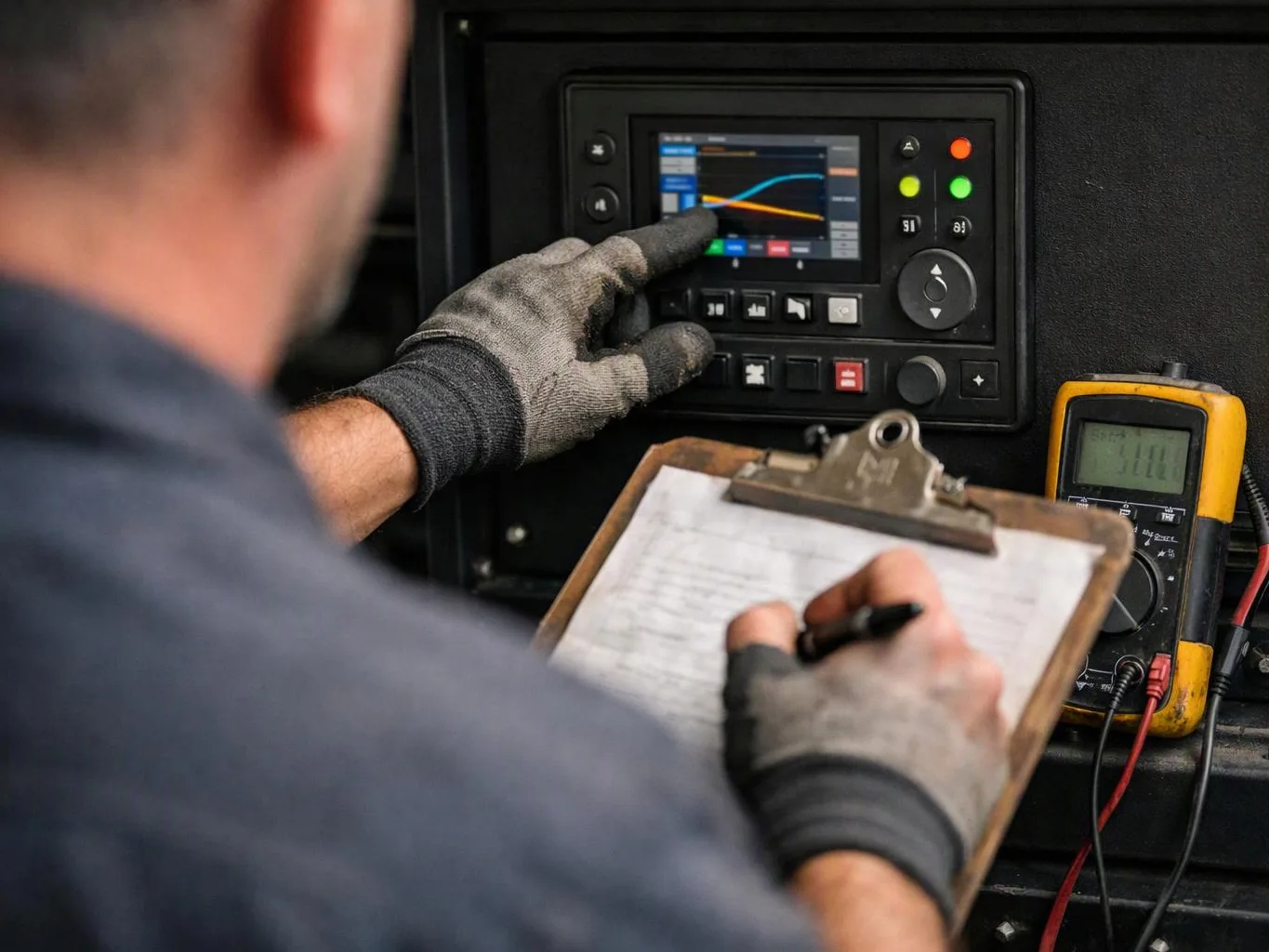
Photographs can show the condition of damaged wiring, outlets, switches, and the electrical panel before and after the work. Keep written repair records that identify the affected circuit, the parts replaced, and any signs of overheating or a loose connection.
Replacement parts and protective devices should be recorded with the repair details. This electrical documentation gives our team useful context during a follow-up electrical inspection and helps us trace an underlying electrical problem.
Why an Electrical Safety Inspection May Follow an Emergency Repair
An Electrical Safety Inspection may follow an emergency repair because the visible failure can be a symptom of a larger wiring, load, grounding, or panel problem.
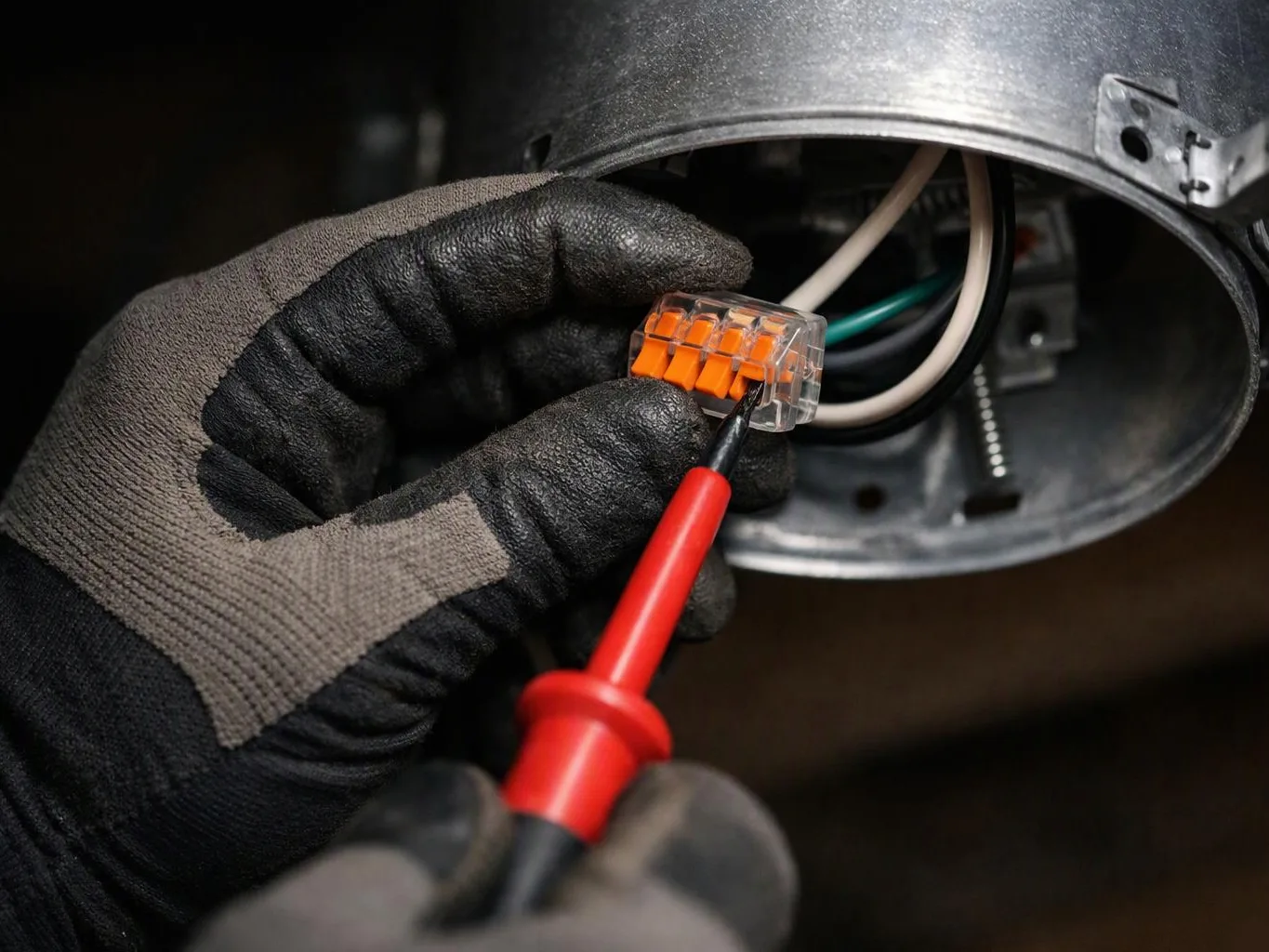
An electrical fault can result from overheating, an arc fault, a loose connection, or circuit overload. Our team checks the affected circuit and related components to determine whether the repair corrected the cause or only restored safe operation.
Grounding paths, protective devices, connections, and the electrical panel can affect how a fault develops. We review these areas when the repair history or warning signs point to a broader safety concern.
How GMB Electric Checks for Further Electrical Work
GMB Electric checks the repaired circuit, related wiring, protective devices, connections, and panel condition to determine whether further electrical work is needed. Free Estimates Available.
Our Electrical Troubleshooting process begins with the repair history and the symptoms that led to the emergency call. We test the affected circuit, review connected electrical load, and look for conditions that could cause another failure.
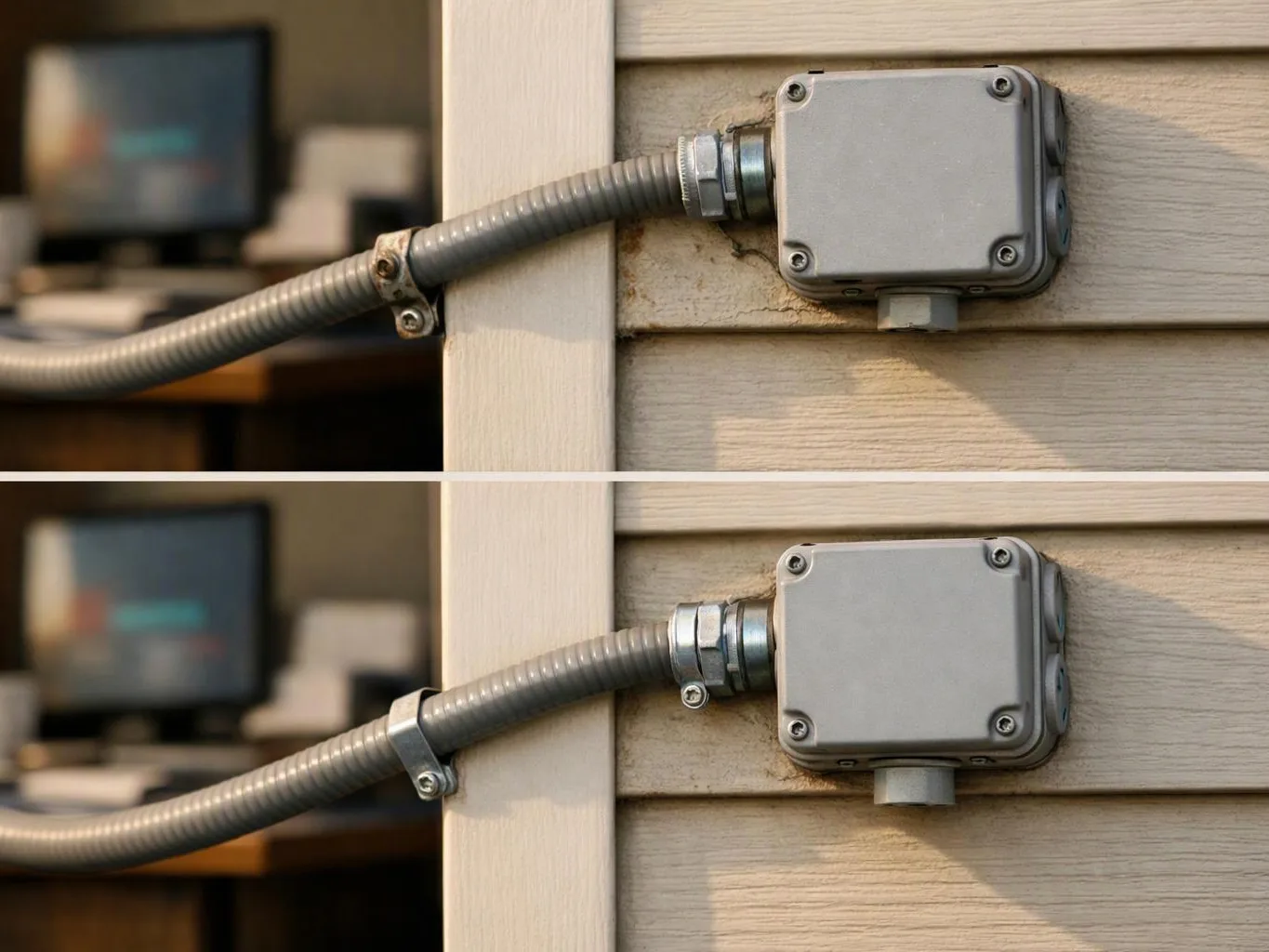
When the installation does not meet current safety requirements, we explain the needed Electrical Code Correction. If the circuit or panel cannot support the connected equipment, our team may recommend Electrical Wiring Repair or an Electrical Panel Upgrade.
What Recurring Electrical Emergencies May Indicate
Recurring electrical emergencies may indicate an unresolved circuit fault, overloaded wiring, deteriorated connections, or inadequate electrical capacity.
Repeated symptoms provide useful clues, but each affected circuit still needs direct review. Our team uses the repair history and current conditions to connect the warning sign with the likely electrical problem.
| Recurring sign | Possible concern | What we check |
|---|---|---|
| Tripped breaker | Circuit overload, short circuit, or damaged wiring | Load, connections, wiring condition, and protective operation |
| Flickering lights | Loose connection or unstable circuit condition | Terminations, switches, fixtures, and circuit behavior |
| Burning odor | Overheating, damaged insulation, or a failing connection | Heat damage, wiring, equipment, and panel components |
Recurring symptoms should not be treated as a normal part of electrical service. We locate the source and explain whether the repair requires circuit troubleshooting, wiring repair, code correction, or a panel review.
How to Build a Preventive Electrical Maintenance Plan
A preventive electrical maintenance plan combines condition checks, prompt correction of warning signs, and follow-up review of circuits affected by the emergency.
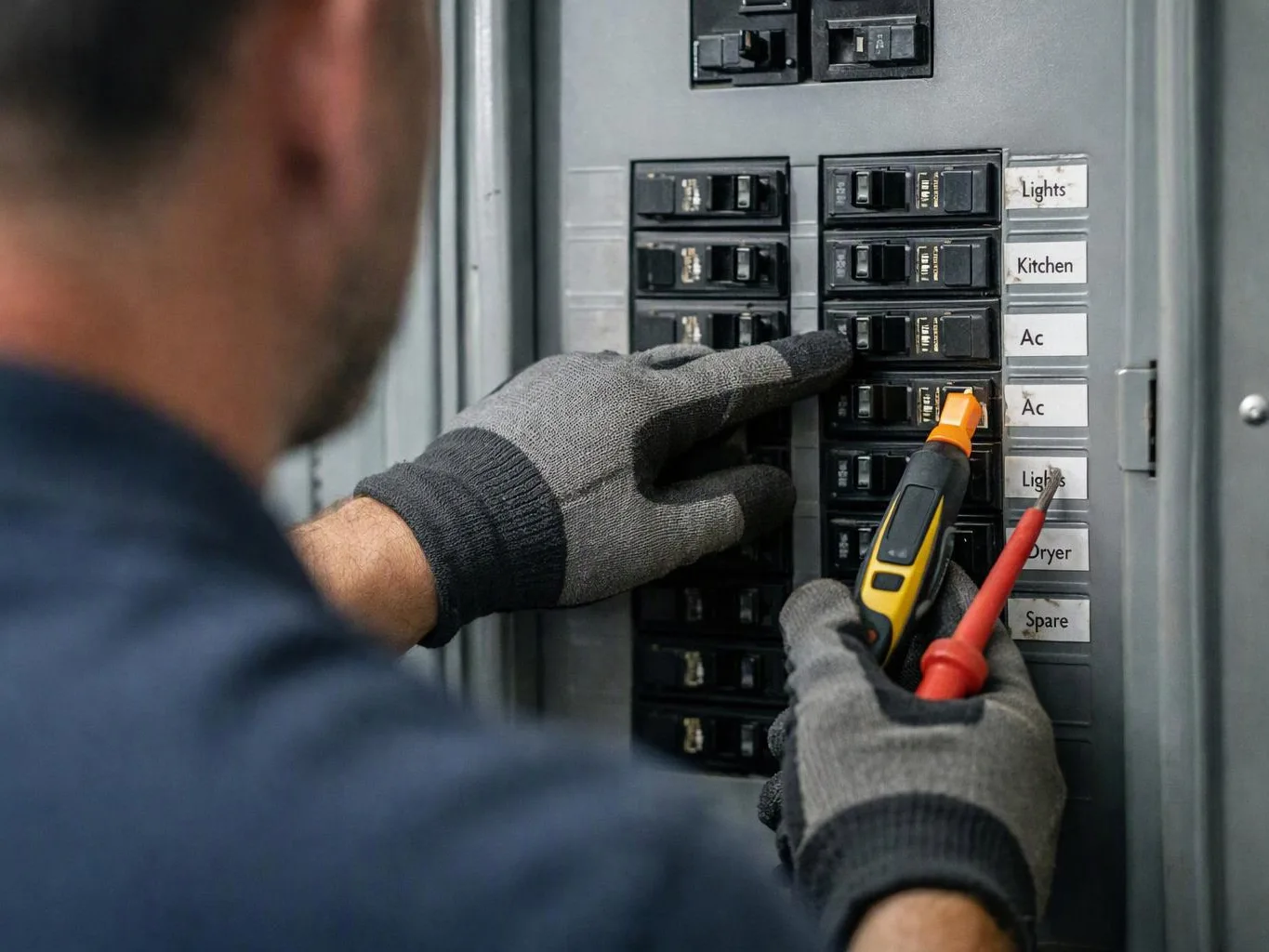
Schedule an electrical inspection when the repair involved repeated faults, heat damage, or uncertain circuit capacity. Our team reviews the electrical panel, circuit protection, outlets, switches, and visible electrical wiring.
Keep repair records together and note changes such as flickering lights, unusual warmth, a burning odor, or a tripped breaker. We use those details to focus the next safety check and identify changes before they become another emergency.
When Should Further Electrical Work Be Scheduled?
Further electrical work should be scheduled when the emergency repair did not address the underlying fault, the existing installation is unsafe, or the circuit cannot support its connected equipment.
Our team can explain the next step when the repair points to a broader wiring or panel concern. The work may require an electrical permit when local rules call for one.
What Information Should You Provide When Requesting Follow-Up Electrical Work?
A follow-up electrical request should include the emergency symptoms, the affected circuit or equipment, the repair performed, and any continuing warning signs so GMB Electric can assess the work accurately.
Describe when the issue began and whether the circuit had a tripped breaker, flickering lights, burning odor, heat, sparking, or loss of power. Include photographs and repair records when they are safe to provide.
Share the electrical inspection findings, replacement parts, and any recommendation for code correction. We use this repair history to plan Electrical Troubleshooting and prepare an electrical quote based on the actual work required.
Questions About Post-Repair Electrical Safety
Can an electrical problem return after an emergency repair?
Yes, an electrical problem can return when the emergency repair did not correct an underlying fault, circuit overload, loose connection, damaged wiring, or panel issue. GMB Electric checks the affected circuit and related components to identify the cause.
What warning signs mean an electrical repair needs follow-up?
Burning odor, overheating, sparking, flickering lights, repeated breaker trips, and visible damage mean an electrical repair needs follow-up. Stop using affected equipment and arrange a safety check when these warning signs continue.
Should damaged electrical equipment be used after a repair?
No, damaged electrical equipment should not be used when heat, odor, sparking, exposed wiring, or other warning signs remain. Keep the equipment out of service until we determine that safe operation has been restored.
What records should I keep after an electrical emergency?
Keep photographs, repair records, affected circuit details, replacement part information, inspection findings, and follow-up recommendations after an electrical emergency.
Can an electrical inspection identify problems outside the repaired area?
Yes, an Electrical Safety Inspection can identify related problems outside the repaired area when connected circuits, grounding, protective devices, or the electrical panel contributed to the failure.
GMB Electric can review your repair history, inspect the affected electrical system, and explain the next safe step. Request a follow-up assessment through our electrical service team.