When to Call a 24-Hour Electrician for an Electrical Emergency
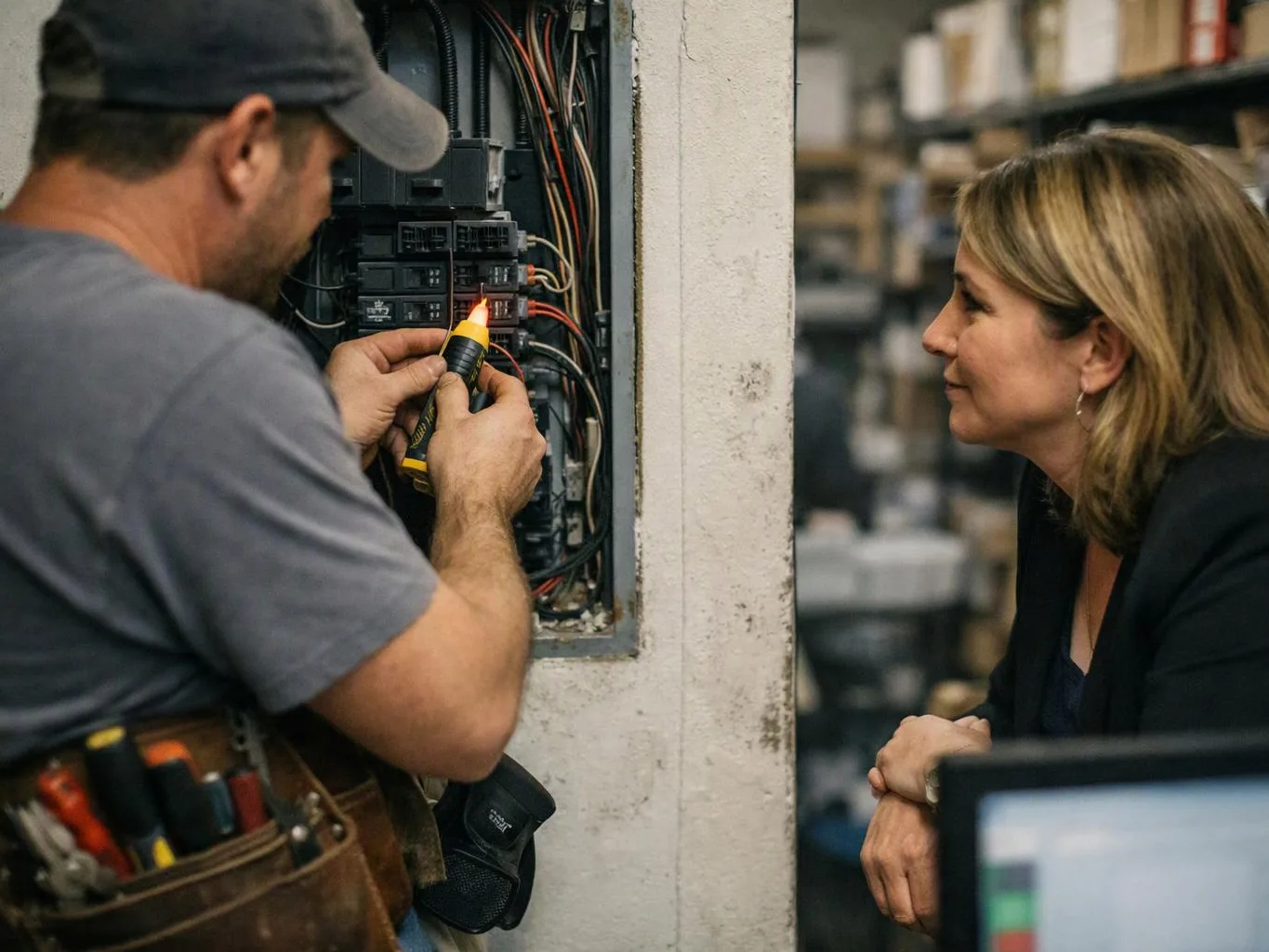
An electrical emergency requires urgent assessment by a 24-hour electrician when fire, smoke, exposed energized wiring, repeated power loss, or electrical contact with water creates immediate danger. GMB Electric handles emergency electrical repair, troubleshooting, and safety inspections after you move people and pets away from danger and shut off power only when you can do so safely.
Get a Free Estimate
Which Electrical Problems Need Emergency Help?
An electrical problem needs emergency help when it creates an immediate risk of fire, shock, serious equipment damage, or unsafe loss of power. We assess the hazard and focus first on making the affected area safe.
An electrical emergency can involve sparks, smoke, a burning odor, a power outage, or repeated circuit failure. GMB Electric provides emergency electrical repair and electrical troubleshooting when the problem cannot wait for routine service.
Signs of Fire, Shock, or Arc-Fault Risk
When Water and Electricity Are Involved
Water intrusion makes electrical equipment unsafe when flooding, leaks, or a wet outlet reaches wiring or electrical connections. A wet electrical panel can create an electric shock risk even when the power appears to be off.
Move away from wet electrical equipment and keep others out of the area. We inspect the affected system before restoring power or beginning repairs.
What Can You Check Safely Before Calling?
You can check for a tripped breaker, blown fuse, or reset GFCI outlet only when the area is dry and there is no smoke, heat, sparking, exposed wiring, or shock risk. Stop immediately if the check feels unsafe.
Call GMB Electric when the breaker trips again, the GFCI will not reset, or the cause of the power loss is unclear. Our team performs emergency electrical repair after identifying the electrical hazard.
How Do You Shut Off Power Safely?
You can shut off the affected circuit or main disconnect when the service panel is dry, accessible, and safe to reach without touching damaged wiring or standing in water.
Keep your hands dry and stand on a dry surface. Use the circuit breaker for the affected area when the hazard is limited to one circuit.
Use the main disconnect only when the danger affects multiple circuits or the source is unclear. Do not approach the electrical panel during flooding, smoke, visible arcing, or active fire.
Call emergency services for an active fire, then leave the area. We can inspect the electrical panel and affected circuit after emergency responders confirm that it is safe to return.
What Should You Avoid During an Electrical Emergency?
Electrical emergencies become more dangerous when people try to reach damaged equipment or suppress an electrical fire with water. Keep people and pets away while you arrange safe help.
We handle the electrical troubleshooting and safety checks that require access to damaged circuits or equipment. Leave the area and call emergency services for an active fire.
How Is Emergency Electrical Service Different From Routine Service?
Emergency electrical service addresses an immediate safety or power problem, while routine electrical service handles planned repairs, upgrades, inspections, or maintenance. The right service depends on the level of electrical hazard and the effect on safe use of the property.
| Service type | Best fit | Typical focus |
|---|---|---|
| Emergency electrical repair | Immediate fire, shock, water, or power risk | Make the system safe and address the urgent failure |
| Electrical troubleshooting | An unknown or recurring electrical problem | Trace the cause and identify affected circuits |
| Electrical safety inspection | A concern about system condition or a recent incident | Review equipment, wiring, and remaining hazards |
| Routine electrical service | Planned repairs, upgrades, or preventive maintenance | Complete scheduled work without an immediate emergency |
How GMB Electric Handles an Electrical Emergency
GMB Electric identifies the immediate hazard, makes the affected electrical system safe, troubleshoots the cause, and explains the repair or inspection work needed. Our team checks the electrical panel, affected circuit, wiring, and connected equipment as the situation allows.
We separate emergency electrical repair from work that can wait until the system is stable. We explain the repair scope, electrical materials, and access requirements before planned work proceeds.
Our electrical safety inspection focuses on remaining electrical hazards and the condition of the system after the urgent problem is controlled. For guidance after the repair, see What to Do After an Emergency Electrical Repair.
How Can Homes With Children and Pets Prepare?
Homes with children and pets need clear barriers around electrical hazards, safe cord habits, and controlled access to the service panel. Household electrical safety starts before an emergency occurs.
Use outlet covers where appropriate and keep electrical cords away from paths, water, and areas where children or pets can pull them. Keep the service panel access area clear, but do not allow children or pets to handle breakers.
Teach children to move away from sparks, smoke, hot outlets, and damaged wiring. Our team can inspect concerns that involve repeated tripping, damaged outlets, or other signs of an electrical hazard.
What Should an Electrical Emergency Plan Include?
An electrical emergency plan gives each household member a clear way to move away from danger and request help. Keep the plan easy to access and review it with everyone who lives in the home.
We can explain the condition of the electrical system after an emergency and identify safety concerns that need follow-up. A household safety plan should always place evacuation and emergency services ahead of property protection.
What Happens When You Request an Electrical Emergency Estimate?
GMB Electric reviews the electrical hazard, explains the recommended scope, and provides Free Estimates Available before planned repair work proceeds. We begin by asking what happened and whether smoke, water, heat, sparks, or loss of power is still present.
Our team performs electrical troubleshooting to identify the affected circuit and likely cause. We then explain the repair scope, required electrical materials, and access requirements in clear terms.
When the situation calls for further review, we complete an electrical safety inspection after the immediate hazard is controlled. Contact us through our contact page to request help.
GMB Electric provides emergency electrical repair for urgent electrical problems. Move away from danger, call emergency services for an active fire, and use the contact option below when the area is safe.
Questions About Electrical Emergencies
Can a tripped breaker be an electrical emergency?
Yes, a tripped breaker can be an electrical emergency when it trips repeatedly, feels hot, produces smoke or sparks, or will not reset safely. GMB Electric troubleshoots the circuit and checks for an electrical hazard.
Should I call an electrician for a burning smell from an outlet?
Yes, call for help when a burning smell comes from an outlet, especially when the outlet is hot, scorched, smoking, or sparking. Move away from the damaged outlet and avoid using it until we inspect it.
What should I do if an electrical outlet gets wet?
Leave a wet electrical outlet alone, move away from the area, and avoid standing in water while trying to shut off power. We inspect water intrusion and wet electrical equipment before the outlet is used again.
Should I call an electrician after an electrical shock?
Yes, seek medical help when needed and keep away from the suspected source after an electrical shock. We inspect the source for damaged wiring, grounding concerns, and other shock hazards.
Can flickering lights indicate an electrical emergency?
Yes, flickering lights can indicate an electrical emergency when they occur with burning odors, heat, sparks, repeated power loss, or a tripping breaker. We troubleshoot the affected circuit to identify the cause.
Should I leave my home during an electrical emergency?
Leave your home when smoke, fire, flooding, strong burning odors, or unsafe wiring makes the property dangerous. Move children and pets away from the hazard, call emergency services for an active fire, and return only when the area is safe.