Should smoke detectors be wired or battery powered?
Battery backup is the safer power choice during an outage, while hardwired detectors connect to the property's electrical system. GMB Electric reviews the existing wiring, alarm layout, and access before recommending the setup. Some properties suit hardwired interconnected alarms, while others fit battery-powered or wireless units. We test the selected system after installation.
How does a smoke detector installation visit move from the first call to the last step?
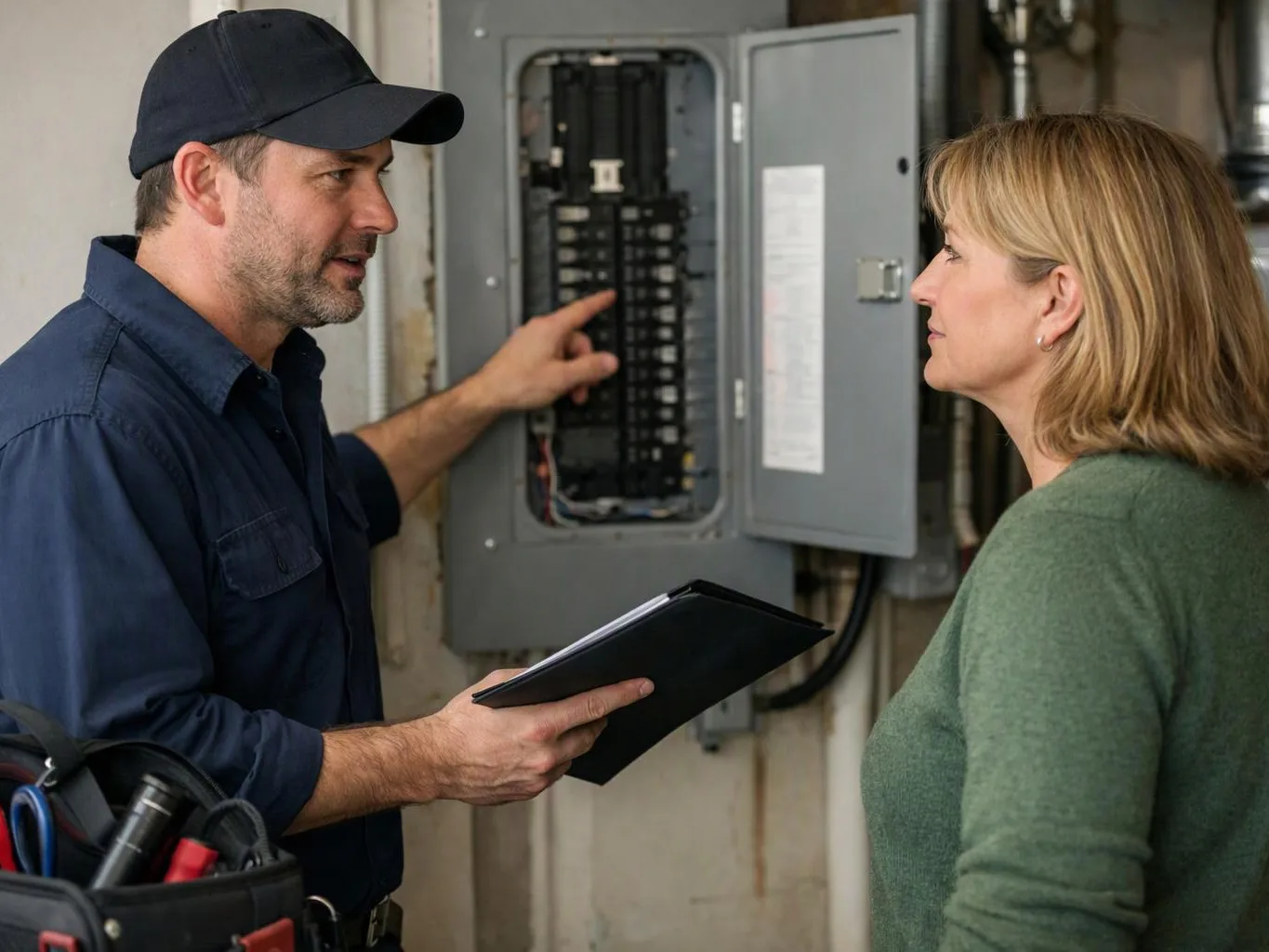
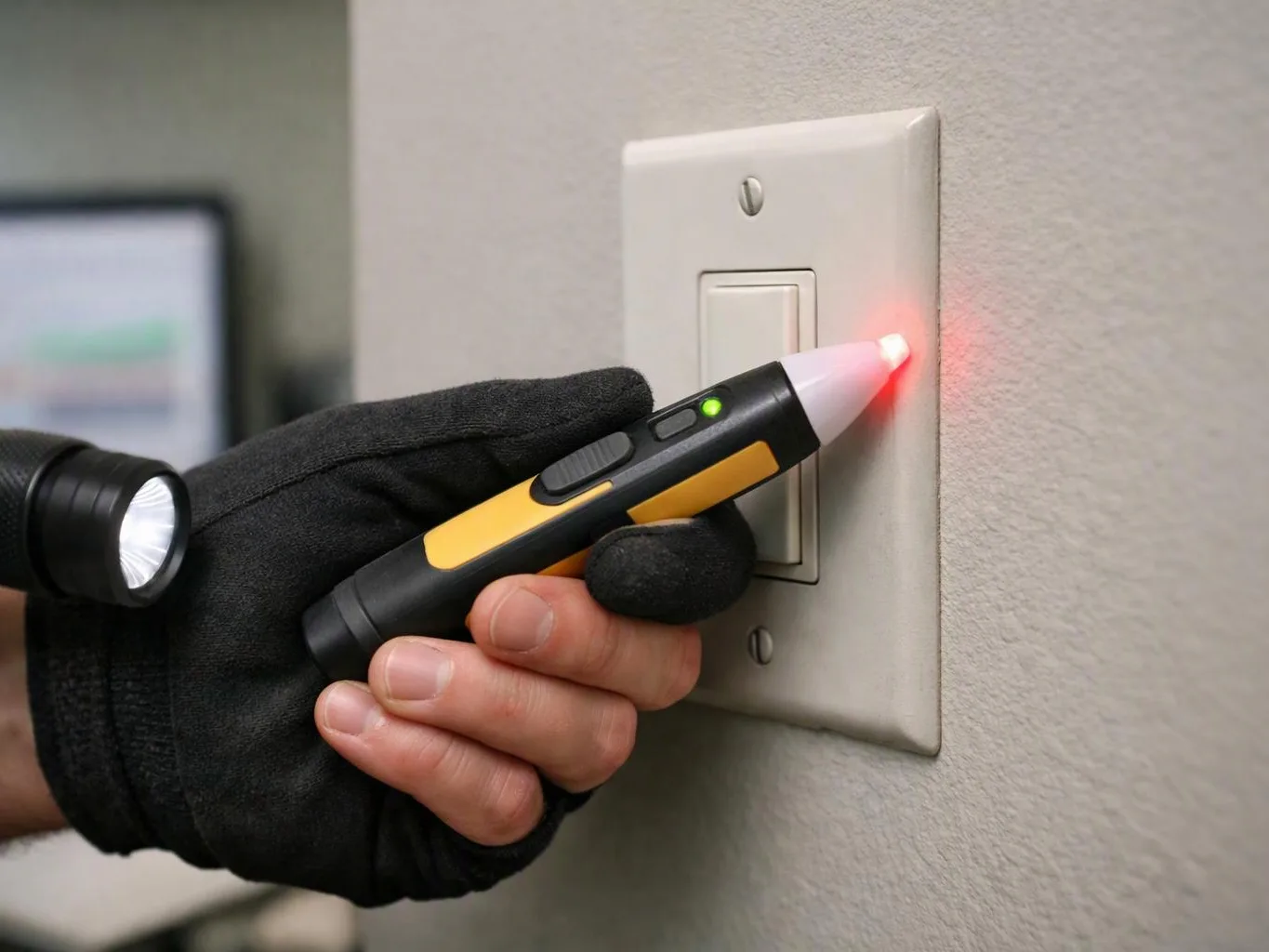
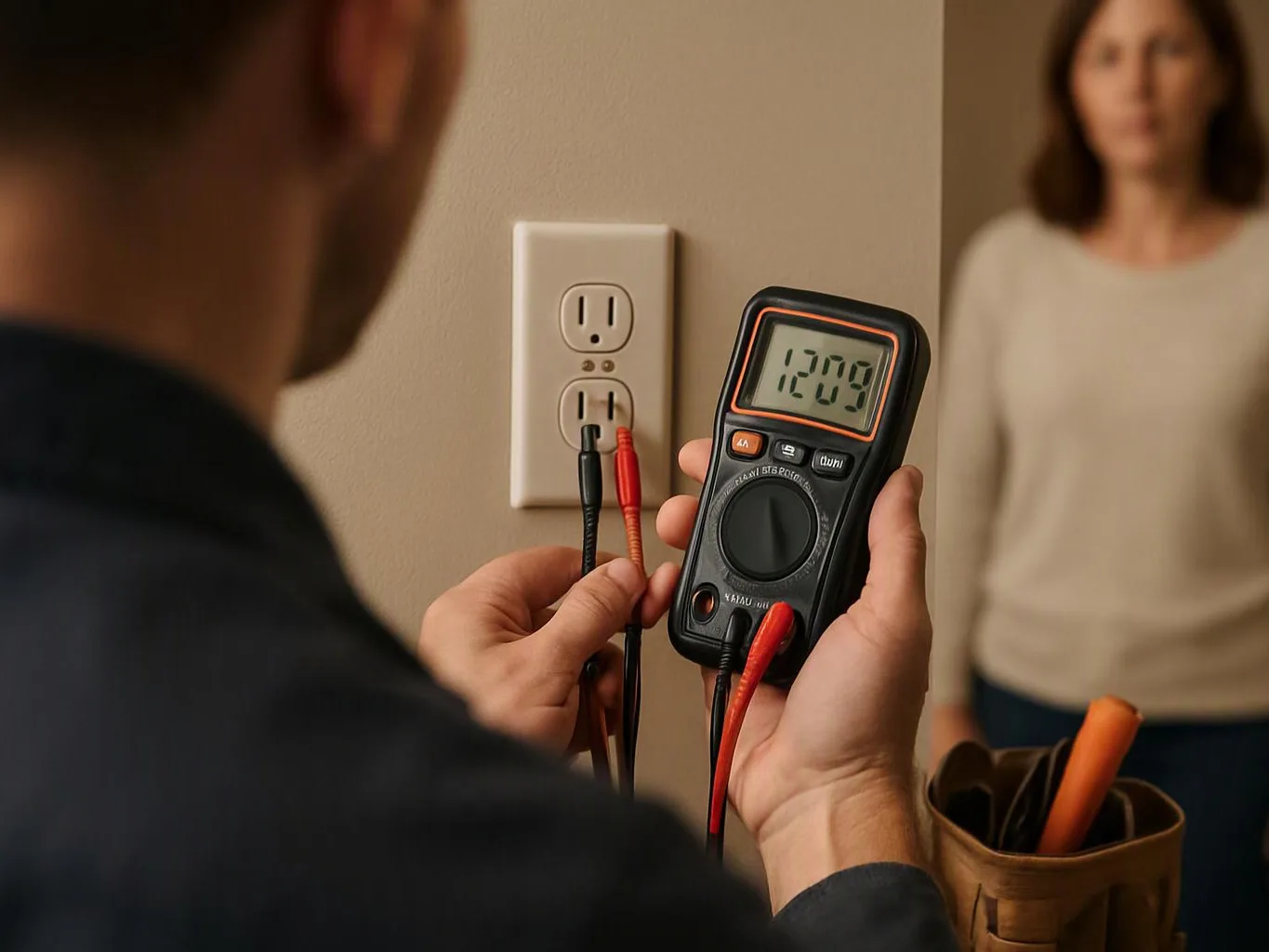
The visit starts with an alarm and wiring review and ends with testing. We inspect alarm locations, check power access, set the equipment scope, mount the detectors, connect compatible units, and test the warning sound. Property owners receive an explanation of the completed work and any separate electrical issue we find.
What tells me whether new smoke detectors fit my property?
The property's alarm coverage, wiring access, and detector condition decide whether new units fit the job. We review missing alarms, damaged units, weak power connections, and rooms where the warning sound may not carry well. A wider electrical fault needs electrical repair before detector installation can be completed safely.
Which part of the property decides the installation scope?
The existing alarm points and electrical access decide most of the installation scope. Ceiling access, available wiring, detector connections, and the need for linked warnings shape the work. We inspect those points before choosing hardwired detectors, battery support, or wireless sensors.
When should a smoke detector be replaced instead of tested?
A smoke detector should be replaced when it is damaged, missing, unreliable, or unable to complete its test. We check the unit, power source, mounting point, and alarm connection before recommending replacement. A detector with a wider wiring fault may need electrical repair as a separate part of the job.
How do interconnected alarms differ from separate detectors?
Interconnected alarms sound together, while separate detectors warn only from their own locations. We check equipment compatibility and the property's wiring or wireless setup before linking units. The right choice depends on the layout, access, and whether occupants need a warning from more than one area.
Why might a business need more than one alarm connection?
A business may need linked alarm points when occupants work across rooms that cannot share one warning sound. We inspect the property layout, existing detectors, and power access before selecting the connection method. Smoke detector installation does not replace a broader fire system review when the property needs other safety equipment.