Skip to content

Smoke Detector Installation in Cumberland, Indiana

Wireless sensors need the right safety setup in Cumberland, and battery power alone may not fit every property. We install and check smoke alarms for homes and businesses.

Licensed & InsuredFree EstimatesSame-Day ServiceServing 41 Communities

Quick Summary: Smoke Alarm Setup in Cumberland, Indiana

Smoke Detector Installation in Cumberland is provided by GMB Electric for homes and businesses. The service covers alarm placement, power connections, testing, and coverage across Cumberland and nearby Indianapolis communities, with residential and commercial electrical service available.

  • What we do: GMB Electric provides Smoke Detector Installation for homes and businesses in Cumberland, Indiana.
  • What is included: alarm inspection, wireless sensor setup, hardwired detector installation, battery backup checks, interconnection testing, and electrical safety review.
  • What you get: Smoke detectors are installed, tested, and ready to warn occupants when smoke is detected.

Should smoke detectors use wireless sensors or hardwired power in Cumberland?

Wireless sensors suit some properties, while hardwired detectors with battery backup suit others. The best choice depends on existing wiring, alarm interconnection, access, and the property’s electrical layout. GMB Electric checks those conditions before recommending and installing the alarm setup.
Smoke Detector Installation in Cumberland for Safer Alarm Coverage

Smoke Detector Installation gives property owners a tested alarm system that fits the building’s power and alarm layout. We handle wireless sensors, hardwired detectors, battery backup, and interconnected alarms when those options fit the property.

Customers deciding between wireless and hardwired alarms should first consider existing wiring and the need for linked alerts. A hardwired system may suit a property with accessible electrical circuits, while wireless sensors can help where new cable access is limited. We inspect the setup and explain the practical choice before work begins.

The job is for homeowners, landlords, property managers, and business owners who need new alarms or replacement units. It does not replace panel repair, circuit tracing, or a full electrical inspection when those problems are separate.

  • Check whether existing smoke alarms work and communicate with each other.
  • Identify wireless sensors, hardwired detectors, and battery backup needs.
  • Review access to power, ceiling spaces, and alarm wiring.
  • Test each installed alarm and confirm the warning sound.
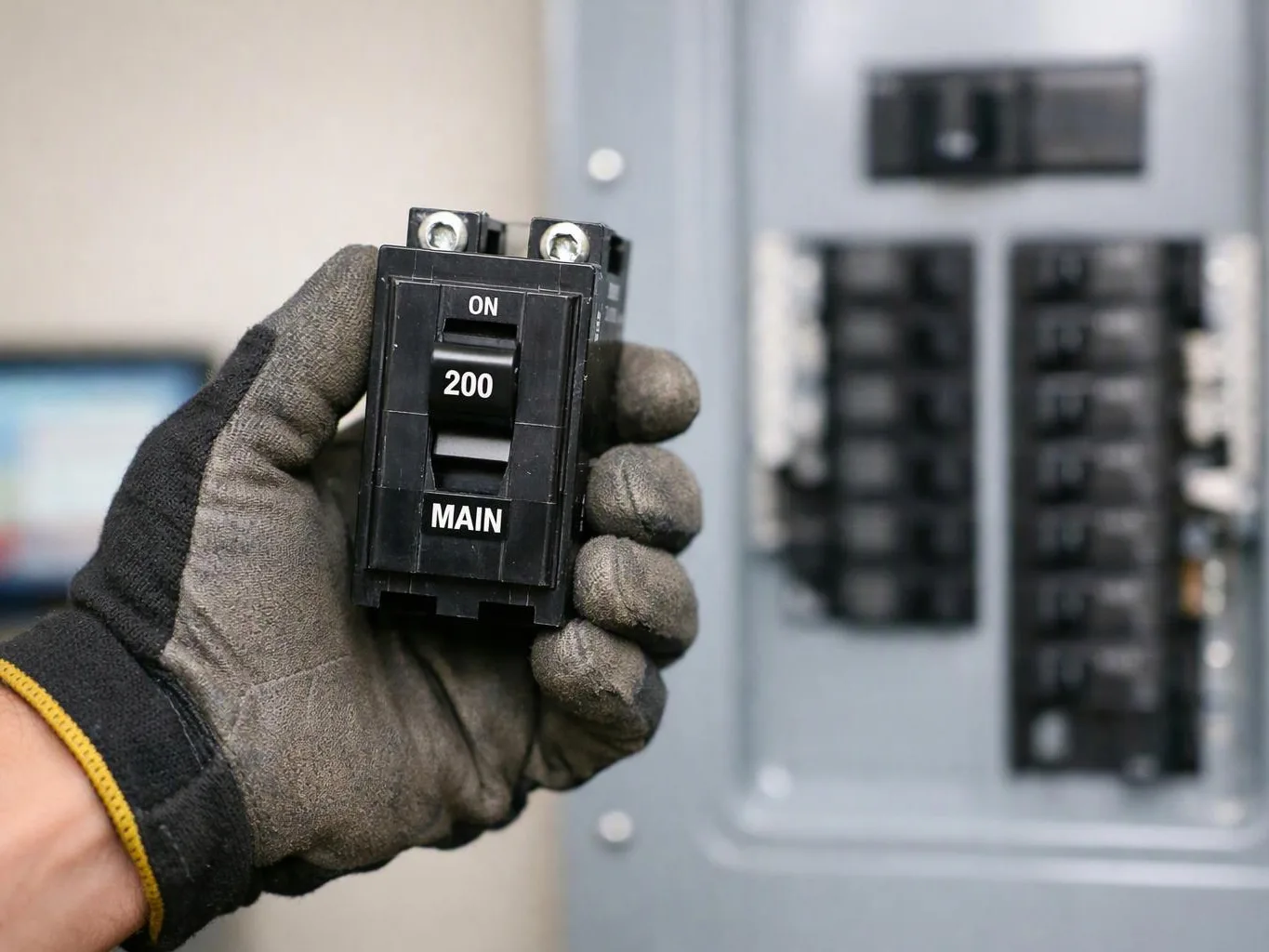
Gloved hand holds a black electrical circuit breaker labeled ON, 200, and MAIN in front of a panel

Service Overview

Smoke Detector Installation is a safety service that adds, replaces, connects, and tests smoke alarms in a property.

  • Smoke alarm work focuses on detection and warning, while general electrical repair addresses wiring, circuits, panels, outlets, and other power equipment.
  • GMB Electric provides this service for homes and businesses in Cumberland and nearby Indianapolis communities.

What This Smoke Alarm Installation Includes

GMB Electric provides comprehensive Smoke Detector Installation in Cumberland. Here's what you get:

  • We inspect the existing alarm setup and note failed, missing, or outdated units.
  • We install wireless sensors or hardwired detectors based on the property’s electrical layout.
  • We add or check battery backup where the selected alarm requires it.
  • We connect compatible alarms so one detected event can warn other linked units.
  • We test each alarm after installation and confirm that the warning sound works.
  • We explain basic testing and battery checks before the job is complete.

What New Smoke Alarms Change for Your Property

A tested alarm gives occupants an audible warning when smoke reaches the detector.

Battery backup helps an alarm stay active when normal power is interrupted.

Interconnected alarms can spread a warning across linked parts of the property.

A planned setup helps property owners choose between wireless and hardwired power with fewer surprises.

A client scenario this service addresses

A typical situation involves a home or small business that has mixed alarm types after room changes or electrical updates. We identify which units are wireless, which units use hardwired power, and whether the alarms communicate. We then set the work scope around the existing access and test the completed system.

How We Approach Smoke Alarm Choices

Power source fits the building

Wireless sensors can suit areas where cable access is limited. Hardwired detectors may fit properties with usable alarm wiring and a suitable power path. We inspect the existing setup before choosing the connection method.

Linked alarms need testing

Interconnected alarms must communicate after installation, not just produce sound on their own. We test the alarm link and confirm the result at each unit.

The service has a clear limit

Smoke alarm installation is the wrong job when the main issue is a burning smell, a buzzing panel, or a breaker that keeps tripping. We address the electrical fault first when those signs point to a broader hazard.

Electrical credentials support the work

GMB Electric provides this service through licensed and insured electricians. We keep the work focused on safe alarm installation, testing, and the electrical conditions that affect it.

Process

How We Install and Test Smoke Alarms

1

Inspect the existing alarm setup

We identify current detectors, power sources, battery backup, wiring access, and alarm connections before setting the work scope.

2

Choose the power and alarm link

We compare wireless sensors with hardwired detectors based on the property’s layout and the available electrical path.

3

Install the selected detectors

We connect or mount the chosen alarms, then check each power source and any linked alarm connection.

4

Test every alarm

We activate each detector and test interconnected alarms so the warning sound reaches the intended areas.

5

Explain the completed setup

We show the customer how to test the alarms and check batteries, then answer questions about the installed system.

Wireless and Hardwired Smoke Alarm Choices

These options differ in power source, wiring needs, and the checks required after installation.

Alarm optionPower and connectionBest fit to assess
Wireless sensorsBattery-powered communication without a new cable run to each unitProperties where cable access is limited and signal and battery checks are suitable
Hardwired detectorsConnection to the electrical system with battery backupProperties with usable alarm wiring and access to the power path
Interconnected alarmsLinked units share a warning across the alarm systemProperties where customers want communication tested between multiple detectors

The GMB Electric Standard

  • Careful Assessment
  • Clear Explanations
  • Safe Practices
  • Orderly Work Areas

Questions About Smoke Alarm Installation

Should wireless sensors or hardwired detectors be used for smoke alarms?

Wireless sensors suit some properties, while hardwired detectors fit others with accessible alarm wiring. GMB Electric checks the power path, battery backup, alarm links, and building layout before choosing the setup. Both options need testing after installation, and interconnected alarms need a separate communication check.

What does the crew look at first during smoke alarm installation?

The existing alarm layout is the first item we inspect. We check each detector, its power source, battery backup, wiring access, and connection to other alarms. Customers can help by identifying units that chirp, fail to test, or do not sound with the rest of the system.

What happens at each stage of smoke alarm installation?

Smoke alarm installation starts with an inspection and ends with testing.

  1. We review alarm locations, power, wiring, and access.
  2. We select wireless or hardwired equipment.
  3. We install and connect the detectors.
  4. We test each alarm and the linked warning.

The customer receives an explanation of the finished setup.

What should be checked before smoke alarms are scheduled?

The property’s alarm type, wiring access, battery needs, and interconnection should be checked first. We also need to know whether the work involves replacement, new alarms, or an electrical fault. Those details help GMB Electric prepare the right assessment and explain the estimate.

Which part of the job changes the estimate most?

The power method and wiring access often change the estimate most. Wireless sensors may need different checks from hardwired detectors, while linked alarms add testing across the property. The number of units, access points, battery backup, and related electrical repairs also shape the final scope.

When should a property owner request replacement alarms?

Replacement is appropriate when an alarm fails its test, has damaged parts, or no longer fits the property’s alarm plan. We inspect the unit and its connection before replacing it. A burning smell, buzzing panel, or repeated breaker trip needs electrical attention as well.

Why do interconnected alarms need a separate test?

Interconnected alarms need a separate test because one detector must signal the other linked units. We activate the alarm, listen for the warning across the system, and check connections that do not respond. This confirms communication instead of proving only that one alarm can sound.
Contact

Get a Free Estimate for Smoke Alarm Installation in Cumberland

Request an estimate for smoke alarm installation, and urgent requests get priority scheduling.

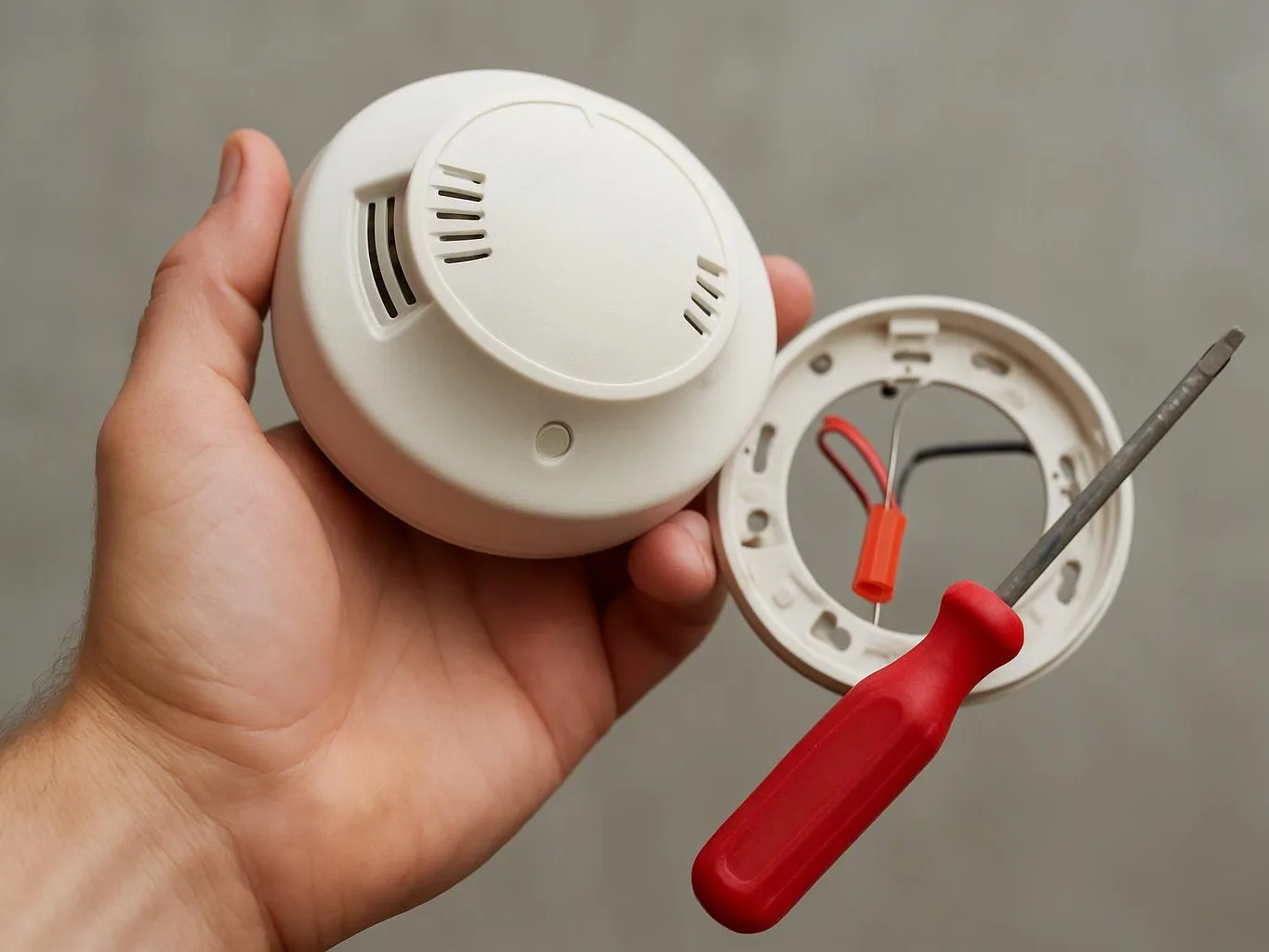
A hand holds a white smoke detector beside its mounting plate and a red screwdriver on a plain gray background

Smoke Detector Installation in Other Areas

(317) 608-1220