How can accent lighting improve my outdoor spaces?
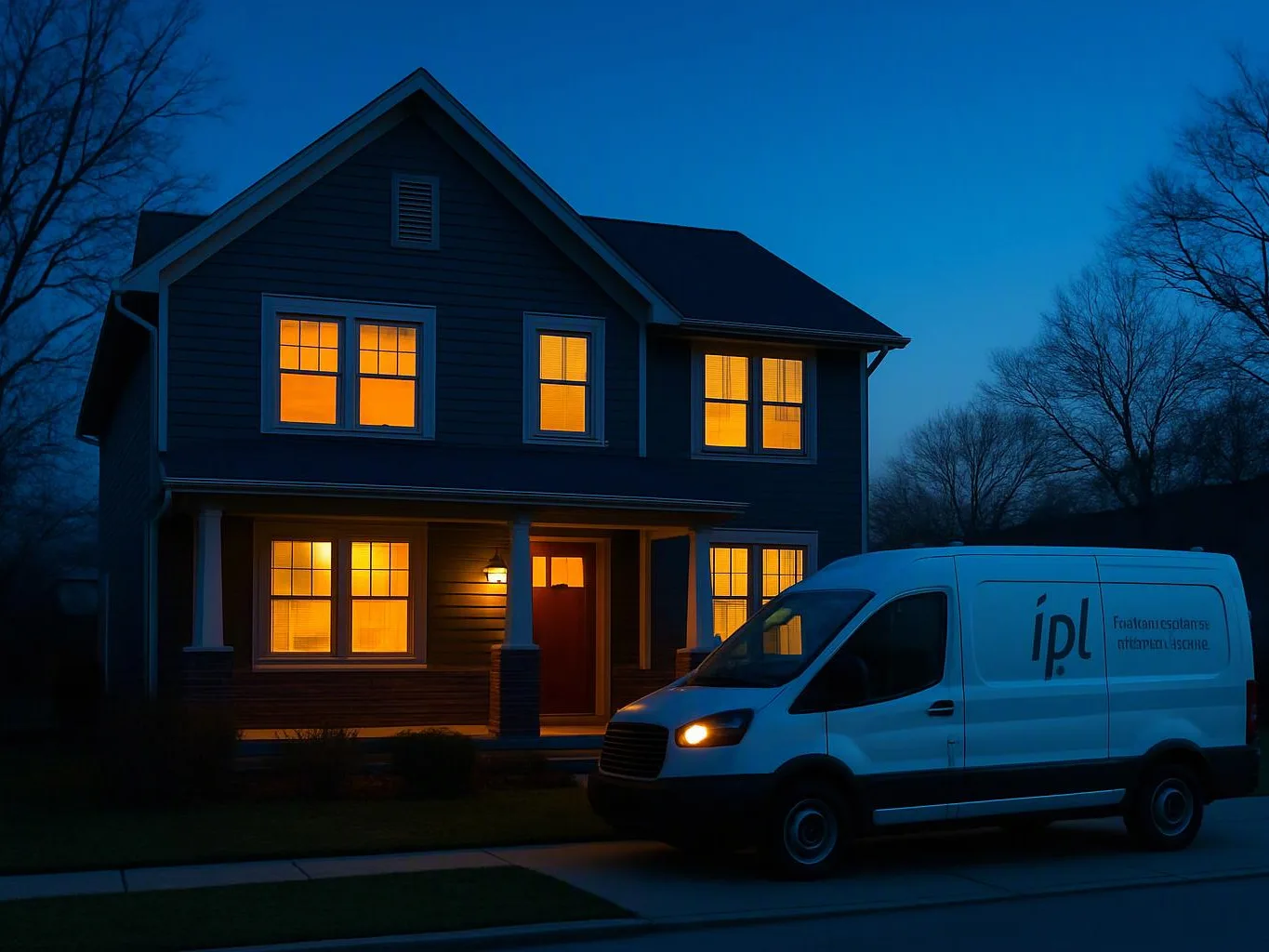
Accent lighting improves outdoor spaces by focusing light on selected trees, entries, and landscape features. The right placement adds visibility without lighting every area equally. We review the viewing angle, fixture position, and cable route before recommending the work. GMB Electric then provides a scope that matches the areas you want to use or highlight.
Which material changes the time needed for outdoor lighting work?
Cable access changes the work time more than the fixture style. Soil, mulch, stone, concrete, and existing landscaping affect how we route low voltage cable. We inspect the planned path before preparing the scope. That review shows whether the installation needs open access, careful hand work, or changes to the planned route.
How does a lighting visit move from the first call to the last step?
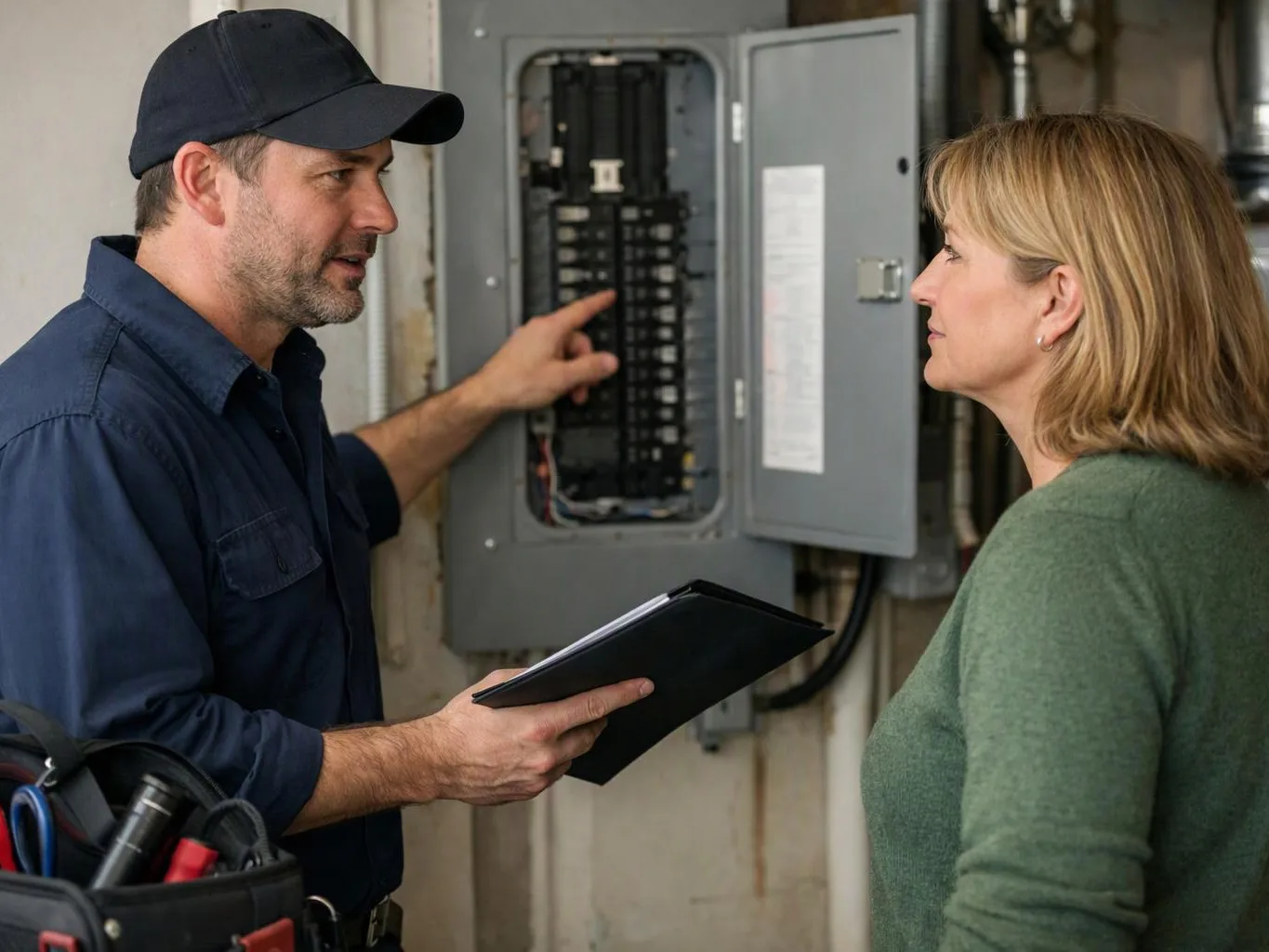
The visit moves from an outdoor review to fixture planning, wiring, connections, and testing. We first mark the paths, trees, and features you want lit. Next, we review access and existing wiring, then define the estimate. After installation, we test the lights and explain the completed work.
What should I check before requesting a lighting estimate?
The selected outdoor areas and existing power access are the most useful details to check first. Note which paths, trees, entries, or features need light, and identify any existing fixtures. Photos can help us understand access before the estimate. We still inspect the planned route and connections as part of the project review.
When does landscape lighting fit a commercial property?
Landscape lighting fits a commercial property when selected paths, entries, or outdoor features need useful light after dark. The property owner should first identify the areas customers, staff, or visitors use. We then review access, cable routes, and fixture placement. Indoor circuit faults or service panel problems need a different electrical service.
Why do some outdoor lights leave certain areas unlit?
Uneven coverage usually comes from fixture direction, blocked beams, poor spacing, or a damaged connection. We inspect the light positions, cable route, and low voltage connections to find the cause. The correction may involve moving fixtures, changing the route, or planning new lighting for areas outside the existing scope.