When should an old fuse box be replaced?
Fuse overheating is a strong reason to schedule an inspection and consider replacement. GMB Electric checks heat marks, fuse holders, circuit load, and wiring condition before deciding. Repeated blown fuses, damaged parts, or outdated equipment can support replacement, while an isolated circuit fault may need a smaller repair.
What does the crew look at first during this work?
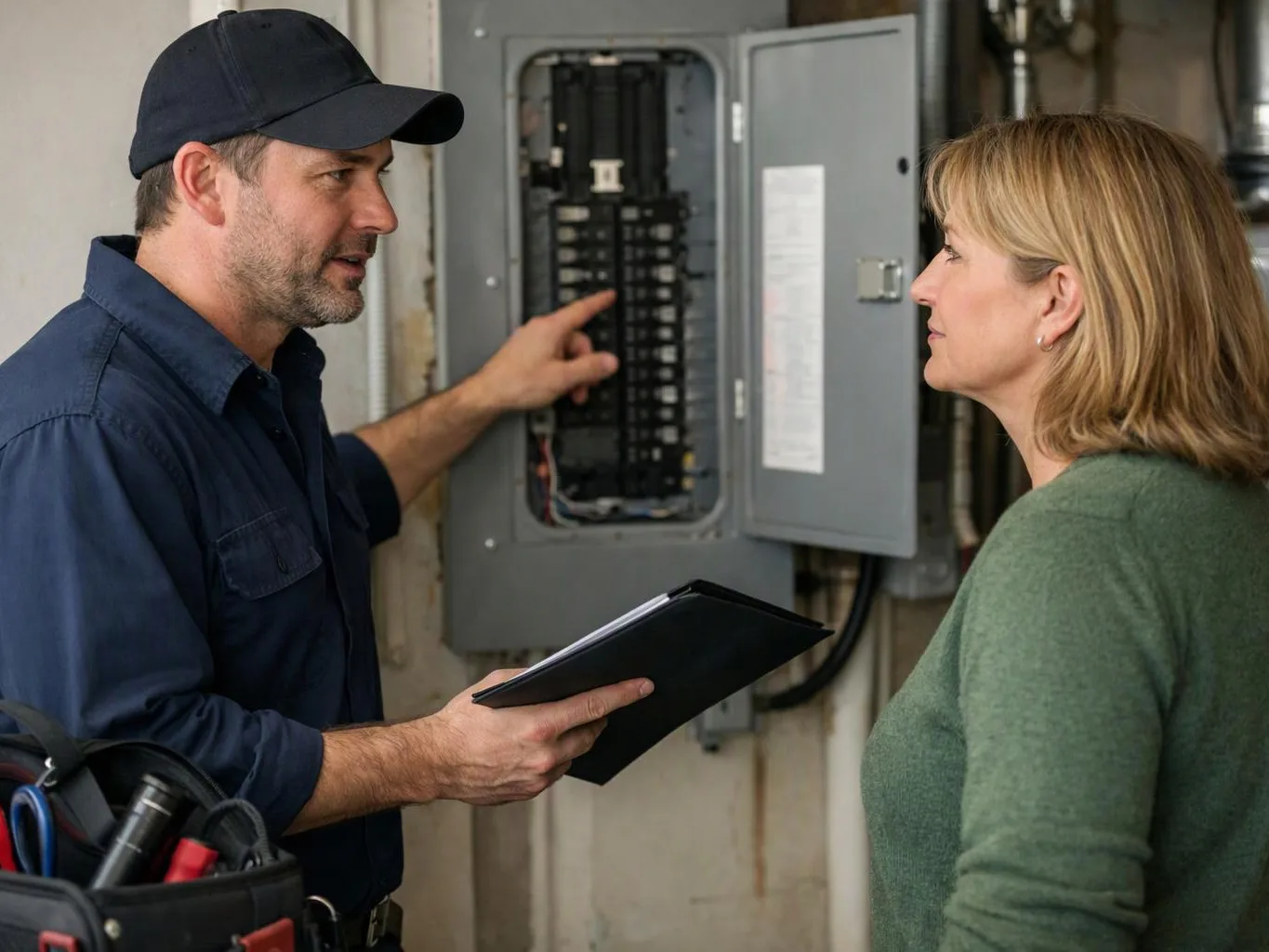
The fuse box condition comes first, including heat marks, loose connections, damaged holders, and exposed wiring. We then trace affected circuits and check whether the service can support the property's needs. These findings shape the replacement scope and identify related repairs before installation begins.
What should be checked before replacement is scheduled?
The existing box, connected wiring, service connection, and affected circuits should be checked first. We inspect those parts and identify access needs, damaged conductors, and equipment concerns. Photos of the box can help describe the issue, but they don't replace an on-site electrical assessment.
Who is a good fit for fuse box replacement, and who needs a different service?
Property owners with damaged fuse equipment, repeated blown fuses, or outdated boxes are good candidates for an assessment. We handle the replacement when the box is the main concern. A property with one faulty outlet, switch, or circuit may need a focused repair instead.
How does circuit tracing help with an old fuse box?
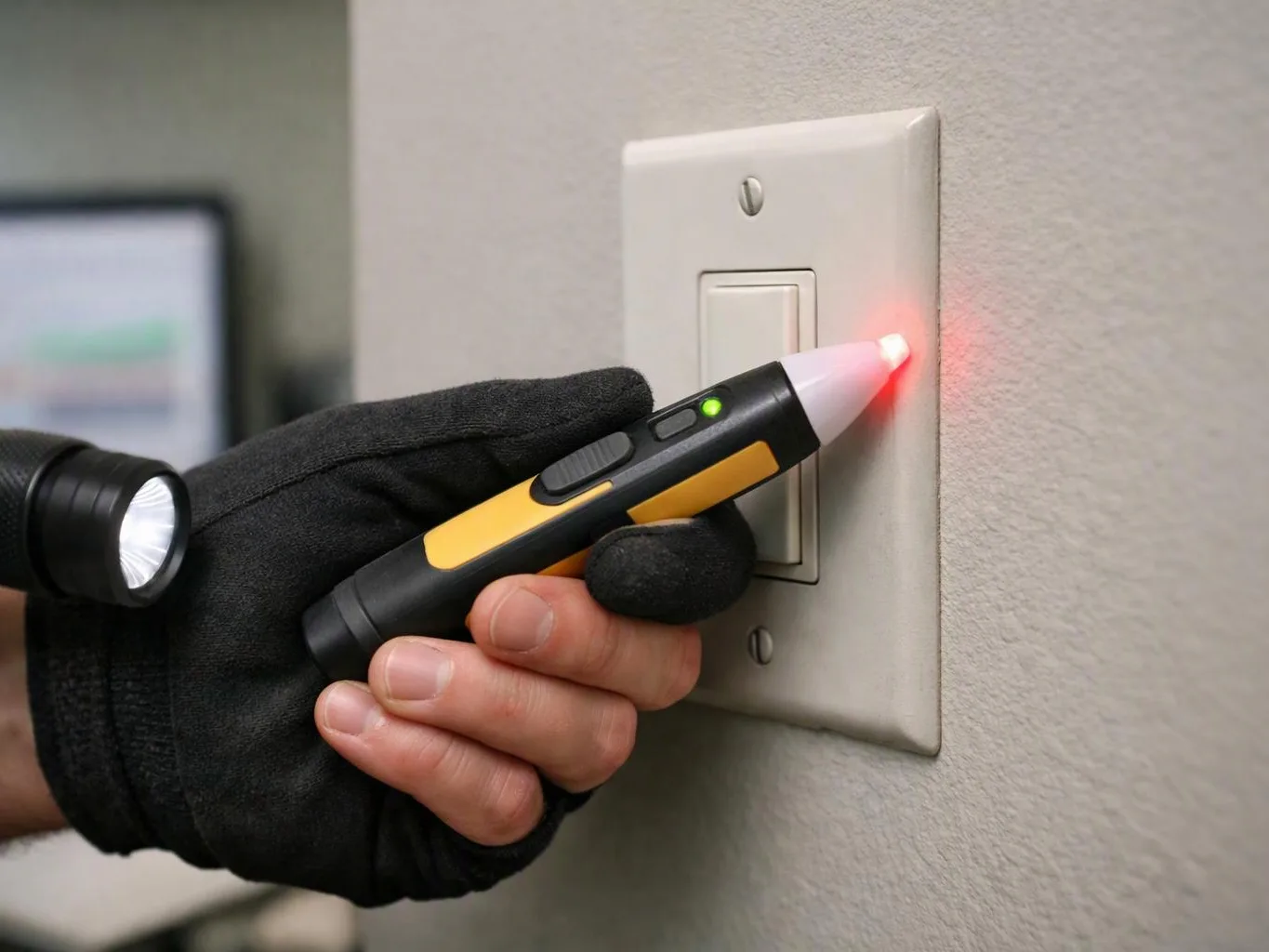
Circuit tracing links each fuse position to the outlets, lights, and equipment it protects. We use that information to spot overloaded circuits, incorrect connections, and labels that no longer match. The tracing also helps define which wiring needs repair during the replacement.
Which warning signs need urgent electrical attention?
A burning smell, smoke, sparking, or a buzzing fuse box needs urgent electrical attention. Turn off power only if you can do so safely, keep people away from the box, and request emergency help. Our electricians are available 24 hours for emergencies.
Why shouldn't I install a larger fuse after repeated blowouts?
A larger fuse can allow more current than the wiring can safely carry. We inspect the circuit and identify the cause of the repeated blowouts. The correct fix may involve circuit repair, load changes, or replacement equipment, depending on what the inspection finds.