What problems indicate a fuse box is failing?
Scorch marks, loose fuses, flickering lights, and a burning smell indicate possible fuse box failure. GMB Electric checks the fuse holders, wiring, terminals, and connected circuits. A single damaged fuse may need repair, but heat damage across the box can require replacement. Stop handling the box if you see burn marks or exposed wiring.
Who is a good fit for fuse box replacement, and who needs a different service?
Fuse box replacement fits properties with damaged boxes, unsafe fuse holders, or heat damage affecting multiple connections. A utility outage needs the utility company, while an isolated outlet fault may need outlet repair. We assess the equipment and circuit before choosing the service. That keeps the work matched to the actual electrical problem.
What should be checked before replacement is scheduled?
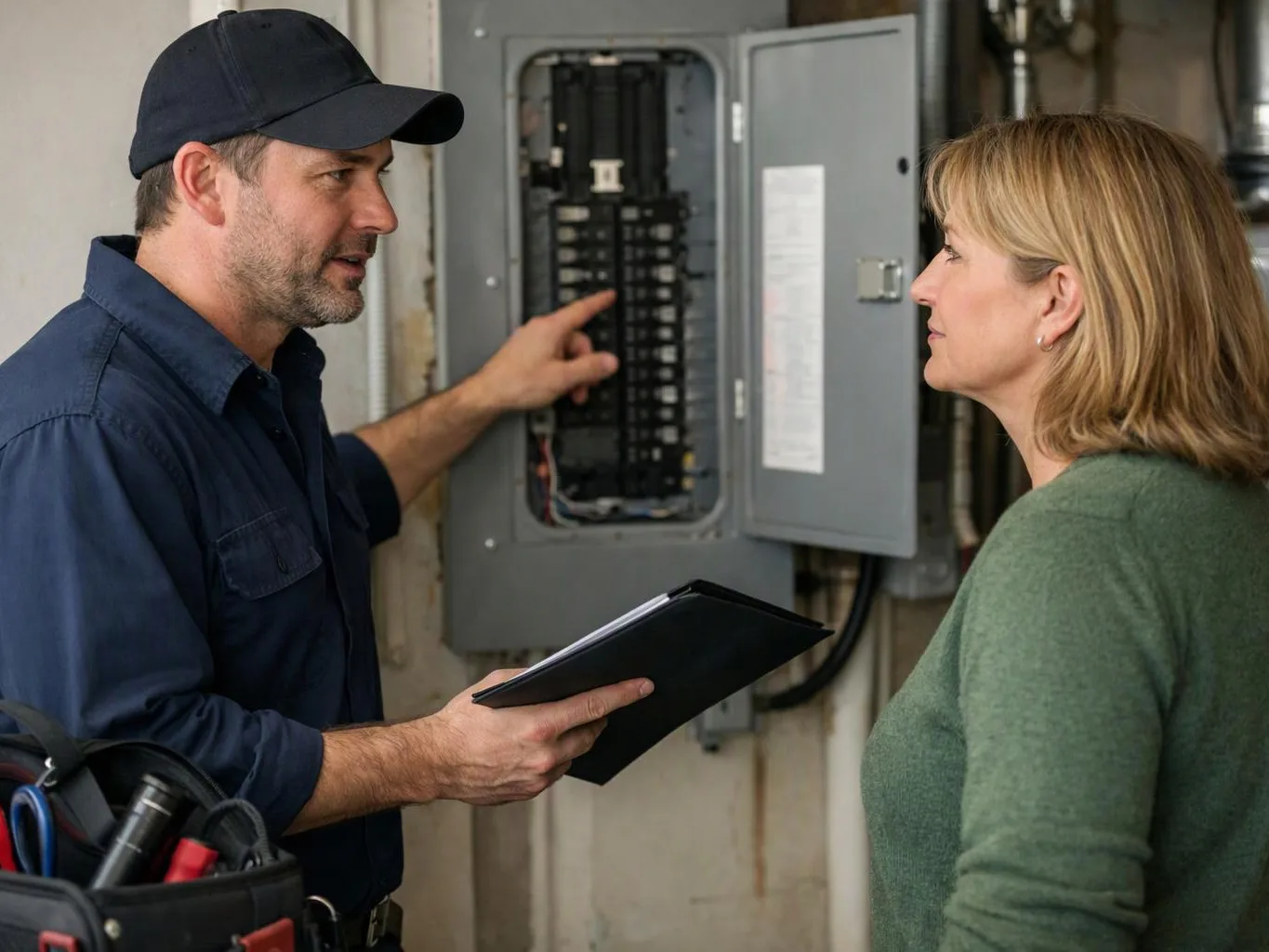
The fuse box condition, circuit wiring, grounding, and connected load should be checked first. We look for heat damage, loose connections, overloaded circuits, and signs that the fault extends beyond one fuse. Photos of the box can help explain the concern, but they do not replace an electrical inspection.
What happens at each stage of fuse box replacement?
The work starts with an inspection, moves to circuit tracing and scope planning, then ends with replacement and testing. We check the box and wiring first. Next, we explain the estimate and required work. After replacement, we test the affected circuits and explain any remaining electrical concerns.
Which part of the job changes the replacement price?
The replacement price changes with box damage, wiring repairs, grounding work, circuit access, and the equipment needed. We inspect those conditions before preparing a free estimate. A box with heat-damaged connections may require more work than a box with one isolated fault. The estimate reflects the property-specific scope.
When should I stop using a fuse box before an assessment?
Stop using the affected circuit when the fuse box smells burnt, shows scorch marks, buzzes, or repeatedly loses power. These signs can point to heat or connection damage. Do not touch exposed wiring or force a fuse into place. We can assess the box and explain the safe next step.
Why do lights flicker after a fuse is replaced?
Flickering lights after a fuse change can indicate a loose connection, damaged fuse holder, overloaded circuit, or wiring fault. Replacing the fuse does not correct those conditions. We trace the circuit and inspect the box before recommending repair or replacement. Repeated fuse failure deserves an electrical assessment.