When should faulty wiring be replaced after repeated failures?
Repeated failures call for replacement when the wiring has brittle insulation, severe overheating, melted sections, or undersized conductors. GMB Electric inspects the affected circuit and compares the wiring condition with the required load. A repair may fit localized damage, while widespread deterioration points to a broader replacement scope.
What does the crew look at first during wiring repair?
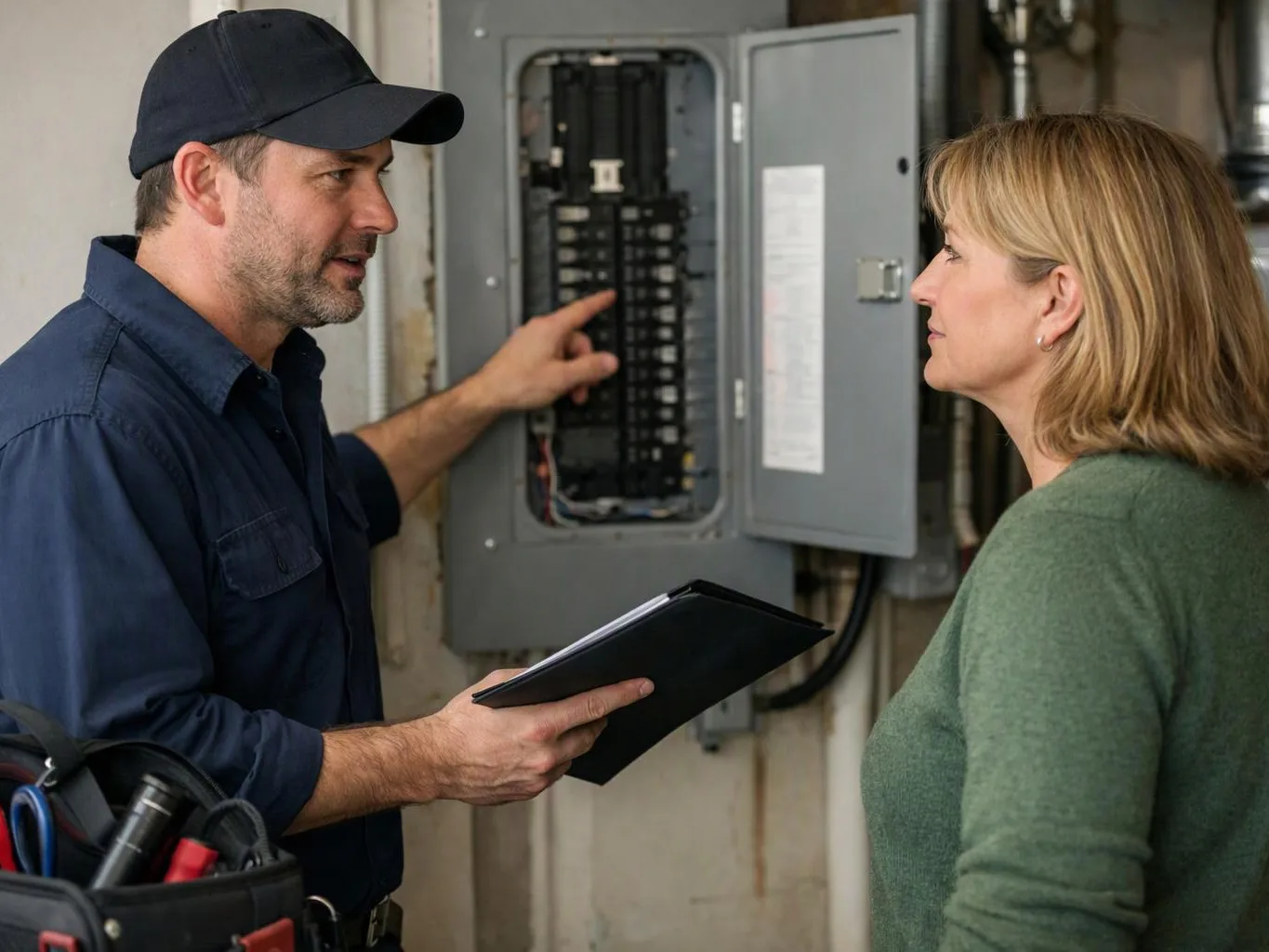
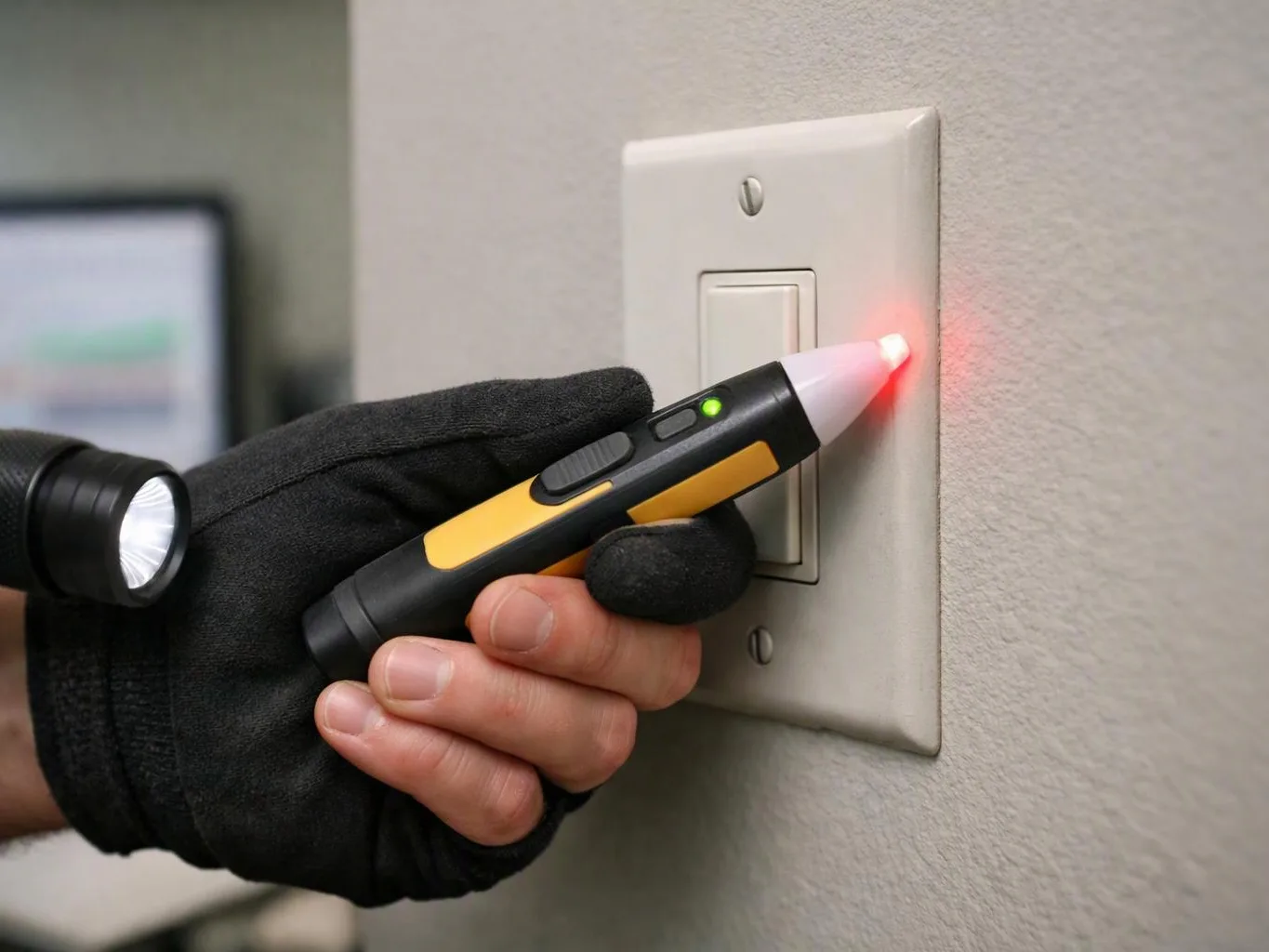
The first check covers the affected device, breaker, circuit path, and visible connection points. We look for heat marks, loose terminals, damaged insulation, and signs of a short. Customers can help by identifying when the fault occurs and which outlets, lights, or equipment lose power.
What should be checked before wiring repair is scheduled?
The affected circuit, warning signs, access points, and connected equipment should be checked before scheduling. Write down which breaker trips and whether the fault affects one device or several. Do not remove covers or handle damaged wiring, especially when you see sparks, heat, or a burning odor.
Who is a good fit for wiring repair, and who needs a different service?
Property owners with localized wire, outlet, switch, or connection faults are good fits for wiring repair. A panel upgrade may fit when the distribution equipment is the concern. Whole-home rewiring may fit when damage extends across many circuits or the existing wiring cannot support the property.
How does circuit load change the repair decision?
Circuit load changes the decision when connected equipment demands more capacity than the wiring can safely carry. We review the breaker, conductors, and connected devices before recommending work. A load calculation may point to a circuit change, subpanel work, or panel upgrade instead of a localized wiring repair.
Which warning signs make wiring repair urgent?
Burning smells, buzzing panels, sparking outlets, and hot switch plates make wiring faults urgent. These signs can point to overheating or a fire risk. Turn off the affected circuit if it is safe to do so, keep clear of damaged parts, and request emergency electrical assistance.
Why does a breaker keep tripping after wiring repair?
A breaker can keep tripping when the fault remains, the circuit is overloaded, or connected equipment has a problem. We trace the circuit and check the breaker, wiring, connections, and load. Repeated resets can hide the cause, so customers should stop resetting the breaker when heat, odor, or sparking appears.