How can I tell if my electrical wiring needs repair?
Flickering lights often signal a loose connection, failing outlet, overloaded circuit, or damaged wiring. GMB Electric checks the breaker, circuit path, switches, outlets, and accessible insulation to find the cause. A burning odor, warm outlet, buzzing panel, or repeated breaker trip raises the urgency. Stop using the affected circuit when you notice heat or burning.
What should I do before wiring repair starts?
The safest first step is to stop using the affected outlet, switch, or circuit. Note which fixtures lose power and what equipment was running when the symptom appeared. Do not open boxes or handle exposed wire. That information helps our team focus the circuit tracing and safety check.
Which part of the property decides the wiring repair scope?
The affected circuit decides the repair scope because its breaker, wiring path, boxes, outlets, and connected loads must be checked together. A single loose terminal may need focused work, while damaged insulation across a circuit can require wider rewiring. Access to the wiring also affects what we can inspect and repair.
When should a breaker trip lead to a wiring assessment?
A breaker that trips again after reset needs a wiring assessment, especially when the circuit has heat, odor, buzzing, or a damaged outlet. We check for shorts, loose connections, insulation damage, and excessive load. Leave the breaker off if the problem returns, and tell us what was connected to that circuit.
Why can an outlet feel warm during normal use?
A warm outlet can indicate a loose connection, worn receptacle, overloaded circuit, or heat inside the box. Stop using the outlet until the cause is checked. Our team inspects the receptacle, terminals, box, connected wiring, and breaker to determine whether the repair stays at the outlet or extends through the circuit.
How does a wiring repair visit move from the first call to the last step?
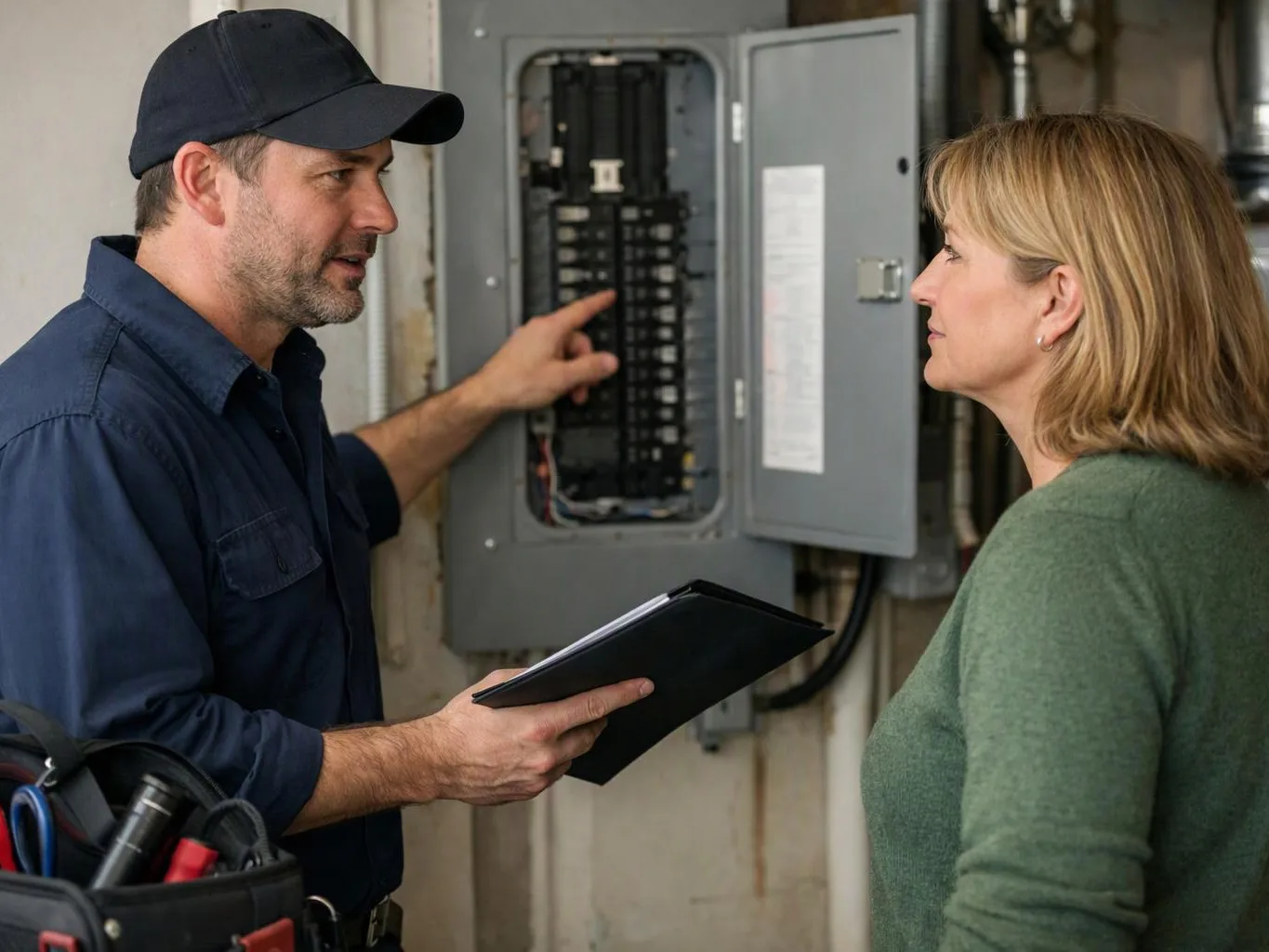
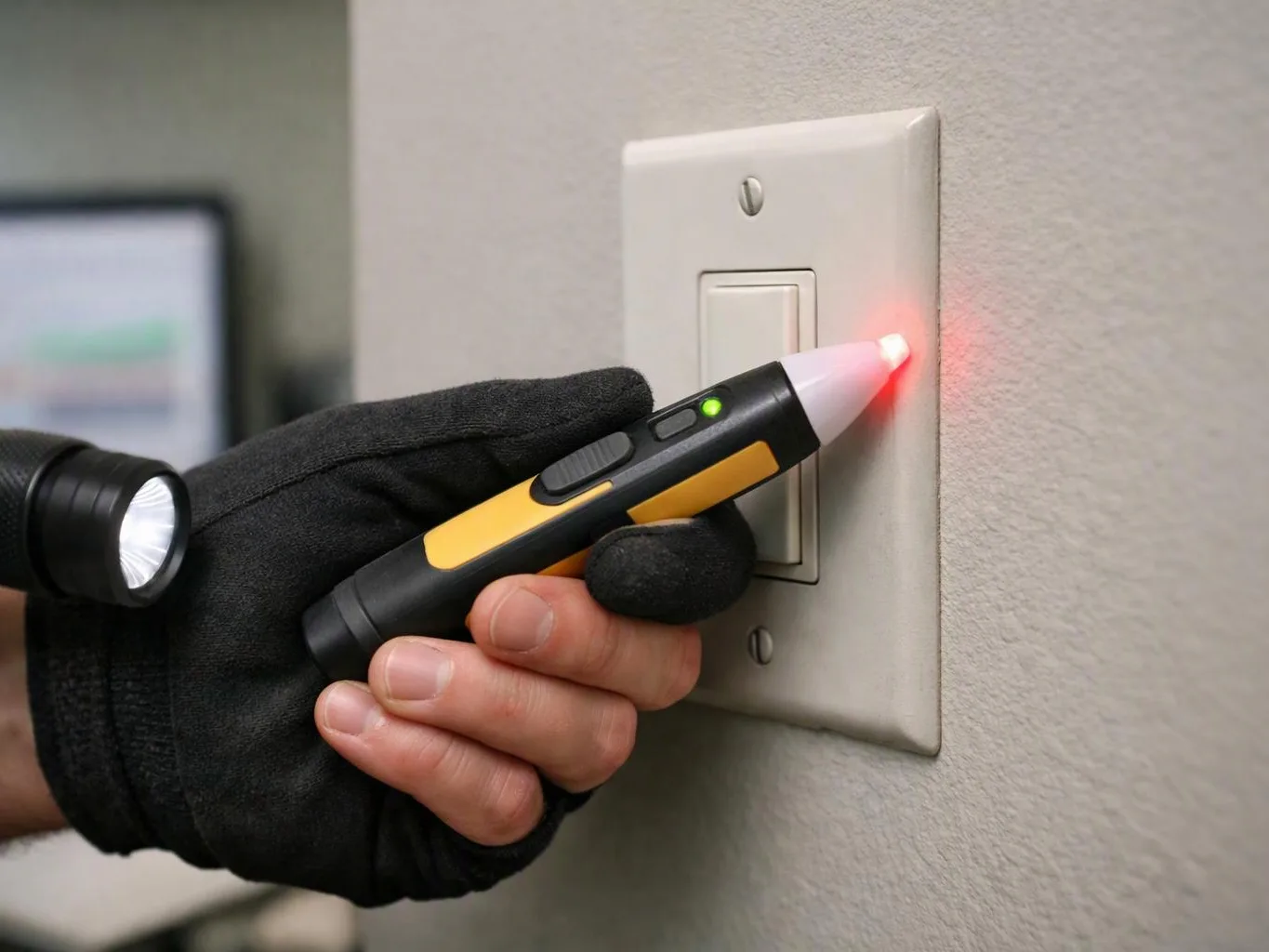
The visit moves from symptom review to circuit tracing, wiring checks, repair scope, and testing. We first identify the affected area and related warning signs. Next, we inspect the breaker, connections, outlets, switches, and insulation. After the repair, testing and verification check the affected circuit.
Can this service fit a commercial property?
Electrical wiring repair fits commercial properties when faulty wiring, outlets, switches, or circuits affect safe operation. We review the affected area, connected equipment, access, and circuit layout before defining the work. Larger electrical changes may call for panel work or another service, which we explain during the assessment.