What causes outlets and switches to stop working?
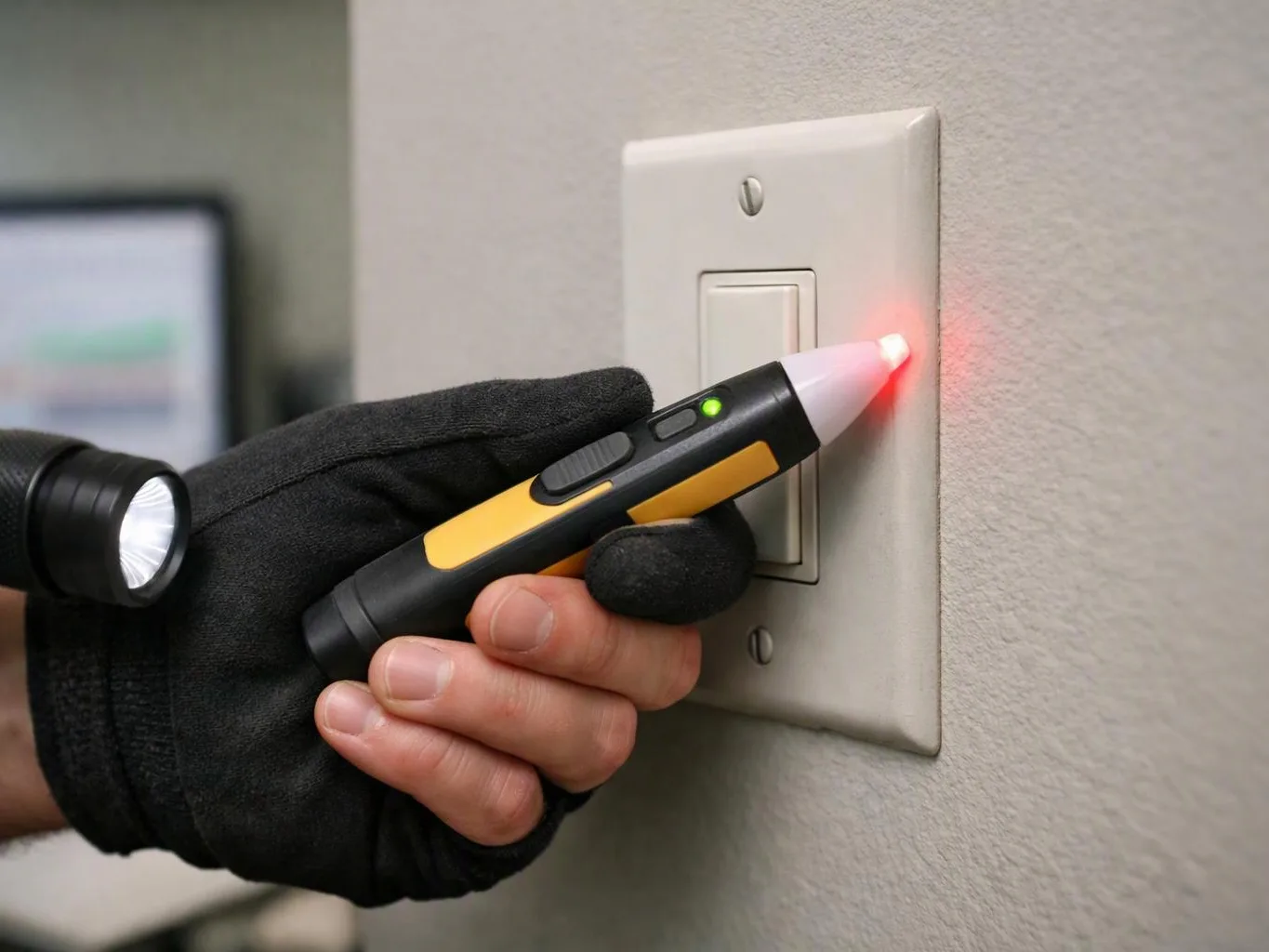
A broken switch can fail because of worn contacts, loose wiring, a faulty outlet, or a tripped breaker. We inspect the device and trace its circuit to find the cause. A burning smell, buzzing panel, or warm cover plate calls for caution. Turn off the affected circuit if it is safe, and request emergency service when the condition feels urgent.
How is fault diagnosis matched to my property?
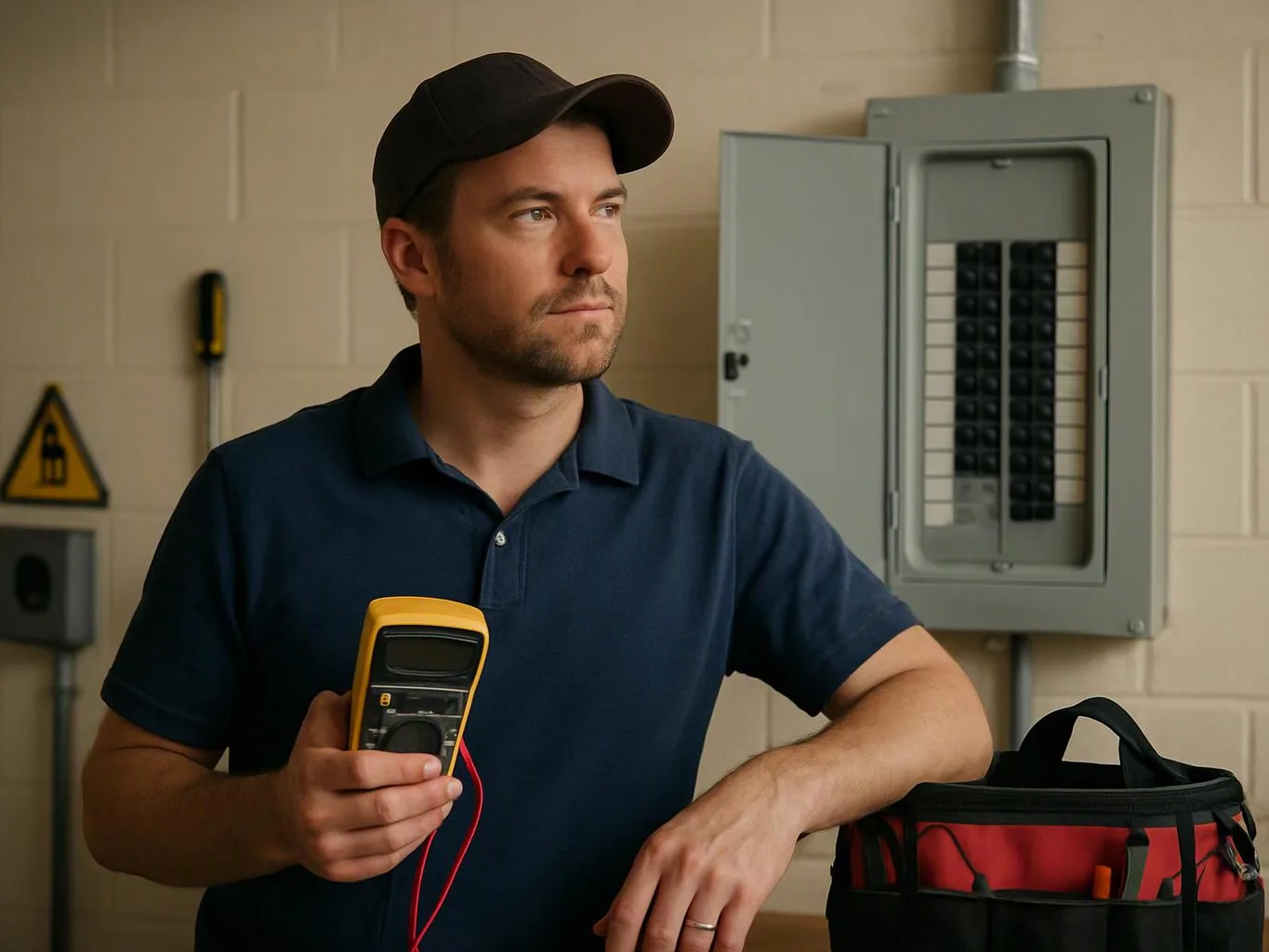
Property access, circuit layout, device type, and symptom pattern shape the diagnostic approach. We start with the affected switch or outlet, then check the related breaker and wiring path. Commercial spaces may need access coordination around business operations, while homes often require access to rooms, panels, and connected devices.
What should be ready before electrical testing starts?
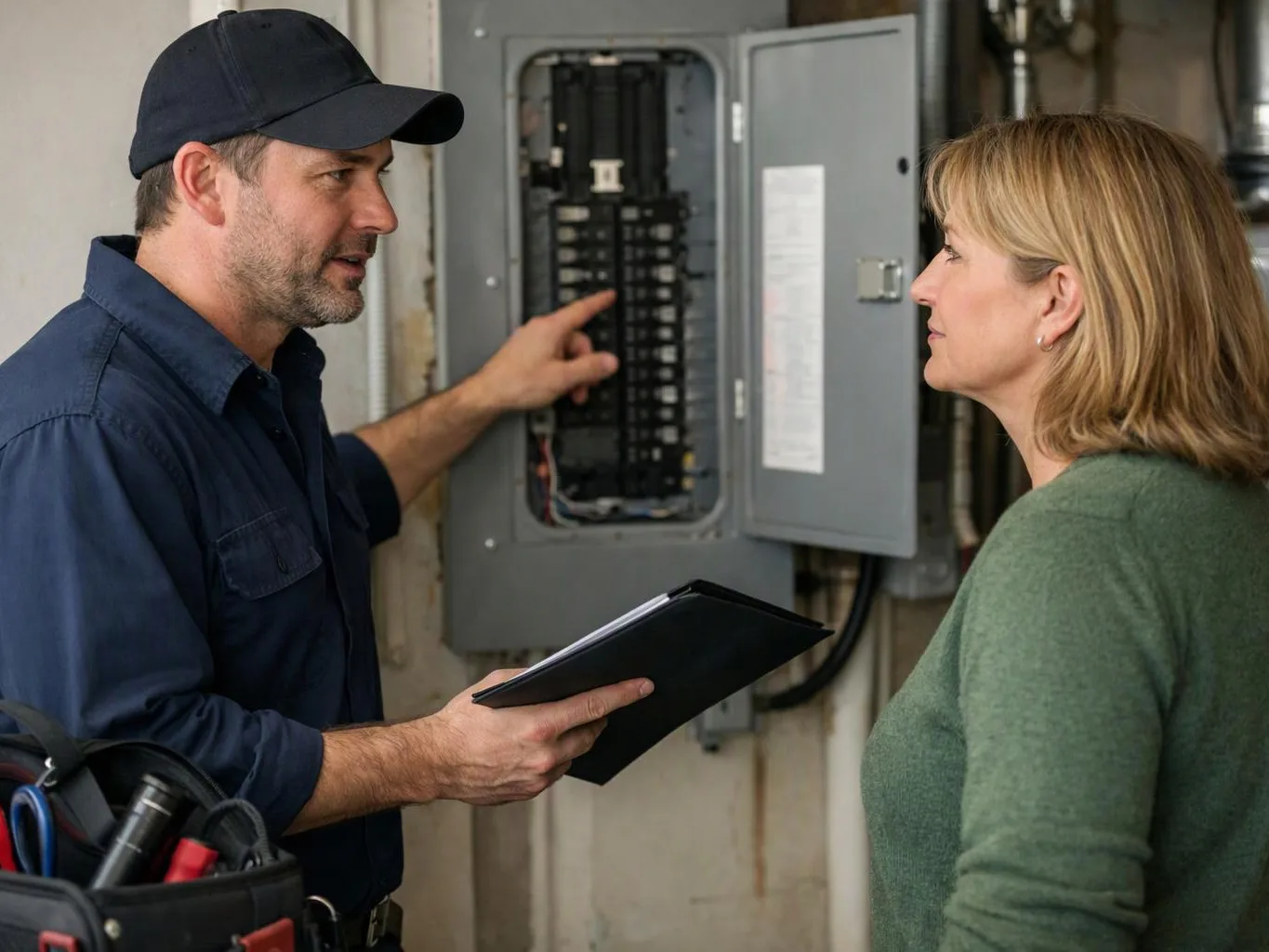
Access to the affected device and electrical panel should be ready before testing starts. Useful details include which outlets or lights failed, whether a breaker trips, and whether anyone noticed heat or a burning smell. Photos can help explain the symptom, but we still inspect the circuit at the property.
Which warning signs make an electrical fault urgent?
Burning smells, sparking outlets, buzzing panels, warm switch plates, and repeated breaker trips make an electrical fault urgent. Stop using the affected device and keep people away from damaged parts. We provide emergency electrical service for urgent concerns, but you should leave the property and call emergency services if there is an active fire.
What changes the repair scope after testing?
The failed part, wiring condition, access, and circuit reach determine the repair scope after testing. A loose connection may need targeted repair, while damaged wiring or a panel fault can call for broader electrical work. We explain the finding and provide a free estimate for the recommended scope.
Why does a breaker trip after an outlet repair?
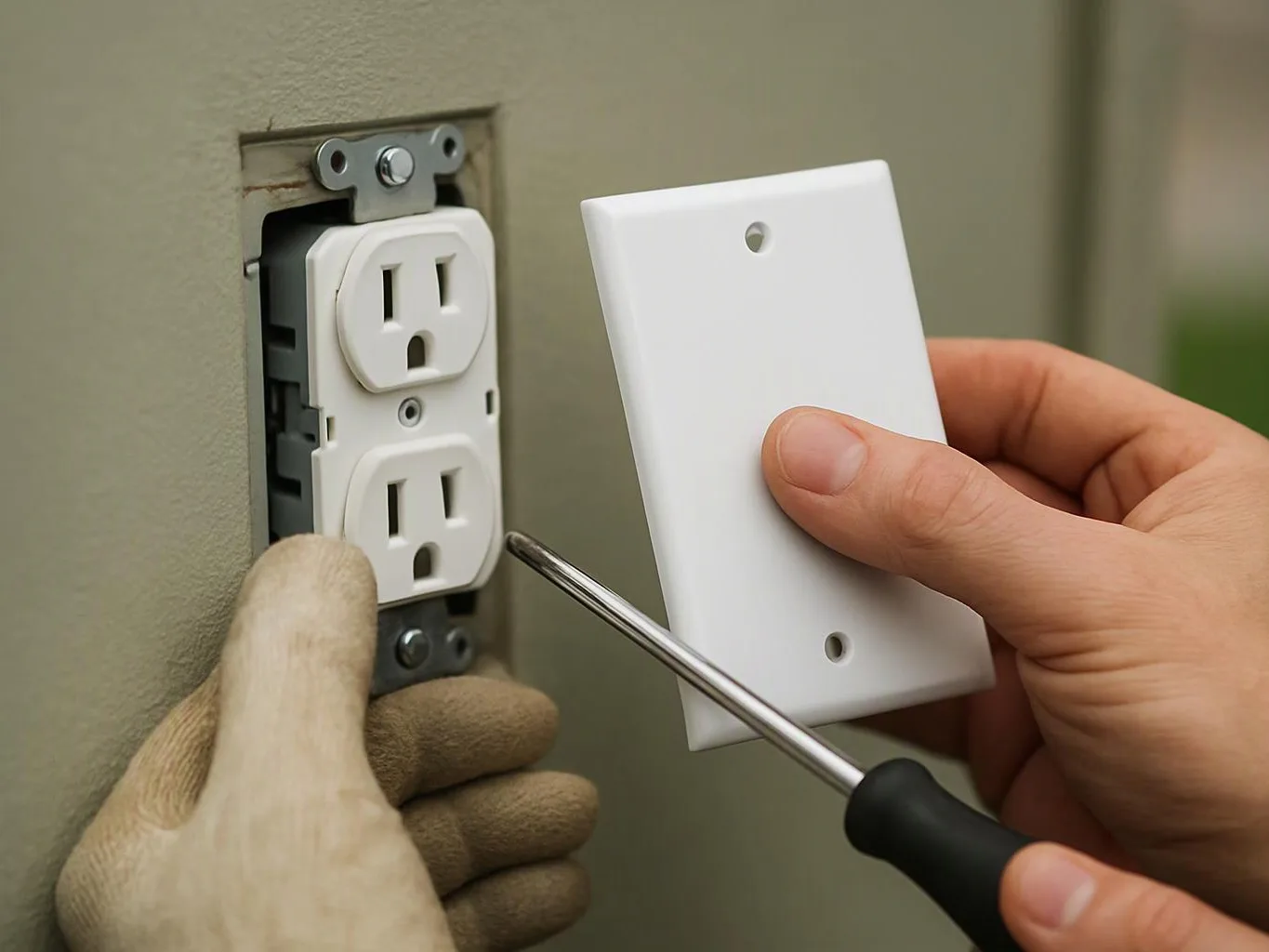
A breaker can trip after an outlet repair when the circuit still has a fault, the connection is loose, or the load remains unsafe. We stop repeated resets and test the outlet, wiring, and breaker together. The correct repair depends on where the fault remains, not just on the outlet face.
What should I ask before agreeing to electrical troubleshooting?
Ask which circuit was tested, what fault was found, and which repair the diagnosis supports. You should also ask whether the work covers the affected device only or includes wiring and breaker checks. Our team explains the recommended scope, the parts involved, and the estimate before planned repair work begins.