What happens after safety issues are found?
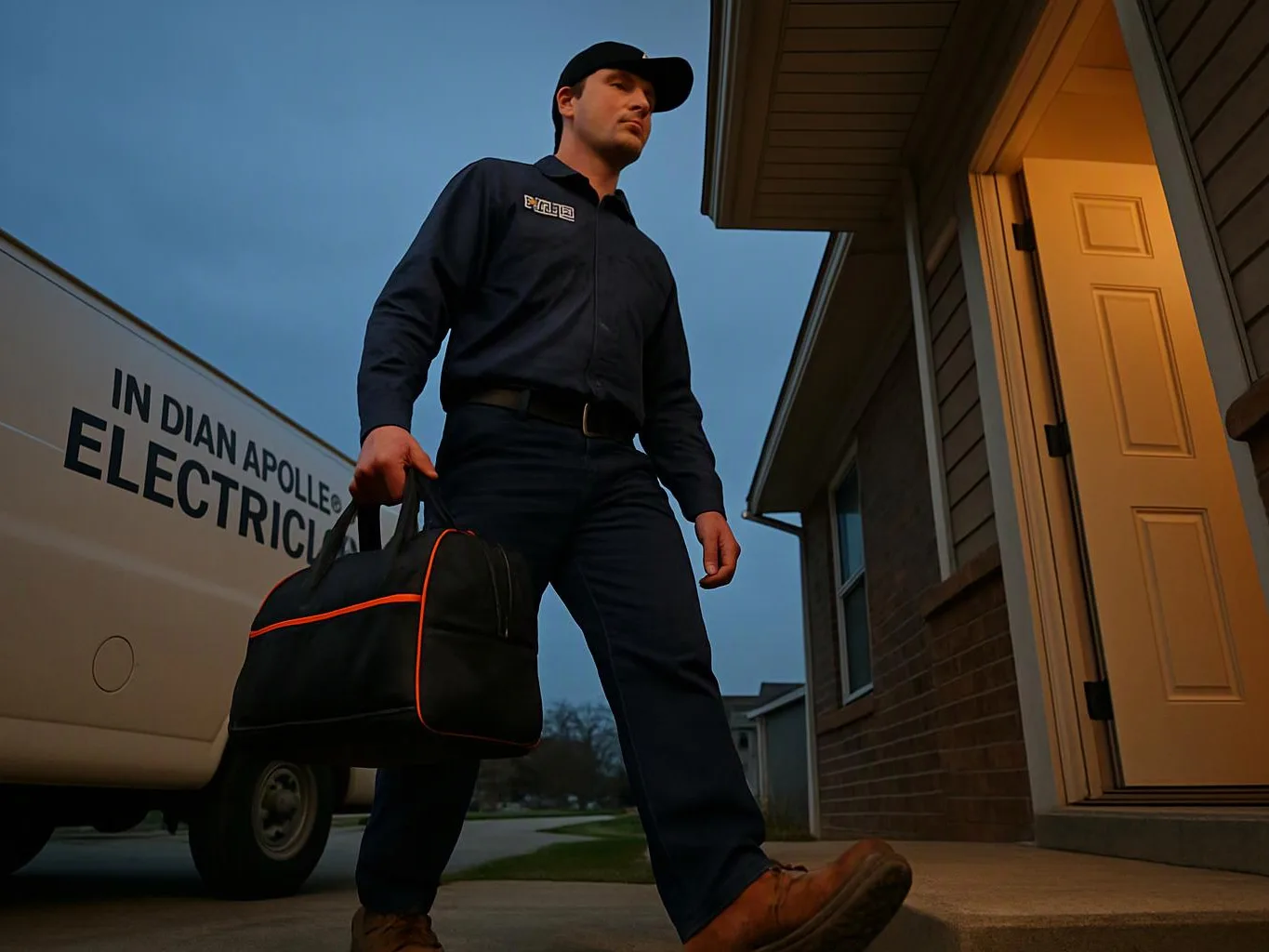
Safety upgrades come after we explain the finding and set the repair scope. GMB Electric records the concern, identifies any hazard repairs, and gives code recommendations when they apply. The next step might be a device repair, circuit work, grounding correction, or panel upgrade. We discuss the options before moving beyond the inspection.
What does the crew look at first during an electrical safety check?
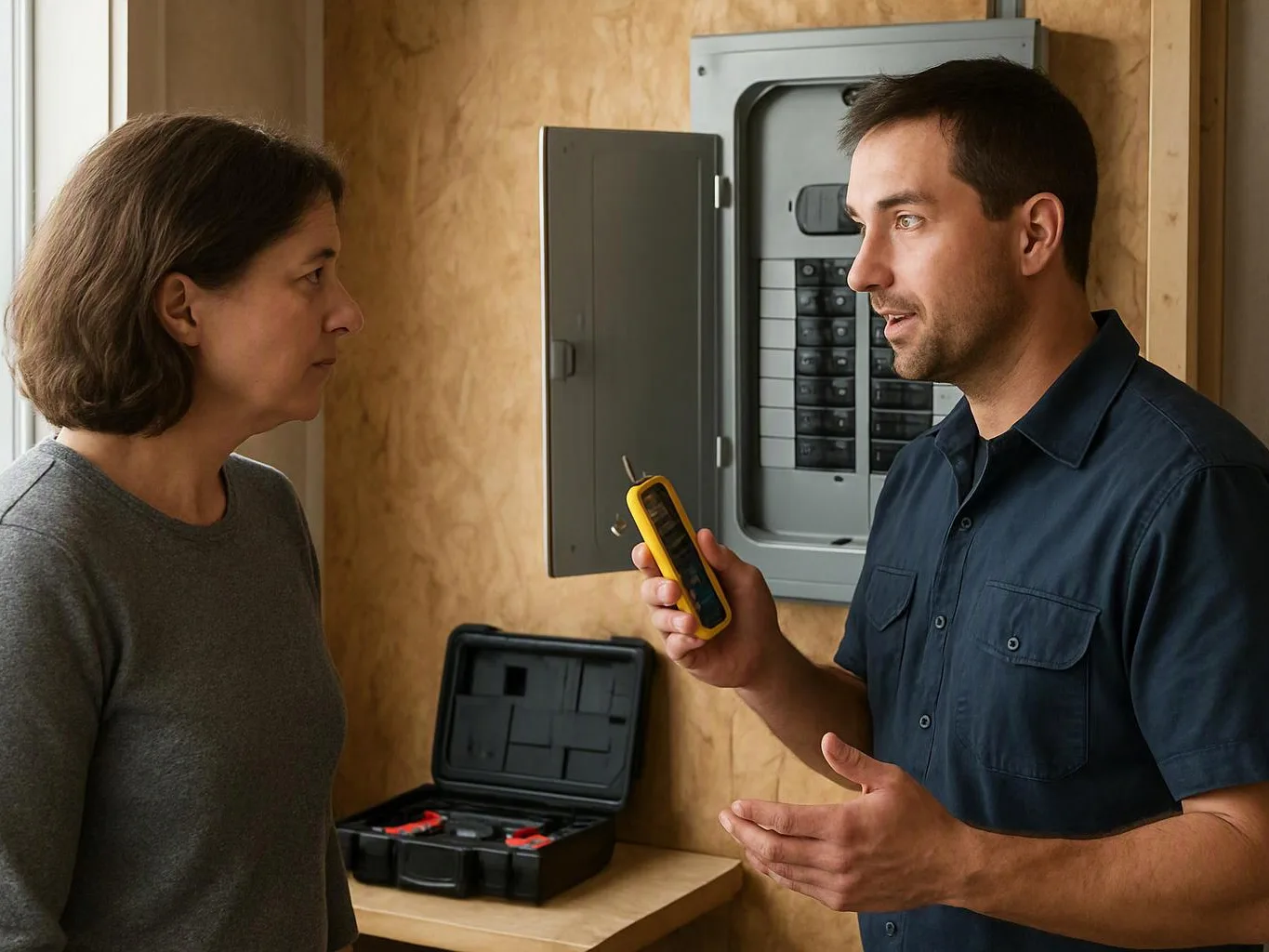
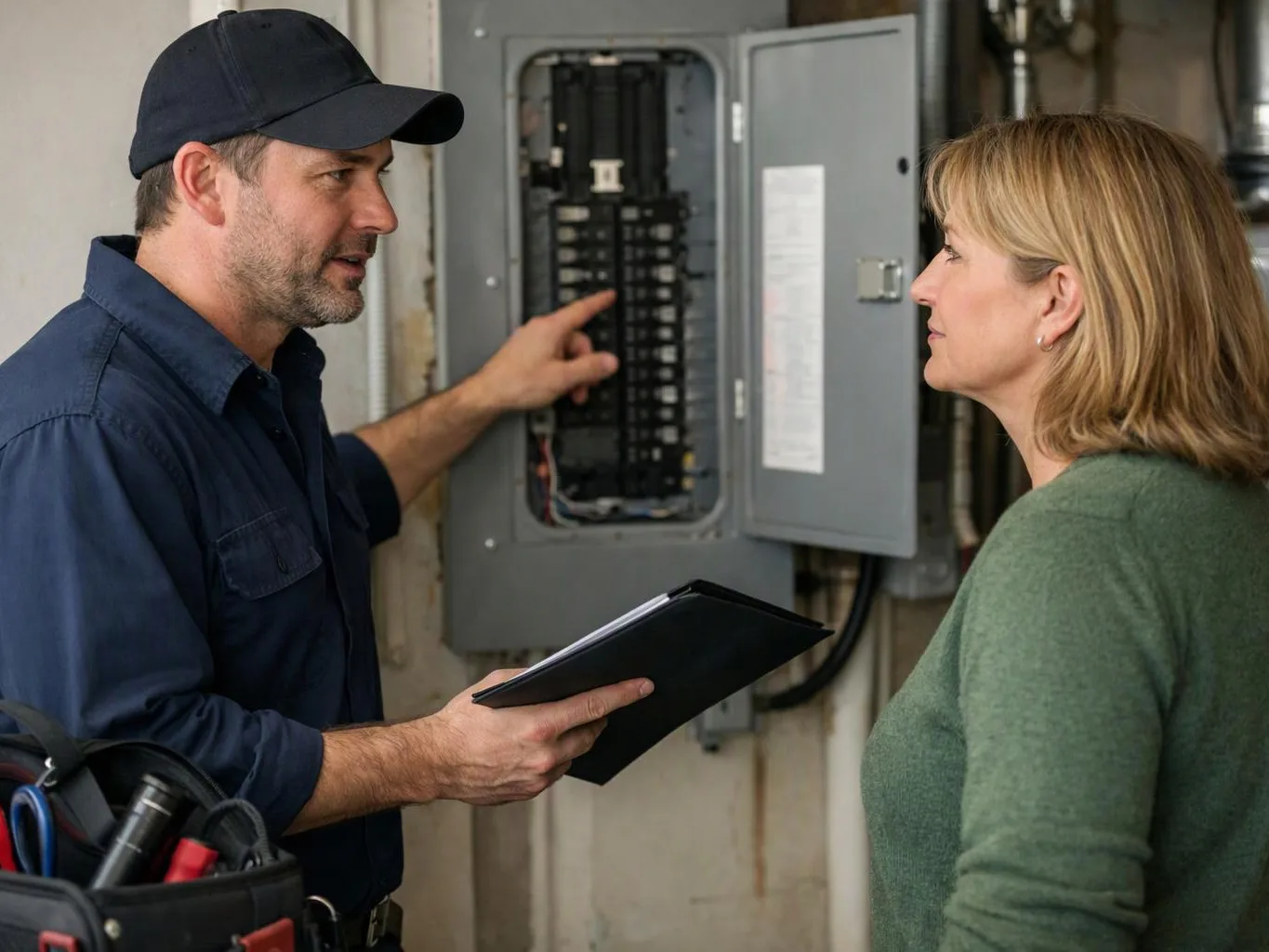
The reported symptom guides the first check, so the panel and related circuit receive early attention. We look for breaker damage, heat marks, loose connections, and signs of overload. We then inspect connected outlets, switches, and visible wiring. This approach links the customer’s concern to the part that needs action.
What should be checked before an inspection is scheduled?
The property type, reported symptom, affected area, and access to the electrical panel should be noted first. Photos of a damaged outlet or breaker can help describe the concern. Do not remove covers or test damaged wiring yourself. Share the available details with our team so we can discuss the right inspection scope.
Who is a good fit for an electrical safety inspection?
Homeowners, landlords, business owners, and property managers are good fits when they need a system review or repair decision. Our team checks accessible electrical parts and documents concerns. A known failed device may need a direct repair instead, while hidden wiring concerns may call for further diagnosis.
Which symptoms need urgent electrical attention?
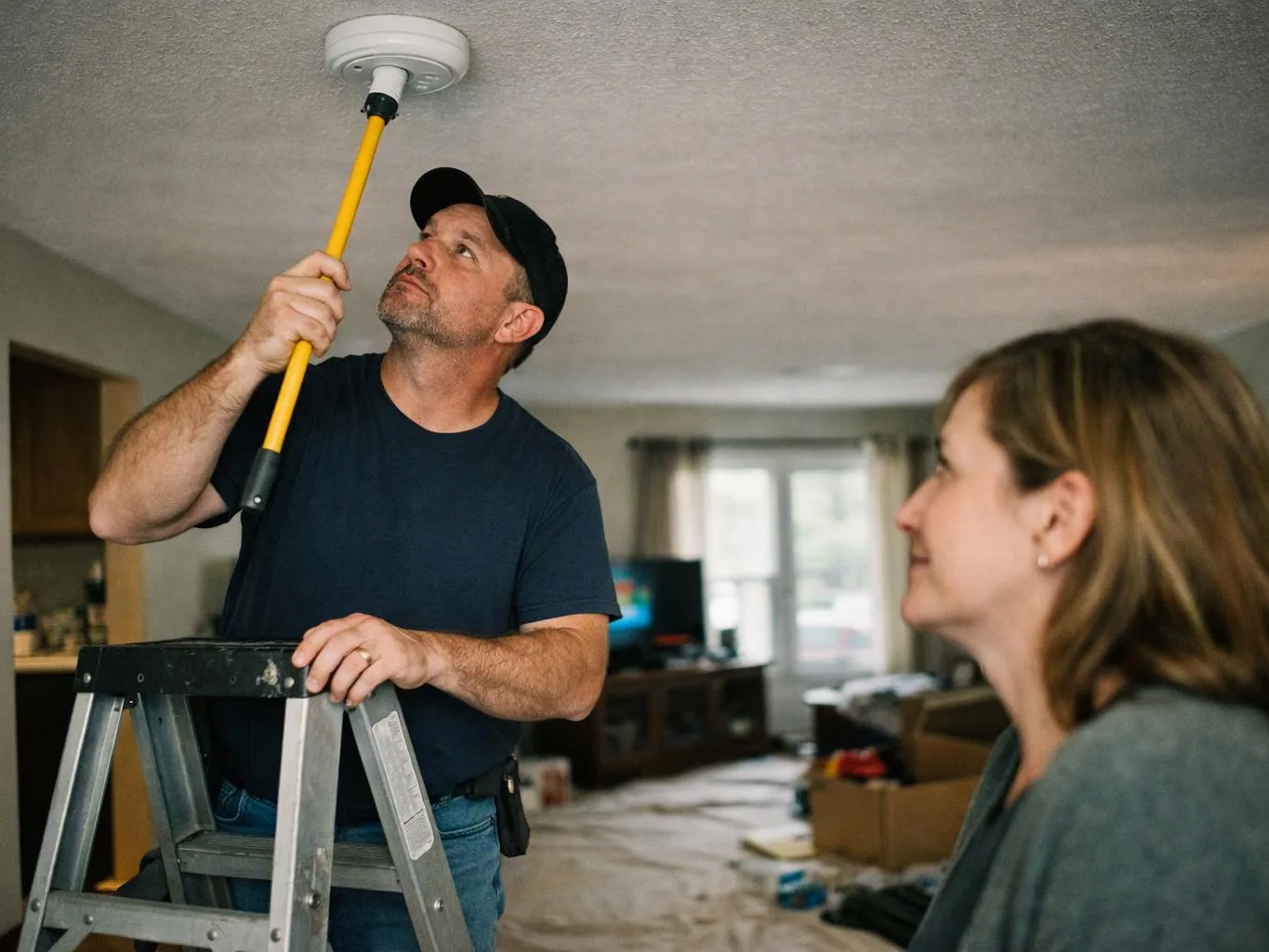
A burning smell, buzzing panel, sparking outlet, or repeated breaker trip needs urgent attention. Turn off use of the affected device if it is safe to do so, and keep clear of damaged parts. Our team can assess the concern and identify whether isolation, repair, or broader circuit work is needed.
How does circuit tracing help with a safety review?
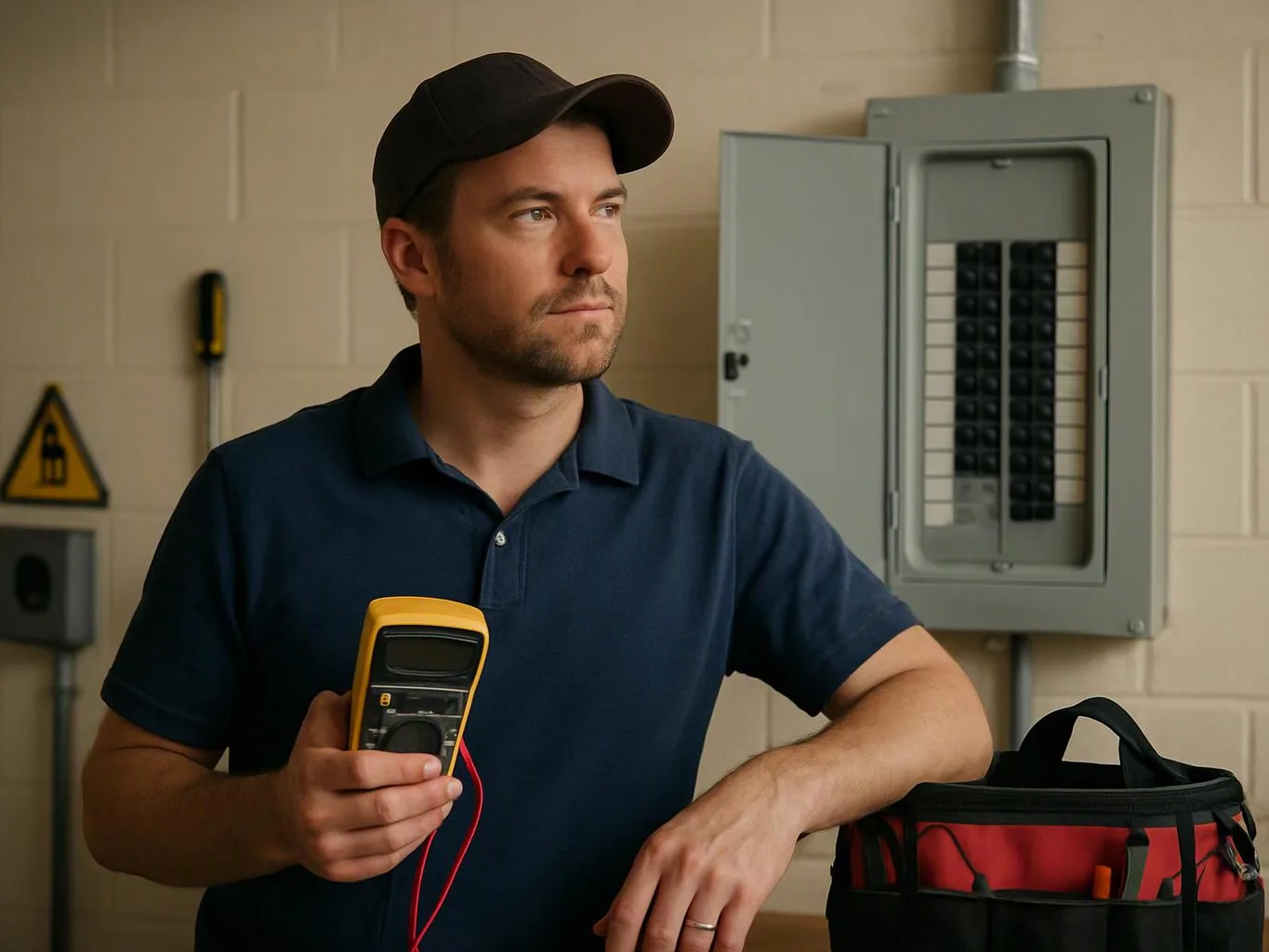
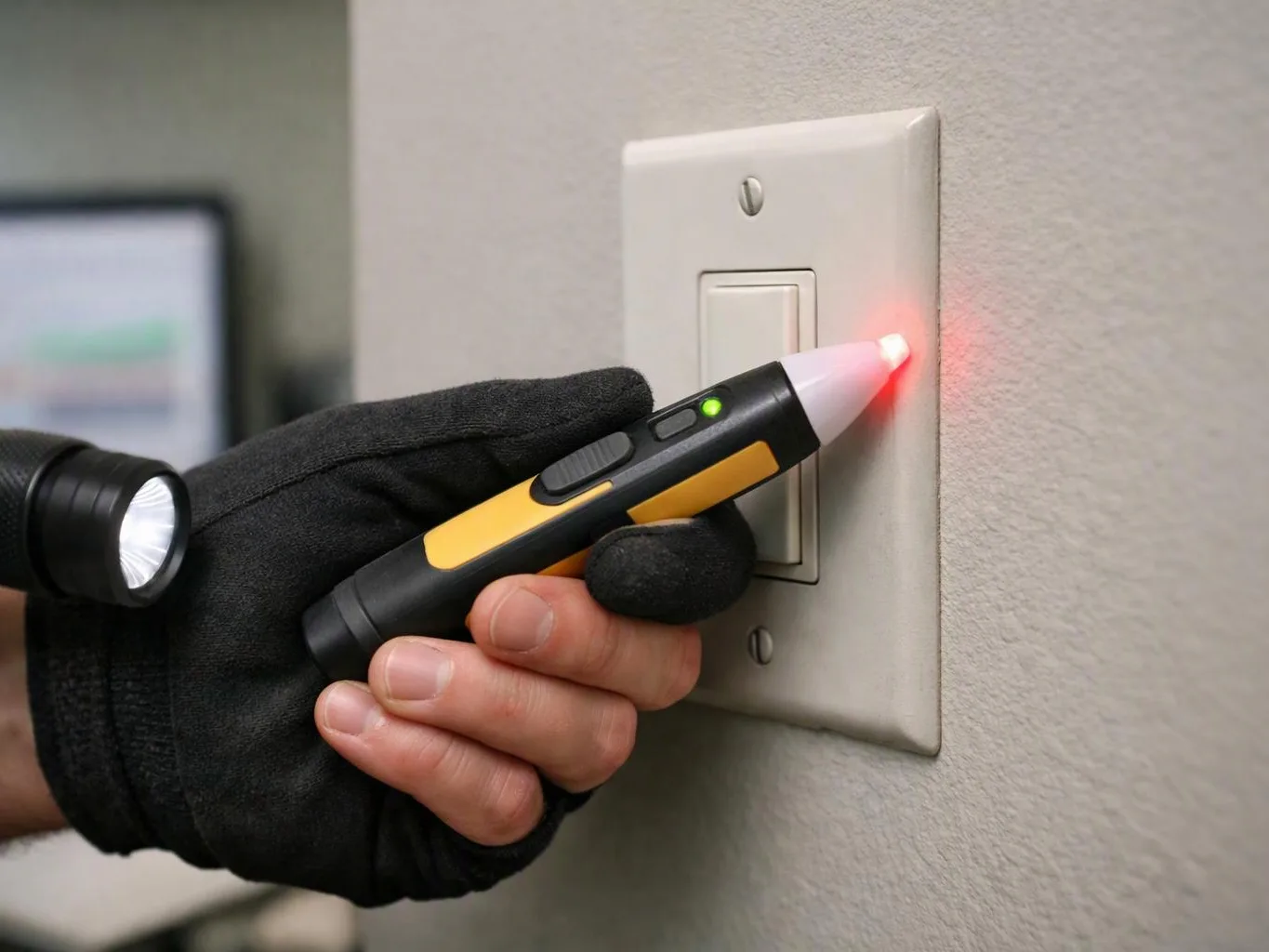
Circuit tracing connects a problem device with the breaker and wiring that supply it. We use the trace to check for overloads, damaged connections, dead outlets, and mismatched circuit protection. The result helps define whether the property needs a local repair, grounding work, or a larger electrical upgrade.
Why might an inspection lead to a panel upgrade?
A panel upgrade may be recommended when the existing equipment cannot safely support the property’s electrical demand. We review breaker condition, available capacity, circuit layout, and planned equipment before making that recommendation. The inspection does not by itself approve a replacement, but it gives the owner a reasoned repair decision.