Can you repair lighting controls and occupancy sensors?
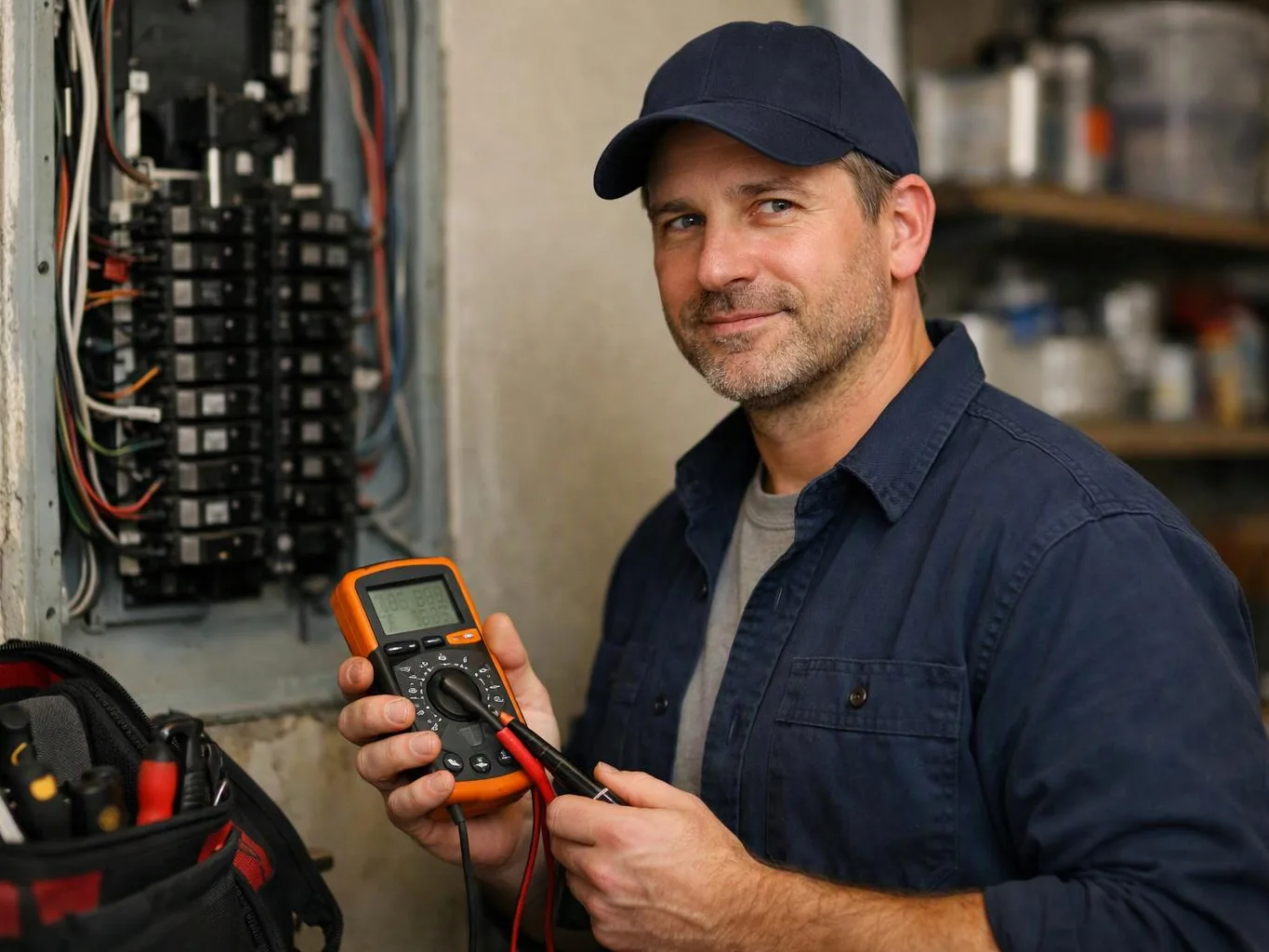
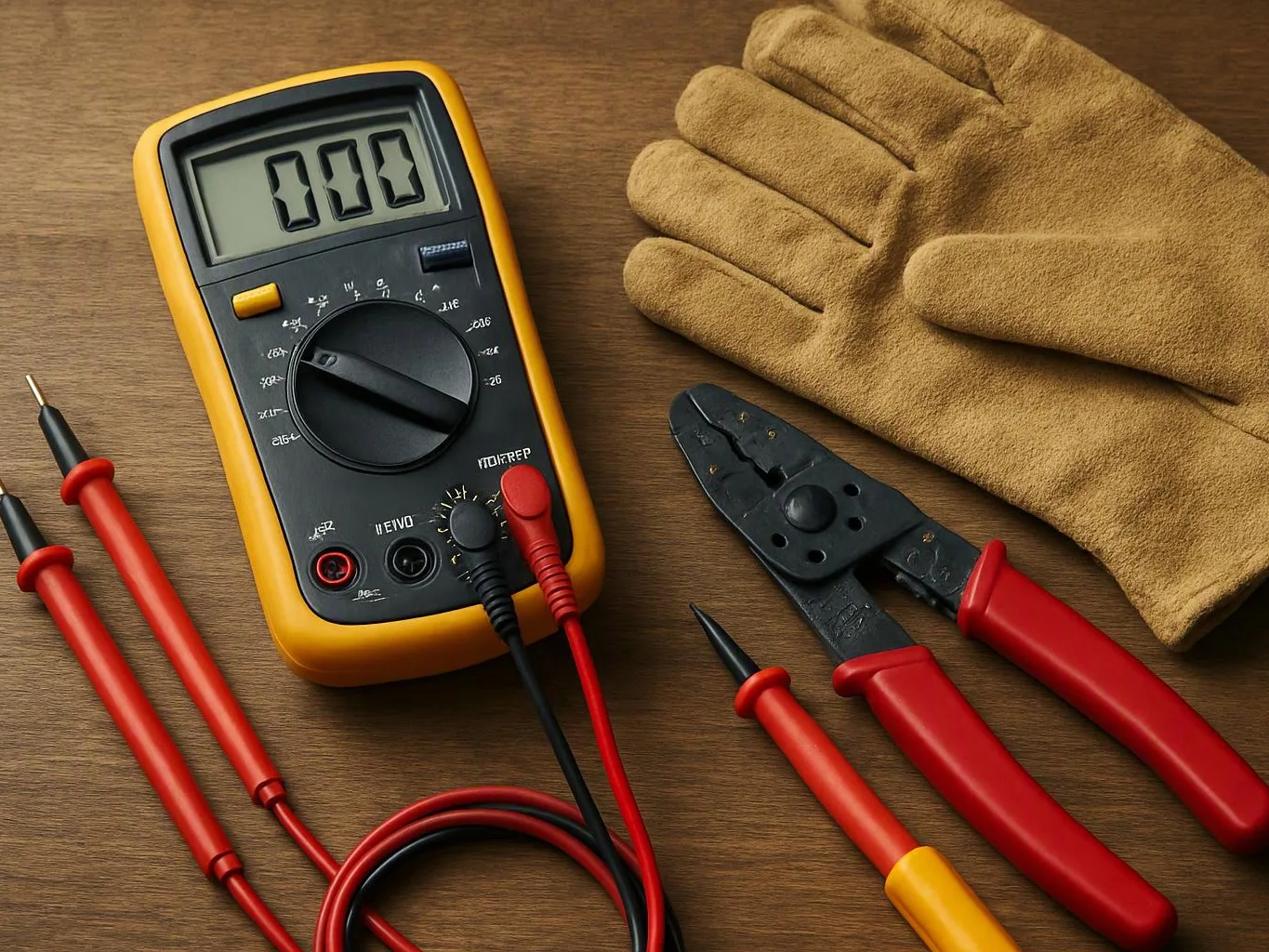
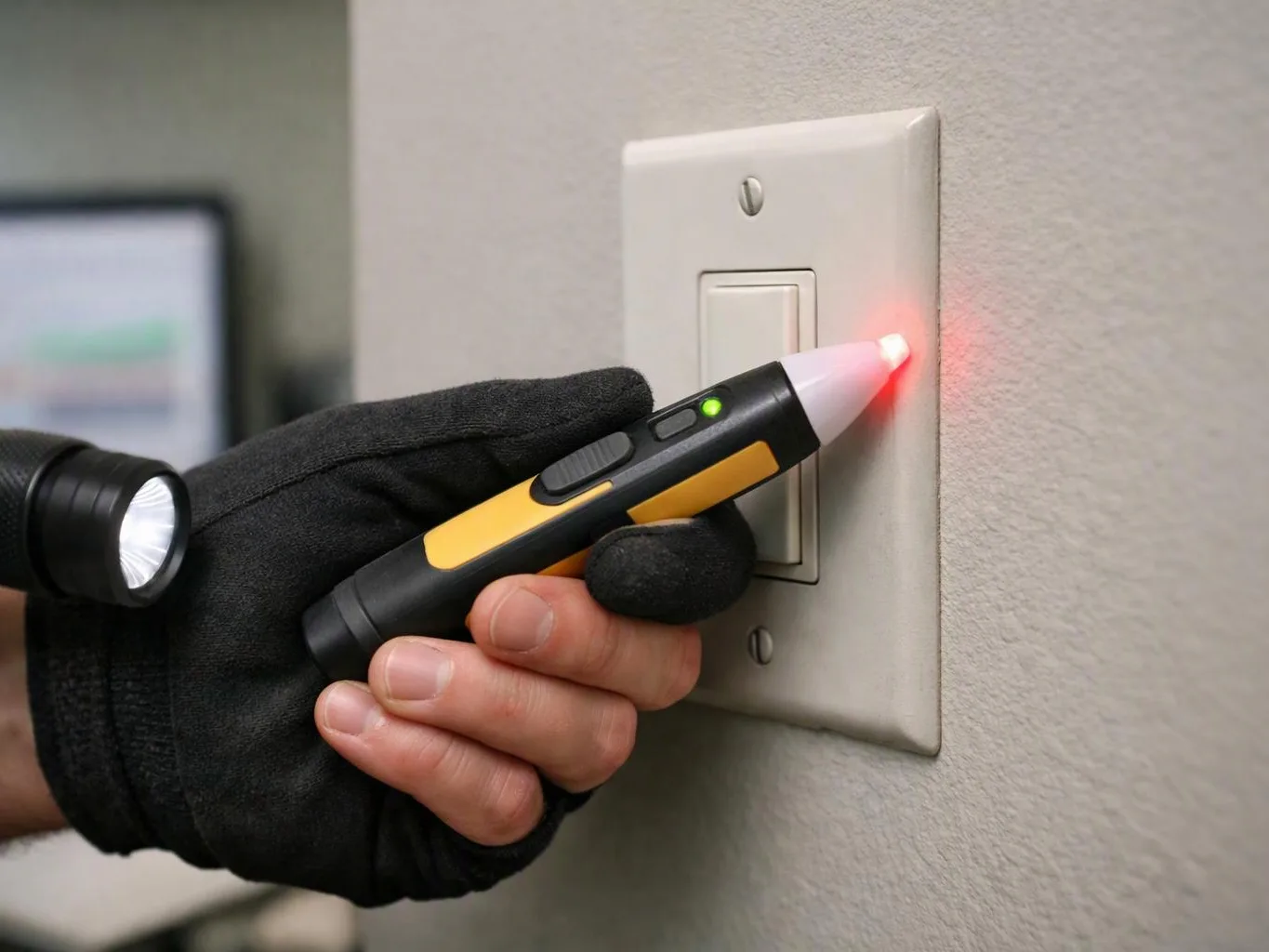
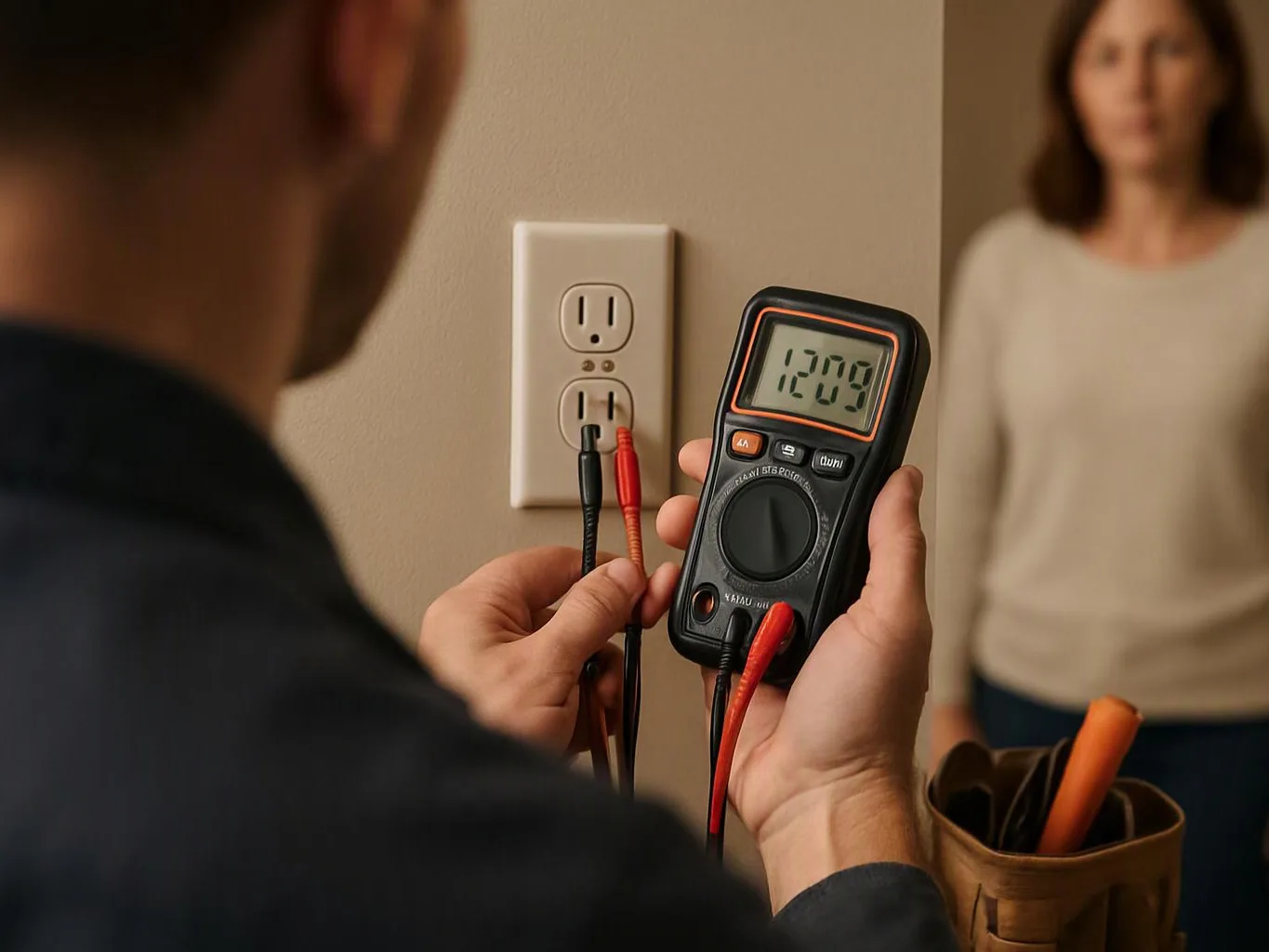
Time clock and occupancy sensor repairs are services GMB Electric provides for commercial lighting systems. We test the sensor, control wiring, relay switch, and connected fixtures to find the fault. A failed sensor may affect one zone, while a wiring or relay issue can affect several fixtures. We explain the finding before completing the repair.
How does a commercial lighting repair visit move from the first call to the last step?
The visit moves from symptom review to circuit testing, repair scope, corrective work, and final lighting checks. We first identify the affected zone and control pattern. We then trace the fixture and control path, explain the repair, complete the agreed work, and test the lights and controls before finishing.
How can a customer tell whether commercial lighting repair fits the property?
Commercial lighting repair fits a property with an existing lighting fault, failed fixture, or control problem. Flickering lights, dark zones, failed switches, and lights that ignore controls are useful signs. New construction or a full lighting redesign calls for installation planning instead of a repair-only visit.
Which part of the property decides the lighting repair scope?
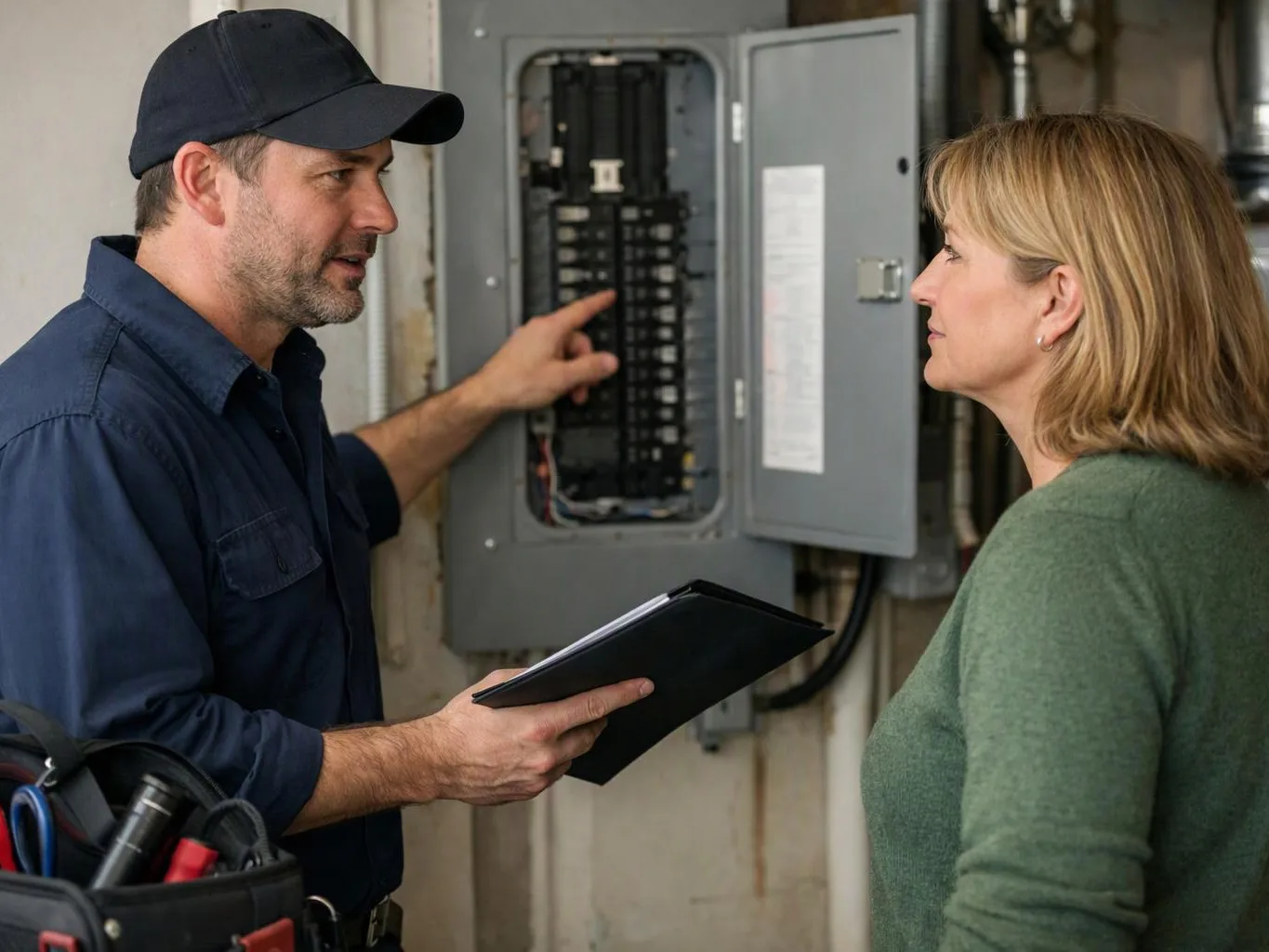
The affected lighting zone decides much of the repair scope. We check whether the fault is limited to one fixture or reaches a panel, relay, sensor, or shared control circuit. Access to the fixture and control wiring also affects the work needed to diagnose and repair the system.
What makes several commercial lights fail together?
A shared control, relay, breaker, or branch circuit can make several commercial lights fail together. We trace the common connection and test the affected fixtures separately. Customers should keep clear of damaged wiring, buzzing equipment, or burning smells and request electrical service when those warning signs appear.
Why do commercial lights keep cycling on and off?
Repeated cycling often points to a control signal fault, loose connection, failing relay, or fixture problem. We check the control wiring and switching parts before replacing fixtures. The operating pattern matters, so customers should note whether the cycling follows movement, daylight, scheduled switching, or load changes.
What should a business share before scheduling a lighting assessment?
A business should share the affected area, fixture type, control behavior, and any recent electrical changes. Photos can help show the fixture or sensor, but customers shouldn't remove covers or open panels. Access to the lighting area and electrical equipment helps us trace the fault safely.