Can you diagnose failing lights in a commercial building?
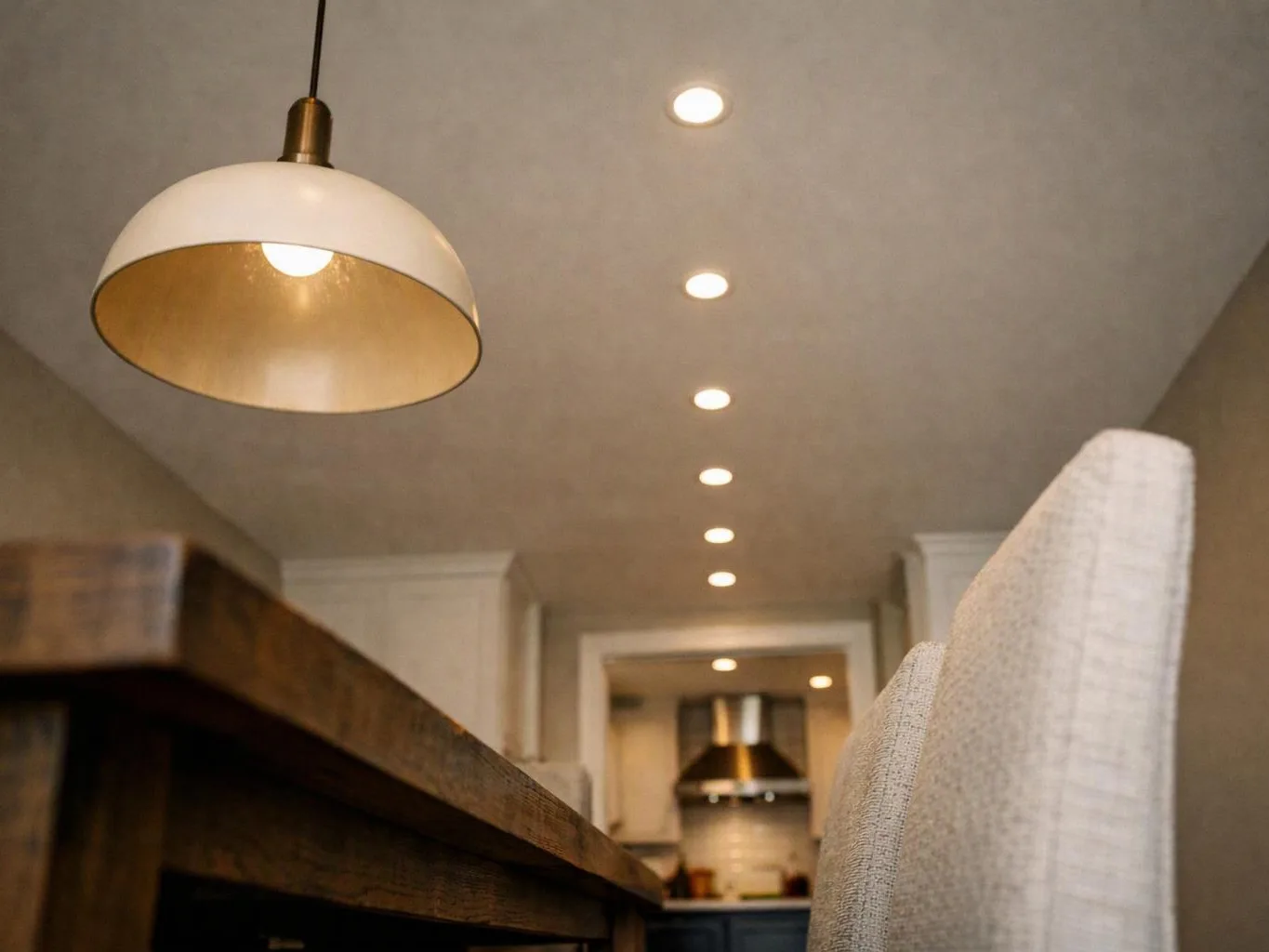
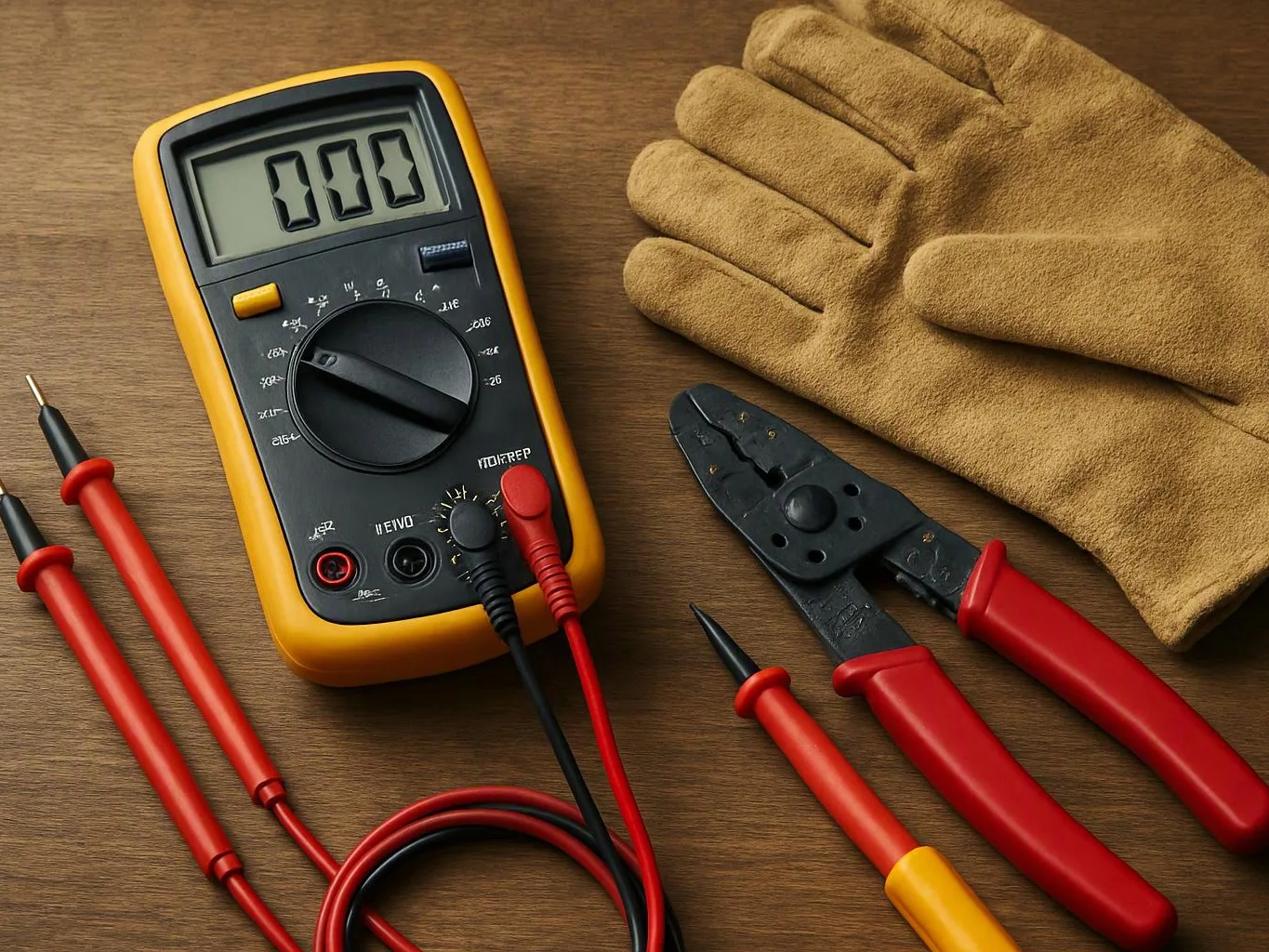
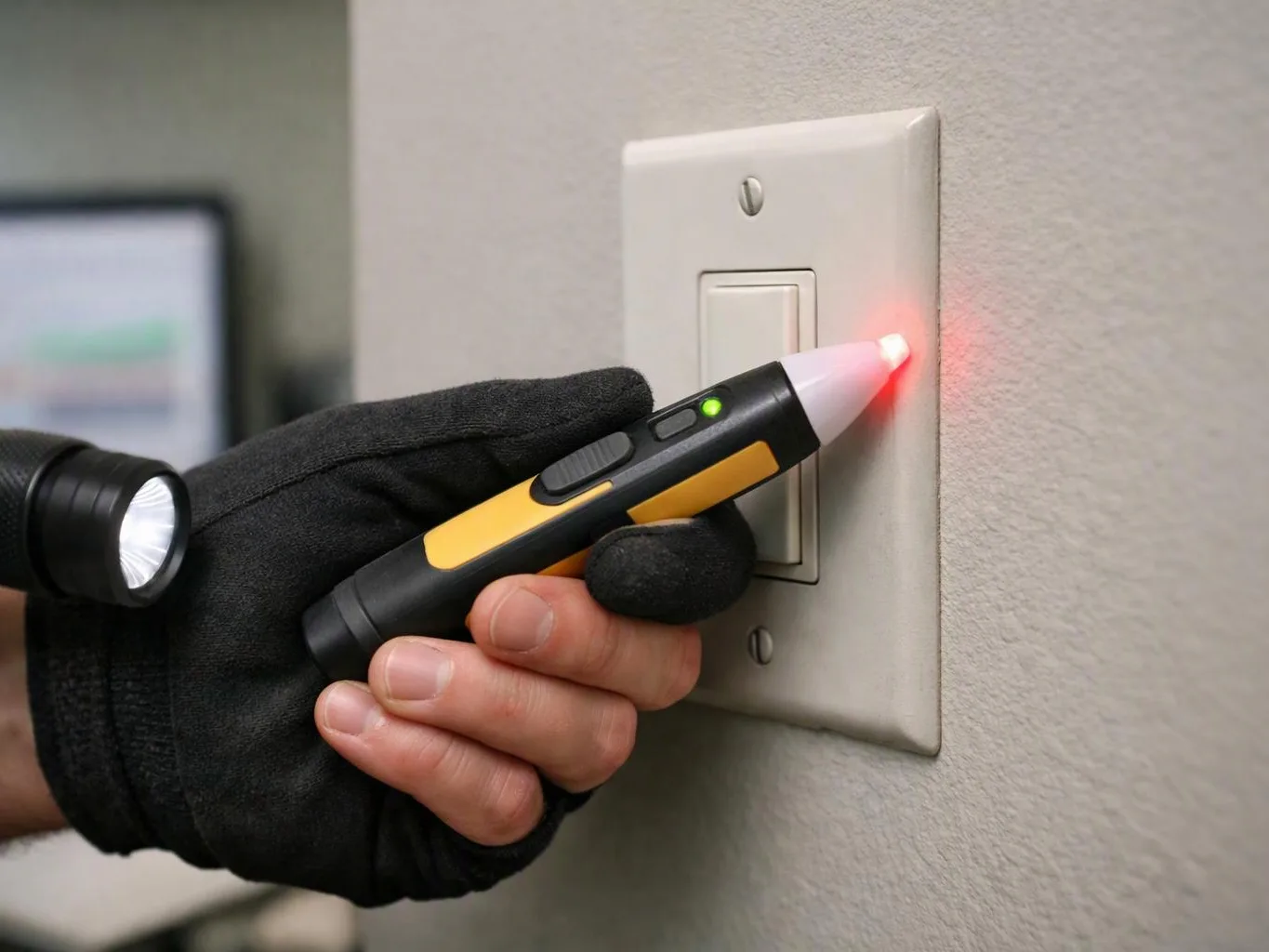
Ballast failure is one cause of failing commercial lights, and GMB Electric tests the fixture, socket, driver, circuit, and control to find the fault. We also check whether several fixtures share one circuit problem. The inspection helps separate a single-part repair from a wider electrical issue before the work scope is set.
Which part of the property decides the scope of lighting repair?
The affected fixture and its supplying circuit decide the repair scope. A single dark light may need a socket, ballast, or driver check, while a row of failed fixtures calls for circuit tracing. Access to the fixture, panel, ceiling space, and lighting controls also shapes the inspection.
Which material changes how long the repair work takes?
The failed lighting part changes the work involved more than the lamp type alone. A ballast, LED driver, loose socket, damaged wire, or control fault each needs a different check. Fixture access and the condition of the existing wiring also affect the repair plan, so we assess those points before quoting the work.
How does a lighting repair visit move from the first call to the last step?
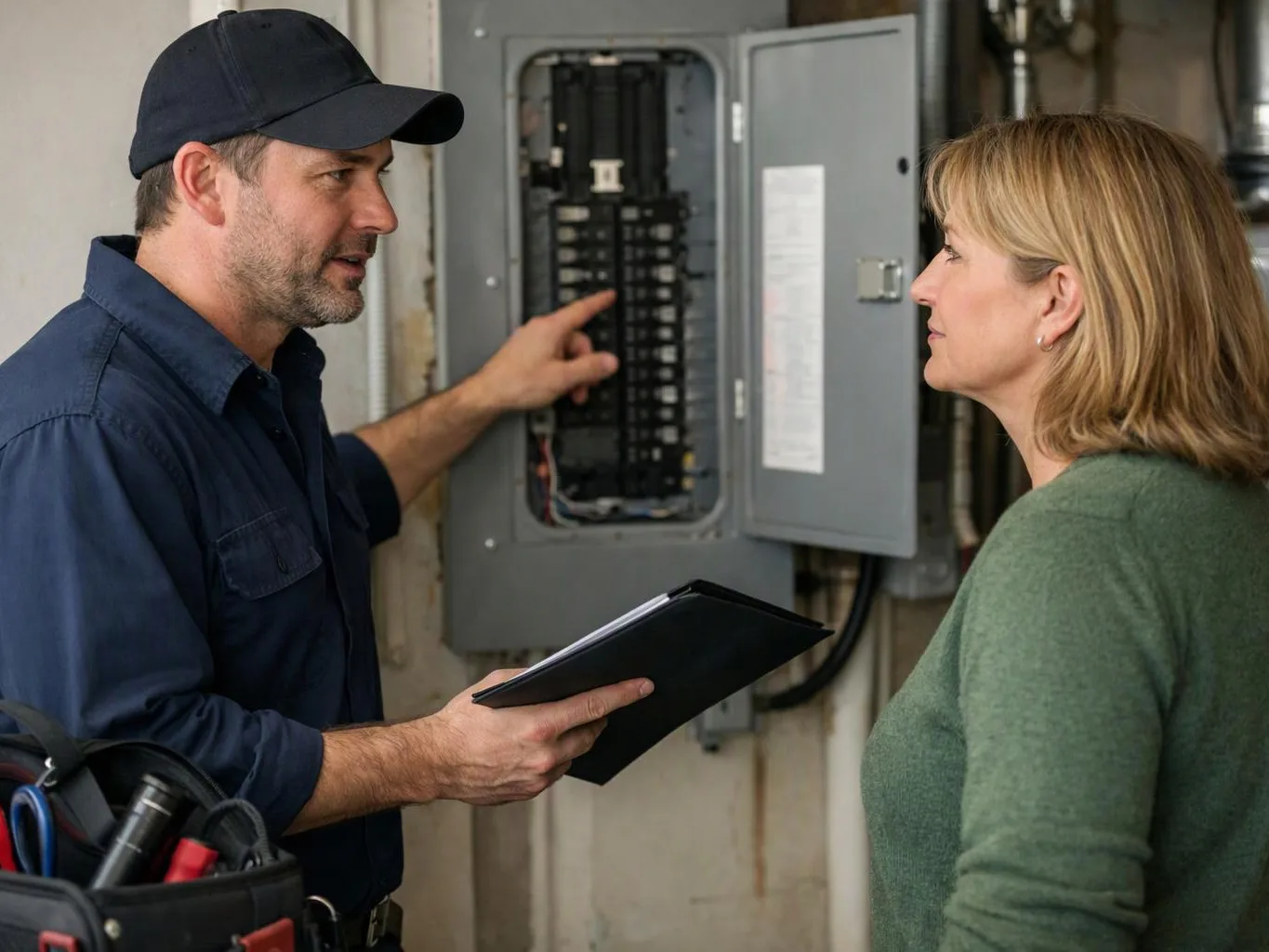
The visit moves from symptom review to fixture testing, circuit checks, repair planning, and final lighting tests. We record which lights fail, inspect the related parts, and trace the circuit when needed. After the fault is identified, we explain the scope and test the repaired fixture or circuit.
When does a lighting fault need urgent attention?
A burning smell, buzzing panel, sparking socket, or warm switch plate needs urgent electrical attention. These signs can point to unsafe heat or a wiring fault. Turn off the affected circuit only if you can do so safely, keep people away from the area, and request emergency electrical service.
What should a business owner share before the inspection?
The business owner should share the fixture locations, recent lamp changes, breaker activity, and access details. Photos can help show flicker, dim output, heat marks, or damaged covers. We still test the lighting system in person because a photo cannot confirm a ballast, driver, socket, or circuit fault.
Why can a new bulb fail in the same fixture?
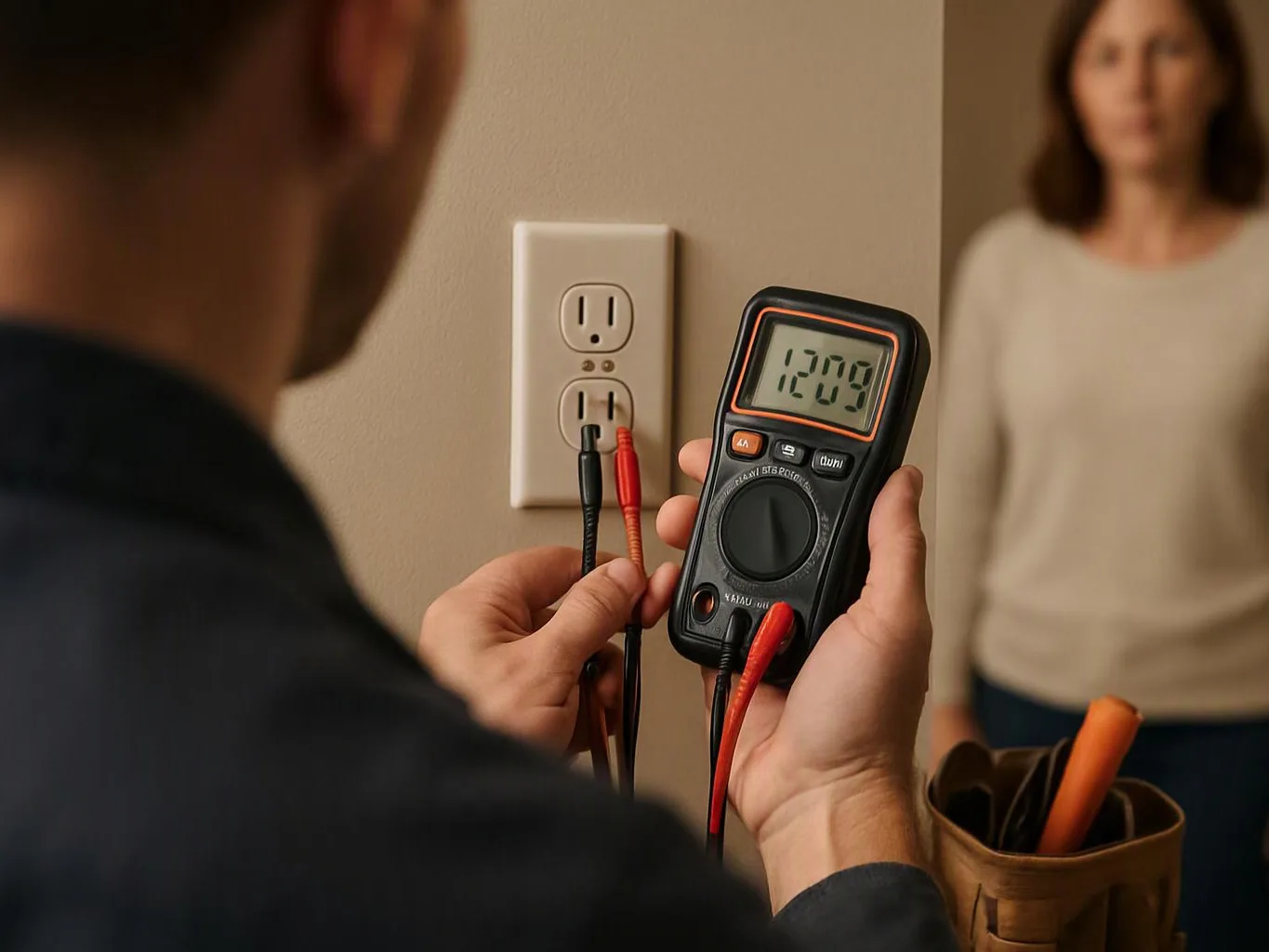
A new bulb can fail again when the socket, ballast, LED driver, circuit, or control has a fault. Replacing lamps alone does not test those parts. We inspect the fixture and measure the related electrical path so the repair addresses the cause of the repeated failure.