When Generator Problems Require an Electrician
Generator problems require an electrician when the issue involves unsafe wiring, failed transfer equipment, repeated breaker trips, burning smells, shock risk, or a generator that cannot safely supply connected loads; GMB Electric diagnoses the electrical fault, explains the repair, and provides Free Estimates Available.
Get a Free Estimate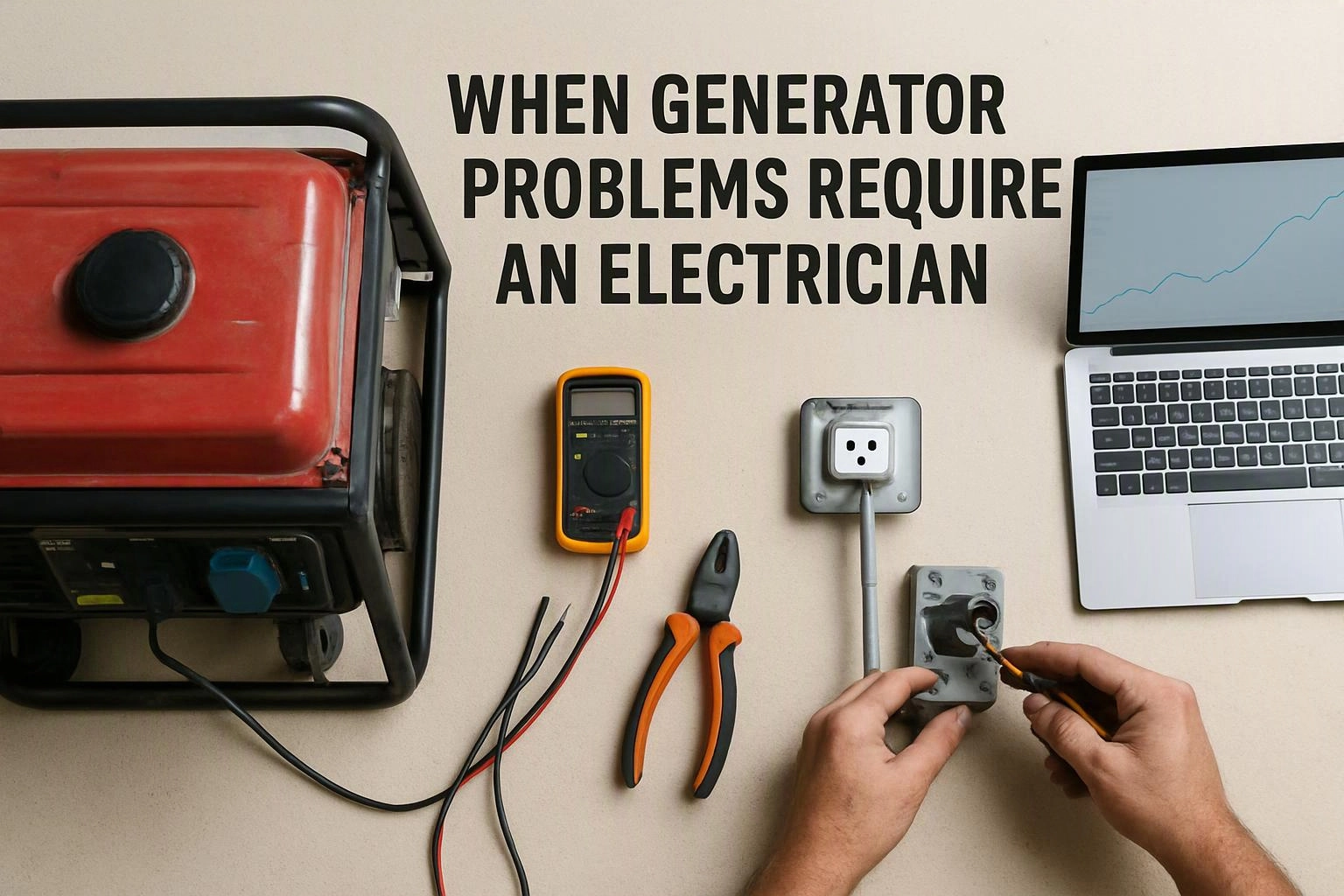
When Is a Generator Problem an Electrical Issue?
Generator problems are electrical issues when the fault involves wiring, circuit protection, transfer equipment, grounding, connections, or power delivery. GMB Electric diagnoses these faults through an electrical inspection of the generator, electrical panel, and connected circuits.
A standby generator can connect to the main electrical panel through an automatic transfer switch. A portable generator may use a manual transfer switch and a dedicated generator circuit. Both systems require correct generator wiring, grounding, and circuit protection for safe operation.
Signs Your Generator Needs an Electrician
These warning signs point to an electrical fault or an unsafe backup power problem. Stop testing the system yourself when a symptom involves heat, arcing, shock, or repeated shutdowns.
We identify whether the symptom comes from the generator, transfer equipment, a circuit breaker, or the connected load. That distinction helps us choose a safe repair path.
What Causes Generator Electrical Problems?
Generator electrical problems usually begin with a connection, wiring, load, transfer, or grounding fault. We inspect the complete power path instead of treating the generator symptom in isolation.
Our team checks the alternator, control panel, transfer switch, electrical conductors, grounding conductor, and fuel system when those parts affect safe electrical operation.
What Can You Safely Check Before Calling GMB Electric?
You can perform only basic visual and control checks that do not expose you to energized components, moving parts, fuel hazards, or exhaust. GMB Electric handles testing and repairs that require access to electrical conductors or internal equipment.
Do not remove covers, test live voltage, bypass a transfer switch, or run a portable generator in an enclosed space. Carbon monoxide can collect without a visible warning, and electrical parts can remain energized.
When Should You Stop Using the Generator?
Stop using a generator when you see smoke, smell burning or fuel, feel a shock, see arcing, or notice unsafe operation. These signs can indicate electrical fire risk, carbon monoxide exposure, electric shock, or a fuel hazard.
Turn off the equipment using the safe control available to you, move away from smoke or fuel, and avoid touching damaged wiring. We can inspect the generator, transfer equipment, and connected circuits to determine whether generator repair or another electrical repair is needed.
How Generator Problems Connect to Other Electrical Systems
Generator faults can affect other electrical systems when backup power feeds shared panels, dedicated circuits, safety devices, or high-demand equipment. We trace the affected circuit so a generator fault does not get mistaken for a separate equipment failure.
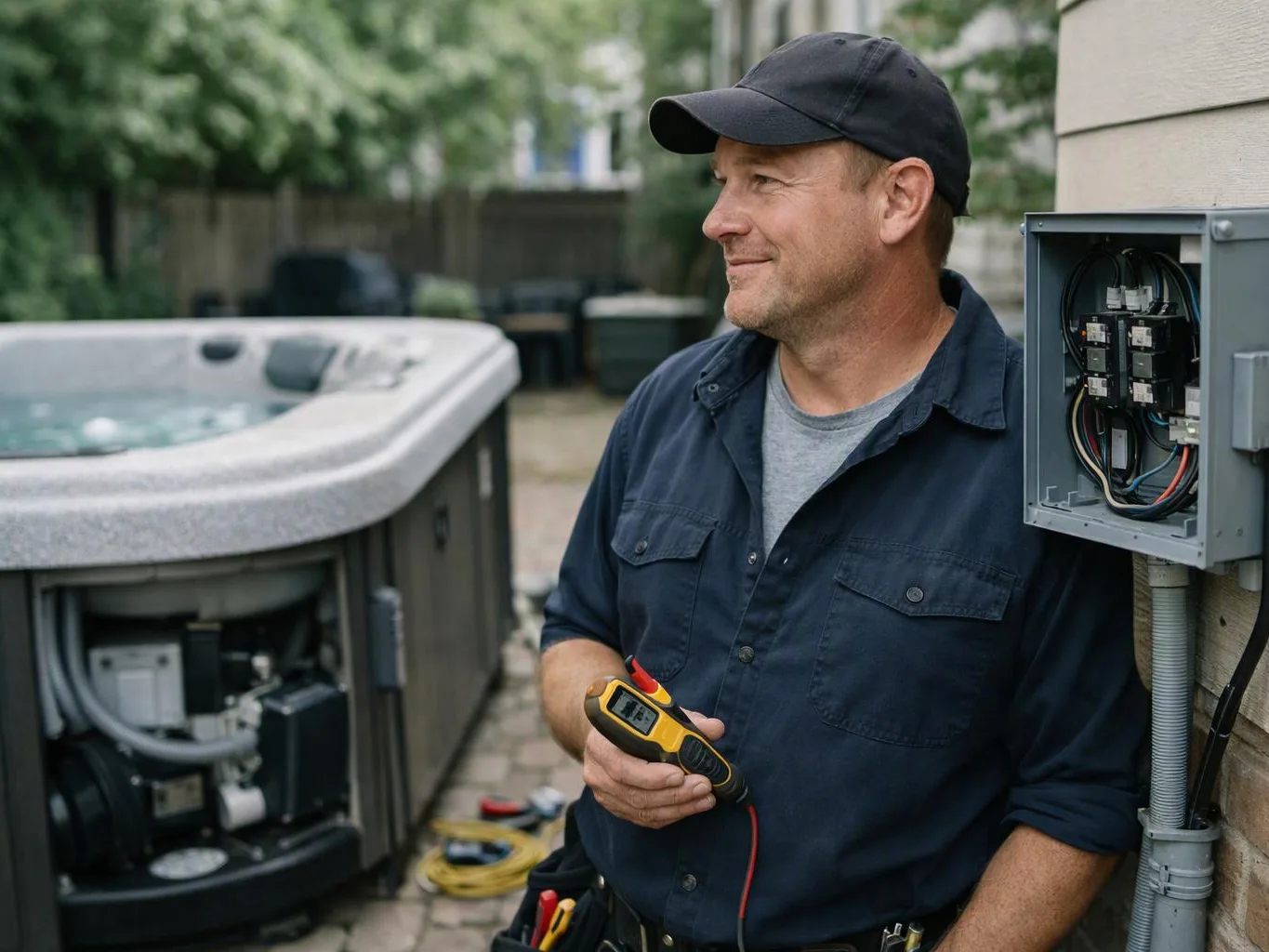
An electric vehicle charger or bidirectional charging system can place a heavy demand on a backup power system. Hot tub wiring and a major appliance circuit can also contribute to an overload when load management is not properly planned.
Smoke detector wiring, fire alarm wiring, and security lighting may depend on correct circuit protection during a power interruption. We inspect those connections when backup power behavior affects safety devices or dedicated circuits.
A sudden power loss can also create several symptoms at once. Our team separates the generator wiring problem from issues in the main electrical panel, appliance circuit, or other connected equipment.
How We Diagnose and Repair Generator Electrical Faults
GMB Electric identifies the affected circuit and equipment, tests the electrical path, explains the repair scope, and provides Free Estimates Available. We focus on safe operation and clear information before repair work begins.
Our team does not treat repeated resets as a repair. We correct the electrical fault that causes the shutdown, trip, or unstable power when the system can be safely repaired.
How to Prevent Generator Electrical Problems
Regular generator maintenance supports reliable backup power, but electrical connections and transfer equipment also need attention. We look at the generator and the connected electrical system as one system during planned service or repair.
We can review planned changes such as a new appliance, electric vehicle charger, hot tub, or other high-demand load before it is connected to backup power.
When Generator Maintenance Is Not Enough
Generator maintenance is not enough when the system has damaged wiring, incorrect installation, failed transfer equipment, recurring faults, or unsafe circuit behavior. GMB Electric evaluates whether the system needs generator repair, Generator Installation, or electrical corrections.
Maintenance cannot correct a damaged wire, an incorrect grounding connection, or a transfer switch that does not isolate power sources properly. Our team checks the backup power system against safe electrical practices and identifies the repair scope needed for reliable operation.
Generator installation also matters when a portable or standby generator is added to an existing electrical panel. Correct transfer equipment, generator wiring, circuit protection, and load management help prevent an electrical fire or dangerous backfeed.
Contact GMB Electric for an electrical inspection when the generator shows unsafe symptoms or cannot deliver dependable backup power.
Questions About Generator Electrical Problems
Can a generator trip the main breaker?
Yes, a generator can trip the main breaker when the backup system has an overload, wiring fault, transfer equipment problem, or incorrect connection. We test the generator circuit and transfer path to identify why the breaker trips.
Why does a generator shut off when a load starts?
A generator can shut off when a load starts because the load creates an overload, exposes a voltage issue, or reveals a fault in the generator or connected circuit. We test the load, circuit protection, generator output, and transfer equipment.
Can an electrician repair a generator transfer switch?
Yes, GMB Electric can inspect and repair generator transfer switch wiring and related electrical faults when the equipment and repair are within the system’s electrical scope. We test the transfer sequence and explain whether the switch needs repair or replacement.
Is it safe to reset a generator breaker repeatedly?
No, repeatedly resetting a generator breaker is not safe when the cause of the trip is unknown. Stop using the generator and have us inspect the circuit, load, wiring, and circuit protection.