Signs of a Partial Power Outage
A partial power outage can affect rooms, outlets, lights, or appliances while other areas still have power. The pattern helps us trace the problem, but warning signs such as heat or a burning smell call for caution.
- Rooms without power while other rooms still have electricity.
- Dead outlets that no longer power connected devices.
- Lights that won't turn on.
- Flickering or dimming lights.
- Appliances that won't start.
- Warm outlets or a burning smell.
What Can Power Outage Troubleshooting Reveal About Your Home's Circuits?
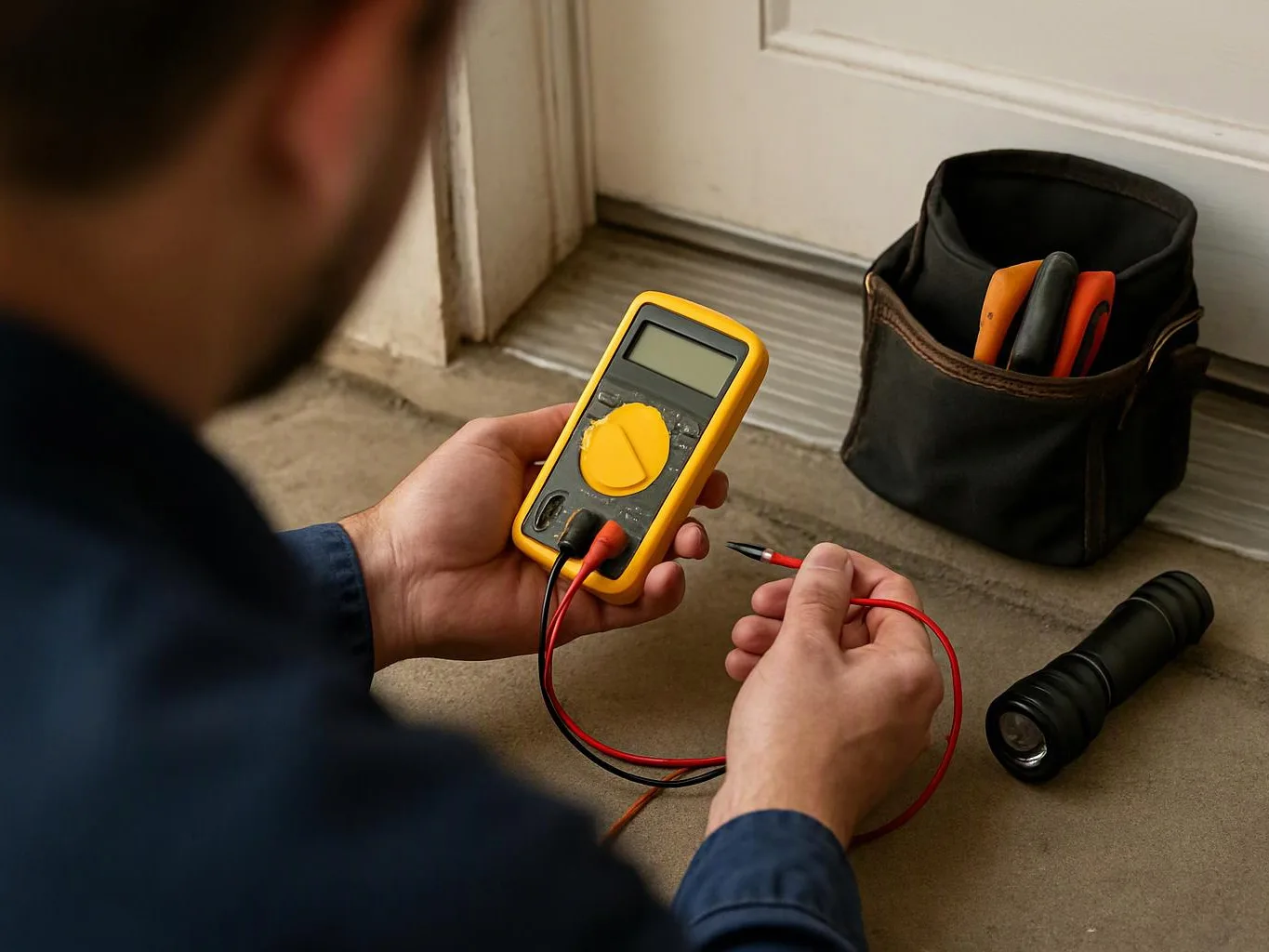
Power outage troubleshooting can reveal whether a fault affects a circuit or the home's supply. We trace the affected area and explain what we find. Our Power Outage Troubleshooting service identifies the source of lost power.
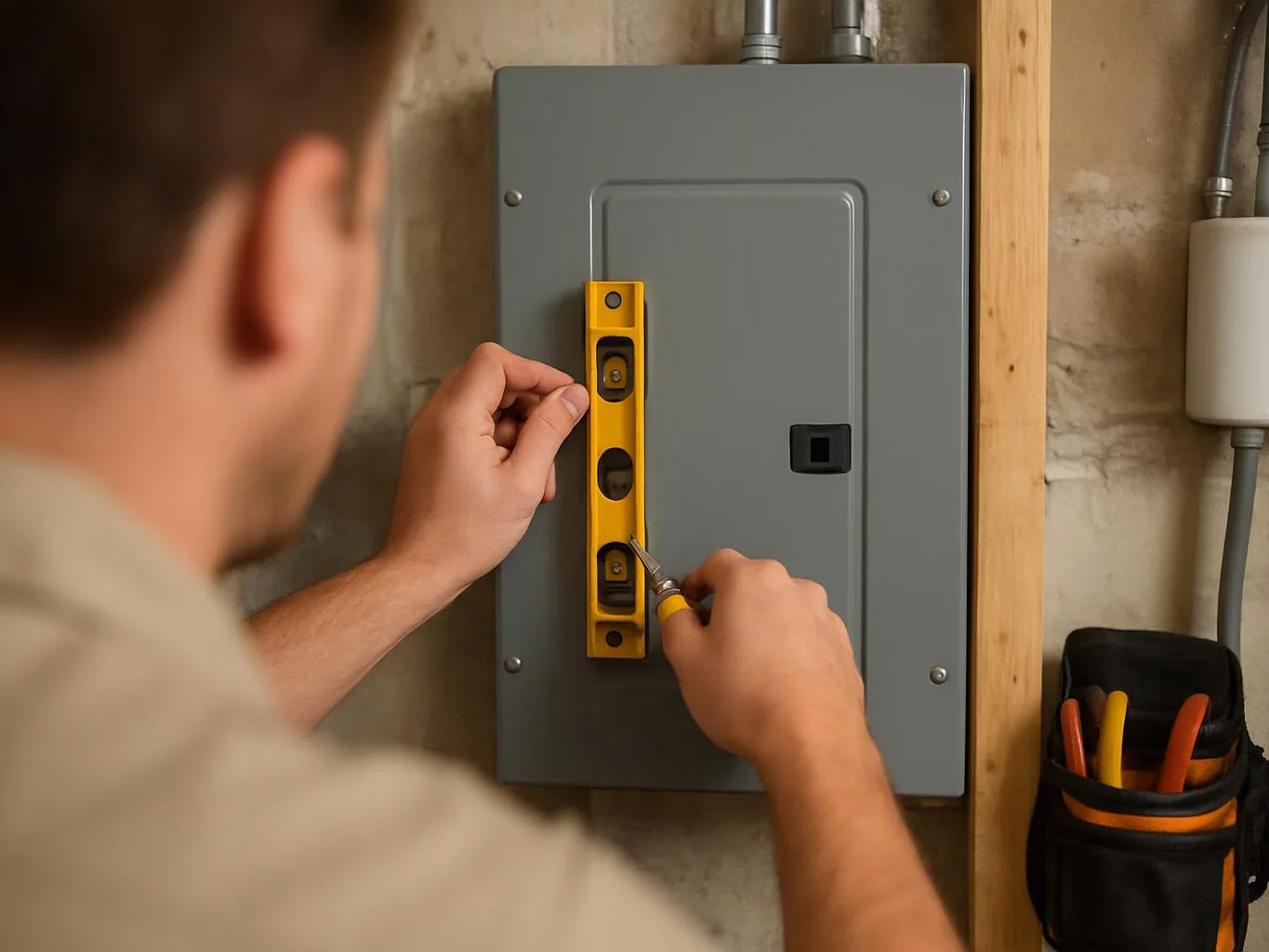
We check the affected circuits and the breaker panel to narrow down the fault location. If the signs point toward the utility supply, we'll explain why the utility needs to investigate.
Common Causes of Partial Power Loss
Partial power loss can start in a household circuit or in the supply serving the home. We use the affected area's symptoms to help locate the cause.
- A tripped circuit breaker can interrupt power to the circuit it protects.
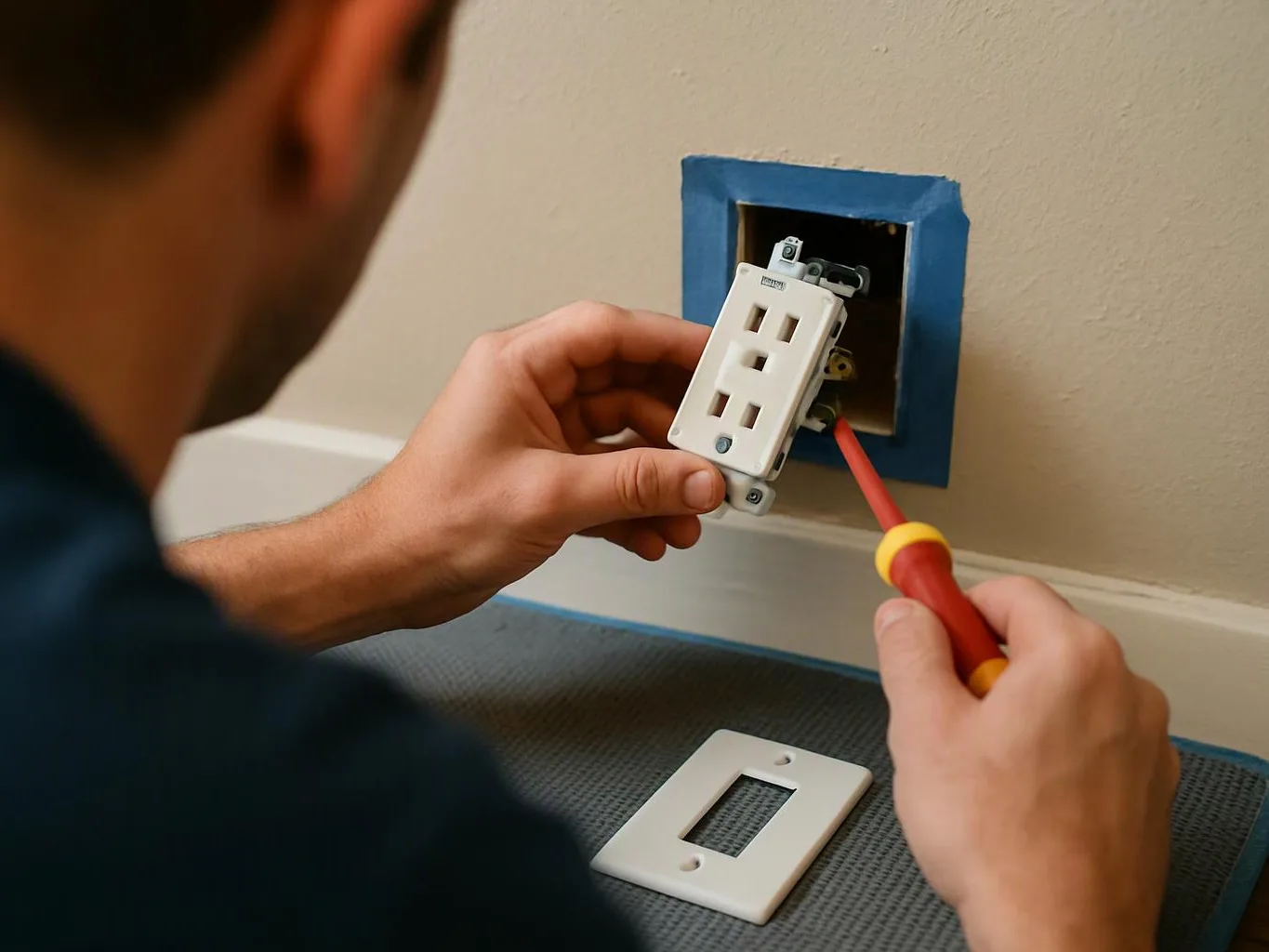
- A tripped GFCI outlet can interrupt power to outlets it protects.
- Loose or damaged wiring can interrupt a connection and create a safety hazard.
- A utility supply or service connection problem can affect your home even when nearby homes have power.
When Neighbors Have Power but Your Home Doesn't
Power at neighboring homes doesn't rule out a problem with your utility supply or your home's wiring. You can check the utility's outage information or report the loss. We can investigate problems within the home.
Your individual utility service may be affected even when nearby homes aren't. We can check your home circuits and explain if the utility needs to check its supply.
Safe Checks and Electrical Warning Signs
A partial outage needs caution when you notice heat, sparks, smoke, or a burning smell. You can note the affected rooms and outlets and look at breaker positions without touching exposed wiring.
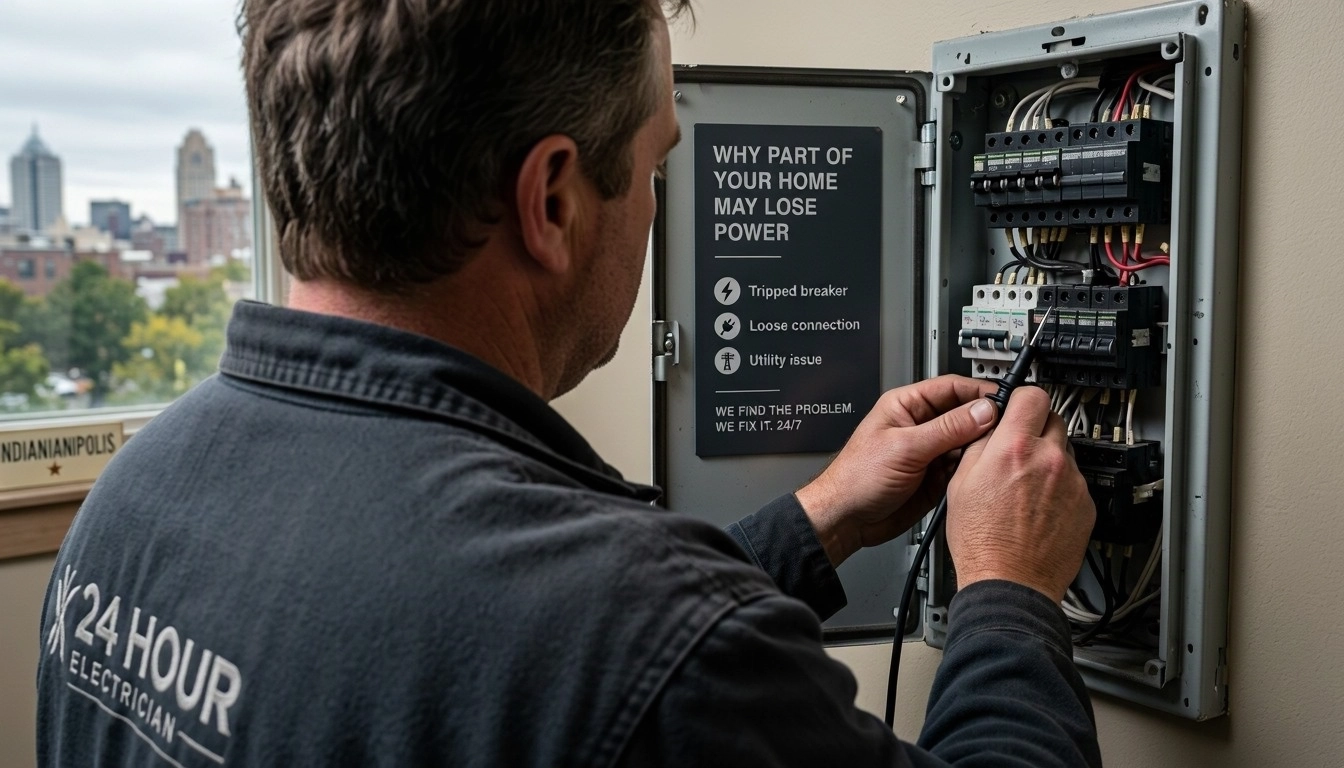
If there's smoke or fire, leave the home and contact emergency services. Don't open the panel or handle damaged wiring. Contact your utility to report a suspected supply problem, and let us investigate electrical faults in the home.
Steps That Help Prevent Partial Power Loss
Careful use of outlets and devices can help reduce the risk of a circuit problem. Recurring trouble still needs investigation, and we can check the cause.
- Avoid overloading outlets with connected devices.
- Replace damaged appliance cords rather than continuing to use them.
- Keep electrical devices away from moisture.
- Report recurring breaker trips so we can investigate.
When Should You Request Power Outage Troubleshooting for a Tripping Breaker?
Request power outage troubleshooting when a breaker keeps tripping or the affected area stays without power. Don't keep resetting a breaker that trips again. We'll investigate the cause and explain the needed repair.
Our guide, “Why a Circuit Breaker Keeps Tripping or Won’t Reset,” explains this warning sign in more detail. Contact GMB Electric to discuss the outage and request an estimate.
Get a Free EstimatePartial Power Outage Questions
Partial power outage diagnosis helps determine the repair scope. We explain what we find and the work included in our estimate.
Can a GFCI outlet cause other outlets to lose power?
Yes, a tripped GFCI outlet can interrupt power to other outlets it protects. Don't keep resetting it if it trips again; GMB Electric can investigate the cause.
Does a partial outage mean the electrical panel needs replacement?
No, a partial outage doesn't necessarily mean the electrical panel needs replacement. We'll identify the fault before recommending a repair.
What changes the price of tracing a partial power outage?
The fault's location and the repair needed affect the price of tracing a partial power outage. Ask us for an estimate that explains the proposed work. Free estimates are available.
What Are the Key Specifications to Know?
- Topic Focus
- Why Part of Your Home May Lose Power
- Related Core Service
- Power Outage Troubleshooting
- Evaluation Method
- On-Site Inspection & Written Scope
- Compliance Standard
- Local Building Code & Manufacturer Specs
How Does the Evaluation & Execution Process Compare?
| Evaluation Stage | Technical & Quality Criteria | Timeline Checkpoint |
|---|---|---|
| Initial Diagnostic & Assessment | Identify root cause, site constraints & code requirements | Before any work begins |
| Written Scope & Option Comparison | Compare repair vs. replacement tiers & material grades | Prior to project approval |
| Code-Compliant Execution | Follow manufacturer specs & local permitting standards | During active service |
| Final Verification & Walkthrough | Verify installation alignment, performance & clean site handoff | Upon project completion |