Electrical Emergencies in Older Homes: What to Know
Electrical emergency concerns in older homes include overheating, damaged insulation, arcing, fuse problems, and unsafe legacy wiring. GMB Electric checks the affected system, makes the electrical area safe, and identifies whether repair, replacement, or code correction is needed.
Get a Free Estimate
What Electrical Emergency Signs Should You Take Seriously?
Electrical emergency signs include burning smells, smoke, sparks, unusual sounds, heat, repeated fuse failure, and electrical shocks.
These signs can point to an overheated connection, an overloaded circuit, or damaged insulation. Move away from danger and let us assess the affected electrical system.
Why Do Older Homes Develop Electrical Emergencies?
Older homes develop electrical emergencies when aging components, overloaded circuits, deteriorated insulation, or past modifications can no longer safely support the electrical demand.
Aging electrical wiring may have worn insulation, weak connections, or grounding limitations. We trace the affected circuit and check whether the wiring can safely serve the connected equipment.
Overloaded circuits can occur when newer appliances are connected to systems designed for lower demand. Improper modifications can also leave loose connections, exposed conductors, or junction boxes that need correction.
Our team identifies the needed electrical code correction and explains whether the safest scope is a repair, replacement, or broader upgrade.
How Should You Respond to an Electrical Emergency?
Electrical safety starts with moving away from smoke, fire, exposed conductors, and active sparking.
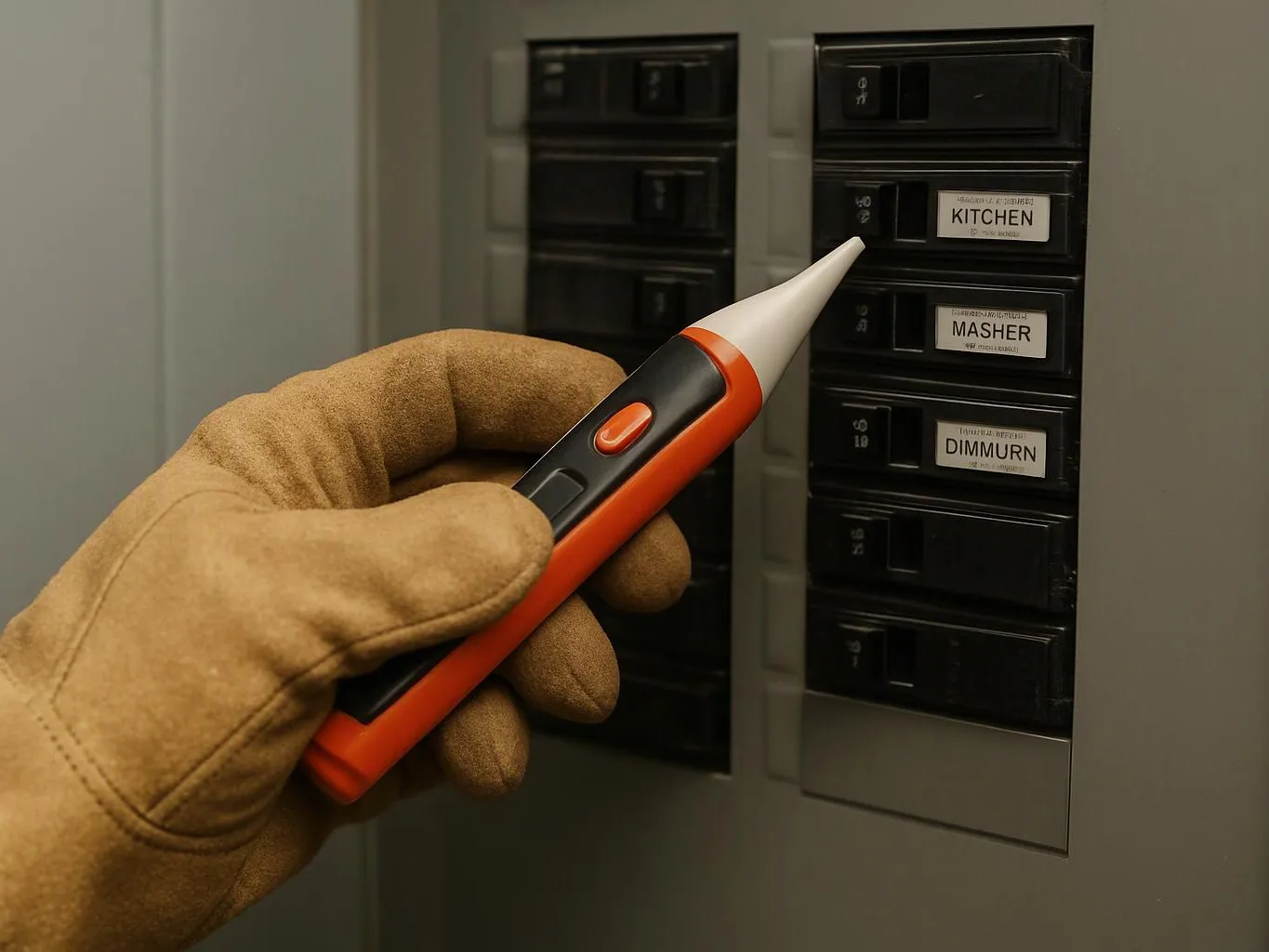
A circuit breaker or fuse box can remain energized even when one device appears inactive. We identify the affected circuit and determine how to make the electrical area safe before repair work begins.
How Do Fuse Box Emergencies Differ From Panel Problems?
Fuse box emergencies can indicate aging equipment or repeated overloads, while panel problems can involve damaged components, poor connections, or insufficient capacity.
A fuse is designed to open when current exceeds the protection limit. Replacing a fuse without finding the cause can leave an overloaded circuit or damaged wiring in service.
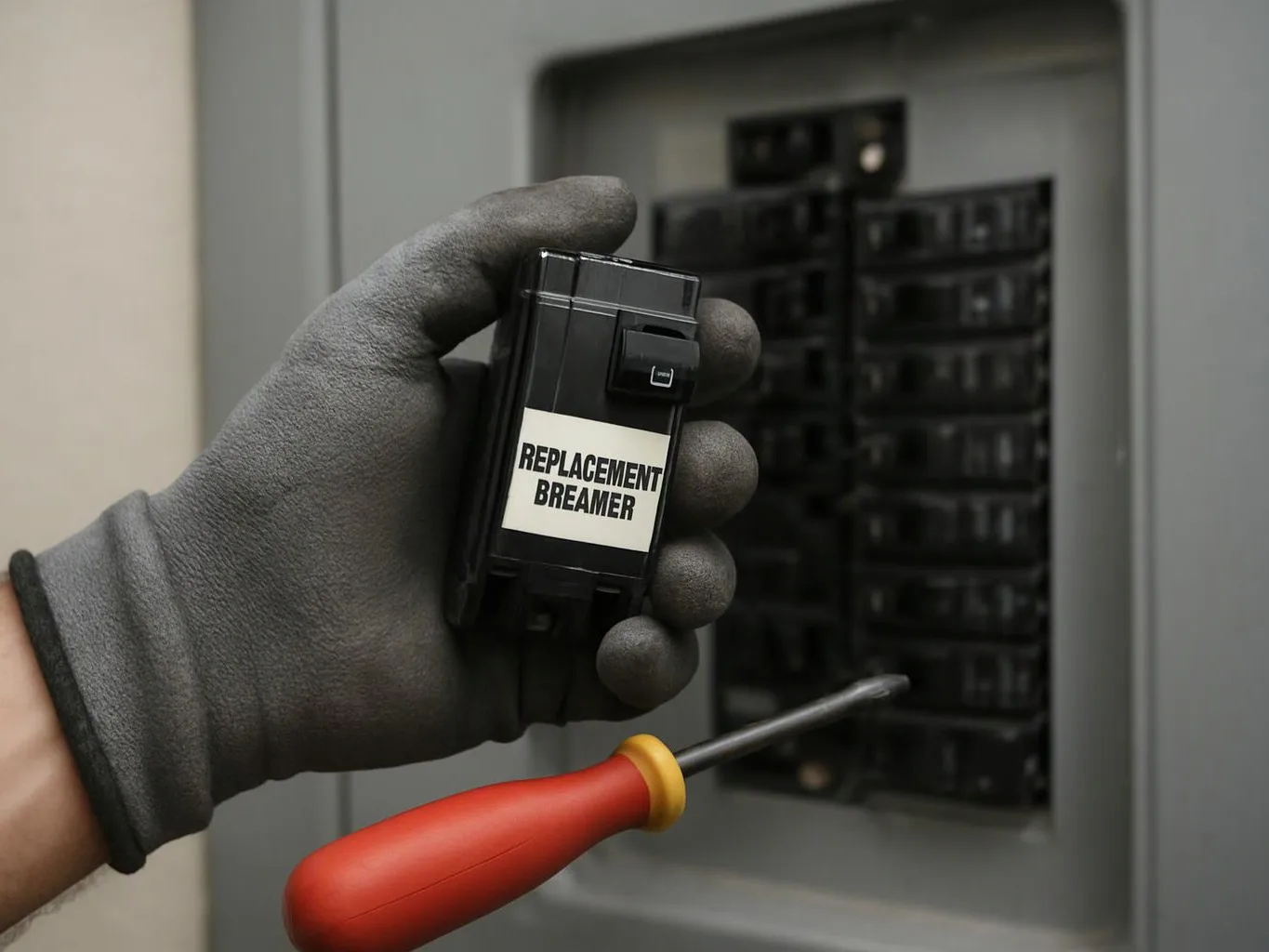
Our team checks the fuse box, fuse type, connections, and branch circuits. When the equipment is no longer suitable, Fuse Box Replacement may be part of the corrective scope.
An electrical panel contains circuit breakers, a service panel enclosure, and connection points that can develop heat or damage. We inspect those parts and determine whether electrical panel repair, electrical panel replacement, or an electrical panel upgrade is appropriate.
Overcurrent protection must match the conductors and connected load. We do not treat repeated trips or fuse failures as a reason to install a larger protective device without checking the wiring.
What Should You Know About Aluminum and Knob-and-Tube Wiring?
Aluminum wiring and knob-and-tube wiring require identification of their condition, connections, insulation, and compatibility with the home's present electrical use.
Aluminum wiring can require close attention at wire connections because different metals and connection methods may behave differently under load. We inspect accessible connections and explain whether repair, monitoring, or Aluminum Wiring Replacement is needed.
Knob-and-tube wiring uses older wiring methods and may have deteriorated insulation or limited compatibility with later changes. We check its condition, exposed conductors, and relationship to the home's current circuits.
Knob-and-tube wiring replacement may be appropriate when insulation is damaged, circuits have been altered, or the system cannot safely support the home's electrical demand. The fire risk depends on the condition and use of the wiring, so we assess the actual installation.
When Does an Emergency Point to a Panel Upgrade or Wiring Replacement?
An emergency points to broader electrical work when the affected equipment cannot safely support the home's demand or when the wiring system has recurring defects.
We look for repeated overheating, damaged insulation, recurring breaker or fuse problems, weak grounding, and branch circuits that do not match their use.
Circuit capacity matters when renovations, appliances, heating equipment, or other loads have been added to an older system. We assess the home electrical demand before recommending an electrical panel upgrade.
Electrical wiring repair may address a local defect. Electrical wiring replacement becomes more likely when damage extends through accessible wiring, insulation has deteriorated, or the system has recurring faults that a local repair cannot correct.
How Can Homeowners Prevent Electrical Emergencies During Renovations?
Homeowners can reduce renovation-related electrical emergencies by planning loads, exposing existing wiring for assessment, protecting connections, and correcting unsafe work before circuits are energized.
Renovation wiring can hide defects when old circuits are extended without reviewing the complete path. We trace the circuit, check connections, and match the proposed work to the system's capacity.
What Prevention Steps Help Protect an Older Electrical System?
Electrical prevention steps include monitoring warning signs, keeping circuits within their intended use, avoiding damaged cords, arranging an assessment when equipment is outdated, and completing needed code corrections.
Our team can identify electrical code correction needs during an assessment. We explain which conditions require immediate action and which work can be planned as part of a larger repair or replacement.
How GMB Electric Assesses Emergency Repairs and Code Corrections
GMB Electric assesses the immediate hazard, traces the affected circuit, explains the needed repair or replacement, and identifies related code corrections before the work proceeds.
We use the assessment to connect the visible symptom to the underlying electrical problem. That approach helps prevent a temporary fuse or breaker change from hiding a deeper wiring or panel defect.
What Changes the Cost of Correcting an Older-Home Electrical Emergency?
The cost of correcting an older-home electrical emergency depends on the damaged components, wiring accessibility, panel condition, circuit capacity, and required code corrections; GMB Electric provides a quote after assessing the work, with free estimates available.
Accessible wiring can allow a more focused repair, while concealed or widespread damage can expand the work area. Damaged components, a deteriorated fuse box, or a panel with poor connections can also change the repair scope.
Our team checks whether the existing circuit has enough capacity for its intended use. The estimate accounts for the condition of the equipment, the work needed to correct the hazard, and any related electrical code correction.
Contact us for an assessment when you need an exact quote for the affected electrical system.
Questions About Electrical Emergencies in Older Homes
Can old wiring cause an electrical emergency?
Yes, old wiring can cause an electrical emergency when insulation, connections, grounding, or circuit capacity can no longer support safe use. GMB Electric checks the affected wiring and explains whether repair, replacement, or code correction is needed.
Is a burning smell from an outlet an electrical emergency?
Yes, a burning smell from an outlet can signal overheating, damaged insulation, or a loose connection. Stop using the outlet, move away from smoke or fire, and contact emergency services when there is immediate danger before arranging an electrical assessment.
Should I replace a fuse that keeps blowing?
No, repeated fuse failure should be assessed before another fuse is installed. The cause may be an overloaded circuit, damaged wiring, a faulty appliance, or a problem inside the fuse box.
Can aluminum wiring be repaired?
Yes, aluminum wiring can sometimes be repaired when its condition, connections, and compatibility support a safe corrective method. We inspect the accessible wiring and explain whether repair or Aluminum Wiring Replacement is appropriate.
Does knob-and-tube wiring need to be replaced during a renovation?
Knob-and-tube wiring does not automatically require replacement during every renovation, but its condition and compatibility with the planned work must be assessed. Replacement may be needed when insulation is damaged, circuits have been altered, or the wiring cannot safely support the renovated space.
What should I do if an older home's electrical panel is hot?
A hot electrical panel requires caution because heat can indicate an overloaded circuit, damaged component, or loose connection. Do not touch the panel or remove its cover; move away from smoke or fire and contact emergency services when there is immediate danger before arranging an assessment.
GMB Electric can assess an older-home electrical emergency, explain the repair scope, and identify needed replacement, upgrade, or code correction work. Contact us to arrange an assessment and request an estimate.
Get a Free Estimate