Where should security lights be positioned around a driveway?
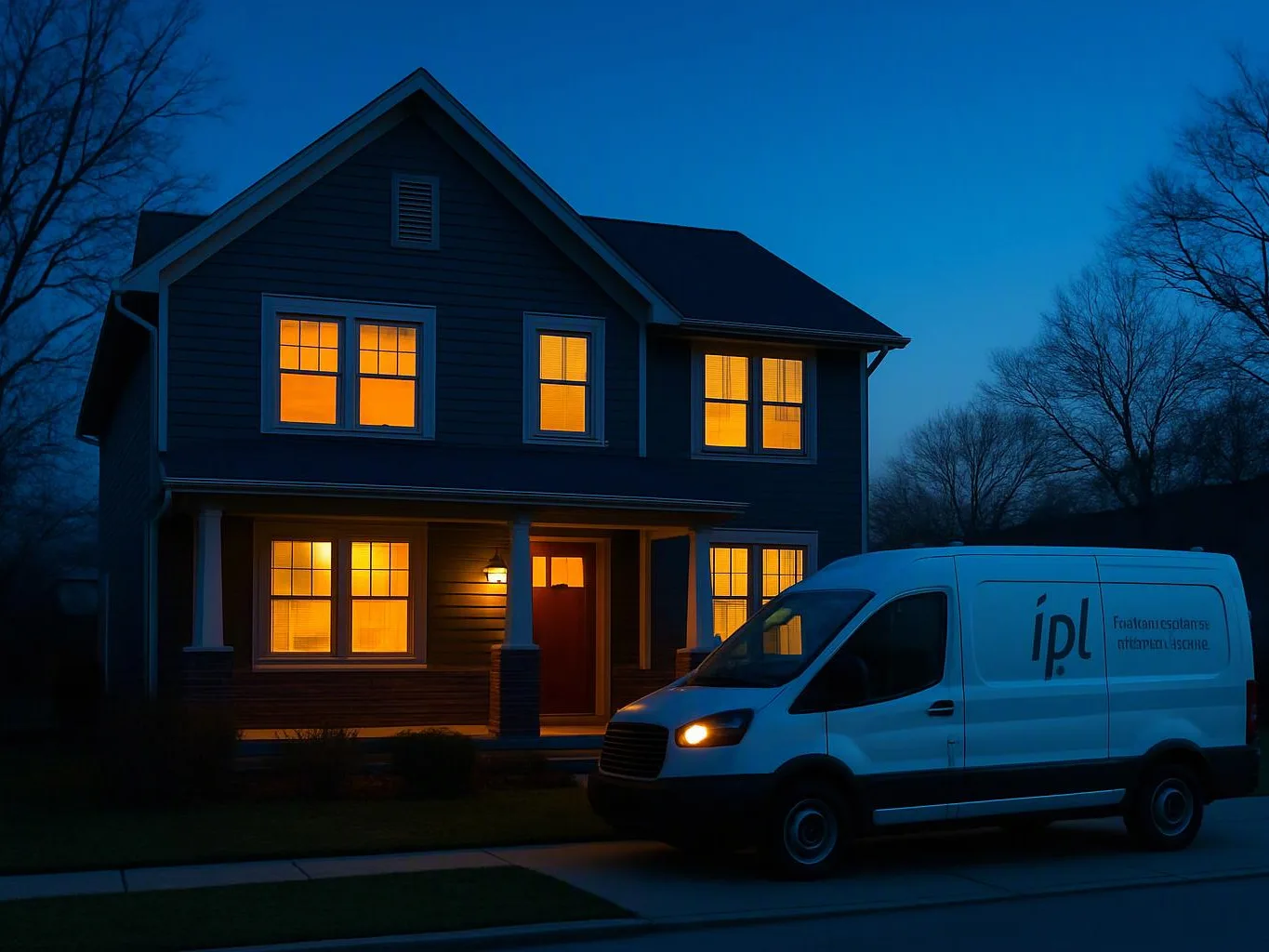
Driveways should receive light from positions that cover vehicle access, walking paths, and nearby blind spots. GMB Electric checks fixture angle, mounting height, glare, wiring access, and nearby entry points before recommending placement. The goal is useful coverage without leaving a dark path beside the lit area.
How can I tell whether security lighting fits my property?
Security lighting fits a property when poor visibility affects entry points, access paths, dark corners, or blind spots. Customers should note where light is weak and whether existing fixtures fail. We inspect those areas and explain whether targeted lighting work or a broader electrical repair better matches the problem.
Which part of the property decides the lighting scope?
The property area needing coverage decides much of the lighting scope. Entry points, driveway access, mounting surfaces, wiring routes, and nearby circuits affect the work. We inspect each concern, then identify the fixture position, electrical connection, and repair needs before preparing an estimate.
What should I do if an exterior security light keeps failing?
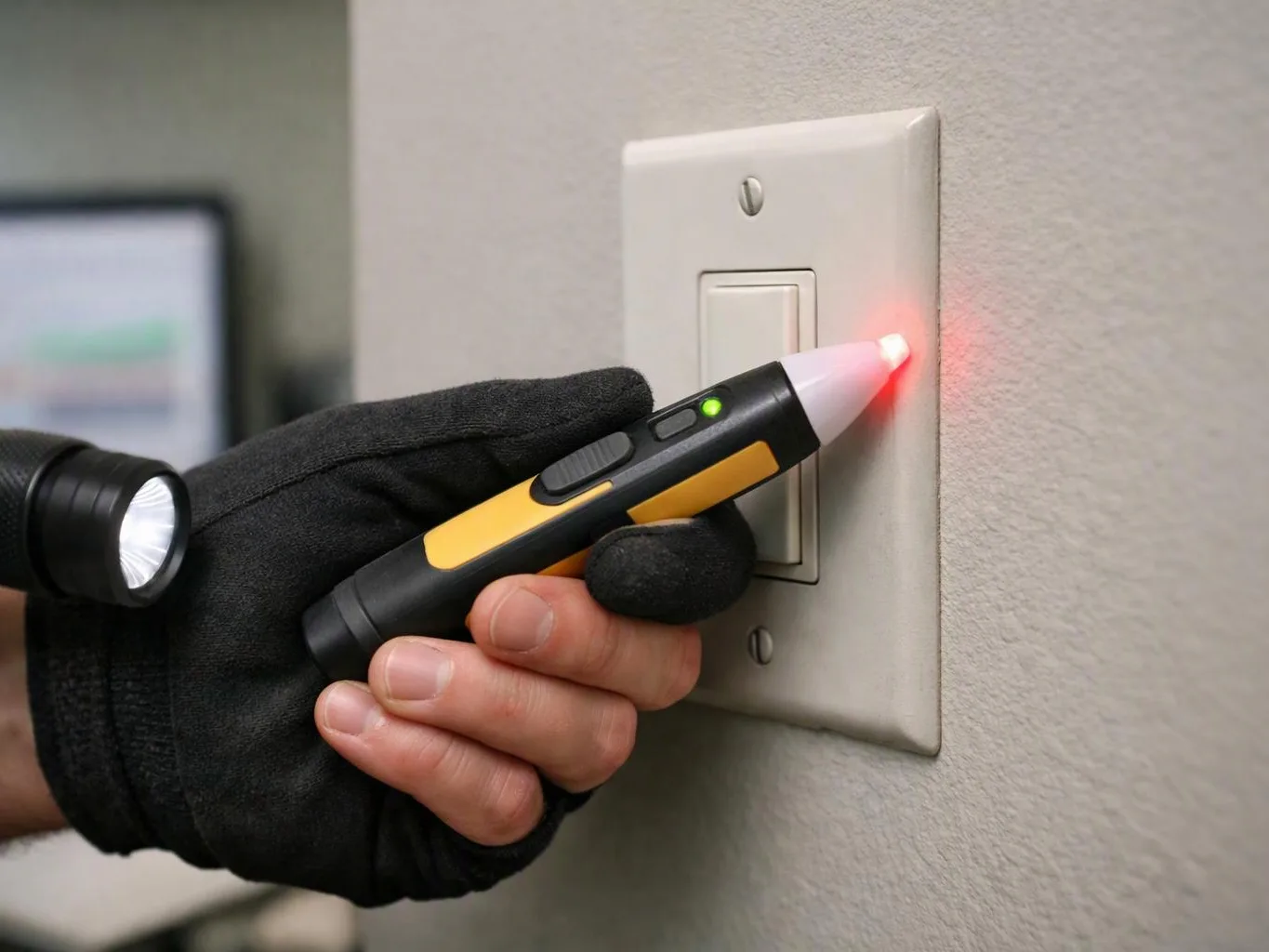
A repeatedly failing exterior light needs a fixture, switch, wiring, and circuit check. Customers should stop using a fixture that sparks, smells hot, or shows damaged wiring. We isolate the concern, trace the circuit, and explain whether repair or replacement is the safer fit.
Which material changes the lighting installation work?
The mounting material can change how the fixture is installed and how wiring reaches it. Masonry, wood, siding, and finished surfaces each affect access and fastening. We check the mounting point and wire path before setting the installation scope, especially where concealed wiring could be involved.
Why does a new security light still leave a blind spot?
A new security light can leave a blind spot when its angle, position, beam spread, or nearby obstruction limits coverage. We check the fixture direction and the surrounding access area. Our team then explains whether adjustment, relocation, or another light point addresses the remaining dark area.
When does a lighting problem need an electrical repair?
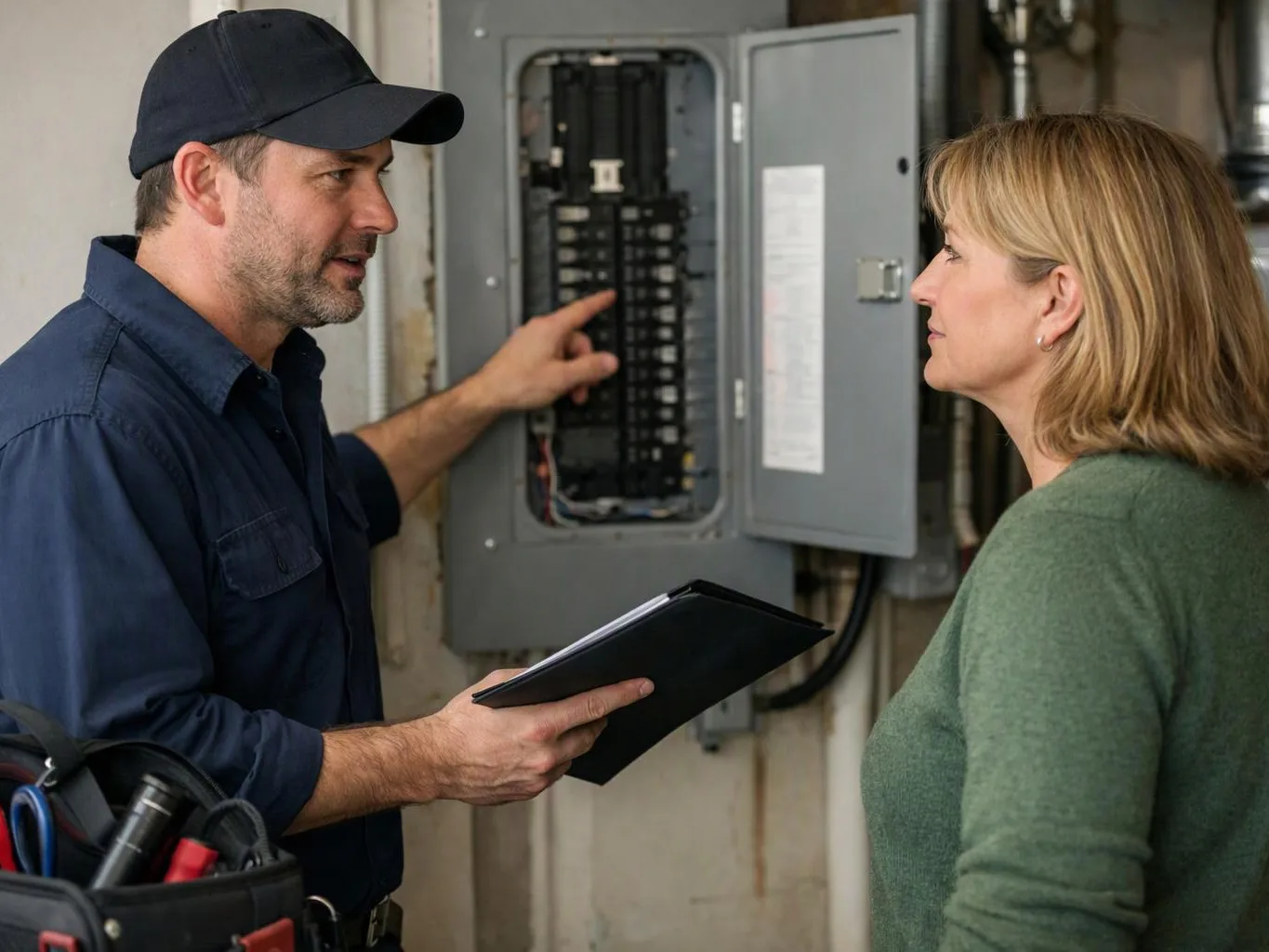
A lighting problem needs electrical repair when the fixture has dead wiring, a failed switch, repeated trips, sparking, or a damaged connection. Customers should avoid opening unsafe equipment. We inspect the circuit and explain the repair scope before connecting or replacing the fixture.