How is old knob and tube wiring removed?
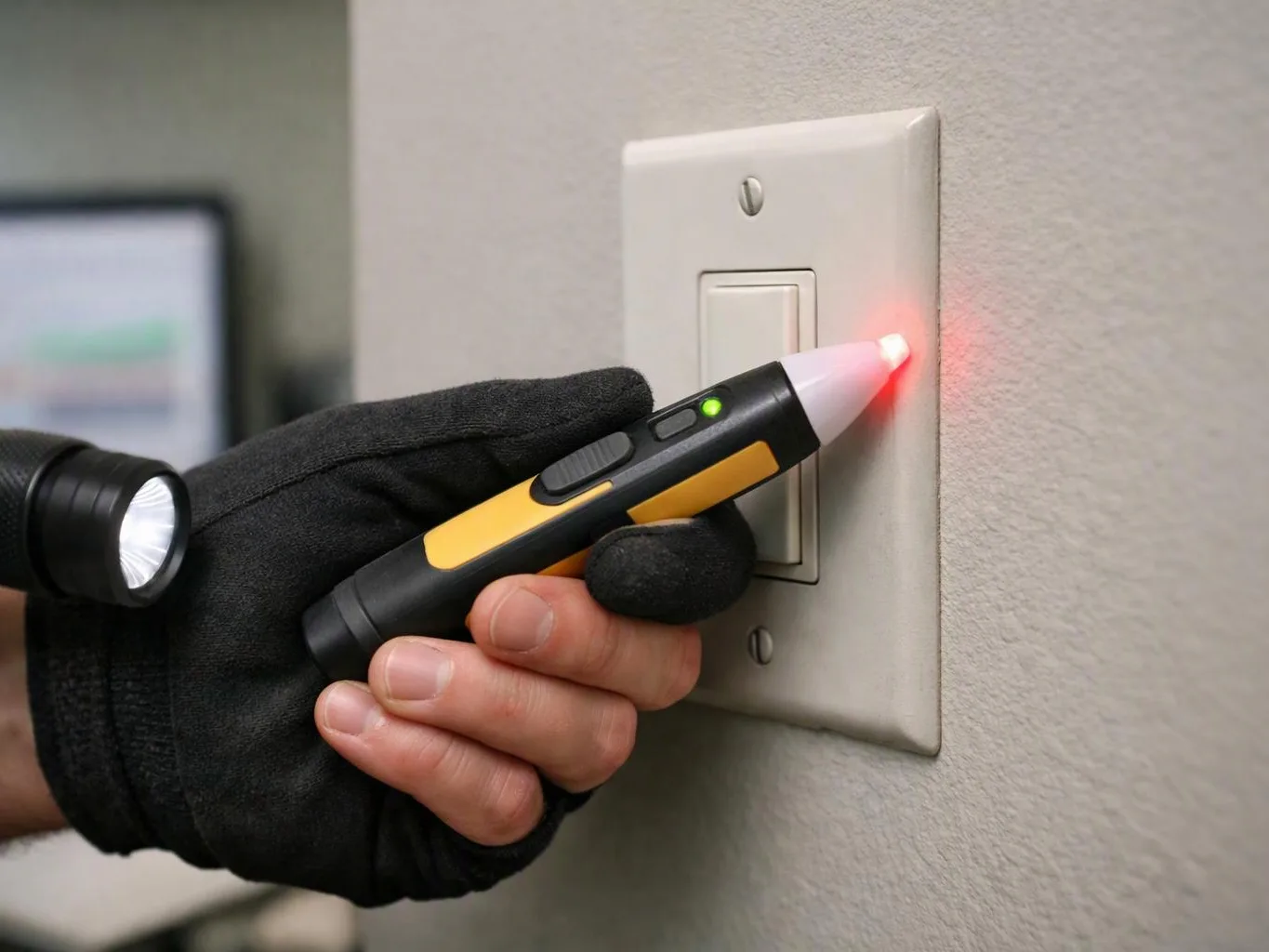
Wire removal starts with circuit mapping, isolation, and access planning before old conductors are taken out. We check each connected outlet, switch, light, and junction box. Replacement cable then follows the planned route, and we test the affected circuits after installation. The scope depends on which wiring is accessible and how far each circuit extends.
Which part of the property decides the replacement scope?
The concealed branch wiring path decides the replacement scope. Walls, ceilings, crawl areas, electrical boxes, outlets, and light fixtures show how far the old circuit runs. We map those connections before setting access points. A panel upgrade does not replace hidden branch wiring, so both needs should be reviewed separately.
What material changes the work plan for old wiring?
The existing wall and ceiling materials can change the access plan. Plaster, finished drywall, wood framing, and tight service spaces affect how we reach old conductors and route new cable. We inspect the available path first. That review helps separate wiring work from repairs to finished surfaces.
How does a replacement visit move from the first call to the last step?
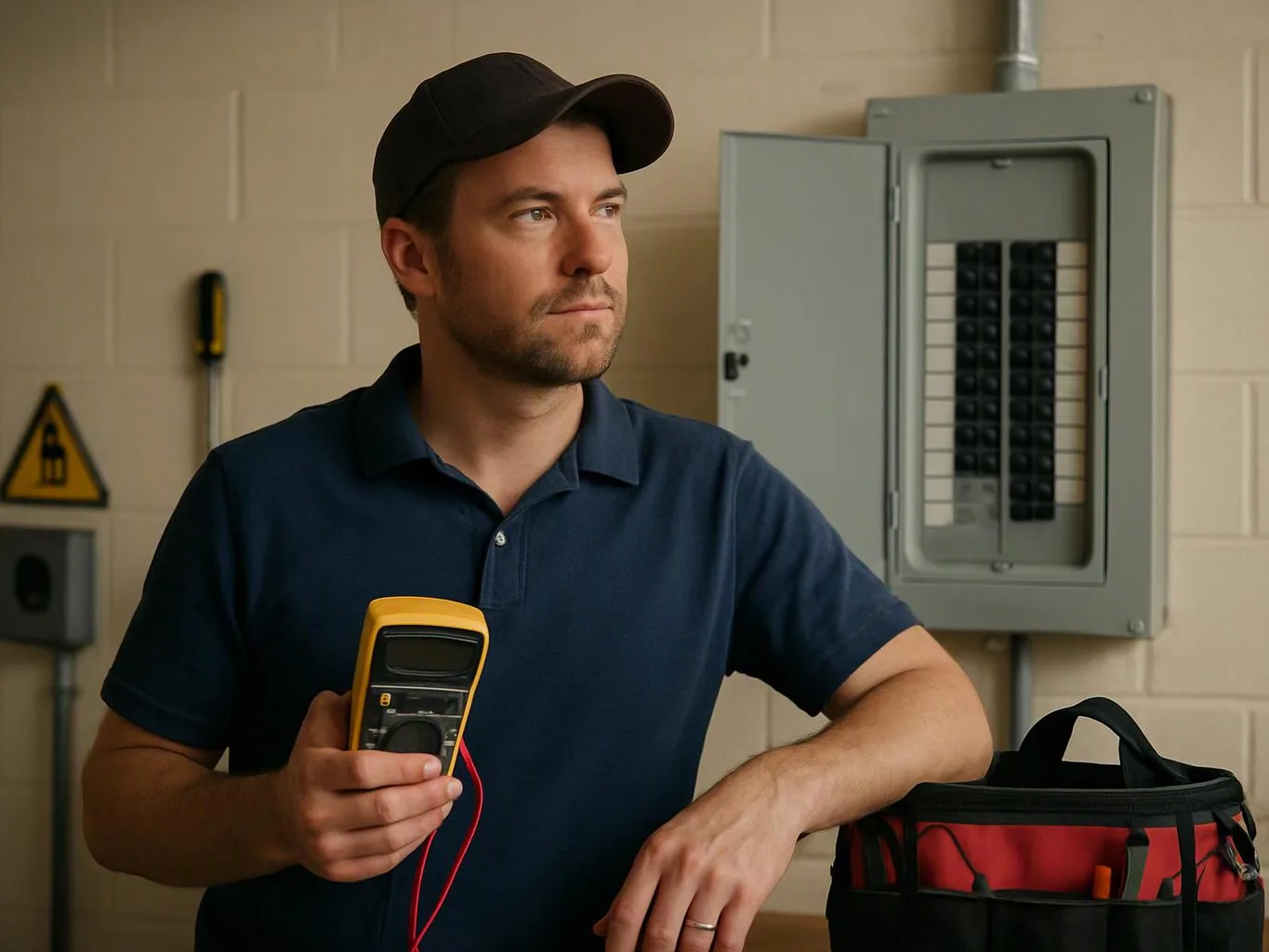
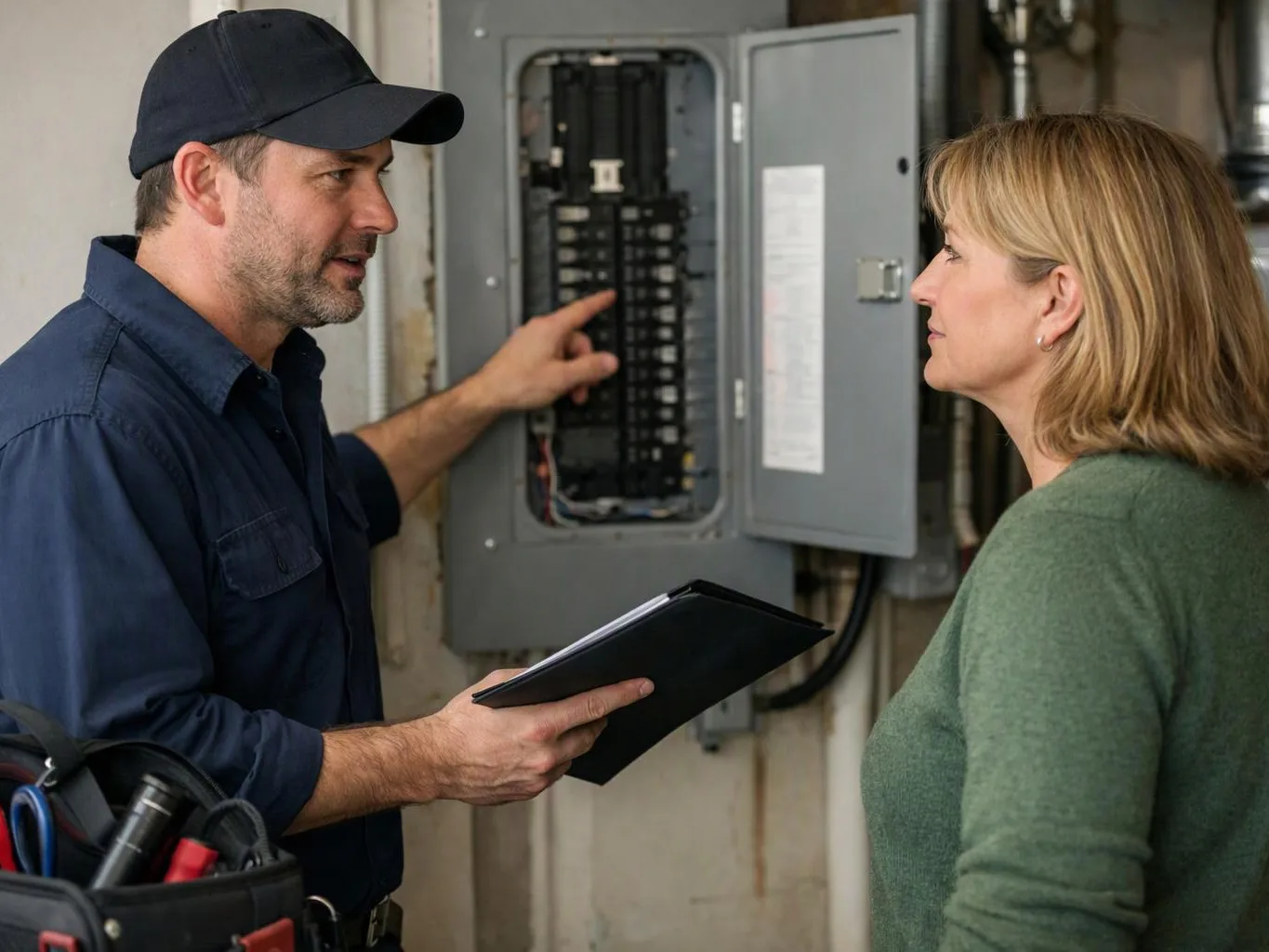
The visit moves from symptom review to circuit mapping, access planning, wire isolation, cable routing, and testing. We note flickering lights, warm switch plates, dead outlets, or visible old wiring during the first discussion. After the inspection, we explain the work scope and provide a free estimate for planned replacement.
When should a Lawrence property owner request an inspection?
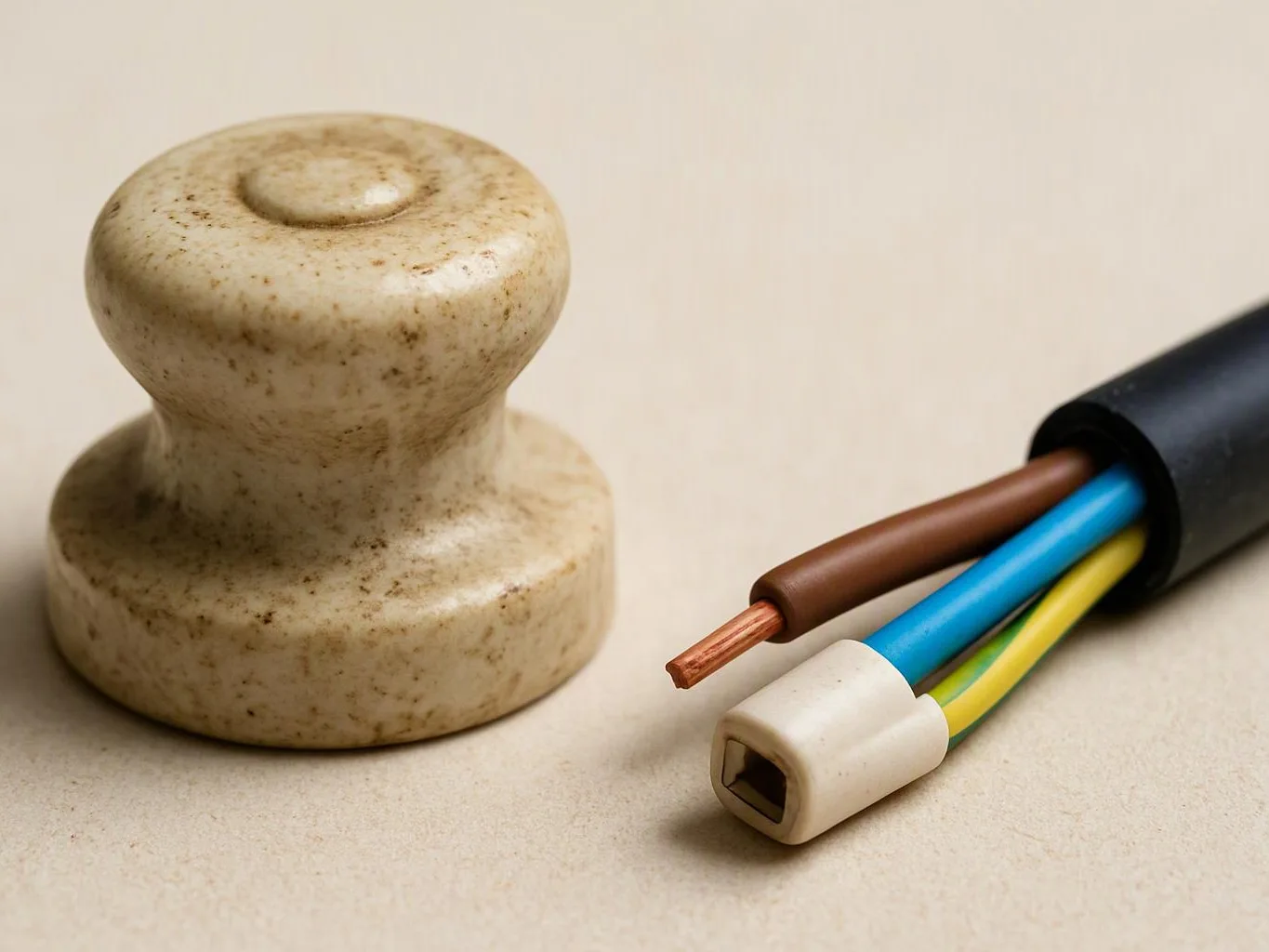
A property owner should request an inspection when old wiring remains active, outlets flicker, switch plates feel warm, or renovation exposes ceramic knobs and tubes. We trace the affected circuits and check connected devices before setting the work scope. Stop using a sparking outlet or burning-smell source and request urgent electrical help.
Why is circuit mapping needed before cable routing?
Circuit mapping shows which devices share each old conductor path before replacement starts. We use the map to isolate the correct circuit, plan access openings, and connect new cable to the right junction boxes. This step also identifies nearby outlets or lights that could remain connected to obsolete wiring.
What should I do before requesting an estimate?
Record which outlets, switches, or lights show trouble and note any visible old wiring. Keep electrical boxes and planned access areas reachable for inspection. We can then review the property type, affected rooms, and known circuit symptoms before preparing a free estimate for the replacement scope.