Who installs indoor lights for homes and businesses in Pittsboro?
GMB Electric installs indoor lighting for homes and businesses in Pittsboro. We handle fixture mounting, wiring connections, switch changes, recessed lighting, and circuit testing. The work starts with an inspection of the planned location and existing electrical parts. That review helps separate a lighting installation from a panel, service entrance, or whole-home rewiring project.
Which part of the property decides the scope of indoor lighting installation?
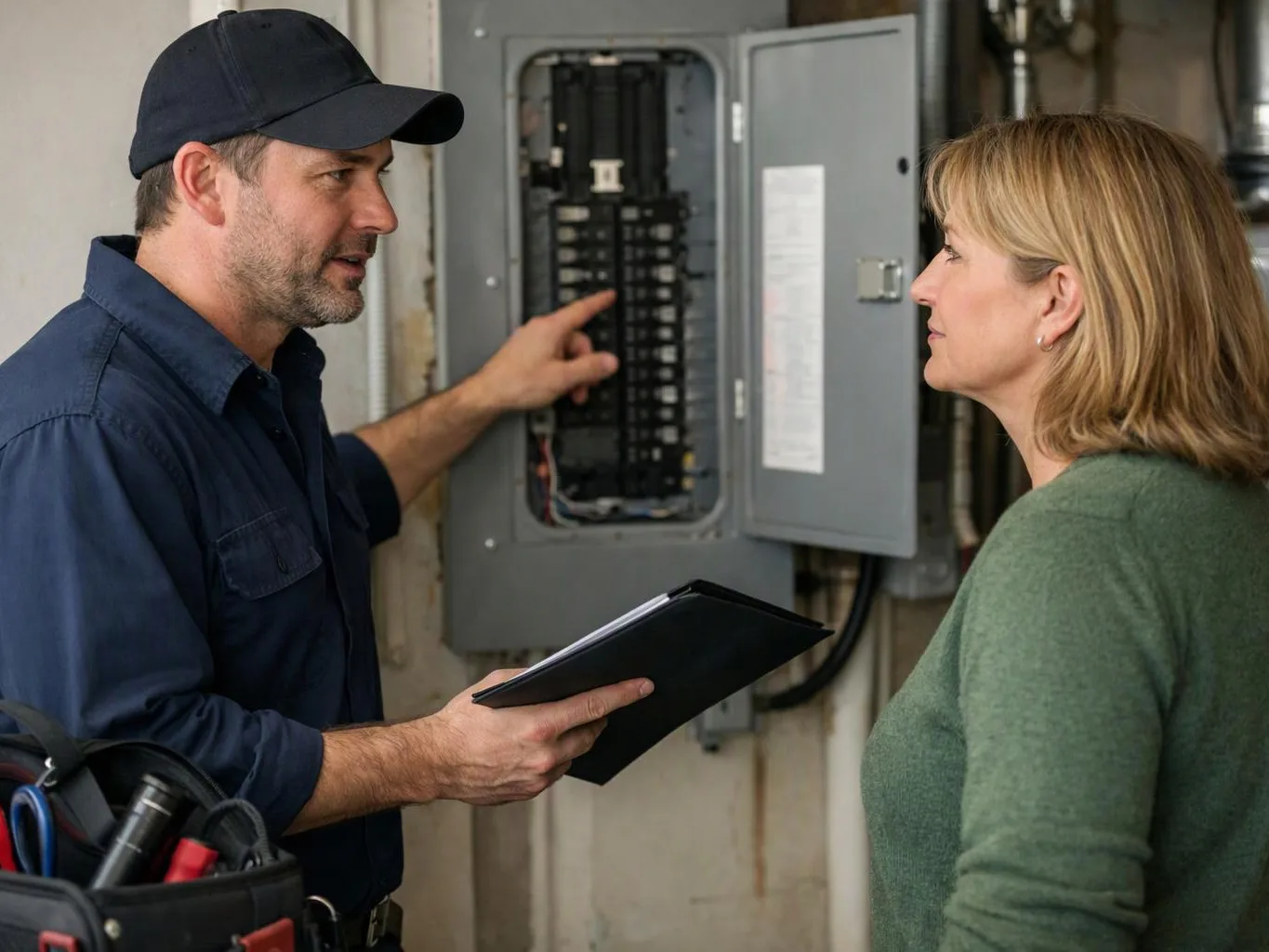
The room layout, ceiling or wall access, existing wiring, fixture location, and switch plan decide the scope. We inspect the electrical box and circuit before choosing the installation method. A finished room may need a different access plan from an open construction area. The estimate reflects those conditions, plus any repair found during the review.
How does an indoor lighting installation visit move from the first call to the last step?
The visit moves from a room review to circuit inspection, installation, and testing. We confirm the fixture plan and access needs first. Customers then receive the work scope and free estimate. After installation, we test the switches and fixtures, then explain any separate electrical issue that needs attention.
What material changes the time needed for indoor lighting installation?
The ceiling, wall finish, existing wiring, and fixture type can change the work involved. Recessed lighting may need ceiling access and a suitable wire route. Finished drywall can require more careful access than an open ceiling. We inspect these materials before setting the installation scope.
When should I request lighting installation instead of a lighting repair?
Request installation when you want new fixtures, new switch locations, or a different lighting layout. Request repair when an existing light fails, flickers, buzzes, or loses power. We inspect the symptom and the circuit so the work matches the actual problem. A burning smell or hot switch plate calls for prompt electrical attention.
Why do new lights need circuit testing after the fixture is mounted?
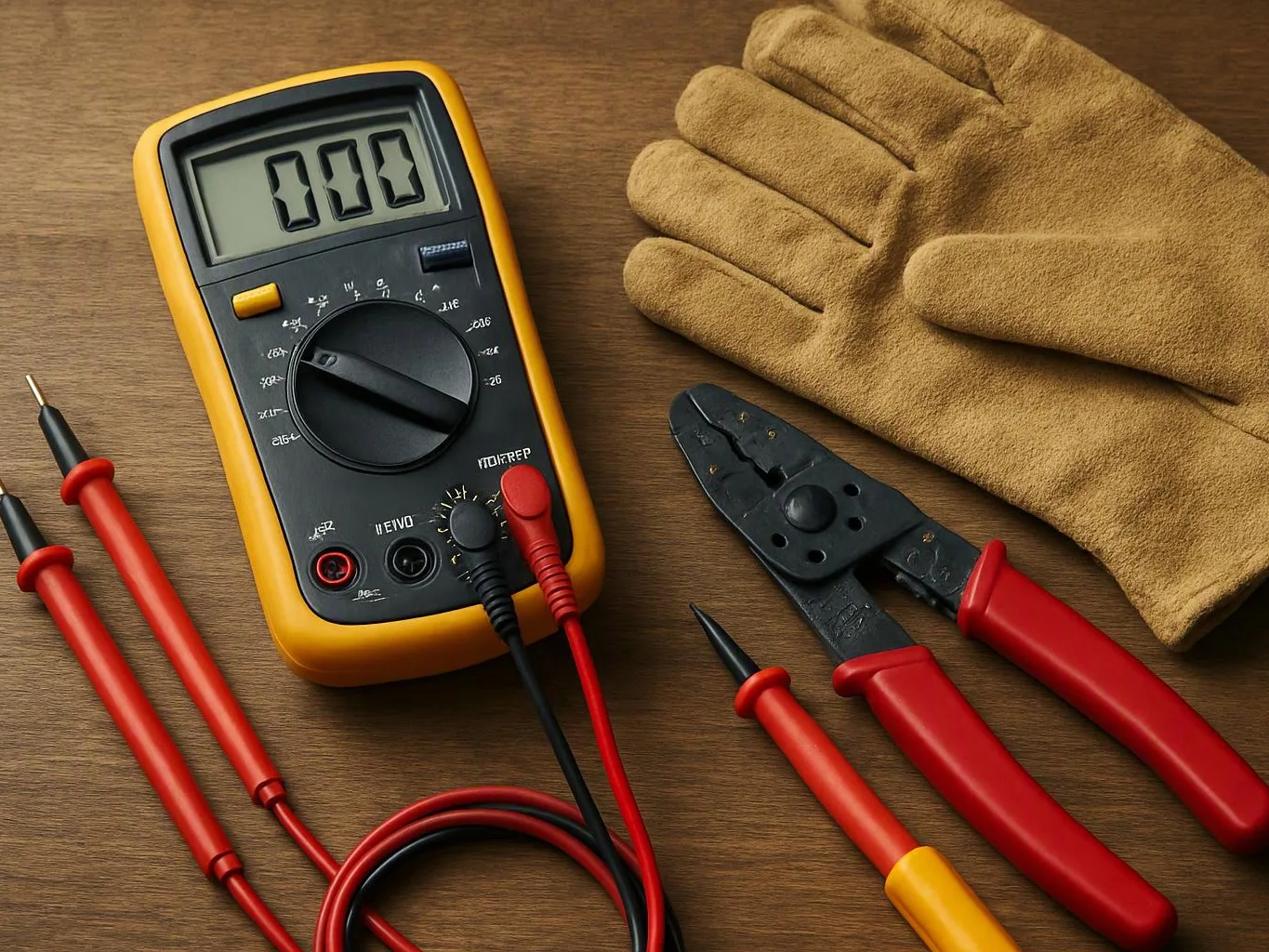
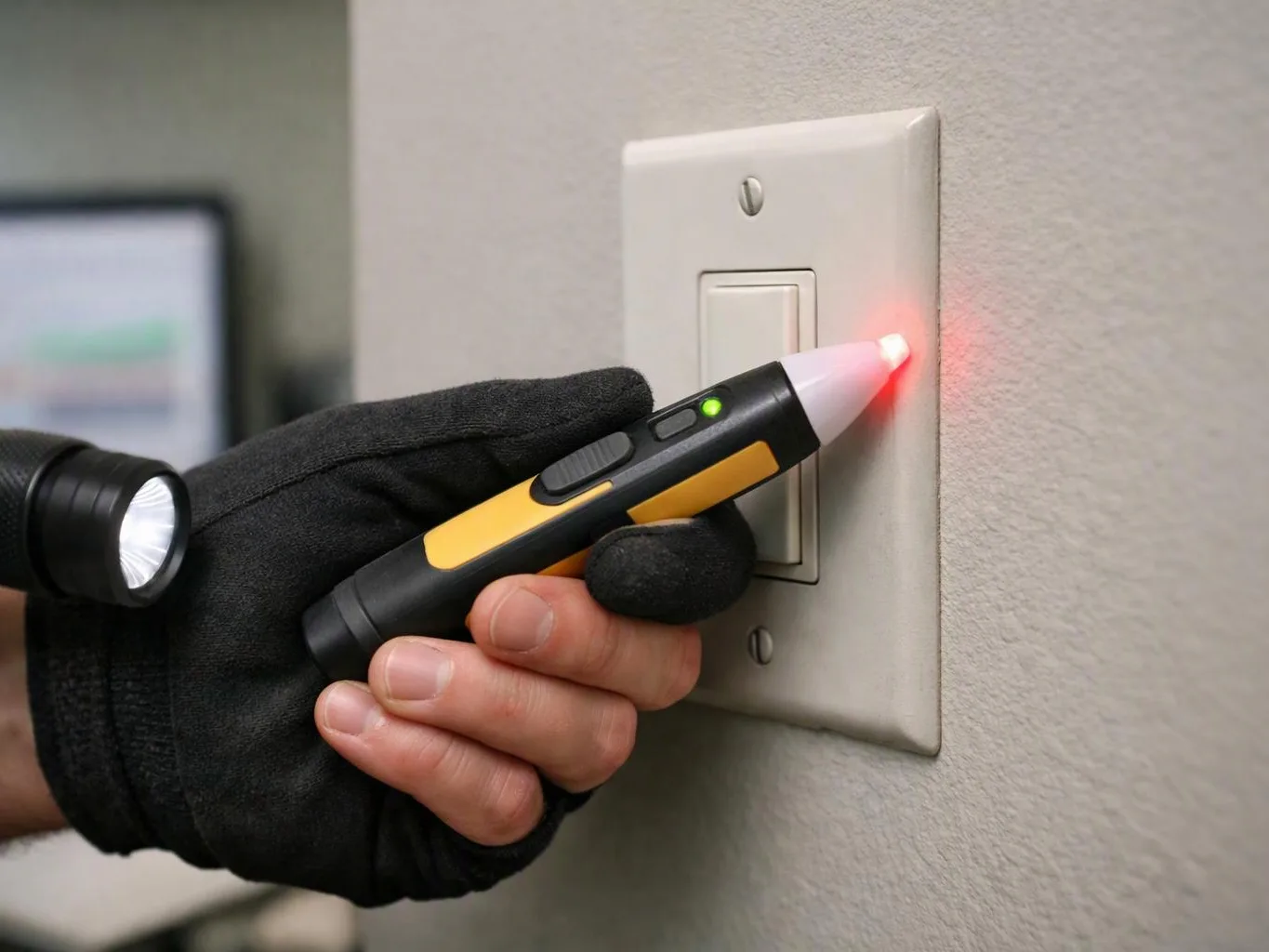
Circuit testing confirms that the fixture, switch, wiring, and grounding path work together. We operate the controls and check the completed connections after mounting the light. Testing can reveal a loose connection or circuit issue before regular use. Customers should report any flicker, buzz, heat, or unusual odor after installation.
How should I prepare a room for indoor lighting work?
Clear furniture and fragile items from the work area before the visit. Tell us which switches control the room and identify any flicker, dead outlet, or prior wiring change. We also need access to the fixture location and related electrical box. Do not work on live wiring or remove a fixture yourself.